Innovations in Data Center Power and Cooling Solutions


The shift from standby to strategic energy management
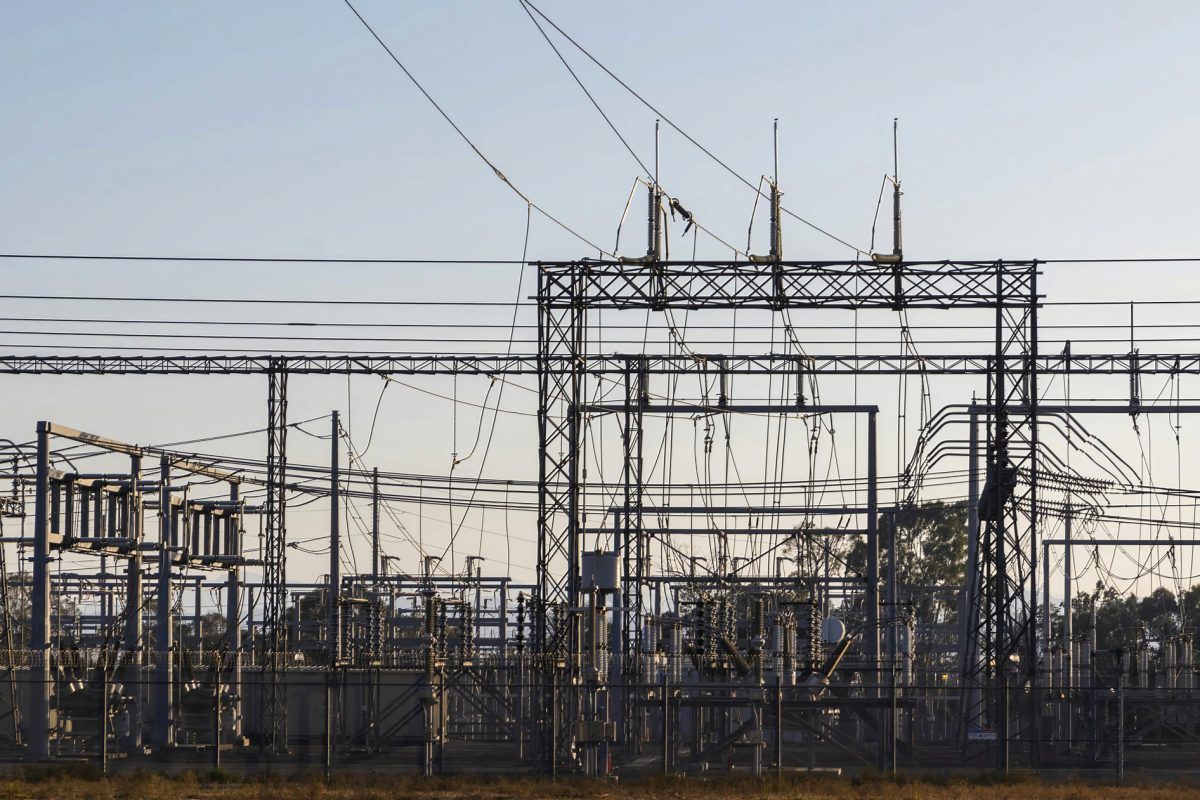
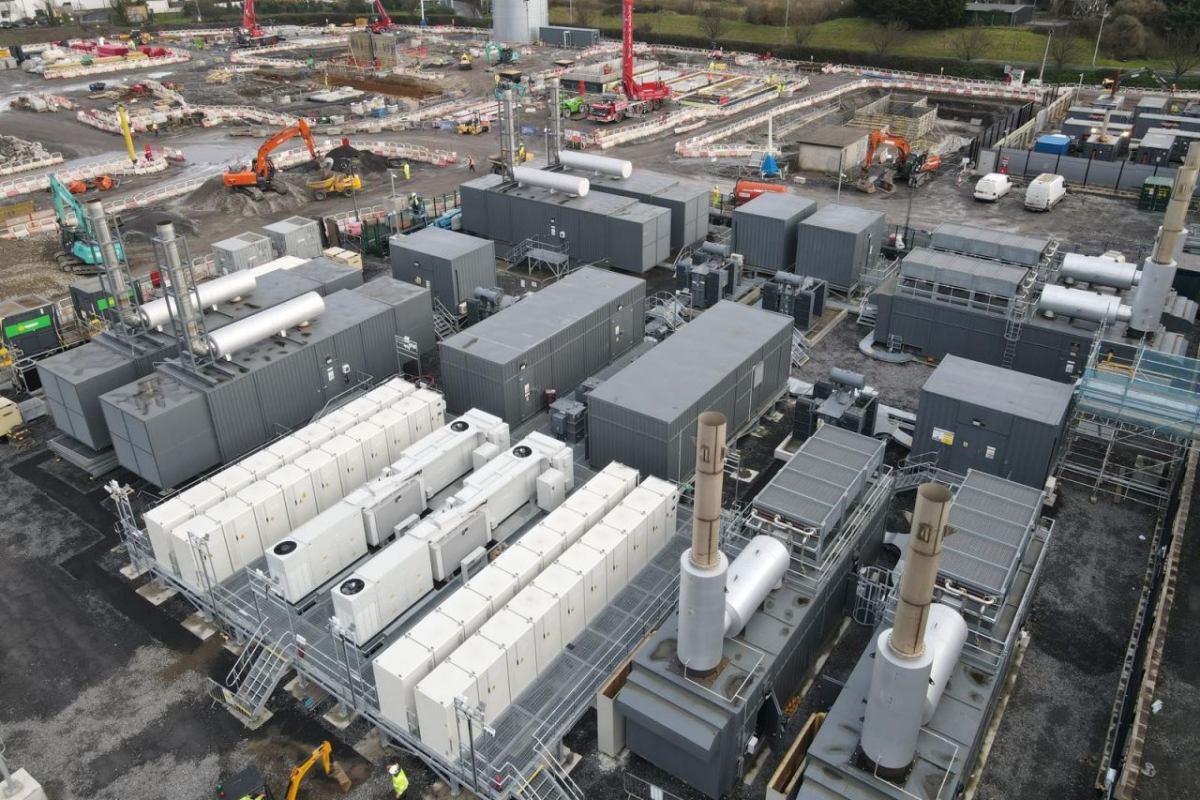
In this article, Laura Maciosek, Director Key Accounts at Cat Electric Power Division, talks about why shifting backup assets into primary power is becoming essential as grid constraints intensify: It’s safe to say the energy landscape is changing, with many prominent and significant changes having taken place in the last 24 months. The data-driven society we live in, from streaming devices and smart appliances to AI processing, continues to move demand for data centres in just one direction: up. As data centres experience this growth, utility power is no longer a given. Today, there’s no guarantee the local electrical grid can meet these increased power needs. In fact, many utilities I’ve talked with say it’ll be three to five years (or longer) before they can bring the required amount of power online. That puts data centre customers in a tricky position. How can they continue to expand and grow if there isn’t enough power and moving sites isn’t an option? The answer includes rethinking power options, and that means considering the transition from using power assets for largely backup purposes to employing them as a primary power source. That’s a big change from the status quo. If you’re in a similar position, you can read our advice on how to navigate the transition on our blog. Whether you’re ready to make the switch from standby to prime power at your data centre today – or simply weighing options for your next development or expansion – we’re here to help. We’ll work with you to find the right combination of assets and asset management software that fulfils your power requirements reliably and cost-effectively. Connect with one of our experts to get the process started. For more from Caterpillar, click here.

A-Gas completes large-scale DC refrigerant recovery project
A-Gas, a company specialising in Lifecycle Refrigerant Management (LRM), has completed a major refrigerant recovery project for a global technology provider, marking a significant environmental milestone for the data centre sector. More than 73,000 lbs (33,000 kg) of R410A were safely recovered across five buildings containing 222 cooling units scheduled for decommissioning. The work, carried out under challenging summer conditions, prevented the release of greenhouse gases equivalent to 70,226 tonnes of carbon dioxide (CO₂e). The project was managed by A-Gas Rapid Recovery, the company’s on-site refrigerant recovery division, which specialises in high-speed, compliant recovery operations for commercial and industrial facilities. Environmental and operational impact A-Gas said the recovery operation demonstrated its commitment to safe and environmentally responsible refrigerant lifecycle management. The project not only reduced environmental impact, but also delivered financial benefits to the client through the A-Gas buyback programme. Rapid Recovery’s process is designed to complete complex projects quickly, with recovery speeds up to 10 times faster than conventional methods, helping reduce downtime during critical infrastructure transitions. The operation included full Environmental Protection Agency (EPA) documentation, refrigerant analysis, and regulatory compliance checks throughout. A-Gas said its approach combines global expertise with safety-first practices to help technology and data centre clients meet both operational and sustainability goals. For more from A-Gas, click here.

Rethinking fuel control
In this exclusive article for DCNN, Jeff Hamilton, Fuel Oil Team Manager at Preferred Utilities Manufacturing Corporation, explores how distributed control systems can enhance reliability, security, and scalability in critical backup fuel infrastructure: Distributed architecture for resilient infrastructure Uninterrupted power is non-negotiable for data centres to provide continuity through every possible scenario, from extreme weather events to grid instability in an ageing infrastructure. Generators, of course, are central to this resilience, but we must also consider the fuel storage infrastructure that powers them. The way the fuel is monitored, delivered, and secured by a control system ultimately determines whether a backup system succeeds or fails when it is needed most. The risks of centralised control A traditional fuel control system typically uses a centralised controller such as a programmable logic controller (PLC) to manage all components. The PLC coordinates data from sensors, controls pumps, logs events, and communicates with building automation systems. Often, this controller connects through hardwired, point-to-point circuits that span large distances throughout the facility. This setup creates a couple of potential vulnerabilities: 1. If the central controller fails, the entire fuel system can be compromised. A wiring fault or software error may take down the full network of equipment it supports. 2. Cybersecurity is also a concern when using a centralised controller, especially if it’s connected to broader network infrastructure. A single breach can expose your entire system. Whilst these vulnerabilities may be acceptable in some industrial situations, modern data centres demand more robust and secure solutions. Decentralisation in control architecture addresses these concerns. Distributed logic and redundant communications Next-generation fuel control systems are adopting architectures with distributed logic, meaning that control is no longer centralised in one location. Instead, each field controller—or “node”—has its own processor and local interface. These nodes operate autonomously, running dedicated programs for their assigned devices (such as tank level sensors or transfer pumps). These nodes then communicate with one another over redundant communication networks. This peer-to-peer model eliminates the need for a master controller. If one node fails or if communication is interrupted, others continue operating without disruption. This means that pump operations, alarms, and safety protocols all remain active because each node has its own logic and control. This model increases both uptime and safety; it also simplifies installation. Since each node handles its own logic and display, it needs far less wiring than centralised systems. Adding new equipment involves simply installing a new node and connecting it to the network, rather than overhauling the entire system. Built-in cybersecurity through architecture A system’s underlying architecture plays a key role in determining its vulnerability to cybersecurity hacks. Centralised systems can provide a single entry point to an entire system. Distributed control architectures offer a fundamentally different security profile. Without a single controller, there is no single target. Each node operates independently and the communication network does not require internet-facing protocols. In some applications, distributed systems have even been configured to work in physical isolation, particularly where EMP protection is required. Attackers seeking to disrupt operations would need to compromise multiple nodes simultaneously, a task substantially more difficult than targeting a central controller. Even if one segment is compromised or disabled, the rest of the system continues to function as designed. This creates a hardened, resilient infrastructure that aligns with zero-trust security principles. Safety and redundancy by default Of course, any fuel control system must not just be secure; it must also be safe. Distributed systems offer advantages here as well. Each node can be programmed with local safety interlocks. For example, if a tank level sensor detects overfill, the node managing that tank can shut off the pump without needing permission from a central controller. Other safety features often include dual-pump rotation to prevent uneven wear, leak detection, and temperature or pressure monitoring with response actions. These processes run locally and independently. Even if communication between nodes is lost, the safety routines continue. Additionally, touchscreens or displays on individual nodes allow on-site personnel to access diagnostics and system data from any node on the network. This visibility simplifies troubleshooting and provides more oversight of real-time conditions. Scaling with confidence Data centres require flexibility to grow and adapt. However, traditional control systems make changes like upgrading infrastructure, increasing power, and installing additional backup systems costly and complex, often requiring complete rewiring or reprogramming. Distributed control systems make scaling more manageable. Adding a new generator or day tank, for example, involves connecting a new controller node and loading its program. Since each node contains its own logic and communicates over a shared network, the rest of the system continues operating during the upgrade. This minimises downtime and reduces installation costs. Some systems even allow live diagnostics during commissioning, which can be particularly valuable when downtime is not an option. A better approach for critical infrastructure Data centres face incredible pressure to deliver continuous performance, efficiency, and resilience. Backup fuel systems are a vital part of this reliability strategy, but the way these systems are controlled and monitored is changing. Distributed control architectures offer a smarter, safer path forwards. Preferred Utilities Manufacturing Corporation is committed to supporting data centres to better manage their critical operations. This commitment is reflected in products and solutions like its Preferred Fuel System Controller (FSC), a distributed control architecture that offers all the features described throughout this article, including redundant, masterless/node-based communication, providing secure, safe, and flexible fuel system control. With Preferred’s expertise, a distributed control architecture can be applied to system sizes ranging from 60 to 120 day tanks.

Arteco introduces ECO coolants for data centres
Arteco, a Belgian manufacturer of heat transfer fluids and direct-to-chip coolants, has expanded its coolant portfolio with the launch of ECO versions of its ZITREC EC product line, designed for direct-to-chip liquid cooling in data centres. Each product is manufactured using renewable or recycled feedstocks with the aim of delivering a significantly reduced product carbon footprint compared with fossil-based equivalents, while maintaining the same thermal performance and reliability. Addressing growing thermal challenges As demand for high-performance computing rises, driven by artificial intelligence (AI) and other workloads, operators face increasing challenges in managing heat loads efficiently. Arteco’s ZITREC EC line was developed to support liquid cooling systems in data centres, enabling high thermal performance and energy efficiency. The new ECO version incorporates base fluids, Propylene Glycol (PG) or Ethylene Glycol (EG), sourced from certified renewable or recycled materials. By moving away from virgin fossil-based resources, ECO products aim to help customers reduce scope 3 emissions without compromising quality. Serge Lievens, Technology Manager at Arteco, says, “Our comprehensive life cycle assessment studies show that the biggest environmental impact of our coolants comes from fossil-based raw materials at the start of the value chain. "By rethinking those building blocks and incorporating renewable and/or recycled raw materials, we are able to offer products with significantly lower climate impact, without compromising on high quality and performance standards.” Certification and traceability Arteco’s ECO coolants use a mass balance approach, ensuring that renewable and recycled feedstocks are integrated into production while maintaining full traceability. The process is certified under the International Sustainability and Carbon Certification (ISCC) PLUS standard. Alexandre Moireau, General Manager at Arteco, says, “At Arteco, we firmly believe the future of cooling must be sustainable. Our sustainability strategy focuses on climate action, smart use of resources, and care for people and communities. "This new family of ECO coolants is a natural extension of that commitment. Sustainability for us is a continuous journey, one where we keep researching, innovating, and collaborating to create better, cleaner cooling solutions.” For more from Arteco, click here.

Panduit launches EL2P intelligent PDU
Panduit, a manufacturer of electrical and network infrastructure solutions, has introduced the EL2P Intelligent Power Distribution Unit (iPDU), designed to improve power management in mission-critical data centre environments. With rising rack power densities driven by artificial intelligence (AI) workloads and broader digital transformation, the EL2P series provides data centre operators with tools to maintain uptime, optimise capacity, and support sustainability goals. Key aspects of the product include metering accuracy of ±0.5%, advanced cybersecurity, flexible outlet configurations, and integrated environmental sensing. Features and capabilities The EL2P iPDU includes an integrated colour touchscreen with an automatic interface rotation for different installation orientations, intended to improve usability for technicians. Its hot-swappable controller and display module allow servicing or upgrades without interrupting power, reducing downtime risks. The outlets are designed to provide flexibility by supporting multiple configurations (C13, C15, C19, or C21) within a single unit. The iPDU also supports extended operating temperatures up to 60°C, making it suitable for high-density racks and constrained edge environments. Cybersecurity is addressed with compliance to UL 2900-1 and IEC 62443-4-2 standards, secure code signing, 802.1x authentication, and a USGv6-certified IPv6 stack. Additional functions include: • Dual 1Gb Ethernet with daisy-chain capability – enabling up to 64 iPDUs to share one IP address and switch port• Native Cisco Nexus Dashboard integration – providing energy and sustainability insights without external hardware• Secure Zero Touch Provisioning (sZTP) – for faster configuration and scalable deployment• Redfish and RESTful API integration – ensuring compatibility with DCIM and cloud platforms Available in single- and three-phase models, the EL2P series offers input capacities from 5kVA to 43.5kVA and comes with dual-rated approvals for both North America and EMEA. Martin Kandziora, Senior Marketing Manager EMEA at Panduit, says, “The EL2P is a direct response to our customers’ demand for intelligent power management that simplifies installation, enhances security, and provides the granular visibility needed to future-proof operations. "It combines cutting-edge features like hot-swappable controllers, dual 1Gb Ethernet, and best-in-class metering accuracy in a single platform.” Panduit says the EL2P series is designed for colocation providers requiring tenant-level billing, hyperscale and cloud operators demanding high-density outlet configurations, and enterprises seeking scalable and secure power distribution. For more from Panduit, click here.

GF partners with NTT Facilities on sustainable cooling
GF, a provider of piping systems for data centre cooling systems, has announced a collaboration with NTT Facilities in Japan to support the development of sustainable cooling technologies for data centres. The partnership involves GF supplying pre-insulated piping for the 'Products Engineering Hub for Data Center Cooling', a testbed and demonstration site operated by NTT Facilities. The hub opened in April 2025 and is designed to accelerate the move from traditional chiller-based systems to alternatives such as direct liquid cooling. Focus on energy-efficient cooling GF is providing its pre-insulated piping for the facility’s water loop. The system is designed to support efficient thermal management, reduce energy losses, and protect against corrosion. GF’s offering covers cooling infrastructure from the facility level through to rack-level systems. Wolfgang Dornfeld, President Business Unit APAC at GF, says, “Our partnership with NTT Facilities reflects our commitment to working side by side with customers to build smarter, more sustainable data centre infrastructure. "Cooling is a critical factor in AI-ready data centres, and our polymer-based systems ensure performance, reliability, and energy efficiency exactly where it matters most.” While the current project focuses on water transport within the facility, GF says it also offers a wider range of polymer-based systems for cooling networks. The company notes that these systems are designed to help improve uptime, increase reliability, and support sustainability targets. For more from GF, click here.

Daikin to showcase cooling at DCD London
Daikin, a Japanese manufacturer of air conditioning and refrigeration systems, will present its latest data centre cooling technologies at Data Centre Dynamics (DCD) London this September. The company’s team will share strategies to support energy efficiency, operational resilience, and sustainability in mission-critical environments. The event takes place at the Business Design Centre in London, where delegates will hear how Daikin’s systems are "designed to meet rising demand from artificial intelligence, cloud computing, and edge processing." Cooling systems for high-density environments Daikin will highlight its glycol-free chillers from the TZ D series, designed to provide enhanced heat transfer while avoiding the risks and maintenance associated with glycol-based systems. These air-cooled chillers operate from –20°C to +55°C, with options extending to –35°C for colder climates, and feature integrated free cooling to reduce energy use and emissions. For airside applications, Daikin says it offers: • Pro-C CRAH units delivering 30–200kW of cooling, with optimised airflow for high-density racks and aisle containment systems• Pro-W fan arrays providing up to 500kW of cooling, with modular configurations for scalable performance in large-scale data halls Intelligent control for energy efficiency The company will also demonstrate its Intelligent Data Center Manager (iDCM), a control platform capable of sequencing up to 20 chillers and pumps. By applying AI and machine learning, iDCM aims to build real-time performance profiles to balance load, extend equipment life, and cut energy use. Daikin says iDCM can achieve energy savings of up to 20% compared with conventional control, while supporting Tier III and Tier IV resilience requirements. The system is designed to improve Power Usage Effectiveness (PUE), Water Usage Effectiveness (WUE), and total cost of ownership. Supporting net-zero targets Francesco Di Giovanni, Senior Consulting Engineer at Daikin, will host a technical lunch session at DCD London. Drawing on over 15 years of experience across EMEA, he will explore the role of thermal management in the AI era, presenting approaches to improve efficiency, manage system loads, and enable progress towards net zero. Daikin’s cooling systems use low-GWP refrigerants, reclaimed gases, and modular design to reduce embodied carbon and meet regulatory requirements such as F-Gas and MEES. The company’s vertically integrated supply chain and lifecycle service model aim to ensure long-term reliability in data centre environments. For more from Daikin, click here.

Castrol and Airsys partner on liquid cooling
Castrol, a British multinational lubricants company owned by BP, and Airsys, a provider of data centre cooling systems, have formed a partnership to advance liquid cooling technologies for data centres, aiming to meet the growing demands of next-generation computing and AI applications. The collaboration will see the companies integrate their technologies, co-develop new products, and promote greater industry awareness of liquid cooling. A recent milestone includes Castrol’s Immersion Cooling Fluid DC 20 being certified as fully compatible with Airsys’ LiquidRack systems. Addressing rising cooling demands in the AI era The partnership comes as traditional air-cooling methods struggle to keep pace with increasing power densities. Research from McKinsey indicates that average rack power density has more than doubled in two years to 17kW. Large Language Models (LLMs) such as ChatGPT can consume over 80kW per rack, while Nvidia’s latest chips may require up to 120kW per rack. Castrol’s own research found that 74% of data centre professionals believe liquid cooling is now the only viable option to handle these requirements. Without effective cooling, systems face risks of overheating, failure, and equipment damage. Industry expertise and collaboration By combining Castrol’s 125 years of expertise in fluid formulation with Airsys’ 30 years of cooling system development, the companies aim to accelerate the adoption of liquid cooling. Airsys has also developed spray cooling technology designed to address the thermal bottleneck of AI whilst reducing reliance on mechanical cooling. "Liquid cooling is no longer just an emerging trend; it’s a strategic priority for the future of thermal management," says Matthew Thompson, Managing Director at Airsys United Kingdom. "At Airsys, we’ve built a legacy in air cooling over decades, supporting critical infrastructure with reliable, high-performance systems. This foundation has enabled us to evolve and lead in liquid cooling innovation. "Our collaboration with Castrol combines our engineering depth with their expertise in advanced thermal fluids, enabling us to deliver next-generation solutions that meet the demands of high-density, high-efficiency environments." Peter Huang, Global President, Data Centre and Thermal Management at Castrol, adds, "Castrol has been working closely with Airsys for two years, and we’re excited to continue working together as we look to accelerate the adoption of liquid cooling technology and to help the industry support the AI boom. "We have been co-engineering solutions with OEMs for decades, and the partnership with Airsys is another example of how Castrol leans into technical problems and supports its customers and partners in delivering optimal outcomes." For more from Castrol, click here.

AVK appoints new Chief Operating Officer
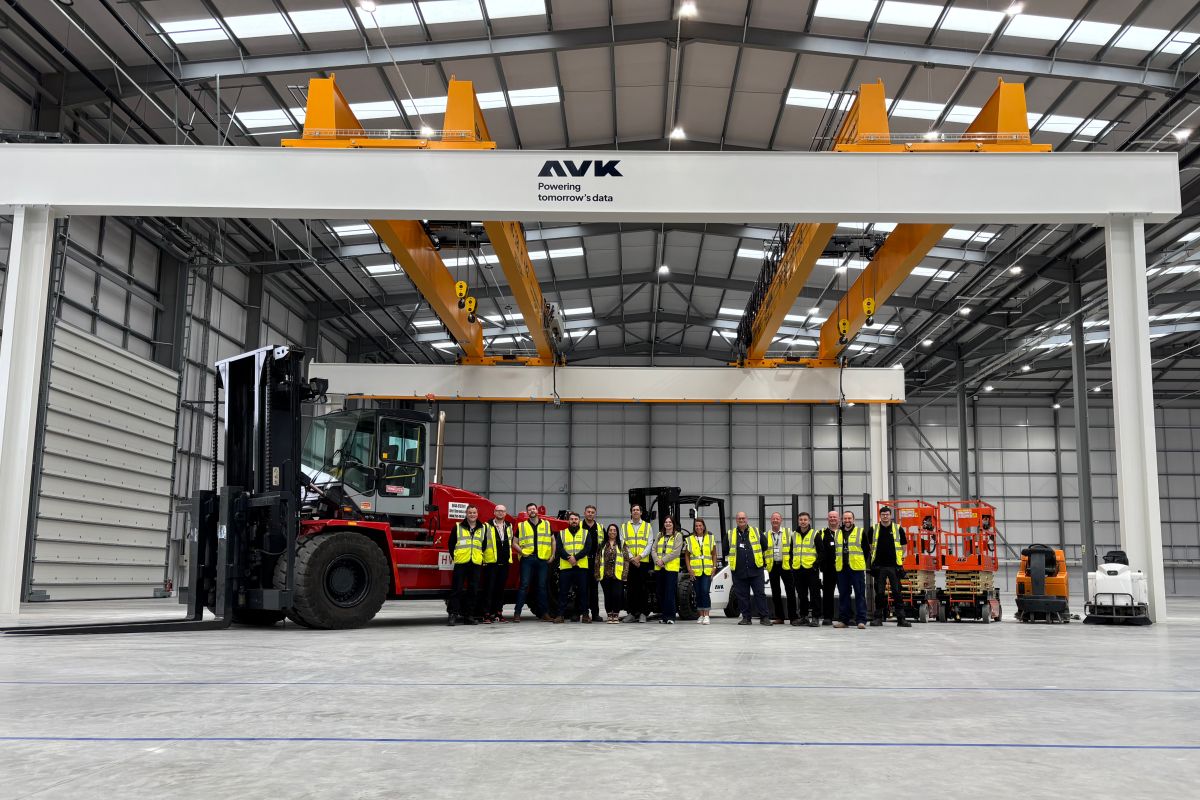
AVK, a UK provider of power systems and electrical infrastructure for data centres, has announced the appointment of Paul Hood as its new Chief Operating Officer (COO). He brings extensive experience from senior roles in the data centre sector, including positions at Yondr Group, Pure Data Centres Group, Barclays, and JP Morgan. Paul was formerly Managing Director and then COO of Yondr Group, and Global Operations Director and MD (Africa region) at Pure Data Centres Group. His career also includes 13 years at JP Morgan, where he oversaw the company’s entire data centre infrastructure across Europe, the Middle East, and Africa, managing an annual budget of $90 million (£67 million). Industry experience Paul’s background is rooted in systems and control engineering for building services, later expanding to building electrical systems management. He has also planned and administered multi-million-pound engineering budgets, conducted inspections in health, safety, and fire prevention, and co-founded the Universal Technical College network of STEM-focused schools. Ben Pritchard, CEO of AVK, comments, “I am genuinely excited about Paul joining our team. He has a superb engineering brain, he is a very logical thinker, and he has a real passion for working hard. Essentially, he believes in what he does. Paul doesn’t just bring vast global experience to AVK; he is a leader who has done it all.” Paul says, “I’ve known AVK for 30 years and I understand exactly where the company has come from and where it is going in this incredibly competitive industry. I am delighted to be working with some of the most committed infrastructure engineers in the world. I’m also known for investing in people, getting decisions done, and getting things over the line, and I’m truly excited about my forthcoming journey at AVK.” Future role at AVK Paul’s appointment comes as AVK pursues growth in integrated power infrastructure for data centres, including prime power, microgrids, standby, and modular energy systems. He is expected to play a key role in expanding service and maintenance operations, developing client relationships, and supporting long-term partnerships. For more from AVK, click here.

Powering data centres sustainably in an AI world
Data centres are getting bigger, denser, and more power-hungry than ever. Artificial intelligence's (AI) rapid emergence and growth only accelerates this process. However, AI could also be an enormously powerful tool to improve the energy efficiency of data centres, enabling them to operate far more sustainably than they do today. This creates a kind of AI energy infrastructure paradox, with Hitachi Energy posing the question: Is AI a friend or foe of data centres' sustainability? In its technical brief, the company explores: • The factors that are driving the rapid growth in data centre energy demand, • The steps taken to mitigate fast-growing power consumption trends, and • The role that AI could play in the future evolution of both data centre management and the clean energy transition. Register below to download the whitepaper now: [ninja_form id='4']


Translate »