Commercial Real Estate: Property Developments, Trends & Infrastructure


365, Aphorio Carter plan 200MW AI infrastructure expansion
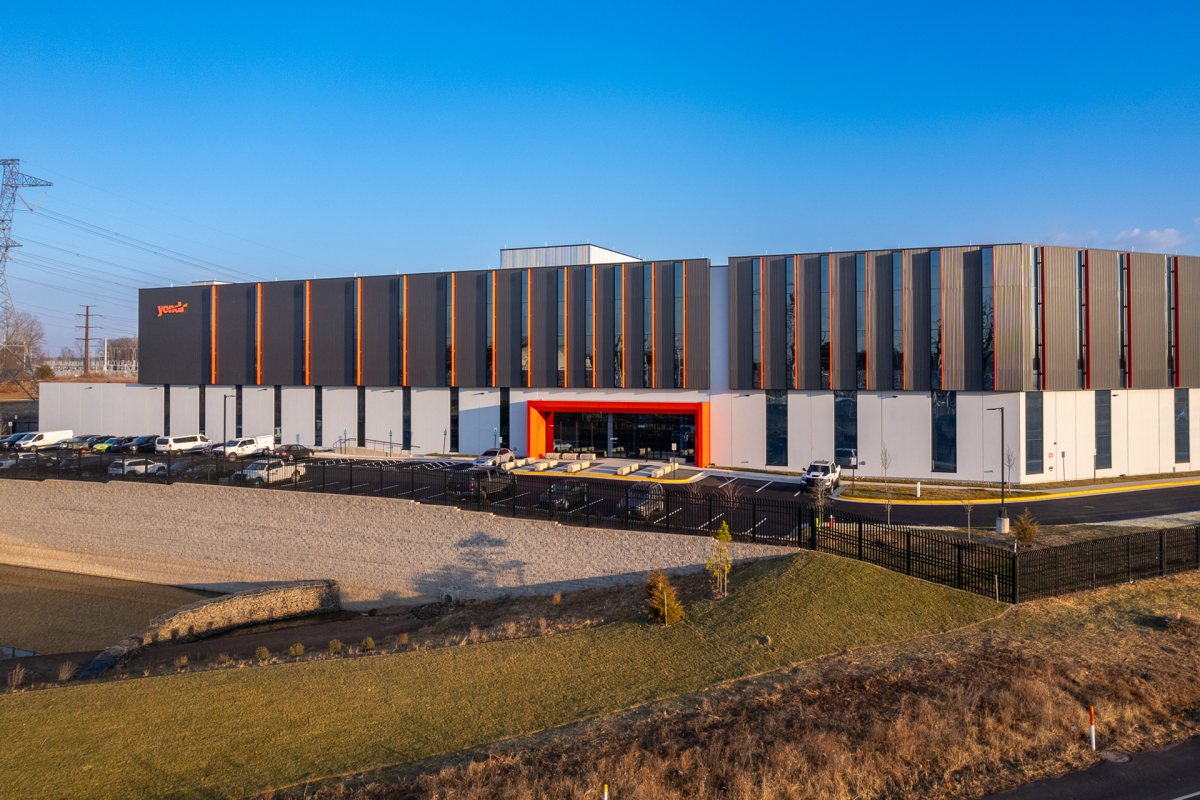
365 Data Centers, a provider of network-centric colocation, network, cloud, and other managed services, has partnered with Aphorio Carter, a Florida-based data centre real estate investment and asset management platform, to develop around 200MW of AI-ready data centre capacity across several US markets. The partnership will focus on identifying, converting, and developing high-density data centre facilities designed to support artificial intelligence and high-performance computing workloads. According to reports, 365 Data Centers is currently evaluating six sites and plans to act as the long-term operator for the facilities. Initial projects are expected to come online within the next nine to 24 months. Letters of intent have been initiated for sites in Aurora and Simpsonville, with further locations under consideration in Trumbull, Louisville, Harrisonburg, and Columbus. The facilities are being designed to support liquid-to-chip cooling infrastructure and cabinet densities ranging from 50kW to more than 200kW. AI workloads driving high-density data centre plans Derek Gillespie, CEO and CRO of 365 Data Centers, comments, “Through this partnership, we’re in an ideal position to create a new class of high-density infrastructure designed specifically for AI-era workloads. "Working with Aphorio Carter will allow us to create new value in existing assets while bringing new capacity online to support today’s demand.” The companies say the partnership combines Aphorio Carter’s real estate and redevelopment experience with 365 Data Centers’ operational capabilities to accelerate deployment timelines and improve infrastructure utilisation. John Regan, President and COO at Aphorio Carter, explains, “We’ve aligned the delivery of utility power with critical infrastructure, allowing us to provide scalable, high-density infrastructure where it’s needed most. "This is a great partnership, where we’ve got the real estate and the ability to supply the data centre infrastructure in line with available utility capacity, while 365 has a highly reliable O&M track record along with a healthy pipeline of customers.” Further information on site developments and timelines is expected as projects progress. For more from 365 Data Centers, click here.

Castleforge, Galaxy to expand £500m Redhill campus
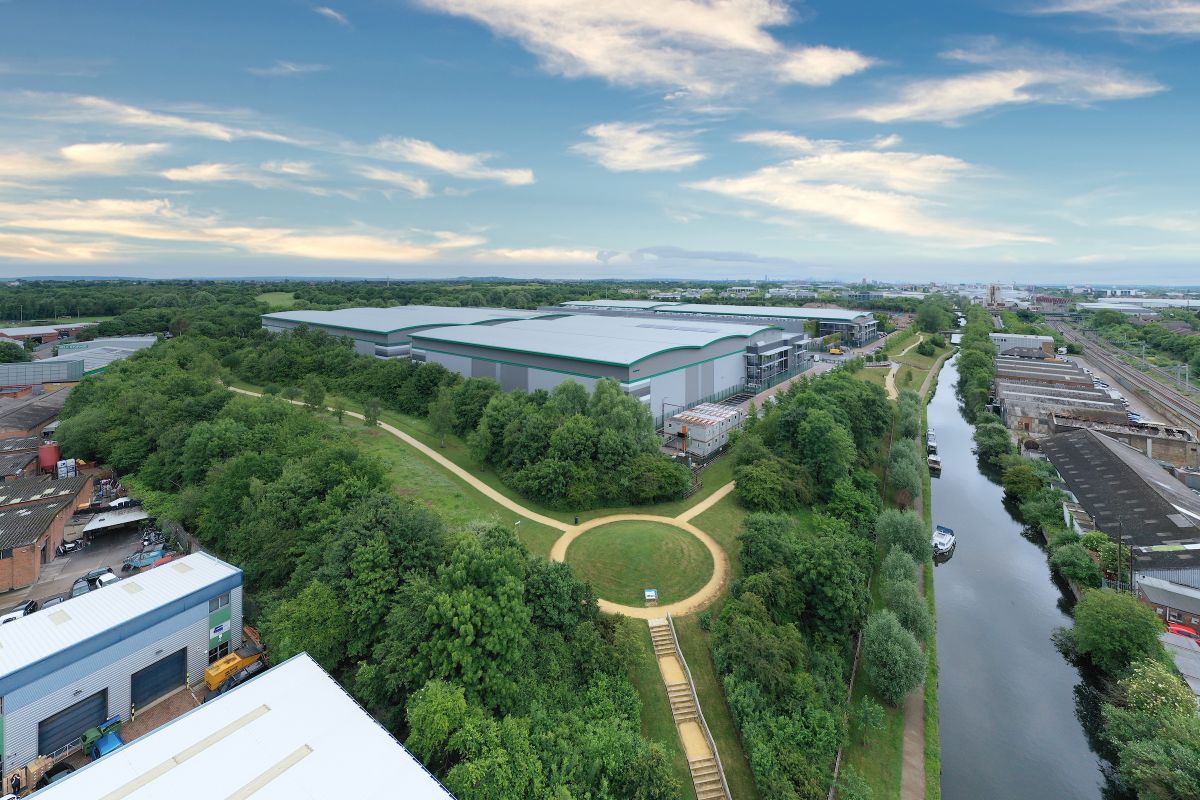
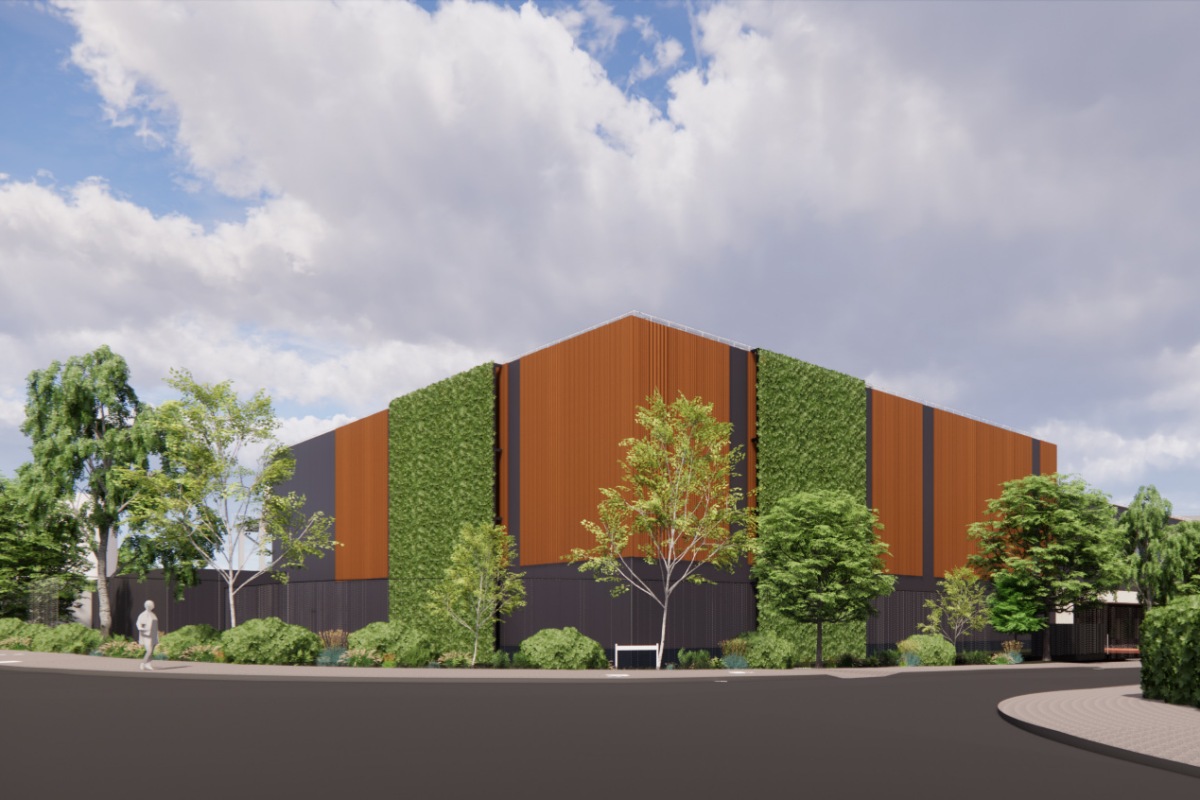
Real estate investor Castleforge and Galaxy Data Centers, a data centre operator and advisory firm, have secured planning consent to expand their Redhill data centre campus, situated near London, with a new 15MW facility set to be developed. Approved by Reigate & Banstead Borough Council, the project will add four data halls as part of a two-storey building on the existing site at Foxboro Business Park. The expansion forms part of a wider programme that could see total investment in the campus reach around £500 million. The Redhill site, located on a 3.1-hectare industrial estate, will also include an office building and is designed to support future growth in digital infrastructure capacity across the London market. The project follows a previous investment of more than £100 million in the campus in 2024, with a further £200 million expected as part of the next phase. A focus on low-carbon data centre development The new facility is designed to achieve a BREEAM ‘Very Good’ rating and will incorporate low- and zero-carbon technologies. Waste heat generated by the data centre will be reused on site, with infrastructure in place to enable future export to a nearby residential heat network. The expansion reflects continued demand for data centre capacity in and around London, driven by AI, cloud computing, and hybrid workloads. Limited power availability and planning constraints have made existing sites increasingly important for new development. Mike Adcock, Head of Investments at Castleforge, says, "Securing planning consent for our new development at Redhill is a major milestone in our plans to deliver high-quality, sustainable digital infrastructure to one of the world's most important data centre markets." Paul Leong, Chief Financial Officer and Partner at Galaxy Data Centers, adds, "This planning consent is a pivotal step in realising the long-term vision we set out when we acquired [the Redhill site] alongside Castleforge." The Redhill campus currently spans 11,800m² across three buildings and serves customers including enterprises in financial services and AI. The site benefits from access to renewable energy, low-latency connectivity to hubs such as Slough and London Docklands, and available space for further expansion. Construction timelines have not yet been confirmed, with further development milestones expected to be announced.

1547's Orangeburg data centre reaches full occupancy
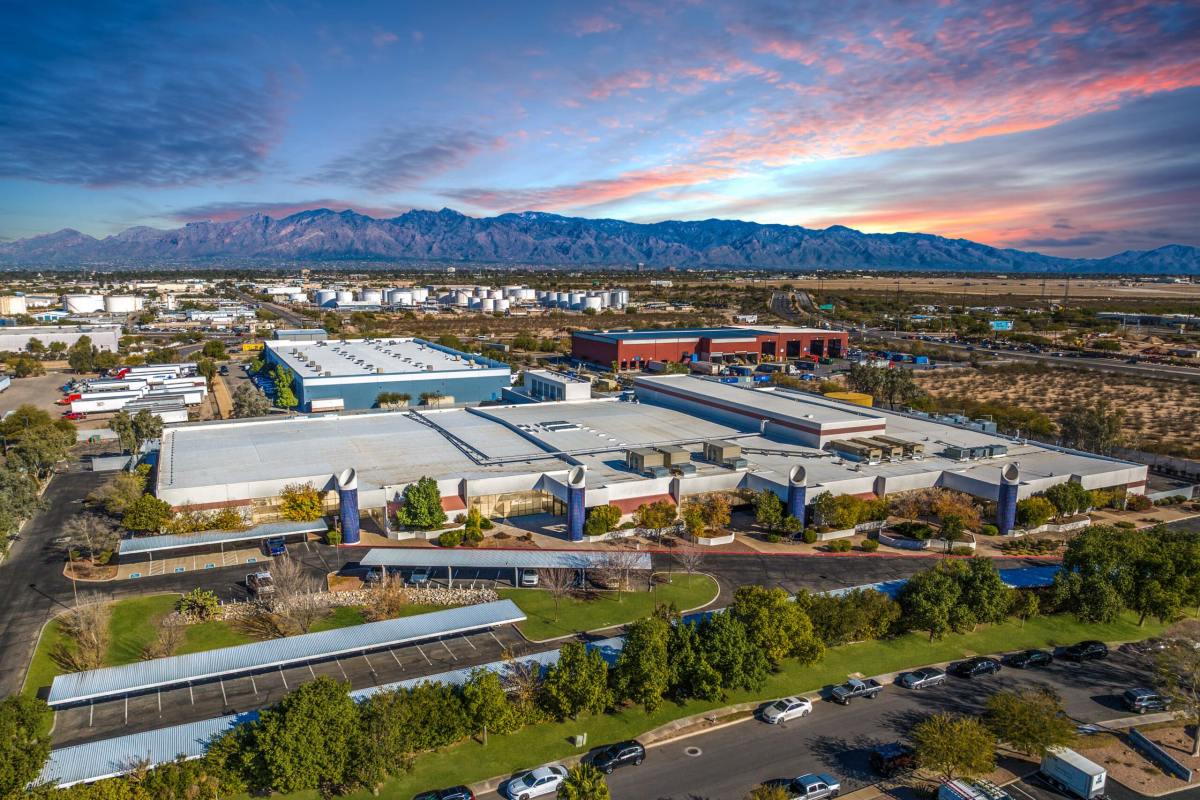
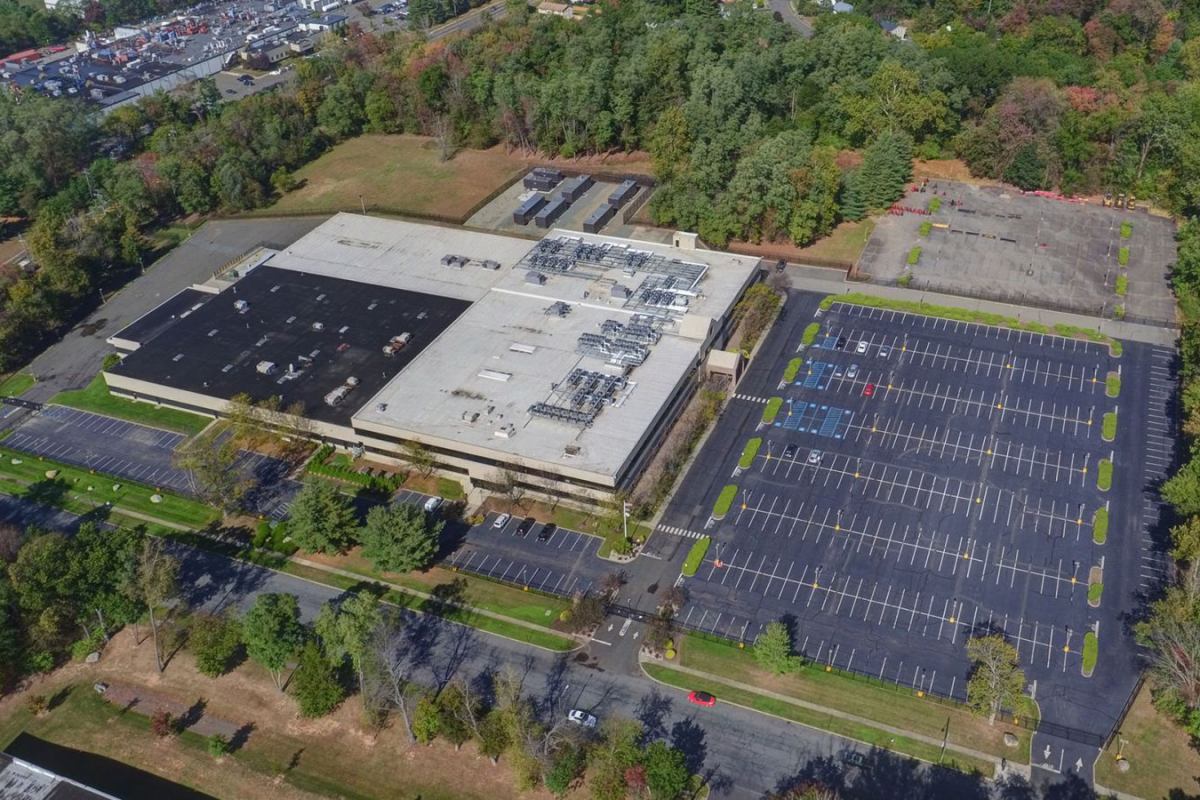
Harrison Street Asset Management and fifteenfortyseven Critical Systems Realty (1547), a developer and operator of interconnected data centres and carrier hotels across North America, have completed the latest expansion phase of their Orangeburg data centre in New York, with the facility now fully leased and operating at near-full utilisation. The colocation site, located around 18 miles (28.9 kilometres) north of Manhattan, provides capacity for tenants requiring proximity to New York City and access to established connectivity routes. Originally supporting 3.7 MW of IT load when acquired in 2021, the joint venture has since added approximately 14 MW of capacity while increasing density across the existing 232,000ft² (21,553m²) facility. A further 12MW utility feed is currently under development, with additional long-term expansion plans in place. The site has outline approval for a new 230,000ft² (21,367m²) building, supported by a planned 60MW on-site substation. Expansion driven by connectivity demand The Greater New York data centre market remains one of the largest in the US, supported by multiple terrestrial fibre routes and subsea cable landings along Long Island and New Jersey, enabling international connectivity, particularly with Europe. The Orangeburg facility now supports around 18 MW of IT load and has reached near-full utilisation following recent leasing activity. Demand is primarily driven by financial services organisations, including banks, trading platforms, and hedge funds, which require low-latency connectivity to Manhattan. Michael Hochanadel, Head of Digital Assets at Harrison Street Asset Management, comments, "The Orangeburg data centre exemplifies our approach to digital infrastructure investing, pairing strategic locations with disciplined demand-driven expansion." J Todd Raymond, Chief Executive Officer and Managing Director of 1547, adds, "From day one, our focus has been on delivering capacity in direct response to customer demand while maintaining the performance and reliability our clients depend on." Since 2018, Harrison Street Asset Management’s digital investment platform has committed more than $6.5 billion (£4.8 billion) to data centre and connectivity infrastructure, including powered shells, carrier hotels, colocation facilities, and dark fibre networks. For more from 1547, click here.

Report finds what's slowing down DC planning permission
A new report by Hoare Lea, a UK engineering consultancy, has found that data centre planning applications in the United Kingdom are being delayed by an average of 490 days, driven largely by objections related to inadequate community engagement, unclear community benefits, design, infrastructure constraints, and energy use. Hoare Lea’s Societal Insights team analysed 33 disputed applications to understand the underlying reasons for rejection and delay. Rejections frequently cited policy non-compliance, unsuitable locations, and insufficient energy strategies. These findings identify the tension between the growing demand for data centres in the UK - infrastructure that is supported by the Government’s AI Growth Zones - and the realities of navigating the planning system. Carl Walker, Head of Societal Insights at Hoare Lea, comments, “Success will be judged not only by new infrastructure, but also by the skills, growth, and opportunities delivered to local communities, [whose needs] must be recognised in the planning process.” Ambitions to build data centres in the UK already face significant challenges. Electricity grid capacity is already under strain, particularly in London and the M4 corridor, where data centres have delayed housing developments. Concerns also exist around environmental impacts, green belt land, and controversial government interventions overriding local planning decisions. The report findings underscore the need for integrated approaches that combine renewable energy planning, transparent governance, and meaningful community dividends. It suggests that by engaging communities early, supporting local skills and infrastructure, and embedding social and environmental value, data centres can become catalysts for sustainable local growth rather than sources of conflict. To view the full report, click here.

'Gen Z don’t want data centres in their backyard'
New polling conducted by YouGov, a UK international market research and data analytics company, on behalf of Cavendish Consulting, a UK communications consultancy, reveals that while the UK public broadly supports the expansion of data centres, younger generations are significantly less comfortable with them on their doorstep. Just 44% of Gen Z say they would support a new data centre in their local area - the lowest level of support of any generation - while 31% would actively oppose one. By contrast, Gen Z opposition to data centres nationally stands at just 13%, highlighting that proximity is a key issue. The survey of 2,124 UK adults aged over 18 shows strong backing for the sector overall. Some 69% of Brits support new data centres across the UK. However, support falls to 56% when developments are proposed locally, with opposition more than doubling from 10% nationally to 21% in respondents’ own areas. The findings come as the UK Government plans a major expansion of data centre capacity to bolster the country’s position as a global hub for AI innovation and to unlock significant productivity gains. Capacity is expected to increase from 1.6GW in 2024 to between 3.3GW and 6.3GW by 2030. Jobs drive support, but expectations may outpace reality Employment is the sector’s strongest argument at community level. Nearly half (49%) of respondents say new local jobs would make them more likely to support a data centre, rising to 58% among those already supportive. However, the UK’s 450 data centres currently support around 24,300 full-time roles - an average of 54 per site - suggesting public expectations for job creation may exceed the sector’s current footprint. Environment remains the key battleground Environmental concerns dominate opposition, cited by 39% of respondents (particularly among younger audiences). Across generations, the main reasons for opposing local data centres are: impact on the local environment, pressure on energy supply, and water usage (with water being especially important for Gen Z). Notably, only 22% of Gen Z who oppose or are undecided say investment in green space would change their view, and a quarter of opponents say nothing would persuade them to support a local data centre. With the increasing presence of the Green Party, especially at local government level, environmental factors are predicted to become even more influential. Recent YouGov polling conducted by Cavendish Consulting (22–23 Feb 2026) shows 46% of young people would now vote Green, highlighting the political dimension of environmental concern. The top reasons that could sway Gen Z to support local data centres are new jobs (45%) and lower energy bills (37%). Max Camplin, Executive Director at Cavendish Consulting, comments, “While national support for data centres is strong, local backing depends on credibility. "Environmental impact is the top driver of opposition, particularly among younger audiences who prioritise ecological protection over economic benefits. The sector must address this head on, countering misconceptions and clearly demonstrating how impacts are prevented. Above all, developers should speak the language of each community, tailoring messages to local priorities and political context, with environmental responsibility running as a golden thread throughout.”

Data centre land platform, TEA Real Estate, launched
A new specialist real estate platform, TEA Real Estate, has been formed with a focus on identifying and preparing land for data centre development across the UK and Europe. The company aims to secure and prepare sites suitable for digital infrastructure as demand grows from hyperscalers, operators, and institutional investors. Founded by Gary Goodman, John Clarke, and Paul Boyfield, the business focuses on sites where planning, utilities, and environmental challenges must be addressed before development can begin. It will work across the UK and selected European markets, preparing land for potential data centre projects. The team also includes Duncan Clubb, Associate Partner, who has experience advising on mission-critical data centre and enterprise infrastructure. Focus on brownfield and constrained sites TEA Real Estate says it focuses on progressing constrained or underused land, including brownfield and redundant industrial sites, through planning, environmental, and infrastructure processes so that development can move forward. Sites with existing grid connections are increasingly important as power availability becomes a key constraint on data centre growth. The company says it already has visibility of a pipeline of potential opportunities across the UK and Europe, ranging from smaller edge facilities to large campus-scale developments. It may operate either as an advisor or as a development partner, depending on project requirements. John Clarke, Partner at TEA Real Estate, notes, “There is no shortage of capital and demand for data centres, but there is a real shortage of viable, deliverable land. TEA Real Estate exists to bridge that gap - doing the hard development work upfront to turn complex sites into opportunities that investors and operators can move on with confidence.” Gary Goodman, Partner, adds, “Planning, power, and environmental risk are now the defining constraints on data centre growth. Our focus is on de-risking sites properly - from contaminated land and remediation through to planning strategy and stakeholder management - so that development can progress with greater certainty and pace.” Paul Boyfield, Partner, comments, “AI presents one of the biggest economic opportunities for UK plc in a generation, but it also brings significant challenges around infrastructure, energy, and planning. "If the UK is to remain competitive, we need to move faster in enabling the physical foundations that AI depends on. TEA Real Estate is focused on helping unlock that growth by making complex sites viable and investable.” TEA Real Estate says it will work with data centre operators seeking land for development, institutional investors and infrastructure funds looking for access to development-ready sites, and major landowners seeking to repurpose redundant estates. Associate Partner Duncan Clubb concludes, “Operators want locations that work technically as well as commercially. TEA Real Estate understands the operational realities of mission-critical infrastructure and aligns land, power, and planning strategy with how data centres are actually designed, built, and run.”

CPP Investments, Equinix to acquire atNorth
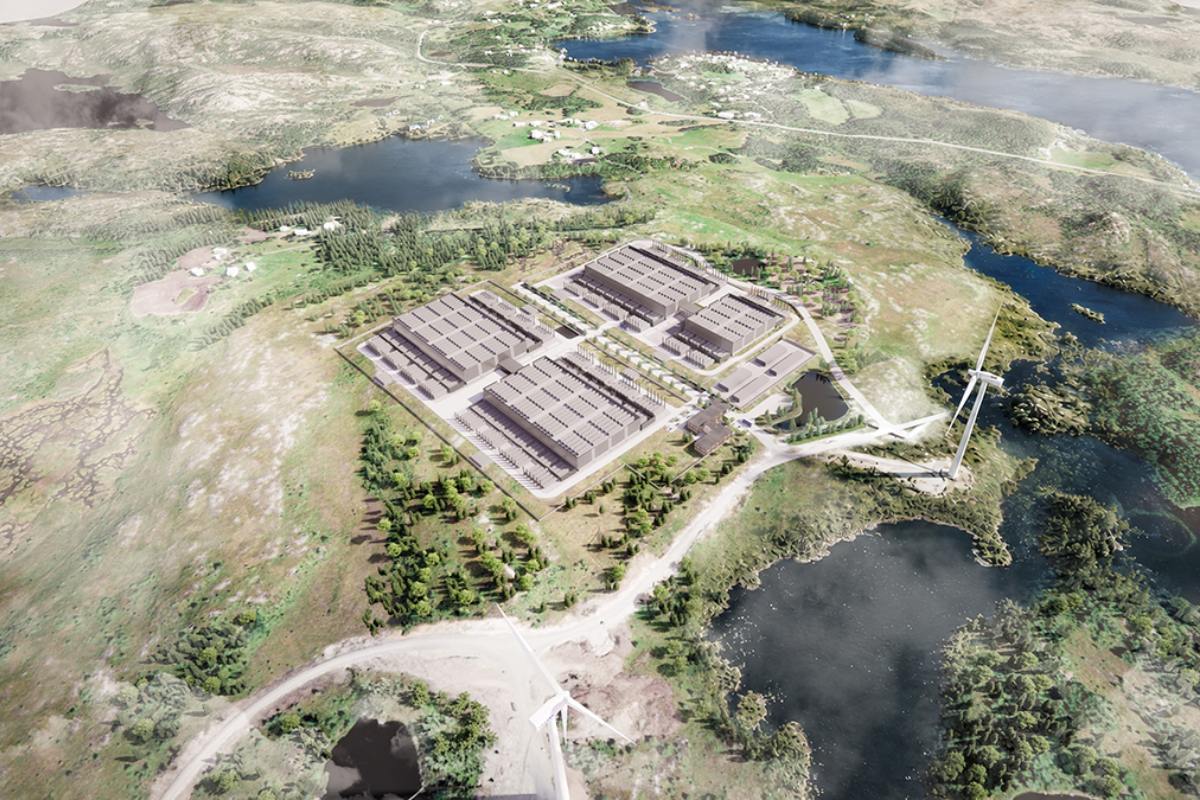
Canada Pension Plan Investment Board (CPP Investments), a Canadian pension fund manager, and Equinix, a US global data centre and interconnection services provider, have agreed to acquire Nordic data centre operator atNorth from Partners Group in a $4 billion (£2.9 billion) enterprise value transaction. The deal is subject to customary closing conditions, including regulatory approvals. CPP Investments will invest approximately $1.6 billion (£1.18 billion) for a 60% controlling interest, while Equinix will hold a 40% stake. The companies have also provisionally agreed a $4.2 billion (£3.1 billion) financing package, underwritten by European and Canadian lenders, to fund the acquisition and future expansion. atNorth currently operates eight data centres across Denmark, Finland, Iceland, Norway, and Sweden, with additional sites under development. The company has around 800MW in its installed and active development pipeline due online over the next five years, alongside 1GW of secured power for further expansion. Nordic data centre expansion plans Several atNorth facilities are designed to support AI and high-performance computing workloads, including liquid cooling capability. The portfolio incorporates renewable energy sourcing, heat reuse, and modular design principles. Equinix currently operates eight data centres in the Nordics, five in Helsinki and three in Stockholm, as part of a wider European footprint of more than 100 facilities across 20 countries. Eyjólfur Magnús Kristinsson, CEO of atNorth, says, “This acquisition is a powerful validation of atNorth’s journey and its market position as the leading Nordics data centre platform. It further illustrates the strategic importance of the region as Europe’s rising AI powerhouse. "I’m extremely proud to announce the next step in our chapter, welcoming this investment from CPP Investments and Equinix, which will enable access to capital, global enterprise, and hyperscale relationships, and supply chain strength required to scale at pace. "Our strategy remains firmly rooted in the Nordics, and we will continue to operate independently under the atNorth brand, preserving our dedication to the communities where we operate and the culture and values that have defined our success to date.” Maximilian Biagosch, Senior Managing Director & Global Head of Real Assets at CPP Investments, comments, “This transaction builds on our long-standing and highly productive relationship with Equinix. It demonstrates our conviction and commitment to the data centre sector, where demand continues to accelerate, fuelled by continued strong enterprise demand as well as cloud and AI adoption. "The Nordics are an attractive market for data centre growth, and the opportunity to partner with Equinix on this acquisition allows us to deploy capital at scale into a high-quality platform, helping us deliver attractive, risk-adjusted returns for CPP contributors and beneficiaries.” Bruce Owen, President, EMEA at Equinix, adds, “The scalable sites of atNorth are very complementary to Equinix’s connectivity services and global footprint. Combined with our joint focus on sustainability, this acquisition is expected to enhance our ability to help customers unlock the full potential of the Nordics’ expanding digital landscape." For more from Equinix, click here.

New hyperscaler capacity to outpace colocation in Europe
Data centre capacity owned and operated exclusively by hyperscalers, also known as 'self-builds', in Europe is expected to outpace the growth of colocation supply in 2026, according to new research from real estate services company CBRE. The latest research shows that hyperscaler self-build capacity across Europe is expected to reach 4.2GW this year, representing 24% year-on-year growth compared to 2025. This new supply will be delivered across nine European countries, marking the seventeenth consecutive year of double-digit expansion for the segment. Hyperscalers are set to deliver a record level of self-build capacity this year as they expand cloud regions and support increasing volumes of equipment dedicated to artificial intelligence workloads. As of Q4 2025, approximately 60% of Europe's operational hyperscaler self-build capacity is located in Ireland, the Netherlands, Sweden, and Belgium. By comparison, the top 15 European colocation data centre markets are expected to grow 19% year-on-year. Despite slower growth relative to new hyperscaler self-builds, the European colocation segment will remain significantly larger. Strong demand endures CBRE notes that demand for colocation facilities remains robust across Europe. Hyperscalers and neocloud providers continue to rely on developer-operators for rapid delivery, flexible design options, and the ability to secure capacity on shorter timelines. Andrew Jay, Head of Data Centre Solutions, Europe at CBRE, says, "The hyperscaler self-build segment is growing as hyperscalers are looking to build facilities at scale and control more of the supply chain, the design of the facility, and ensure they have the power necessary." Kevin Restivo, Director, European Data Centre Research at CBRE, adds, "Traditionally, the fastest route to market for hyperscalers in need of data centre capacity delivered are the developer-operators. We expect this to remain true for the foreseeable future. Hyperscalers will, in some instances, build their own facilities though." For more from CBRE, click here.

Pulsant opens high-density UK facility outside London
UK data centre operator Pulsant has completed a £10 million investment in a new high-density data hall at its Milton Keynes site, SE-1. The facility has been developed to support increased demand for artificial intelligence and advanced computing workloads, with the expansion forming part of Pulsant’s national platformEDGE framework, extending high-performance, UK-based infrastructure outside the London market. The 1.2MW expansion is designed for high-density computing applications, including AI, machine learning, and accelerated workloads. These use cases are commonly associated with sectors such as financial services, healthcare, biotechnology, IT, and gaming. Regional capacity beyond the London market Pulsant positions the Milton Keynes site as an alternative location for organisations seeking UK data centre capacity outside London. The site sits within the Oxford-Cambridge technology cluster, which is home to around 570,000 employees and generates approximately £135 billion in annual turnover. The facility offers latency of around two milliseconds to London Docklands and Slough. It forms part of Pulsant’s network of 14 UK data centres, interconnected via a 400Gb-capable network, providing access to more than 1,600 cloud services, network providers, and business partners. The launch follows increased focus on domestic digital infrastructure, including government funding aimed at strengthening UK AI capability. Milton Keynes has continued to attract technology businesses, supported by regional business networks and digital innovation activity. Rob Coupland, CEO at Pulsant, says, “The £10 million expansion of our Milton Keynes data centre is another big investment in our digital platform to meet hunger for high density compute power. "UK digital infrastructure is facing unprecedented demand. With AI-ready capacity in short supply, bringing high performance, flexibility, and choice to regional locations is critical. “For organisations looking for ultra-low latency, international connectivity, and UK sovereign compute power, Milton Keynes is a great option compared to constrained and costly London data centres which lack the opportunity for expansion. “Our unique platform gives local, national, and international clients the flexibility to circumvent some of the risks associated with the London cluster while maintaining high performance, resilience, and connectivity.” Pulsant states that it plans to roll out its high-density model to additional UK regions as part of its wider national infrastructure strategy. For more from Pulsant, click here.

nLighten expands footprint through Paris site acquisition
nLighten, a European data centre operator, has announced the acquisition of a data centre in Émerainville, Paris from oXya, a provider of SAP cloud services and managed IT infrastructure. The facility becomes nLighten's eighth site in France and adds to its portfolio of over 30 data centres in seven markets. Strategically located in Paris's eastern data centre cluster, approximately one kilometre from nLighten's existing PAR1 facility, the site will continue serving anchor customer oXya under a long-term master services agreement, while additional capacity will be made available to enterprise customers via channel partners. The facility is designed to support high-density and AI-ready configurations, providing scalable infrastructure that evolves with customer requirements. nLighten says its approach emphasises delivering sustainable, interconnected infrastructure tailored to enterprise needs, with "seamless connectivity between [its] sites." Expanding digital infrastructure Harro Beusker, CEO and co-founder of nLighten, comments, "The acquisition of this Paris data centre represents a significant expansion of our French footprint and strengthens our position in one of Europe's most dynamic digital infrastructure markets. "Paris is a critical hub for regional connectivity and this facility enables us to deliver enhanced capacity and resilience to our enterprise customers. The proximity to our existing Paris sites creates operational synergies while also allowing us to support dual-site deployments. "This acquisition exemplifies our strategy of building smart, sustainable infrastructure that scales with customer needs and contributes to the digital transformation of European businesses." Anwar Saliba, Managing Director at nLighten France, adds, “This acquisition fully aligns with our ambition to build a distributed, locally operated digital infrastructure across France. "By adding capacity in the Paris region through three interconnected sites, we provide our customers with the conditions needed to deploy more resilient architectures, better secure their data, and meet growing requirements in terms of performance, service continuity, and digital sovereignty." Christophe Bronner, Group Chief Financial Officer at oXya, states, "We are pleased to see this data centre continue its evolution thanks to the partnership with nLighten. "This transition allows oXya to focus on its core business of delivering managed cloud services and consulting to our customers, while ensuring continuity and enhanced capabilities for our infrastructure needs. "We believe nLighten's expertise and commitment to sustainable operations will benefit both our organisation and the broader customer community.” For more from nLighten, click here.


Translate »