Data Centre Business News and Industry Trends

Inspired, VIRTUS sign wind-powered tri-party CPPA
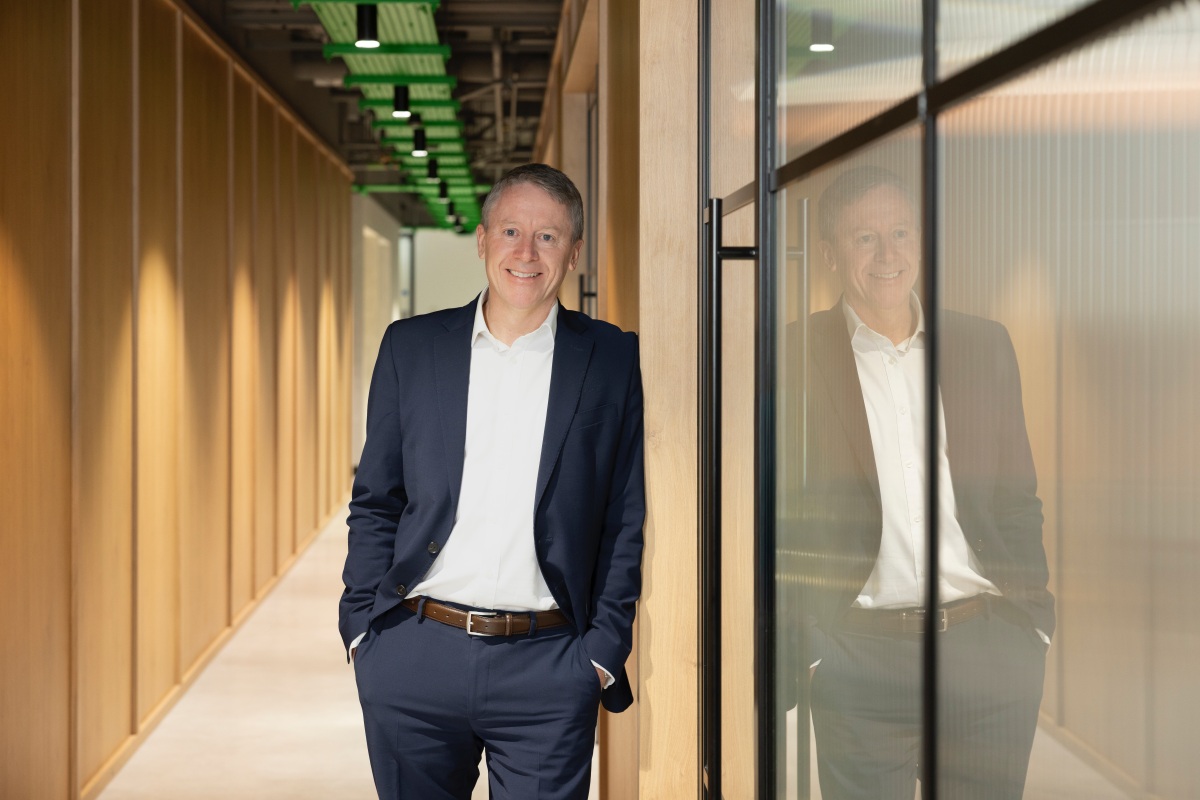
Inspired, a UK commercial energy and sustainability advisory firm, has announced the signing of a tri-party corporate power purchase agreement (CPPA) with VIRTUS Data Centres, a UK data centre provider, and Lynn and Inner Dowsing (LID) windfarms. VIRTUS has subscribed to a combined power purchase agreement (PPA) totalling 31MW of wind power, representing 16% of the total generation from Lynn and Inner Dowsing (LID) offshore windfarms, with a commencement date of 1 October 2025. This agreement seeks to ensure a long-term supply of renewable energy. The agreement A CPPA is a long-term energy contract between a corporate customer and a renewable power generator/developer. They are becoming an increasingly popular choice for companies wanting to reach net zero as they offer up to 100% renewable power. Having a CPPA means the energy businesses use can be traced back to a specific renewable energy project, such as a wind or solar farm, which feeds an equivalent amount of power into the grid. David Cockshott, Chief Commercial Officer at Inspired, says, “Inspired has been proud to partner with VIRTUS as their dedicated energy consultant. We are excited to continue supporting their sustainable journey and to commence this tri-party agreement, which allows renewable power to flow directly to their data centres.” Helen Kinsman, SVP Commercial and Regulatory Affairs at VIRTUS, adds, “As an energy intensive user, we know it’s our responsibility to minimise the environmental impact from all our data centre facilities. Hence, since going live with our first site in 2011, we have been procuring power from 100% renewable sources. "We are committed to delivering reliable, resilient, and responsible digital infrastructure to our customers and operate the gold standard in sustainable data centres in the UK and Europe.” The renewable power will be delivered by Lynn and Inner Dowsing (LID) offshore windfarms, owned by funds managed by Macquarie Asset Management. Macquarie Asset Management is supported by XceCo, a UK asset management company specialising in the full project life cycle of renewable energy ventures. The offshore wind farms are located 5km off the east coast of England, by the town of Skegness in Lincolnshire. Bailey Bradley, Managing Director and co-founder XceCo, comments, “The successful delivery of this CPPA for one of our offshore wind farm assets under management stands as a testament to the exceptional collaboration between XceCo and all stakeholders involved in delivering this transaction. "The commercial complexities involved in delivering this CPPA have proven to be a great experience. Through painstaking efforts, continuous multi-party engagements, a shared vision, and unwavering commitment, we turned a complex challenge into a powerful achievement, generating success together." Inspired also provide a variety of additional services to VIRTUS as their dedicated energy and sustainability consultant. For more from VIRTUS, click here.

NorthC completes acquisition of six Colt data centres
NorthC, a Dutch provider of sustainable data centre and colocation services, has finalised the acquisition of six data centres from multinational telecommunications company Colt Technology Services, taking over operations on 1 September 2025. The sites are located in Frankfurt, Berlin, Hamburg, Munich, and Düsseldorf in Germany, and in Amsterdam in the Netherlands. The acquisition adds more than 25MW of capacity to NorthC’s platform and expands its presence in both the Benelux and DACH regions. In Germany, the deal increases the company’s footprint to seven data centres in total, while simultaneously boosting capacity in Amsterdam, a key connectivity hub. Expansion in Germany and the Netherlands NorthC says it plans to invest further in the newly acquired sites to expand capacity and improve efficiency and sustainability. The sites will be integrated into the company’s platform and aligned with its operational and service standards. Customers will also gain access to NorthC’s digital services, including the MyNorthC self-service portal. Alexandra Schless, CEO of NorthC Group, comments, “Today marks a major milestone in NorthC’s mission to build the premier regional data centre platform in Northwestern Europe. The integration of these six strategic sites accelerates our expansion, particularly in Germany, enabling us to support customers across all major metropolitan regions with scalable, secure, and sustainable digital infrastructure.” Customers and continuity Colt Technology Services will remain a long-term customer at the acquired facilities, which NorthC says will ensure continuity of service. The company adds that the new sites are in regions with strong connectivity and growing demand for digital infrastructure, allowing it to better serve enterprises, cloud and IT providers, and public sector organisations with cross-border operations. For more from NorthC, click here.

Data centre boom demands predictive maintenance shift
As the data centre sector undergoes rapid expansion, operators are being urged to adopt condition-based monitoring and predictive maintenance strategies in facilities. The callout comes from Arfon Engineering, after a BBC report suggested that the number of data centres in the UK is set to increase by almost 20%. With the majority due to be built in the next five years, 66% of operators are also planning to retrofit at least a quarter of their existing estate within the same timeframe. Designated as critical national infrastructure, data centres are central to the UK’s economic future. To ensure 99.999% uptime and optimal energy efficiency, Arfon has encouraged the shift from reactive to predictive maintenance by adopting condition-based monitoring (CBM). Using real-time data from sensors and monitoring systems to assess equipment health, CBM forecasts potential failures well in advance. This enables informed and proactive maintenance decisions before the point of costly downtime, eliminating unnecessary interventions and extending asset life in the process. Alice Oakes, Service and Support Manager at Arfon, says, “As data centres become more complex and energy-intensive, the transition to predictive maintenance has never been more important. Outages can cost thousands per minute, and the consequences often stretch from financial to reputational damage. “Predictive maintenance is more cost-effective and environmentally responsible than traditional reactive or preventative approaches. This presents decision-makers with the chance to produce less waste from prematurely replaced components, benefit from greater energy efficiency of assets, and significantly extend the lifespan of mission-critical assets, such as cooling systems and power supplies.” Reducing the frequency of unnecessary part replacements contributes to lower carbon emissions and reduced energy consumption, both of which are key goals for a sector under scrutiny for its environmental impact. With tens of billions set to be invested in UK data centres over the coming years, CBM also plays an important role in preventing significant financial losses caused by unplanned outages. Earlier this year, more than half (54%) of respondents to Uptime Intelligence’s annual survey reported their most recent significant outage to have cost more than $100,000. Alice continues, “By integrating predictive maintenance strategies into both new build and retrofit facilities, operators can create smarter data centres that adapt to real-time conditions. We encourage businesses to view it as a strategic investment from the outset in maintaining uptime and resilience.”

Digital Realty breaks ground in Rome
Digital Realty, a provider of carrier-neutral data centre, colocation, and interconnection systems, today announced it has broken ground on its first data centre in Rome, aiming to strengthen its position in delivering PlatformDIGITAL, a connected data centre platform, across the Mediterranean region. The new facility, ROM1, is intended to be a highly connected, carrier-neutral data centre, designed to support the latest AI technologies and provide access to a broad ecosystem of global and regional connectivity providers. ROM1 will also be equipped with the capacity to support and interconnect with multiple subsea cable systems, promising to position the site as a strategic hub and gateway linking Europe, Africa, the Middle East, and Asia. Strategically located within 15 kilometres of the coast, ROM1 will offer over 3MW of installed IT capacity upon completion, with future expansion under consideration across the 22-hectare site – equivalent to approximately 2.3 million ft² or around 213,677 m² – making it one of the largest data centre campuses in the country when fully built out. "Rome is not only a key economic hub in Southern Europe, but also a critical entry point to the broader Mediterranean – a region that is fast emerging as a vital gateway for global connectivity," sats Alessandro Talotta, Managing Director, Digital Realty in Italy. "ROM1 represents a major milestone in our strategy to build out a dense network of highly connected, sustainable data centre hubs across key growth markets, enabling our customers to scale their digital infrastructure and reach across Europe, the Middle East, and beyond.” ROM1 will complement Digital Realty’s existing presence in other Mediterranean locations including Athens, Marseille, Zagreb, and the recently launched HER1 facility in Crete. It also precedes the forthcoming planned development of a new interconnection hub in Barcelona as part of the company’s expansion across Europe’s southern edge. According to Digital Realty, ROM1 is expected to contribute to faster, more resilient connectivity across Southern Europe and could significantly reduce latency between northern and southern Italy, bolstering the country’s competitiveness on the global stage. In line with the company's global sustainability strategy, ROM1 will be matched with 100% renewable energy, supporting the data centre provider's goal to minimise environmental impact while meeting growing demand for digital infrastructure. The ROM1 data centre is currently on schedule to be completed in 2027 and marks the first phase of a larger campus. For more from Digital Realty, click here.

AirTrunk secures A$16bn sustainability-linked financing
Hyperscale data centre operator AirTrunk has completed a A$16 billion (£7.6 billion) refinancing package (excluding Japan), which it says is the largest sustainability-linked financing in the Asia-Pacific and Japan region to date. The multi-transaction deal covers both new and operational assets in Australia, Hong Kong, Malaysia, and Singapore. AirTrunk first introduced a sustainability-linked loan (SLL) in 2021 worth A$2.1 billion (£1 billion), which increased to A$4.6 billion (£2.2 billion) in 2023. The new refinancing brings the company’s total debt financing platform to more than A$18 billion (£8.6 billion), including its facilities in Japan. Over 60 banks and financiers participated in the latest package. Structure and sustainability targets The refinancing comprises four separate sustainability-linked transactions structured as either green loans or SLLs. AirTrunk has set targets across energy and water efficiency, renewable energy uptake, and gender pay equity. The company has stated its goal is to reach net-zero emissions by 2030. All margin incentives from the financing will be directed into AirTrunk’s social impact fund, which will grow over the course of the loans. The fund supports initiatives including disaster relief, STEM education, equal digital access, biodiversity projects, and sustainable innovation. AirTrunk says it is the first known corporate to embed disaster relief into its financing structure. In Singapore, a S$2.25 billion (£1.29 billion) green loan will fund the development of AirTrunk SGP2 in Loyang and is described as Singapore’s largest green loan for a data centre. In Melbourne, the company has arranged what it calls the largest green loan in the region and the first globally to include margin adjustments linked to a social impact programme. Robin Khuda, Founder and Chief Executive Officer of AirTrunk, comments, “Following AirTrunk’s A$24 billion-plus (£11.5 billion) acquisition by Blackstone and CPPIB in 2024, we have expanded our debt financing platform to enable rapid growth across the region. "By linking all A$18 billion (£8.6 billion) of our financing to sustainability, we demonstrate our long-term commitment to scale responsibly, building essential digital infrastructure to power the digital economy, while delivering lasting positive environmental and social impact.” Luke Stephens, Vice President and Treasurer at AirTrunk, adds, “This A$16 billion-plus (£7.6 billion) refinancing is a major milestone in AirTrunk’s sustainable finance journey, driving both innovation and transparency. "From leading the industry with the first SLL in 2021 to today’s multi-transaction structure, we’ve consistently pushed boundaries to drive responsible growth and create meaningful social value.” For more from AirTrunk, click here.

DC automation market to surpass $50.2bn by 2034
As reported in the latest study by Global Market Insights, a market research and consulting company, the data centre automation market is set to grow from its current market value of more than $11.4 billion (£8.47 billion) to over $50.2 billion (£37.3 billion) by 2034. This remarkable growth is driven by the rising adoption of cloud services, social media platforms, video streaming, and the proliferation of IoT devices across industries. What's happening in the market? As organisations shift towards cloud-based infrastructure and digital storage, the need for efficient and automated data centre operations has become paramount. Automation not only improves operational efficiency but also reduces human errors, ensuring seamless management of vast amounts of data. With increasing data complexity and volume, businesses are turning to advanced technologies like machine learning (ML), artificial intelligence (AI), and cloud computing to enhance scalability and performance. These technologies optimise system processes, minimise downtime, and support predictive maintenance, allowing companies to stay competitive in a rapidly evolving digital landscape. Moreover, the growing emphasis on cybersecurity and data protection is pushing organisations to implement automation in data centres, ensuring real-time threat detection and secure data handling. As more industries adopt hybrid and multi-cloud environments, the demand for data centre automation solutions is expected to surge, paving the way for innovative advancements in automation technologies. Government initiatives promoting the adoption of digital infrastructure and cloud technologies further strengthen the market, making data centre automation a critical component of modern business strategies. The data centre automation market is primarily segmented into solutions and services. The solution segment dominated the market with a 60% share, generating $7 billion (£5.2 billion) in 2024. Automation software helps organisations optimise resource allocation, automate routine tasks, and increase the uptime of data centres, ensuring seamless operations. As businesses strive to enhance operational efficiency, the demand for advanced solutions that enable real-time data management and workload automation continues to rise. Meanwhile, the service segment is growing rapidly as organisations seek expert guidance and ongoing support in implementing and maintaining automated systems. As technological advancements accelerate, companies rely on expert insights and strategic consulting to maximise the value of their automation investments and ensure long-term success. In terms of deployment mode, the data centre automation market is divided into on-premises and cloud-based solutions. The cloud segment held a 57% share in 2024, driven by the growing preference for remote accessibility, security features, and flexibility. Cloud solutions enable seamless access to data from any location through an internet connection, making them ideal for remote teams and individuals working across multiple devices. With data security becoming a top priority, cloud providers are enhancing their security measures by offering encryption, multi-factor authentication, and real-time threat monitoring to protect sensitive information. The North American data centre automation market accounted for 35% of the total market share, generating $3 billion (£2.2 billion) in 2024. The rapid adoption of AI, ML, and other advanced technologies across data centres in North America is driving significant growth in the region. Businesses are increasingly turning to AI-driven automation to enhance operational efficiency, strengthen security, and enable predictive maintenance, contributing to the surging demand for data centre automation solutions.

DC BLOX recognised on Inc. 5000 list for fifth year
DC BLOX, a provider of connected data centres and fibre networks, has been named to the Inc. 5000 list of fastest-growing private companies in the United States for the fifth consecutive year. The ranking reflects the company’s revenue growth between 2021 and 2024. Headquartered in the Southeastern United States, DC BLOX operates connected data centres and fibre networks across the region. Its recent projects include the completion of new fibre routes, plans to develop hyperscale edge node data centres, and ongoing work on its Myrtle Beach Cable Landing Station campus. Expanding digital infrastructure in the US Southeast Jeff Uphues, CEO of DC BLOX, comments, “Being recognised for the fifth year in a row by Inc. Magazine is a tremendous honour and a testament to the dedication of our entire team. "Our growth is driven by the accelerating demand for reliable, high-capacity digital infrastructure in the Southeast, and we remain steadfast in our mission to support the region’s technology investments and economic growth.” Alongside its Myrtle Beach site, DC BLOX has announced plans to build a second subsea cable landing station campus in Palm Coast, Florida. The company says these initiatives are designed to improve connectivity for hyperscalers, communications providers, enterprises, and government bodies, supporting applications such as high-performance computing and artificial intelligence. In its most recent development, DC BLOX secured a $1.15 billion (£852 million) green loan to support the build-out of its Atlanta data centre campus. The facility is intended to provide sustainable hyperscale capacity to meet the region’s growing requirements. For more from DC BLOX, click here.

4 in 5 CISOs say DeepSeek must be regulated
According to cybersecurity company Absolute Security’s UK Resilience Risk Index Report, four in five (81%) UK CISOs (Chief Information Security Officers) believe DeepSeek - a China-based AI chatbot raising global security concerns - must be urgently regulated by the UK Government before it sparks a full-scale national cyber crisis. In response to these growing risks, over a third (34%) have implemented full bans on AI due to cyber security concerns, while 30% of CISOs say they’ve already pulled the plug on AI tools within their organisation. The findings come from a recent survey commissioned by Absolute Security, which polled 250 UK CISOs at enterprise organisations via independent research agency Censuswide, to assess how businesses are coping with accelerating cyber challenges in an increasingly AI-powered world. DeepSeek, the rapidly rising AI platform, has raised significant cybersecurity concerns due to its potential to expose sensitive data and be misused by cybercriminals. These issues have led organisations and governments to reconsider their cybersecurity strategies. Businesses are already struggling to cope with the increasing complexity of cyber threats, as shown by the recent Harrods breach among others. However, as CISOs grapple with this evolving landscape, the added layer of AI-powered threats is prompting a re-evaluation of cyber defences. Three out of five (60%) UK CISOs now predict a rise in cyber attacks as a direct result of DeepSeek, with another 60% saying this AI technology is already complicating privacy and governance frameworks, making their jobs more difficult. These concerns reflect a clear shift in mindset, with 42% of CISOs now seeing AI as a bigger threat than a help to cybersecurity. The readiness gap is just as concerning, with nearly half (46%) of security leaders admitting their teams are not prepared to handle AI-driven threats, such as those posed by tools like DeepSeek. The rapid development of DeepSeek is outpacing their defences, according to survey findings, creating a growing risk that many believe can only be managed through government regulation. Andy Ward, SVP International of Absolute Security, comments, “Our research highlights the significant risks posed by emerging AI tools like DeepSeek, which are rapidly reshaping the cyber threat landscape. "As concerns grow over their potential to accelerate attacks and compromise sensitive data, organisations must act now to strengthen their cyber resilience and adapt security frameworks to keep pace with these AI-driven threats. That’s why four in five UK CISOs are urgently calling for government regulation. They’ve witnessed how quickly this technology is advancing and how easily it can outpace existing cybersecurity defences. "These are not hypothetical risks. The fact that organisations are already banning AI tools outright and rethinking their security strategies in response to the risks posed by LLMs like DeepSeek demonstrates the urgency of the situation. "Without a national regulatory framework - one that sets clear guidelines for how these tools are deployed, governed, and monitored - we risk widespread disruption across every sector of the UK economy. The time for debate is over. We need immediate action, policy, and oversight to ensure AI remains a force for progress, not a catalyst for crisis.” Despite the risks, investment in AI talent is accelerating. 84% of organisations are prioritising the hiring of AI specialists in 2025, and 80% have committed to AI training at the C-suite level, hoping that upskilling AI talent can outweigh any increasing threats. Most companies don’t intend to retreat from AI; they want to face it head-on. To use AI safely, CISOs say they need clear rules, stronger government oversight, a skilled AI workforce, and a national plan to deal with the specific risks of DeepSeek and similar tools.

DC chip market to surpass $62.9bn by 2034
According to a recent report by Global Market Insights, a US-based market research and consulting company, the global data centre chip market was valued at $15.6 billion (£11.5 billion) in 2024 and is projected to reflect a robust CAGR of 15.2% between 2025 and 2034. The growth is fuelled by the rising demand for artificial intelligence (AI), machine learning (ML), and high-performance computing. The source of the demand As businesses continue to embrace digital transformation, the need for advanced data processing capabilities has never been greater. Organisations are shifting to cloud-based platforms, relying on AI-driven analytics, and deploying sophisticated computing solutions to manage vast volumes of data efficiently. These advancements are fuelling the expansion of data centre chip technologies, making them essential components in modern computing infrastructures. The rapid deployment of 5G networks, growing data traffic, and increasing reliance on cloud services are accelerating market demand. Enterprises are heavily investing in next-generation chips to optimise computing power, enhance energy efficiency, and reduce latency in data processing. The shift toward edge computing, where real-time processing is critical, further underscores the necessity of cutting-edge chip technologies. With data-intensive applications becoming mainstream across industries, semiconductor manufacturers are focusing on designing chips with superior processing capabilities, improved power efficiency, and enhanced security features. A view of the market The data centre chip market is segmented by chip type, including central processing units (CPU), graphics processing units (GPU), field-programmable gate arrays (FPGA), application-specific integrated circuits (ASIC), and others. CPUs generated $4.7 billion (£3.47 billion) in 2024, driven by the increasing adoption of cloud computing, the migration of IT infrastructure to virtual environments, and growing computational demands from AI applications. As the backbone of modern computing, CPUs enable seamless system operations, supporting everything from enterprise software to data analytics. The demand for high-speed processing power continues to surge, particularly as AI-based workloads expand across industries. Based on industry verticals, the data centre chip market is witnessing high adoption across BFSI, government, IT and telecom, transportation, energy and utility, and other sectors. The BFSI sector accounted for 26.7% of the market share in 2024, fuelled by the need for secure, high-speed data processing and the increasing adoption of blockchain technology. With fintech companies and digital banking platforms expanding rapidly, the demand for advanced chip technologies in financial services is at an all-time high. Data centre chips play a pivotal role in ensuring transaction security, minimising downtime, and enhancing overall operational efficiency for financial institutions. North America dominated the global data centre chip market with a 37.2% share in 2024, led by substantial investments in AI, machine learning, and cloud computing. The United States accounted for $4.4 billion (£3.25 billion) in market revenue and is projected to grow at a CAGR of 15.4% through 2034. The country's strong focus on semiconductor manufacturing, AI-driven computing, and real-time data processing positions it as a key player in the global data centre chip landscape. As cloud adoption and government initiatives in semiconductor R&D continue to rise, North America looks set to maintain its leadership in the evolving market.

AirTrunk secures S$2.25bn green loan for Singapore DC
Hyperscale data centre specialist AirTrunk has secured a S$2.25 billion (£1.3 billion) green loan in Singapore to finance its new hyperscale data centre, SGP2. The deal is Singapore’s largest-ever loan (and green loan) for a data centre project. The transaction supports the development of sustainable digital infrastructure and reinforces Singapore’s position as a major green finance hub in Asia. The loan aligns with the Technical Screening Criteria of the Singapore-Asia Taxonomy for Sustainable Finance, as well as AirTrunk’s Green Financing Framework. Largest green loan for a data centre in Singapore Crédit Agricole CIB, DBS Bank, and ING Bank acted as global coordinators and sustainability structuring agents for the financing, working alongside a consortium of 23 other financial institutions. MUFG Bank, Natixis CIB, Standard Chartered Bank (Singapore), and United Overseas Bank were among the mandated lead arrangers. The financing begins as a green loan, with the option to transition into a sustainability-linked loan (SLL). All financial incentives will be directed to AirTrunk’s social impact fund. Robin Khuda, Founder and Chief Executive Officer at AirTrunk, comments, “This landmark transaction – Singapore’s largest loan and green loan for a data centre – strengthens AirTrunk’s leadership in sustainable finance and reflects strong market confidence in AirTrunk’s growth and sustainability strategy. "This financing structure highlights the strength, depth, and international scale of Singapore’s financial ecosystem.” AirTrunk’s SGP2 campus, located in Loyang, will provide more than 70MW of cloud and artificial intelligence compute capacity for Singapore and Southeast Asia. The facility is designed to achieve a BCA Green Mark Platinum rating and a Power Usage Effectiveness (PUE) of 1.20, one of the lowest in Singapore. Green concrete and green steel are also being used in construction to cut embodied carbon. For more from AirTrunk, click here.


Translate »