Sponsored


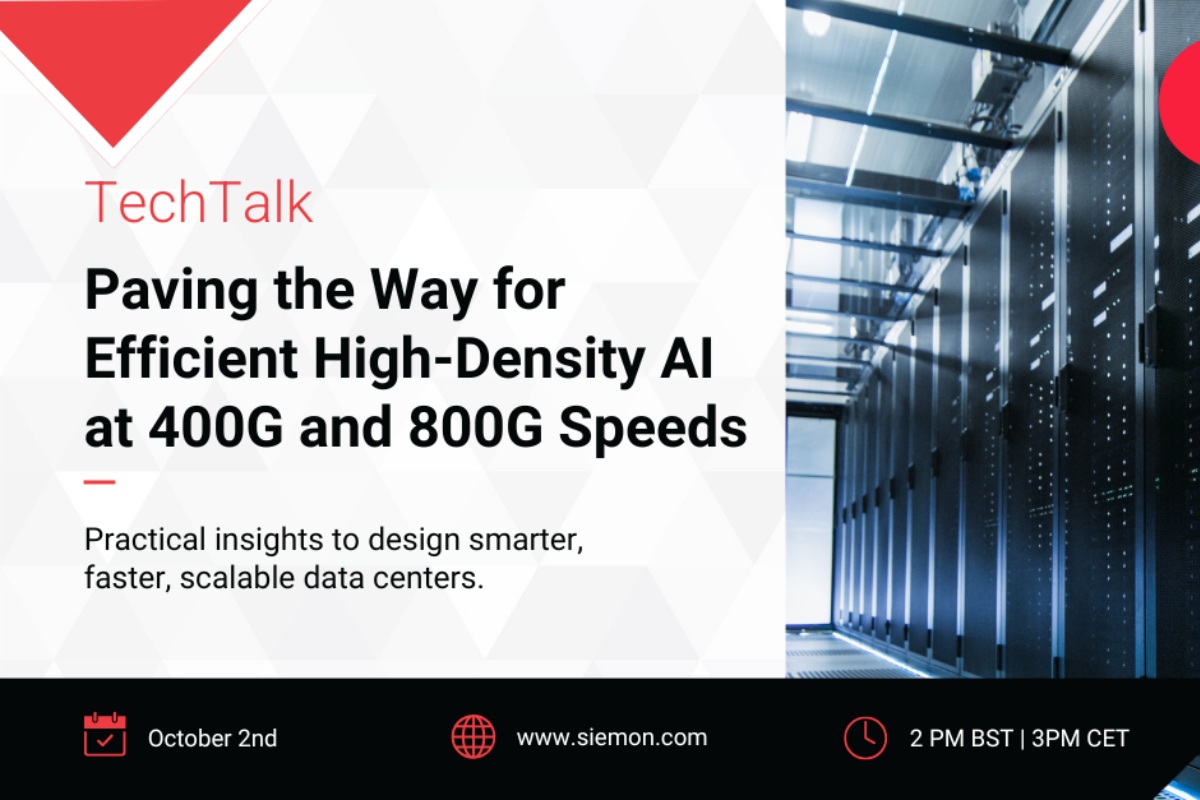
Paving the way for efficient high-density AI at 400G & 800G
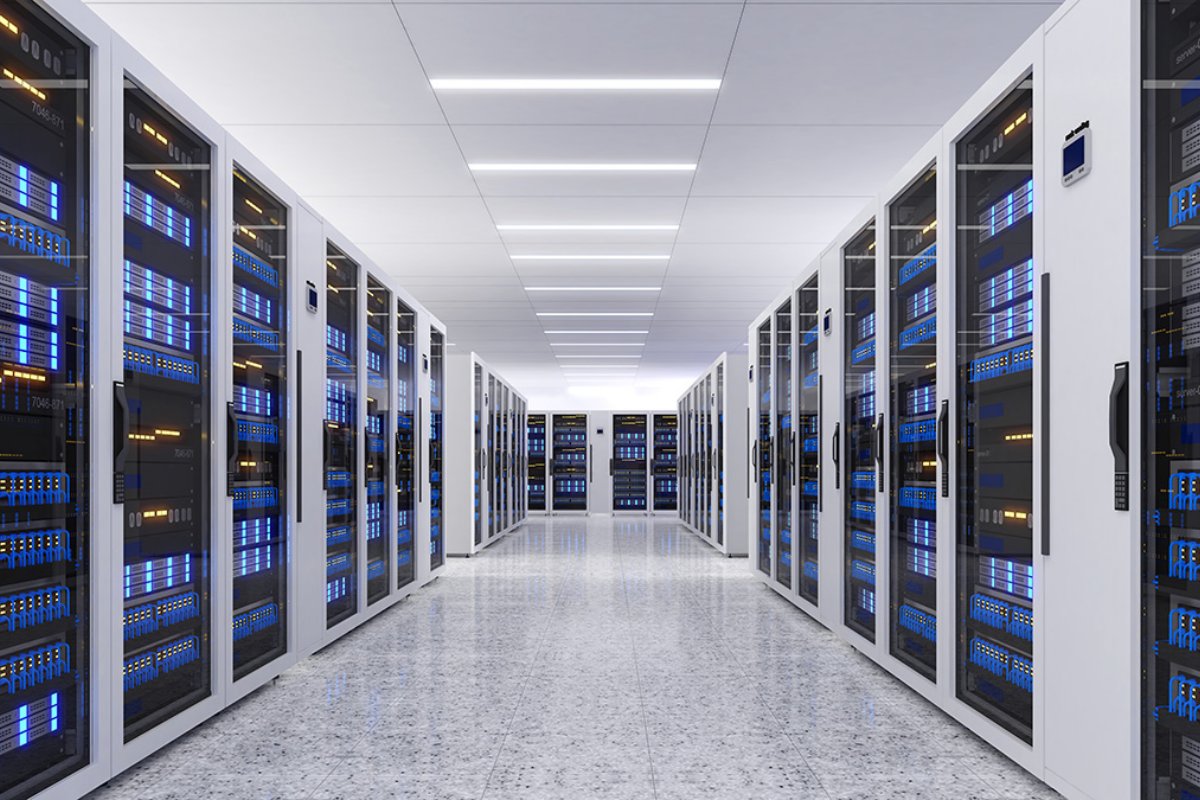
AI workloads are reshaping the data centre. As back-end traffic scales and racks densify, the interconnect choices you make today will determine the performance, efficiency, and scalability of tomorrow’s AI infrastructure. In this fast, focused 30-minute live tech talk, Siemon’s experts will share a practical, cabling-led view to help you plan smarter and deploy faster. Drawing on field experience and expectations from large-scale AI deployments, the session will give you clear context and actionable guidance before your next design, upgrade, or AI back-end project begins. Discover: • AI market overview & nomenclature: A clear look at scale-up vs scale-out networks and where each fit in AI planning. • Reference designs & deployment sizes: Common GPU pod approaches (including air-cooled and liquid-to-chip) and what they mean for density and footprint. • AI network connection points: Critical interconnect considerations for high-performance AI back-end networks. • AI network cabling considerations: What to evaluate when selecting cables for demanding 400G/800G workloads. • Cabling options that improve efficiency: Real-world examples of how architecture choices affect deployment efficiency, including a 1024-GPU comparison. Walk away with: • A clear understanding of high-density interconnect options. • Insight into proven deployment strategies and the trade-offs that matter. • Confidence to make informed decisions that scale with AI workloads. Speaker: Ryan Harris, Director, Systems Engineering (High-Speed Interconnect), SiemonDate: Thursday, 2 October 2025Time: 2:00–2:30 PM BST | 3:00–3:30 PM CET This is the must-see tech talk for anyone planning, designing, or deploying high-density AI data centres. Don’t miss your chance to get the insight that can accelerate your next project and keep your infrastructure ready for the demands ahead. Register now via this link to secure your spot. For more from Siemon, click here.

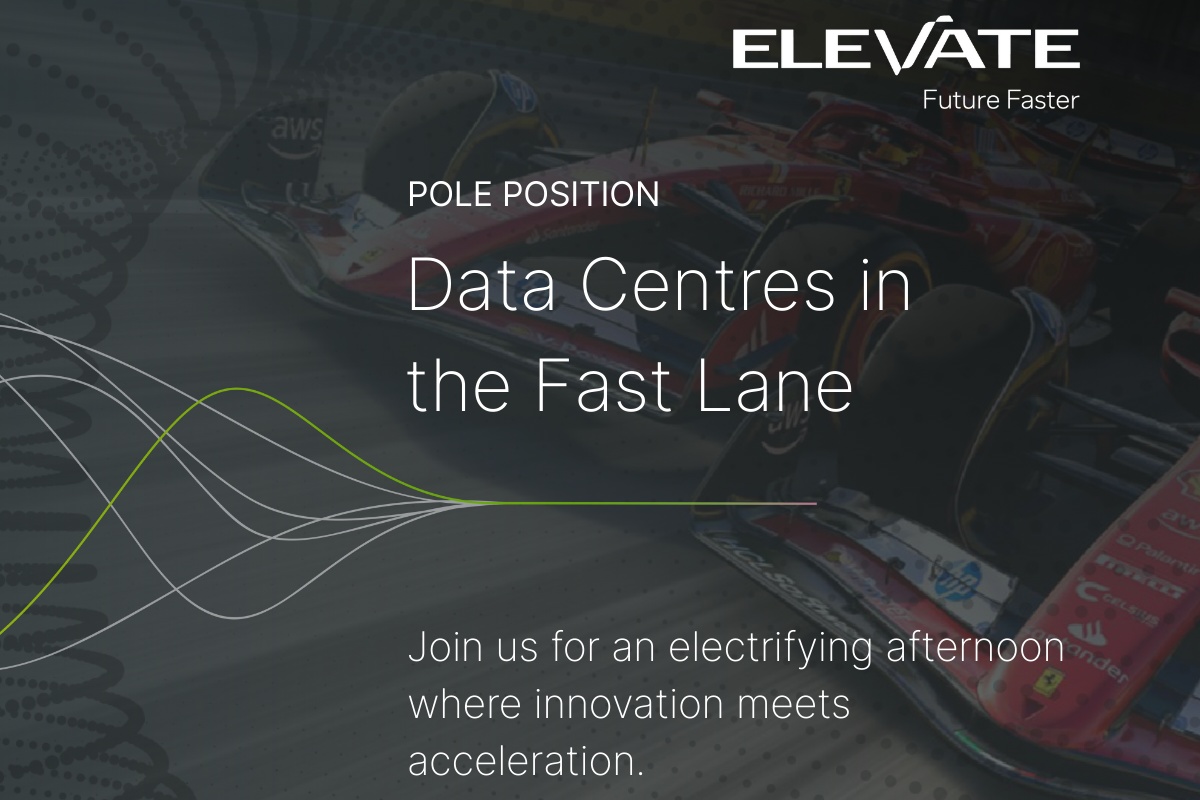
Data centres in the fast lane
Elevate – Future Faster is inviting industry professionals to join 'Data Centres in the Fast Lane', an afternoon of high-octane insight and networking at the F1 Arcade, St Paul’s, London. Beginning with lunch at 12:00 and running through to prize giving at 18:00, the event marries technical depth with experiential energy. Over five keynote sessions, speakers from Elevate, nVent, Sunbird, Senko, Axis, and RED Engineering will address critical challenges in modern data centre design. Highlights include: • Cutting-edge rear-door and direct-to-chip cooling by nVent• DCIM strategies for ESG and operational reporting by Sunbird• High-performance fibre connectivity from Senko• Secure surveillance from perimeter to rack via Axis• Hybrid, future-ready infrastructure design by RED Engineering After the presentations, attendees can compete in F1 racing simulators, with prizes for top performers and teams. Spaces are limited and securing your spot ensures access to both technical discourse and an immersive experience. If you want to take part, you can register by clicking this link. For more from Elevate – Future Faster, click here.

TBM's Excellence Forum returns to Washington
TBM Group, a US business event organiser, has announced the return of the Excellence in Data Center Construction, Design, and Engineering Forum for its second edition, taking place on 27–28 January 2026 in Washington D.C., USA. This premier event will bring together leading data centre operators, cloud service providers, construction and engineering firms, technology innovators, and regulatory representatives to address the challenges and opportunities shaping the next generation of data centres. Through expert presentations, panel discussions, and real-world case studies, attendees will explore innovative design strategies, energy efficiency, sustainability solutions, and compliance with evolving US regulations. As AI, cloud computing, and edge technologies accelerate demand, this forum provides a vital platform to share knowledge, exchange best practices, and foster collaboration for future-ready digital infrastructure.

International Cyber Expo 2025 returns
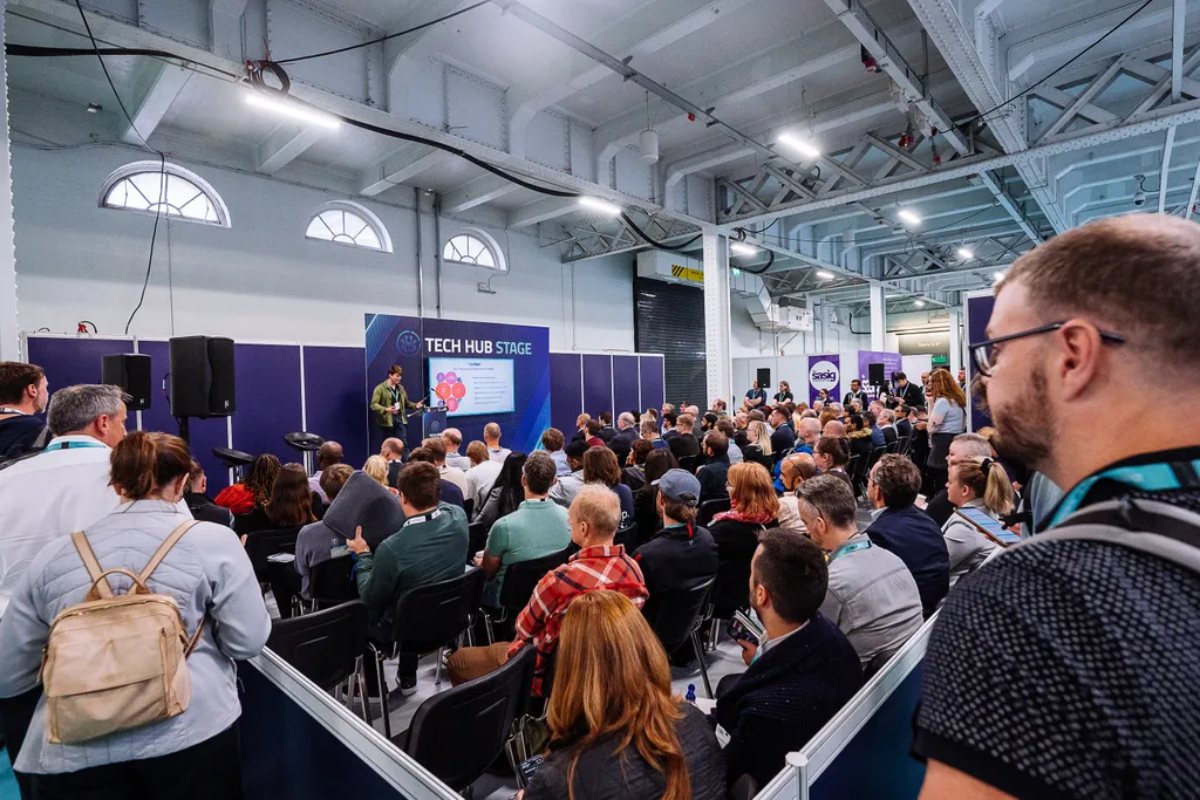
The International Cyber Expo is fast approaching, taking place 30 September - 1 October 2025 at the Olympia London. Start planning your visit now by exploring the 2025 Event Preview and securing your free pass today. Get ready for: • Mind-blowing content — Three action-packed stages featuring the brightest minds in cyber security.• Next-level networking — Meet industry leaders, innovators, and peers ready to collaborate.• Innovative new features — Be the first to see what’s shaping the future of cyber security.• A packed exhibition floor — Discover ground-breaking solutions, products, and ideas, all in one place. Be part of the most dynamic and interactive showcase in the cyber security calendar. Register for free here. For more from the International Cyber Expo, click here.

Powering data centres sustainably in an AI world
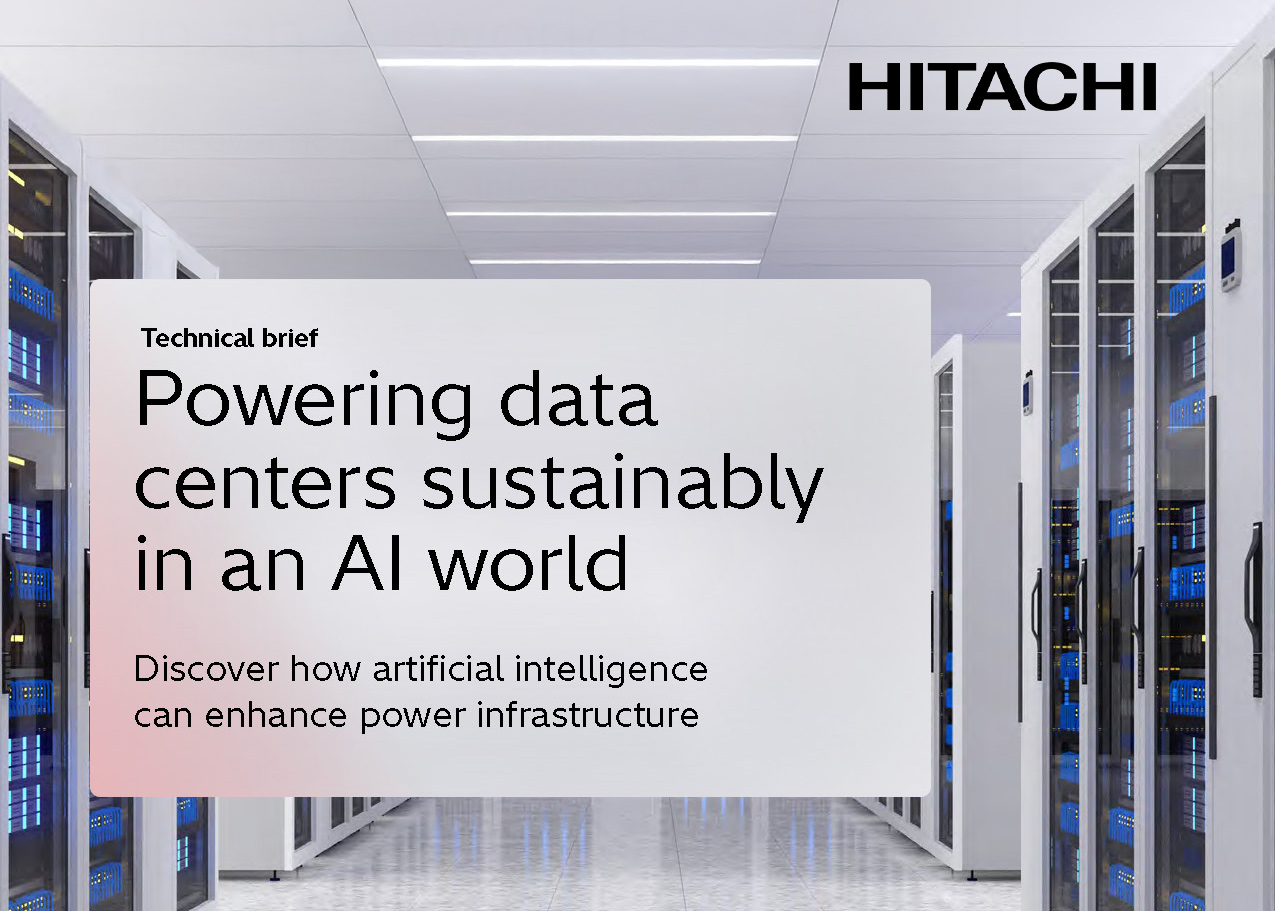
Data centres are getting bigger, denser, and more power-hungry than ever. Artificial intelligence's (AI) rapid emergence and growth only accelerates this process. However, AI could also be an enormously powerful tool to improve the energy efficiency of data centres, enabling them to operate far more sustainably than they do today. This creates a kind of AI energy infrastructure paradox, with Hitachi Energy posing the question: Is AI a friend or foe of data centres' sustainability? In its technical brief, the company explores: • The factors that are driving the rapid growth in data centre energy demand, • The steps taken to mitigate fast-growing power consumption trends, and • The role that AI could play in the future evolution of both data centre management and the clean energy transition. Register below to download the whitepaper now: [ninja_form id='4']

AI is reshaping the grid — is your data centre ready?
As Hitachi Energy explains, AI is driving explosive demand—and volatility—in data centre power needs. Today’s 'AI factories' require flexibility, speed, and sustainability. Traditional baseload planning won’t cut it. Digitalisation enables real-time load shifting, renewable alignment, and grid responsiveness. Energy availability is now the top constraint, making early collaboration with utilities and infrastructure partners essential. Capabilities like storage, on-site generation, and load shaping—once optional—are now critical. And no single player can solve this alone. Deep cross-sector collaboration is the key to building resilient, scalable systems. We’ve seen it work: when energy and IT teams align early, results are faster, cleaner, and more adaptable. AI is changing the grid and data centres must evolve. Flexibility isn’t an option for data centres: it’s the foundation. Read the full article to discover how to power data centres smarter, faster, and more sustainably. For more from Hitachi, click here.

Whitepaper: Can AI solve the data centre energy paradox?
As the global demand for data continues to surge, data centres are rapidly scaling up, driven in large part by artificial intelligence (AI) and machine learning. Yet, whilst AI is accelerating innovation, it is also intensifying the energy challenge facing operators and infrastructure providers worldwide. In a new whitepaper from Hitachi Energy, the company explores this very paradox: can AI help to solve the sustainability and efficiency issues that it, in part, is responsible for creating? The technical brief, entitled Powering data centres sustainably in an AI world, delves into AI’s growing influence across the digital infrastructure sector, its impact on energy demand, and how it could enable a more efficient, sustainable future. In particular, it examines AI’s potential to optimise power consumption, streamline cooling strategies, and support smarter energy distribution across increasingly complex data centre estates. It also considers how AI can contribute to the broader clean energy transition, including integration with renewable energy sources and smarter grid interactions, among other key issues which are essential as the industry faces mounting pressure to align with global net zero goals. For data centre owners, operators, and energy stakeholders alike, the whitepaper offers timely insights into a future where AI could become both the driver and the solution for sustainable digital growth. You can read the full whitepaper here. For more from Hitachi, click here.

Reuters Events: Energy LIVE 2025!
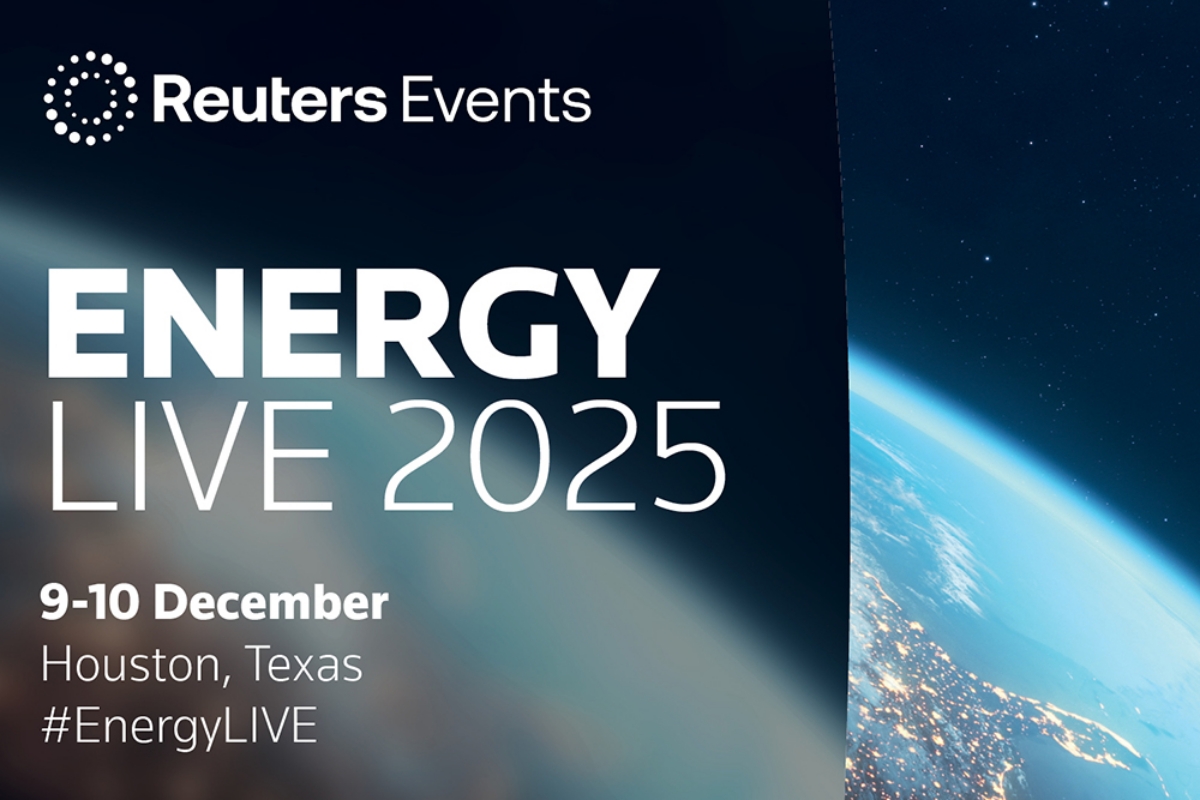
Join 3,000+ industry leaders for Energy LIVE 2025 in Houston this 9-10 December as we navigate America’s energy revolution. With unprecedented demand from AI, data centres, electrification-straining infrastructure, and a new administration reshaping energy policy, the time for strategic action is now. Energy LIVE brings you: • 3 specialised stages tackling today’s most urgent challenges • 150+ technical exhibitors showcasing tomorrow’s solutions • Direct access to decision-makers across the entire energy spectrum From grid modernisation to American Energy Dominance, LNG, and advanced nuclear, we’re cutting through the noise to deliver what energy executives truly need: practical solutions, powerful connections, and profitable strategies. Find out more by visiting the website. #EnergyLIVE

DTX takes place at London Excel, 1-2 October
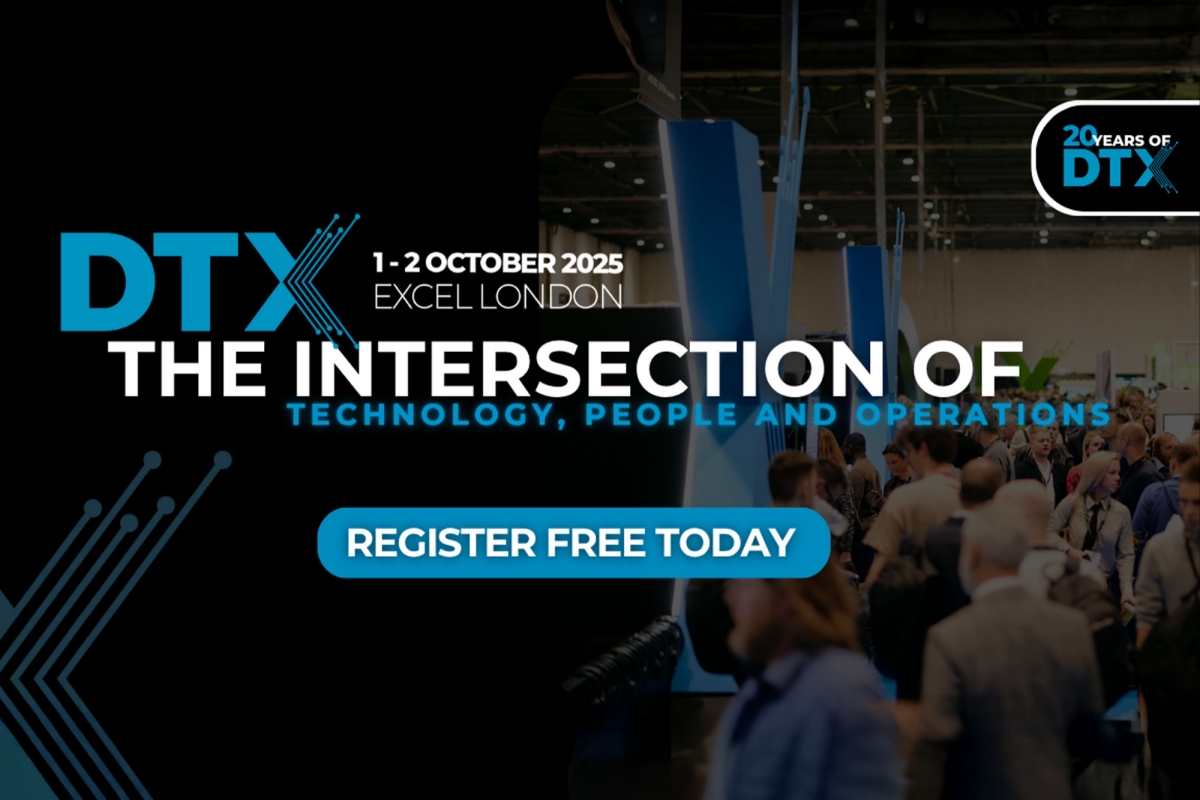
Digital Transformation Expo (DTX) sits at the intersection of technology, people, and process. Taking place on 1-2 October at London Excel, DTX is the business transformation event designed for anyone influencing technology selection and implementation. Why attend? • Purpose-driven technology sourcing: Discover smart solutions, bold tech, and sharp insights to fuel growth and boost efficiency. • Connecting teams: Connect, collaborate, and break silos to unlock your team’s full potential. • Engage in meaningful networking: Learn and engage with leaders, peers, and technology pioneers to spark ideas and drive transformation. • Driving measurable benefit: Turn tech investments into real results - streamline operations, elevate experiences, and drive sustainable growth. Whether you're looking to optimise your IT and cyber stack, improve access to data, or harness the latest in automation and AI, DTX London is the place to make connections, discover innovation and find solutions that drive measurable business benefits. Furthermore, DTX is co-located with Unified Communications Expo (UCX) – the UK’s leading event for communications and collaboration technology – giving you even more access to cutting-edge tech, insights, and inspiration to make the most of your time away from the office. Register for your free ticket at the website. For more from DTX, click here.

The critical role of reliable backup power in data centres
James Maynard, Group Marketing Manager at Deep Sea Electronics (DSE), looks at why reliable backup power in data centre environments is an essential requirement in today’s digitally connected world: In today’s rapidly evolving digital landscape, data centres have become the backbone of global connectivity, supporting everything from cloud services and AI computing to financial transactions and real-time communications. With this growing dependence on digital infrastructure, the need for reliable, integrated backup power systems has never been more important. When milliseconds of downtime can cause serious disruption and data loss, maintaining a seamless and resilient power supply is a non-negotiable priority. At the heart of every high-performing data centre lies a carefully designed power infrastructure built around redundancy, responsiveness, and real-time control. While utility power remains the primary energy source, backup systems such as generators, uninterruptible power supplies (UPS), and automatic transfer switches (ATS) play a crucial role in ensuring continuity during faults, outages or voltage fluctuations. Redundancy and resilience built-in Reliability begins with redundancy. In a mission-critical environment like a data centre, any single point of failure must be eliminated. This is typically achieved through configurations such as N+1 or 2N power architectures, where backup capacity matches or exceeds load demand, ensuring there's always an alternative source ready to take over. This guarantees that power delivery remains consistent, even during maintenance or equipment failure. But having backup power is not enough. It must be intelligently integrated into the wider infrastructure to respond quickly and efficiently. This is where advanced paralleling controllers and power management systems come into play. At DSE, our intelligent controllers and monitoring solutions enable synchronised operation between multiple generators, seamless load sharing, and real-time decision making – all of which contribute to uninterrupted power supply and improved system longevity. Speed is everything The speed at which power can be transferred from the utility supply to the backup source is critical. Whether it’s a momentary brownout or a full-scale outage, delay in switching can result in dropped connections, data corruption, or hardware failures. Modern ATS systems equipped with high-speed controllers can detect instability and complete the switchover in a matter of seconds – often without noticeable impact to end users or equipment. Advanced features, such as closed transition switching, allow the transfer of load without dropping power entirely – which is ideal for sensitive data centre loads where even momentary interruption is unacceptable. Visibility and control from anywhere Equally important is the ability to monitor and control backup systems remotely. With decentralised teams and 24/7 operation, data centre managers always need full visibility of power assets. Remote monitoring platforms provide real-time insights into generator status, fuel levels, fault alerts, and performance metrics – helping teams act quickly, reduce downtime, and plan maintenance proactively. Integration with building management systems (BMS), data centre infrastructure management (DCIM) tools, and enterprise-level software further streamlines operations and enables joined-up decision making. Planning for growth and efficiency As data volumes continue to rise, the energy demands placed on data centres grow in parallel. Scalability, therefore, is a key consideration. Backup power systems must be able to evolve with the facility. Modular generator systems, flexible controller architecture, and scalable monitoring platforms ensure that resilience is never compromised as capacity expands. At the same time, cost-efficiency must remain front of mind. Intelligent load management, remote diagnostics, and automated test cycles all contribute to lower running costs, longer equipment life, and improved sustainability. Conclusion Reliable, integrated backup power is not just a safety net for data centres – it’s a foundational pillar of operational continuity. With the right combination of robust hardware, intelligent controls, and comprehensive monitoring, facilities can ensure uptime, protect data integrity, and support uninterrupted service in an increasingly digital world. At DSE, we’re proud to help data centres across the globe achieve this with cutting-edge UK manufactured control solutions built for performance, precision, and peace of mind.


Translate »