Products


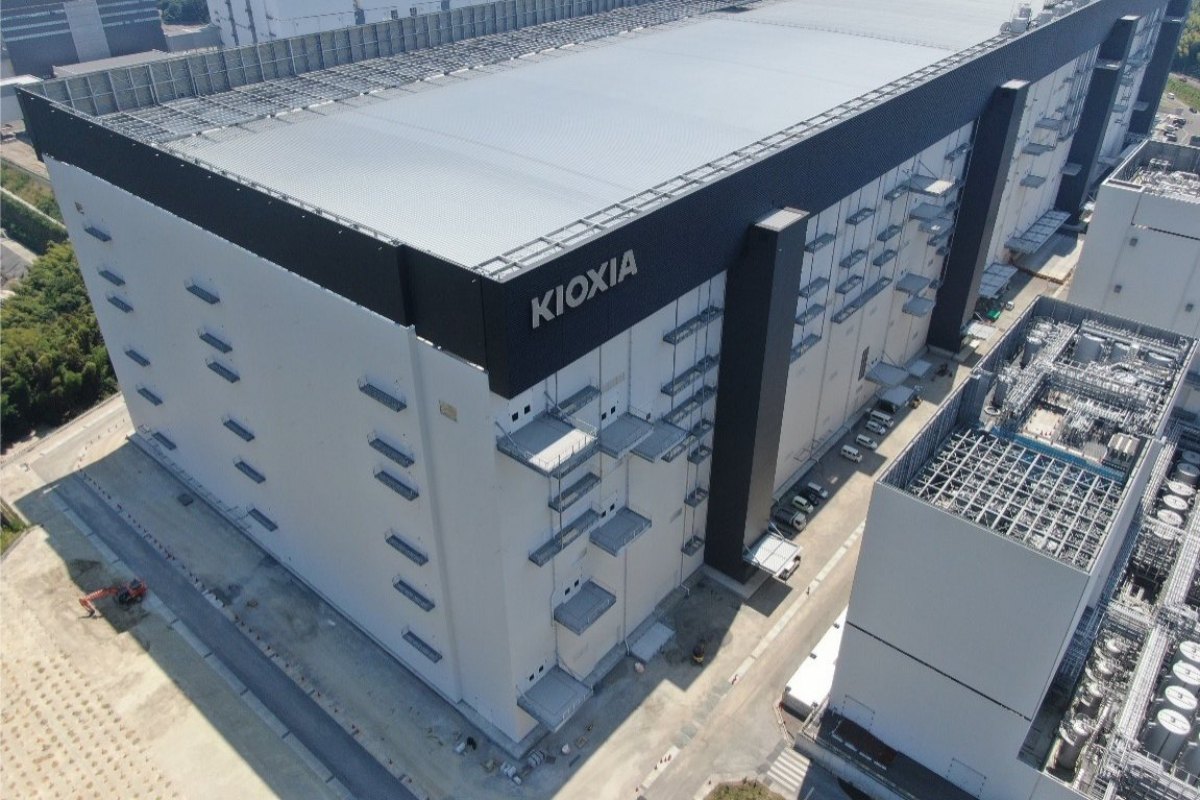
Kioxia hosts tour of flash memory plant
Memory manufacturer Kioxia has collaborated with Linus Media Group on a video tour of its Yokkaichi Plant in Japan, one of the world’s largest flash memory production facilities. The video, published by Linus Tech Tips, documents a visit to Kioxia Corporation’s manufacturing site, including its flagship Fab 7 facility. The plant operates as a smart factory, with more than three billion data points generated daily from production lines to support AI-driven manufacturing processes. According to the company, the video received nearly one million views within 24 hours of release. https://www.youtube.com/watch?v=ivLvsTnp9fI Inside the Yokkaichi smart factory Presented by Linus Sebastian, the tour follows the process from raw silicon wafers through to finished flash memory and solid state drives. It includes access to wafer and die processing stages before the components become BiCS FLASH 3D flash memory. The video also highlights the facility’s automation systems, process controls, and material handling technologies, as well as the packaging and final testing stages before memory components are assembled into SSDs. Terren Tong, CEO of Linus Media Group, says, “Bringing technology to our viewers is what drives us, and this tour inside Kioxia’s fab gives a rare, up-close look at what goes into the devices we use every day. We really appreciate Kioxia for letting us dive into the manufacturing of cutting-edge flash memory and SSDs.” Paul Rowan, Vice President and Chief Marketing Officer at Kioxia Europe, says, “Our focus at Yokkaichi is on translating innovative engineering into dependable, high-performance storage at scale. "This unique, behind-the-scenes look with Linus Tech Tips allows a wider audience to see the engineering and technology, including our commitment to sustainability that is central to our flash memory and SSD products, while showcasing the latest solutions that power today’s consumer devices and tomorrow’s AI-driven data centres.” For more from Kioxia, click here.

Mayflex to highlight Elevate at Data Centre World 2026
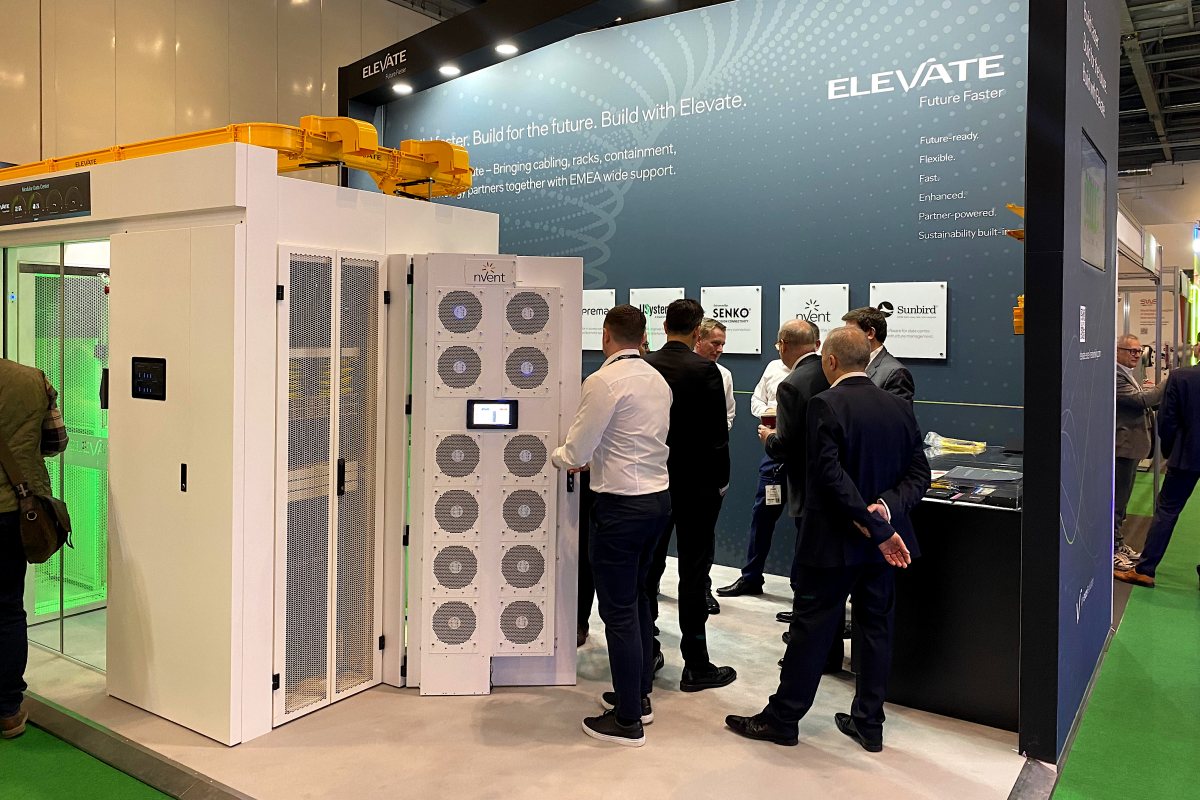
Mayflex, a UK-based distributor of converged IP infrastructure, networking, and electronic security products, will present updates to its Elevate infrastructure portfolio at Data Centre World London 2026, taking place on 4–5 March at ExCeL London. The company will exhibit on Stand B180. Launched at the 2025 event, Elevate brings together fibre connectivity, racks, aisle containment, power distribution, and rack-level security within a single infrastructure platform. Mayflex says the portfolio has evolved over the past 12 months in response to increasing density and performance requirements in data centre environments. Andrew Percival, Managing Director at Mayflex, says, “From concept, our ambition with Elevate was to continually move the offer forwards. "We aim to build an integrated set of solutions that responds to the real pressures facing data centre operators: densification, thermal performance, deployment speed, and operational clarity. The progress made over the last 12 months reflects that focus.” New high-density additions At the exhibition, Mayflex will introduce new very small form factor (VSFF) pre-connectorised fibre systems supporting up to 3,456 fibres in 1U, alongside high-density optical distribution frames with pre-connectorised trays and cables. Additional launches include high-density power distribution strips and intelligent rack locking systems. Updates to the DCR Rack Series and cold aisle containment systems will also be demonstrated. Visitors to Stand B180 can view the portfolio and speak with the team during the event. For more from Mayflex, click here.

How Elevate is redefining data centre infrastructure
It feels like yesterday that Elevate – Future Faster launched at Data Centre World 2025. Since then, the team have been working closely with operators, integrators, and partners to understand where white space designs struggle under pressure, namely: how density is increasing, how airflow and power must evolve, and how programmes need to accelerate without increasing operational risk. Now, as Elevate returns for year two at Data Centre World on Stand B180, it isn’t “new for the sake of new”; it’s a platform that closes the gap between what modern data centres demand and what infrastructure can realistically deliver – more density, more control, and more scale, without complexity creeping in through the back door. Elevate was built as an integrated ecosystem: fibre, racks, aisle containment, power, and security engineered to work together with clean installation, clear labelling, and predictable operation. In its second year, that ecosystem has expanded significantly, with wider choices for high density fibre, more robust airflow strategies, and smarter power and physical security options designed to make scaling easier. Addressing today’s data centre challenges Modern data centres face a familiar set of pressures: rising density, faster change cycles, and tighter operational guardrails. Elevate is designed to help teams keep pace. Densification is no longer optional. Port counts rise, but physical space doesn’t. Elevate’s high-density fibre solutions – VSFF, MPO, and modular ODF architectures – deliver more ports in the same rack unit space while maintaining front access, bend radius control, and clear labelling. The goal isn’t only to fit more, but to manage more. Thermal performance is another sticking point. As loads increase, improvised airflow tactics break down. Elevate’s hot and cold aisle containment is engineered to integrate properly with racks, cable pathways, and power routes. The result is stable airflow separation and higher cooling efficiency across mixed hardware environments. Power, too, needs to evolve. It is no longer enough to energise a rack; operators need visibility, telemetry, and control. Elevate’s high-density intelligent power provides meaningful insight – usage, load, switching – so day two operations become more predictable and less prone to surprises. Deployment speed matters as much as performance. To avoid delays and rework, Elevate prioritises pre-connectorised designs and engineered pathways. Pre-configured fibre assemblies and pre-populated ODF trays reduce on site variability, shorten install windows, and improve “first time right” outcomes. Moreover, as estates grow, clarity becomes critical. Structured labelling, clean patch presentation, and tray level guidance help maintain consistency long after the initial build and far beyond the day one installation. Fast, reliable availability rounds out the approach. Predictable supply chains and standardised configurations help teams maintain design intent and execute programmes without interruption. Advancing the Elevate Platform for 2026 This year, Elevate introduces a number of key additions designed to meet the demands of increasingly dense, increasingly dynamic data centres: 1. VSFF ultra high density pre-connectorised fibre optics deliver far higher port density within standard 1U and 2U panel formats, reducing splicing, test cycles, and deployment time. 2. Hot aisle containment supports facilities optimised around hot air capture and reuse, improving thermal stability as densities rise. 3. High density intelligent power adds the visibility and control required to balance loads, automate switching, and support safe change windows. 4. Intelligent rack locking delivers scalable, auditable access control. 5. High-density ODFs with pre-connectorised trays provide structured, repeatable patching fields with predictable routing and clear documentation. Alongside these additions, the DCR Rack Series, cold aisle containment, and MPO high-density, pre-connectorised solutions return with refinements that make dense builds easier to construct, cool, and maintain. These aren’t isolated features; they’re responses to real operator pressures, helping teams design once, scale confidently, and maintain operational clarity. Experience the Elevate platform at DCW London The most reliable way to evaluate infrastructure is to see the engineering up close. At DCW London, Stand B180, you can explore ODF trays, routing paths, containment interfaces, intelligent power options, and rack level access control, as well as discuss how Elevate can support your growth, densification, or refresh plans for 2026. And while you’re there, enter Elevate’s on-stand competition for a chance to win a pair of Apple AirPods. For more from Elevate, click here.

EXFO launches high fibre count data centre testers
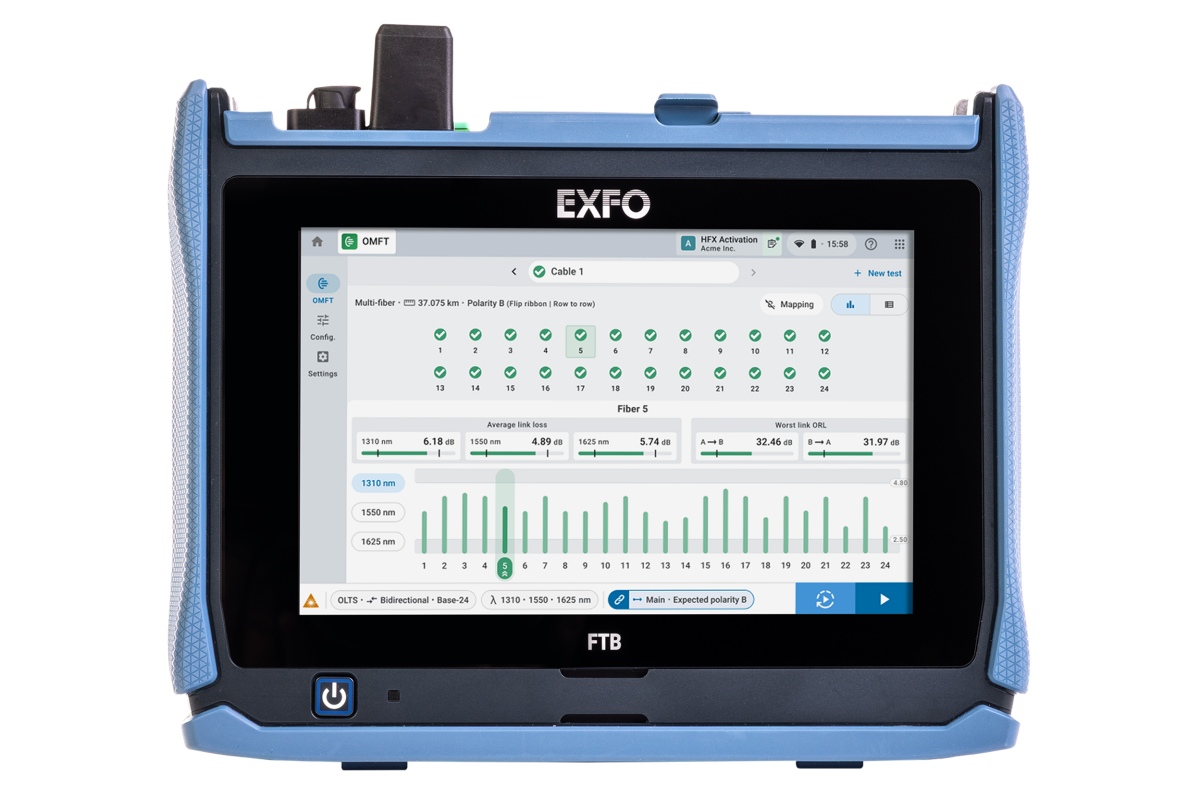
EXFO, a Canadian provider of test, monitoring, and analytics equipment for data centres and telecommunications networks, has introduced a high fibre count data centre testing platform with two new instruments designed for hyperscale and AI infrastructure deployments. The testers will be demonstrated at Data Centre World London 2026 on 4–6 March (Stand B202), alongside a separate showcase at OFC 2026 in Los Angeles on 17–19 March (Booth 523). The release includes two native 24-fibre capable instruments: the FTB-Lite simplex, duplex, and multi-fibre bidirectional certifier, and the PXM/LXM duplex and multi-fibre optical loss test set (OLTS). The equipment is intended to support certification and troubleshooting across large fibre installations in and around data centres. Etienne Gagnon, General Manager Test & Measurement at EXFO, says, “EXFO is trusted by all major hyperscalers to support the accelerated pace of data centre and network builds happening today. “Our high fibre count solution, now reinforced with the only native 24-fibre testers on the market, simplifies testing and enables scaling-up faster to give our customers a competitive advantage as they respond to exponential growth in AI-driven demand.” Testing, certification, and diagnostics The platform supports Tier 1 certification, optical return loss measurement, and Tier 2 troubleshooting across fibre counts up to 24 fibres. Features include automated bidirectional testing, referencing tools, and connector end-face analysis. EXFO says the system is designed to address the increased number of links, connectors, and handling requirements associated with high-density fibre deployments, while reducing the risk of testing errors during large-scale construction projects. For more from EXFO, click here.

Geberit to highlight piping systems at DCW 2026
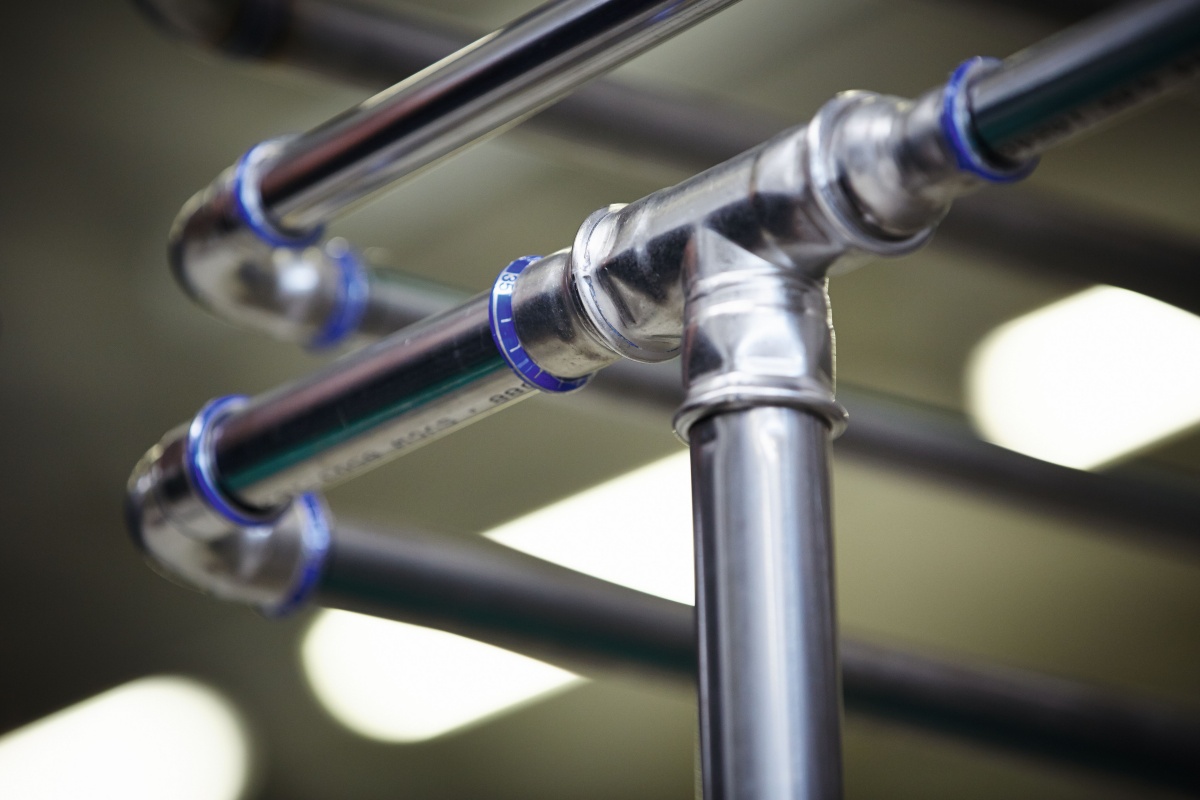
Swiss manufacturer Geberit will present two supply systems for data centre environments - the Geberit Mapress Stainless Steel and Geberit FlowFit - at Data Centre World 2026 in London, 4–5 March 2026. Geberit Mapress Stainless Steel is designed for long-term operation in demanding conditions. The material’s molybdenum content provides corrosion resistance intended to support continuous operation in critical facilities where downtime must be avoided. Geberit FlowFit focuses on installation efficiency. Its lateral pressing method covers pipe dimensions from d16 to d75 using two pressing jaws, reducing tool changes during installation. Inspection windows and pressing indicators allow installers to verify connections, while fitting geometry maintains flow performance and enables smaller pipe diameters to be used. The company says the two systems are intended to support reliability and consistent performance across modern data centre infrastructure.

Carrier to showcase AI cooling at DCW London 2026
Carrier, a manufacturer of HVAC, refrigeration, and fire and security equipment, will present its QuantumLeap portfolio at Data Centre World London 2026, taking place on 4–5 March. As a Platinum Sponsor, the company will host a panel discussion, a keynote session, and a solo presentation focused on cooling, building management, and lifecycle services for AI-driven data centres. Carrier, part of Carrier Global Corporation, will outline how increasing AI workloads are affecting thermal density and energy consumption across data centre environments. The company says the rapid growth of AI is creating pressure to manage higher heat loads while reducing overall energy use. Its QuantumLeap portfolio includes liquid cooling systems and high-efficiency chillers designed to support next-generation processors and higher rack densities. Integrated management and lifecycle focus Carrier will also highlight its building automation and data centre infrastructure management capabilities. By linking cooling, power, and IT systems through building automation systems and DCIM platforms, the company aims to give operators clearer operational oversight and improved energy control. In addition, Carrier will address lifecycle management, including waste heat reuse and grid participation, as part of broader sustainability strategies within AI data centres. Bertrand Rotagnon, Executive Director Commercial Business Line & Data Centres Europe, says, “Data centres can’t choose between growth, resilience, and energy performance; they need all three. "At DCW London 2026, we’re showcasing Carrier QuantumLeap solutions to help operators simplify decisions, improve efficiency, and move towards measurable energy contribution.” Carrier will be located at Stand D70. The company’s panel discussion takes place at 12:20 on Wednesday, 4 March, with a solo presentation at 15:55 on the same day and a keynote at 14:50 on Thursday, 5 March. For more from Carrier, click here.

AFL: Why data centre leaders are heading to Stand C110
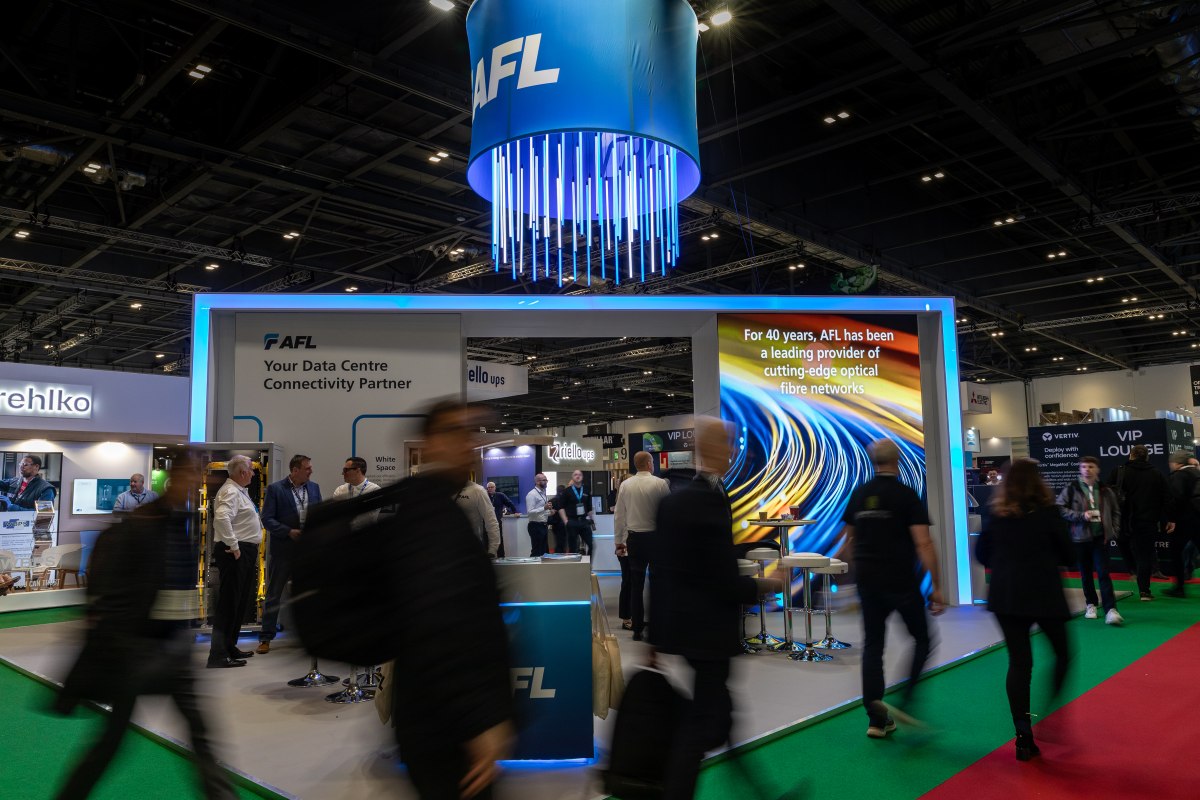
AFL, a manufacturer of fibre optic cables and connectivity equipment, will be attending this year's Data Centre World in London, 4–5 March 2026, exhibiting on Stand C110. In this article, the company tells you about what you can expect: Your AI clusters are hungry for bandwidth. GPU-to-GPU latency is make or break, and you’re being asked to scale yesterday, all while maintaining uptime, managing density, and staying within budget. AFL understands. It has engineered solutions specifically for these problems. What you’ll experience at Stand C110: • Hands-on demos• Industry-first technology• Solutions for your biggest bottlenecks• Modular white space infrastructure you can deploy rapidly• AI-GPU connectivity optimised for ultra-low latency compute fabrics• High-density DCI solutions that maximise available space in cable ducts• Pre-terminated, plug-and-play modules with full traceability to help you deploy faster• Fujikura’s Multi-Core, Hollow-Core, and Mass-Fusion splicers in action – the precision tools that research labs and hyperscalers trust for next-generation fibre deployment• Small-form-factor assemblies – reduce diameter, increase density, maximise airflow and cable pathways• Test with confidence – advanced inspection tools that validate performance before the first packet flows Why AFL for hyperscale data centres? • Globally available — consistent supply chain, wherever you build• Proven reliability — supporting the world’s largest hyperscale networks• Modular and scalable — grow your infrastructure without forklift upgrades• Built for AI workloads — engineered for the bandwidth and latency demands of dense GPU clusters Who should visit the stand? • Network engineers deploying or upgrading DCI links• Data centre architects planning next-generation AI infrastructure• Infrastructure leaders evaluating fibre solutions for hyperscale growth• Operations teams seeking faster commissioning and maintenance workflows Ready to enhance hyperscale efficiency? Bring your toughest connectivity challenges to Stand C110 and see how AFL’s team is already solving the real-world problems you face with innovative solutions ready for immediate global deployment. Find out how its optical fibre experts can help you scale seamlessly across growing hyperscale deployments for AI and cloud. For more from AFL, click here.

Carrier launches CRAH for data centres
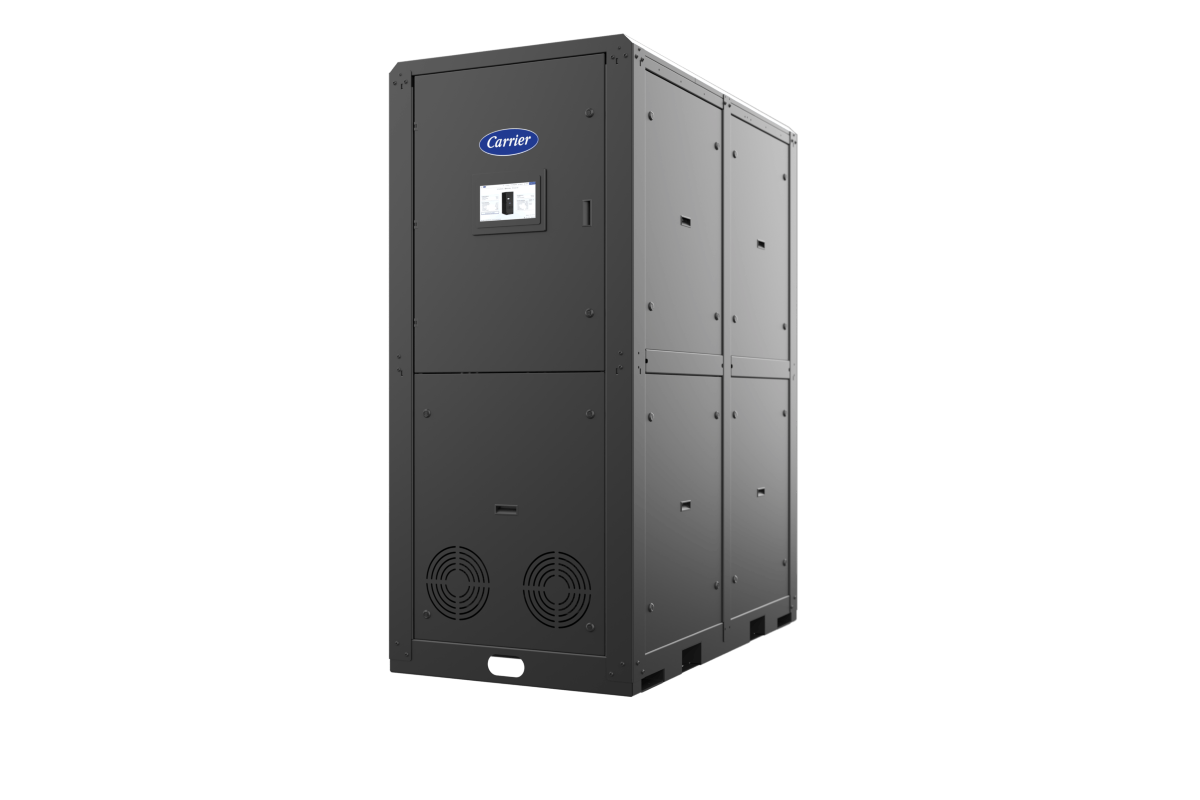
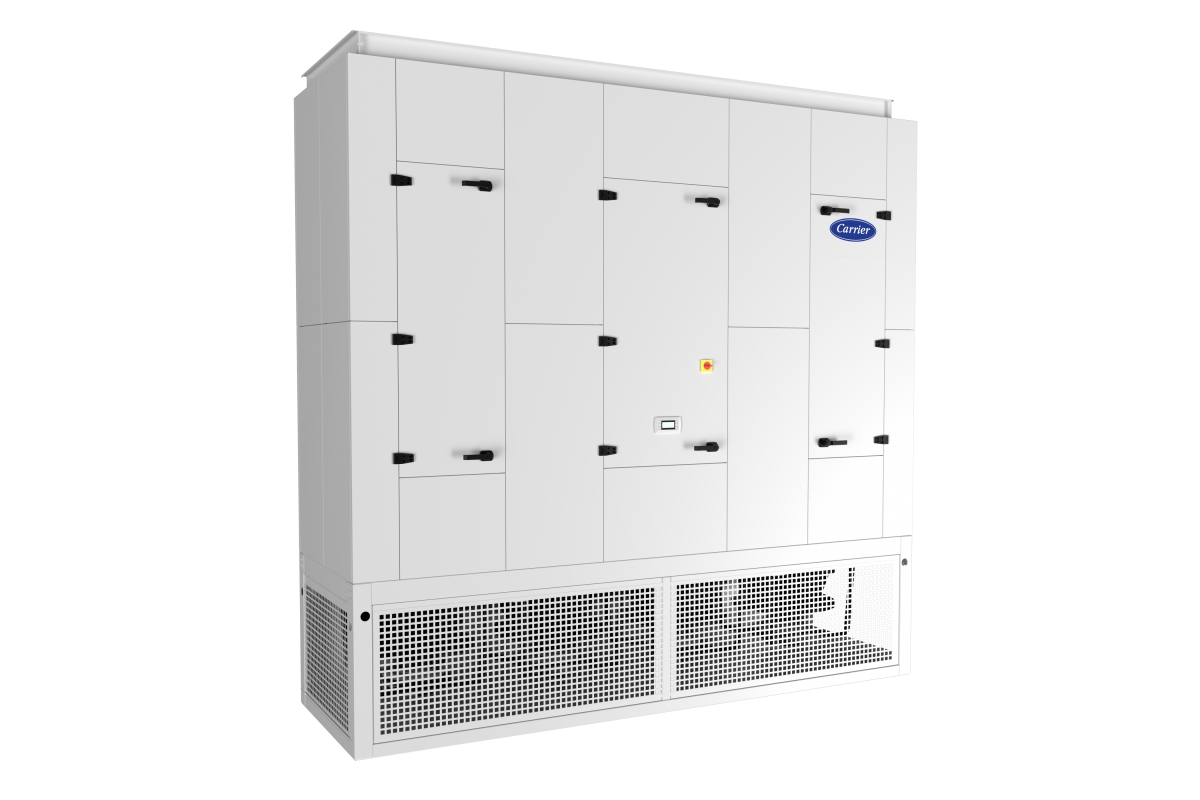
Carrier, a manufacturer of HVAC, refrigeration, and fire and security equipment, has introduced the AiroVision 39CV Computer Room Air Handler (CRAH), expanding its QuantumLeap portfolio with a precision cooling system designed for medium- to large-scale data centre environments. Developed and manufactured in Europe, the AiroVision 39CV is intended to support energy efficiency, reliability, and shorter lead times, while meeting EU regulatory requirements. The unit offers a cooling capacity from 20kW to 250kW and is designed to operate with elevated chilled water temperatures. Carrier states that this approach can improve energy performance and contribute to lower power usage effectiveness (PUE) by enabling more efficient chiller operation and supporting free cooling strategies. Factory-integrated design for simplified deployment The AiroVision 39CV features a built-in controller for real-time monitoring, adaptive operation, and integration with building management systems. The control platform can be configured to suit specific operational requirements. All components are factory-integrated to reduce on-site installation and commissioning work. Additional features, including an auto transfer switch and ultra-capacitors, are intended to support service continuity in critical environments. Michel Grabon, EMEA Marketing and Market Verticals Director at Carrier, says, “The 39CV is a strategic addition to our QuantumLeap Solutions portfolio, designed to help data centre operators address today’s most pressing challenges: increasing thermal loads from higher computing densities, the need to reduce energy consumption to meet sustainability targets, and the pressure to deploy solutions quickly and efficiently. "With its high-efficiency design, intelligent control system, and factory-integrated components, the 39CV helps operators to improve energy performance, optimise installation time, and build scalable infrastructures with confidence.” For more from Carrier, click here.

PFX highlights its SOLUTHERM cooling fluids
PFX Group, a Canadian manufacturer of automotive and industrial fluids, has showcased its SOLUTHERM heat transfer fluid range at the 2026 AHR Expo in Las Vegas, USA. The company presented its thermal management fluids at the Recochem booth during the event, which ran from 2 to 4 February. The SOLUTHERM range is designed to support HVAC system performance, including traditional heating and cooling loops and liquid cooling applications in data centres. The company states that increasing power densities, changing regulatory requirements, and evolving system materials are driving greater demand for effective thermal management. This is particularly relevant in data centres, where continuous operation and high-performance computing environments require reliable temperature control to support equipment performance and operational continuity. The SOLUTHERM range includes glycol-based heat transfer fluids designed to support system efficiency, temperature stability, and corrosion protection. Some formulations are developed to support environmental targets, including biodegradable options and fluids aligned with LEED building requirements. Jerome Dujoux, Vice President of Branding and Innovation at PFX Group, says, “HVAC and data centre cooling are no longer separate conversations. "As computing power increases and buildings become more energy intensive, thermal management is becoming a connective tissue between digital infrastructure and the built environment. That’s the shift SOLUTHERM is designed for.” Thermal fluids for HVAC and data centre cooling Among the products highlighted at the exhibition were SOLUTHERM PG HD and EG HD heat transfer fluids, designed for HVAC applications in facilities including hospitals, universities, and other critical infrastructure environments. The company also presented SOLUTHERM direct liquid cooling fluids, developed for servers and high-performance computing environments. These fluids are designed to operate across a wide temperature range, supporting data centre cooling requirements associated with increasing power density. Additional products included SOLUTHERM PG HD LEED heat transfer fluids, which use bio-based propylene glycol and meet ASTM D8039 corrosion testing standards, and SOLUTHERM PG AL Safe heat transfer fluids, developed for systems containing aluminium components such as boilers, water heaters, and heat exchangers. Tom Corrigan, Director of Research and Development at PFX Group, notes, “Heat transfer fluids are often treated as a commodity when, in reality, they influence energy efficiency, equipment lifespan, and system reliability more than most people realise. "We see thermal management as a strategic decision and that’s why SOLUTHERM is engineered for specific applications and backed with ongoing support.”

Case study: The data centre's shield against errors
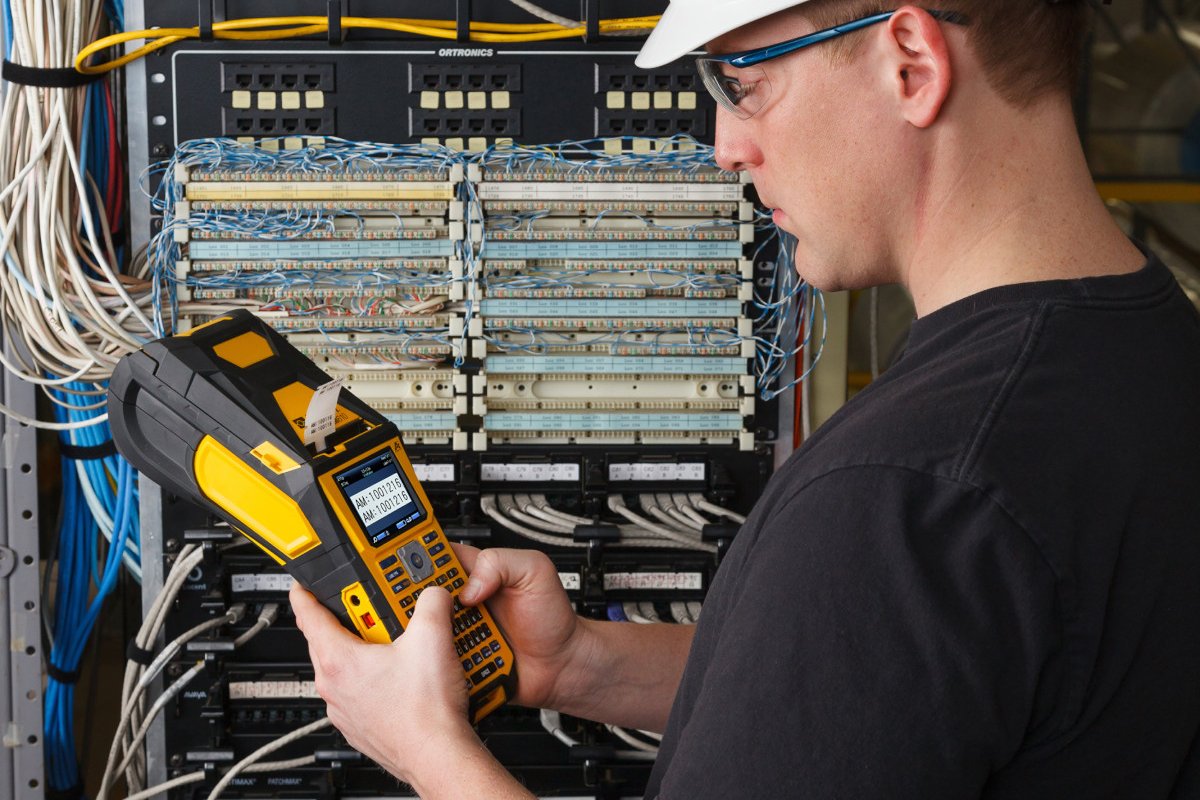
In an industry where a single unplugged cable can stall a production line, "good-enough" labelling isn't an option. A leading automotive manufacturer faced a challenge: their cabling was becoming a maze of human error, threatening the uptime of their mission-critical services. The solution wasn't just better labels; it was a standardised identification ecosystem. By deploying industrial-grade materials and the high-volume BradyPrinter i7100, as well as the handheld M610, the manufacturer ensured that every rack and server remained clearly identifiable under any conditions. This move towards precision eliminated the guesswork that leads to accidental disconnections. The result? A solid infrastructure where technicians move with confidence. The operational resilience starts at the surface - with a reliable label that stays readable. Click here to read more and to learn more about reliable identification solutions for data centres. Meet Brady experts at Data Centre World (DCW) in London, UK, 4–5 March 2026, Booth F175. For more from Brady, click here.


Translate »