Renewables and Energy: Infrastructure Builds Driving Sustainable Power

GreenScale sets data centre sustainability commitments
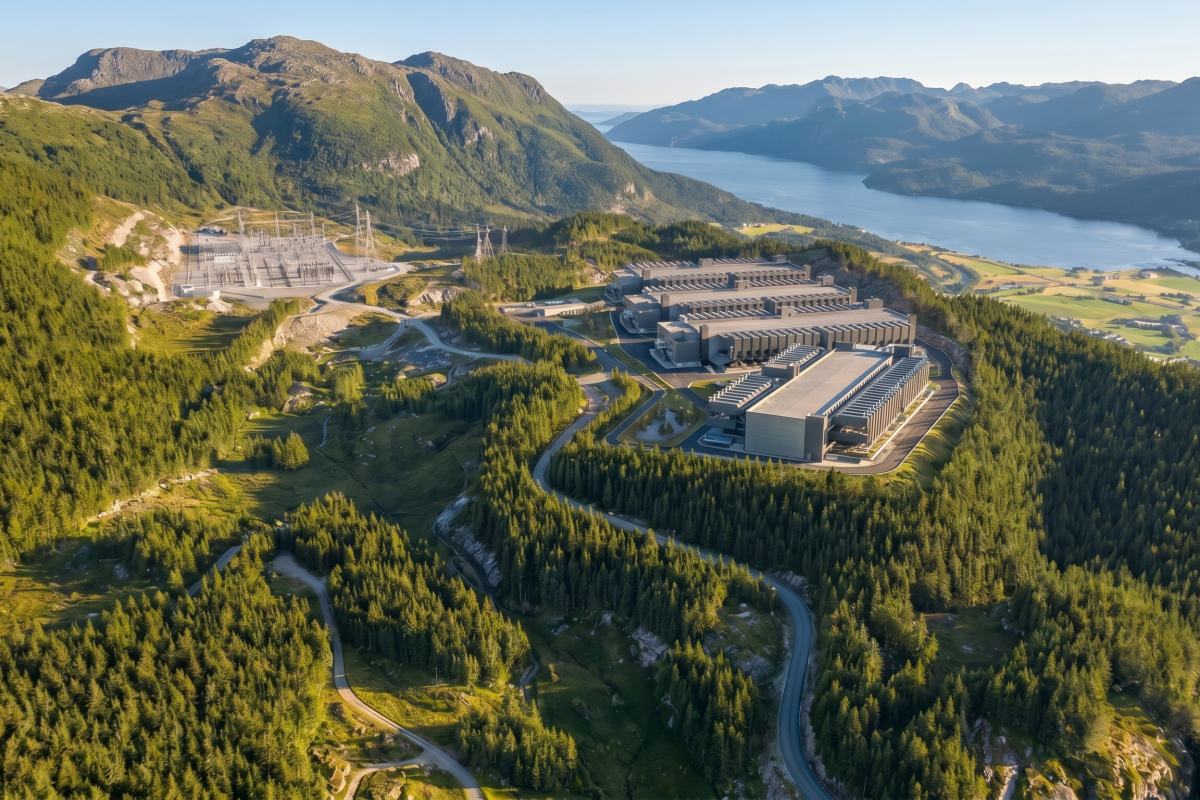
GreenScale, a developer of hyperscale data centre campuses, has published 12 sustainability commitments that will guide the development and long-term operation of its data centre campuses. The commitments conclude a 12-week campaign that began on Earth Day 2026, with one commitment announced each week. Together, they set measurable targets covering areas including renewable energy, embodied carbon, water stewardship, local communities, and responsible supply chains. GreenScale says it will report publicly on progress against each commitment as its developments move forward. Among the commitments are designing all data centres to enable heat export whilst seeking opportunities to reuse waste heat, operating backup generators using hydrotreated vegetable oil (HVO) fuel, targeting a water usage effectiveness (WUE) score of 0.4 or below, and requiring major design and construction suppliers to achieve an EcoVadis rating of "Good" or higher. Campus designed around renewable power GreenScale says its sustainability strategy is linked to developing data centre campuses in locations with renewable energy resources and resilient connectivity. The company points to its planned Tonstad Campus in southern Norway as an example of this approach. New visualisations show the proposed 300MW campus, which is planned to comprise four data centre buildings across a 420,000m² site, representing more than €2.5 billion (£2.1 billion) in planned investment. Located next to the Ertsmyra substation and supplied by electricity from the nearby Tonstad Power Plant, one of Norway's largest hydropower facilities by annual electricity generation, the campus has been selected to take advantage of the region's renewable energy resources. Anna Dowson, Senior Director of Sustainability at GreenScale, says, "These commitments reflect the areas where we believe GreenScale can make the greatest positive impact. "By setting clear, measurable targets from the outset, we're creating a transparent way to track our progress over time and hold ourselves accountable as our campuses move through development and into operation." Dan Thomas, CEO of GreenScale, adds, "Data centre campuses are long-term infrastructure assets that will operate for decades. The decisions made before construction begin influence their performance throughout their lifetime. "That's why we've embedded sustainability into every stage of our approach, from selecting the right locations to designing, building, and operating our campuses. These commitments provide the framework that will guide that journey." GreenScale says the commitments were developed following a materiality assessment aligned with the European Sustainability Reporting Standards (ESRS), the Sustainability Accounting Standards Board (SASB), and the Global Real Estate Sustainability Benchmark (GRESB). For more from GreenScale, click here.

Shell renews renewable energy supply deal with Kao Data
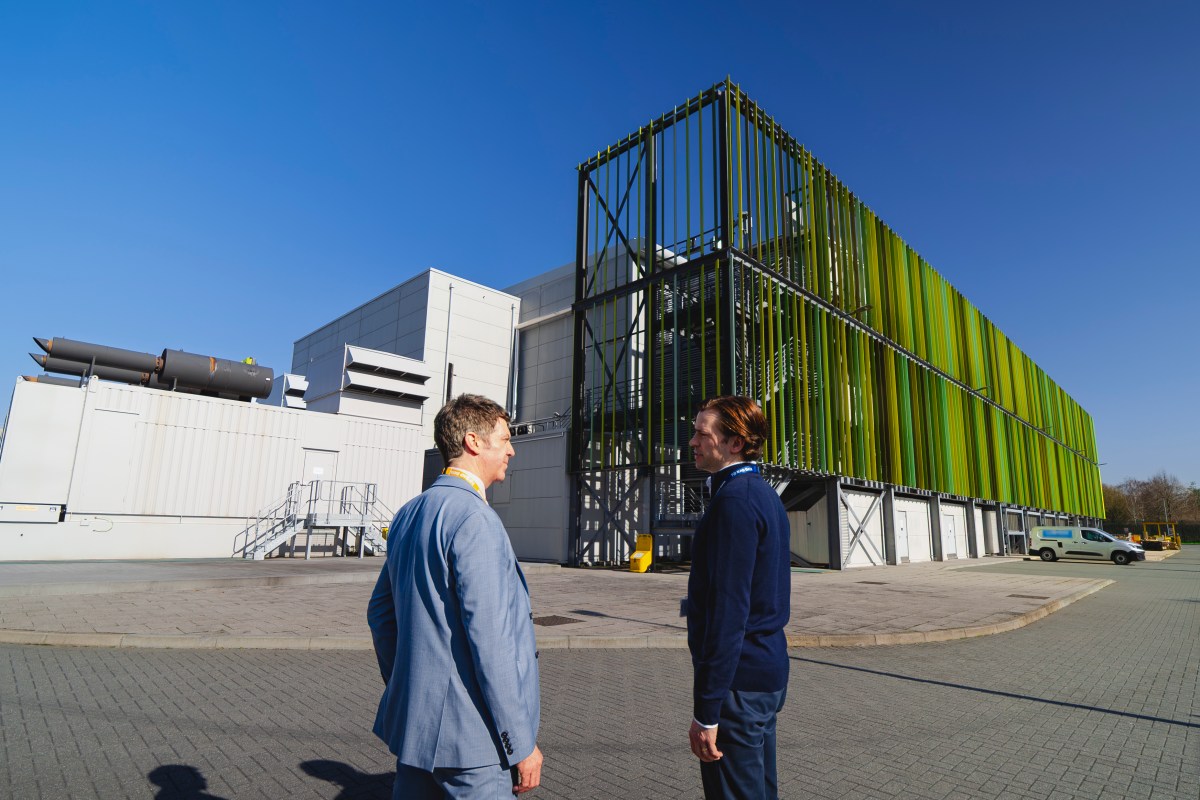
Shell Energy UK, a supplier of gas, electricity, and broadband services, has renewed its renewable electricity supply agreement with Kao Data, a data centre developer and operator, extending its partnership with the data centre developer as demand for AI infrastructure continues to grow. Since 2022, Shell Energy has supplied Kao Data with around 140GWh of electricity each year, matched with generation from UK renewable energy assets. From 2025, the agreement has also included electricity generated by the Dogger Bank offshore wind farm, from which Shell Energy Europe offtakes around 20% of the project's total output. According to the companies, the agreement is intended to support the continued development of AI and advanced computing infrastructure while matching electricity consumption with UK-based renewable generation. Kao Data says its data centres are designed for AI and high-performance computing (HPC) workloads, incorporating technologies including direct-to-chip liquid cooling. The company also states that it was the first data centre operator in Europe to transition its backup generators to hydrogenated vegetable oil (HVO), which can reduce lifecycle emissions compared with conventional diesel. Partnership continues focus on renewable energy James Lewis, Investment Director at Kao Data, comments, "At Kao Data, sustainability is embedded in everything we do, and developing strategic relationships remains critical to help us achieve our goals. "Our collaboration with Shell Energy has been instrumental in shaping our long-term energy management and decarbonisation strategy. Extending this relationship enables our customers' electricity demand to be matched with certified renewable generation from UK-based sources, reinforcing our commitment to become carbon neutral by 2030." Greg Kavanagh, Head of Industrial & Commercial Sales at Shell Energy, adds, "Shell Energy is delighted to strengthen our collaboration with Kao Data. Our long-standing relationship reflects the alignment between our teams and a shared focus on innovation and sustainability. "By supplying electricity backed by asset-specific renewable certificates, we're supporting Kao Data's pioneering AI infrastructure and its broader efforts to reduce emissions and progress towards net zero emissions. "Together, we're helping to set a benchmark for how energy and technology companies can enable a low-carbon digital future." For more from Kao Data, click here.

EUDCA reaffirms sustainability commitment
The European Data Centre Association (EUDCA), the representative body of the European data centre community, has reaffirmed its commitment to supporting climate-neutral data centres and the sustainable growth of Europe's digital infrastructure. The organisation says it remains focused on developing a digital economy that balances increasing demand for digital services with environmental sustainability and closer integration with Europe's energy system. Founded in 2012, the EUDCA works with the data centre industry, policymakers, and other stakeholders to support the development of Europe's digital infrastructure. As a co-founder of the Climate Neutral Data Centre Pact, the association has committed to helping the sector achieve climate neutrality by 2030. This includes improving energy efficiency, increasing the use of renewable energy, reducing water consumption, supporting circular economy initiatives, and encouraging the reuse of waste heat. Over recent years, the EUDCA has worked with the European Commission and industry partners on policies intended to support both digital infrastructure growth and environmental objectives. Energy integration and grid capacity On 3 June 2026, the EUDCA joined the European Commission, Commissioner Dan Jørgensen, and organisations from across the energy sector in signing a Declaration of Intent to support the sustainable integration of data centres into the European energy system. The declaration highlights the need for reliable low-carbon electricity, closer collaboration between data centre operators, grid operators, and public authorities, and a stable regulatory environment to support future investment. The association also says that expanding Europe's digital infrastructure will depend on addressing wider challenges within the electricity system, including reinforcing transmission and distribution networks, streamlining planning and permitting processes, and improving access to low-carbon electricity. Michael Winterson, Secretary General of the EUDCA, comments, "We reaffirm our commitment to sustainability, irrespective of technological developments or changing demands. A liveable, equitable, and sustainable future remains our utmost goal." The EUDCA's annual State of European Data Centres report also tracks the sector's sustainability and environmental, social, and governance (ESG) performance using member data and information collected under the European Energy Efficiency Directive. For more from the EUDCA, click here.

Pure DC completes cross-border biomethane deal
Pure Data Centres Group (Pure DC), a designer, developer, and operator of hyperscale data centres, has completed what it describes as Europe's first large-scale cross-border biomethane purchase for a data centre, transferring 9GWh of certified biomethane from Germany to the Irish gas network. The transaction follows a proof-of-concept project announced in March 2026 and represents a significant increase in scale. According to Pure DC, the deal demonstrates that biomethane can be used to support the decarbonisation of gas-connected data centres through existing energy infrastructure and certification frameworks. The biomethane was produced in Germany during 2025 using waste and residue feedstocks. The fuel is certified under the International Sustainability and Carbon Certification (ISCC) scheme and complies with the requirements of the Renewable Energy Directive (RED) II and RED III. Pure DC says the biomethane has a carbon intensity of less than 12gCO₂/MJ, meeting thresholds required for zero-rated treatment under the EU Emissions Trading System, subject to approval of monitoring plans by the relevant authorities. The gas was mass balanced from the German network to Ireland through existing interconnectors, with renewable attributes tracked through the Gas Networks Ireland (GNI) Renewable Gas Registry. Biomethane forms part of wider net zero strategy Pure DC says renewable gas is intended to act as a transitional measure within its broader strategy to achieve net zero emissions by 2040. The company is continuing to pursue biomethane procurement from Irish, European, and UK sources while also developing longer-term initiatives including renewable energy integration, energy storage, and efficiency improvements. Ireland's National Biomethane Strategy targets production of up to 5.7TWh of domestic biomethane annually by 2030. While local production capacity continues to develop, imports can help meet demand through existing gas infrastructure and certification systems. Maria Jose Rivas Duarte, Director of Sustainability at Pure DC, says, "This milestone supports Ireland’s Climate Action Plan and aligns with the LEU policy, under which data centres must meet at least 80% of their annual energy demand with additional renewable electricity. "By demonstrating that cross-border biomethane can be procured, mass balanced, and registered at volume through existing infrastructure, we are helping to pave the way for broader data centre sector adoption as well as other industries seeking a credible route to decarbonise natural gas." Pure DC says the transaction forms part of a strategy to develop a diversified biomethane portfolio spanning multiple geographies, feedstocks, and supply arrangements. Agnes Warner, Property Director at Pure DC, says, "Our biomethane procurement strategy is designed to build a balanced portfolio that provides long-term security and credibility. "For our customers, this means a demonstrable, auditable pathway to lower embedded emissions, making our platform more attractive to hyperscalers and enterprise customers while supporting their sustainability commitments." For more from Pure DC, click here.

Green Horizon secures approval for Norway data centre
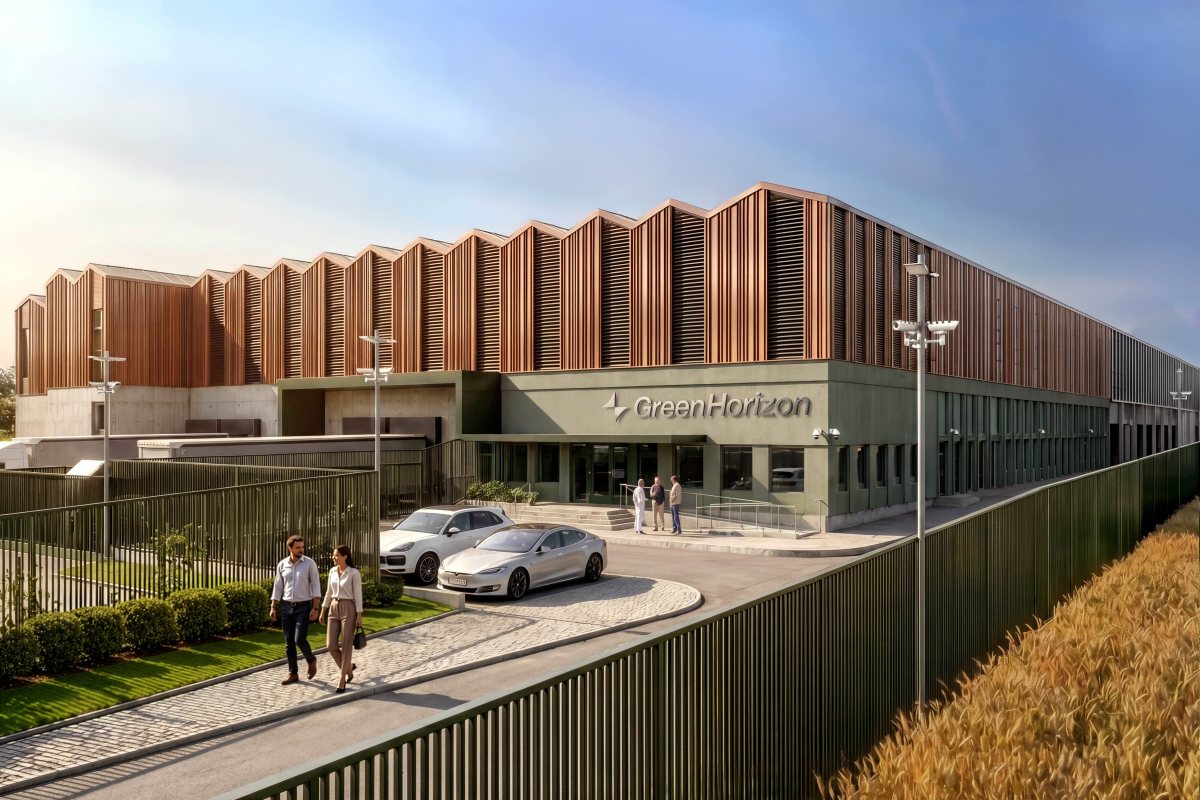
Green Horizon, a Norwegian developer of hydropower-backed, AI-ready data centres, has received planning approval for Norway 1, a 36MW data centre development near Stavanger that is scheduled to enter service in the second half of 2027. The approval follows the earlier granting of zoning permission for the site and allows the Norwegian developer to progress to final design and construction. The company is currently working with consultants and contractors ahead of a planned construction start later this year. Located on Norway's southwest coast, Norway 1 is being developed as a carrier-neutral and cloud-neutral facility designed to provide connectivity to the UK, mainland Europe, and onward routes to North America. The facility will be built to Tier III standards and is designed to support high-density AI, GPU, and high-performance computing (HPC) workloads. Green Horizon says the site will include two 'Meet-Me Rooms', diverse connectivity options, and access to multiple network providers. Norway 1 forms the first phase of the company's wider data centre platform in the Stavanger region, where 96MW of power capacity has been secured across three planned developments. The company says the facility will be powered by renewable hydropower and is targeting a power usage effectiveness (PUE) rating of 1.1 at full load. Heat reuse strategy integrated into design A key element of the project is its heat reuse strategy. Green Horizon plans to supply excess heat generated by the data centre to both a new greenhouse that will be integrated into the facility's design and an existing commercial greenhouse located adjacent to the site. According to the company, the new greenhouse will be constructed directly above the data centre, enabling waste heat to be reused as part of a wider symbiosis partnership with Norway's largest greenhouse operator. The concept has been technically validated and approved by the local municipality. Operations at the site will be supported by CBRE, which will provide operational services and monitoring. Richard Rettedal, CEO of Green Horizon, comments, "Securing planning approval for Norway 1 marks a major milestone for Green Horizon and for our ambition to build Norway’s AI data centre platform. "Customers deploying AI and high-performance compute need dependable capacity, resilience, and a clear route to scale. Norway 1 is designed to deliver high-density infrastructure powered by renewable hydropower, with heat reuse enabled by design, supporting both lower-cost operation and a lower operational footprint. "We’re proud that this project will contribute to the local community and bring new, renewable powered capacity to the market." The €300 million (£259 million) development is expected to create around 400 construction jobs during the build phase and contribute additional renewable-powered data centre capacity to Norway's digital infrastructure. Construction is expected to begin later in 2026, with the facility targeted to become operational in the second half of 2027.

VIRTUS installs super-grid transformers at Berlin campus
VIRTUS Data Centres, a UK data centre owner-operator and part of ST Telemedia Global Data Centres (STT GDC), has completed the installation of two 185MVA super-grid transformers at its Wustermark campus in Berlin/Brandenburg, Germany. According to the company, the transformers are among the largest deployed at a European data centre and represent a key milestone in the development of the site. The Wustermark campus is expected to become the first data centre campus in the Berlin/Brandenburg region to connect directly to a 380kV transmission network. VIRTUS says this will give customers the option of operating without diesel generators while maintaining access to conventional backup generation where required. The transformers form part of the campus's initial 300MW capacity, with power supplied through a dedicated 500MW substation and dual direct connections to the 50Hertz 380kV network. VIRTUS says the integration with the 50Hertz Wustermark substation and the high-voltage transmission connections are designed to provide a resilient and stable power architecture for large-scale data centre operations. High-voltage design targets efficiency and resilience The company says the site has been designed to support both traditional generator-backed operations and a generator-free operating model. As with other VIRTUS facilities, the campus will operate using 100% certified renewable electricity. The site is also located close to regional renewable energy resources, including onshore wind generation. According to VIRTUS, the higher-voltage transformer design provides several operational benefits, including improved electrical efficiency, reduced transmission losses, increased system stability, and enhanced resilience for high-density computing environments. The company adds that the approach may also help reduce system usage charges and long-term energy costs. Mike Golding, SVP of Construction at VIRTUS Data Centres, says, “Delivering the Wustermark Campus has been one of the most ambitious engineering programmes VIRTUS has undertaken to date. “From the 380kV connections to the deployment of these super-grid transformers, every element has been designed to deliver levels of resilience and scalability that have not previously been available in this region. “This campus represents a new generation of infrastructure - one that supports AI-scale growth, reduces reliance on generators, and aligns with the future of renewable energy.” For more from VIRTUS, click here.

GreenScale study examines data centre energy use
GreenScale, a developer of hyperscale data centre campuses, has published analysis examining how a proposed data centre development in Derry/Londonderry could support renewable energy use and reduce electricity system costs in Northern Ireland. The whitepaper analyses grid constraints, renewable energy curtailment, electricity demand, and infrastructure capacity across the region. According to the report, locating data centre infrastructure closer to renewable energy generation in Northern Ireland’s North West could improve grid utilisation and reduce renewable energy wastage. Northern Ireland is targeting 80% renewable electricity consumption by 2030, with the transition projected to deliver annual consumer savings of approximately £110 million. Brian Doherty, Managing Director of GreenScale Ireland, says, “This whitepaper highlights a growing mismatch between where renewable energy is generated and where demand is located. "Northern Ireland has made strong progress in expanding wind capacity, but transmission and system constraints mean a significant proportion of that clean energy is curtailed, which means it is effectively switched off, often during periods of high generation. "This increases system costs and reduces the value of existing infrastructure. A strategically located data centre campus in the North West could help absorb surplus power, reduce curtailment, and support lower overall electricity system costs.” Wind curtailment remains a major challenge The report states that 29.6% of wind generation in Northern Ireland was curtailed during 2024 because of transmission constraints and electricity system balancing requirements. According to the analysis, the strongest wind generation resources are concentrated in the North West, while the largest areas of electricity demand are located elsewhere. The report argues that this imbalance limits the effective use of renewable generation during periods of high wind output. GreenScale says flexible electricity demand from data centres could help absorb excess renewable generation that would otherwise be curtailed. The company also states that facilities capable of adjusting parts of their power demand in response to grid conditions could improve overall electricity system efficiency. Pressure grows on established data centre markets The whitepaper also highlights wider growth in global data centre electricity demand, which is projected to reach 945TWh by 2030. The report notes that established European data centre markets including Frankfurt, London, Amsterdam, Paris, and Dublin (FLAP-D) are facing increasing grid constraints and longer connection timelines, leading operators to consider alternative regions with greater power availability. GreenScale identifies Northern Ireland’s North West as a suitable location for future data centre infrastructure because of its wind generation resources, available land, and proximity to renewable energy supply. The report concludes that improving alignment between renewable generation and electricity demand could reduce energy wastage, improve grid efficiency, and support Northern Ireland’s clean energy targets. For more from GreenScale, click here.

Deep Green partners with Zendo on renewable data centres
British digital infrastructure company Deep Green has partnered with Zendo Energy, a London-based startup building an AI-powered energy management platform, to support a "new generation" of AI-ready data centres powered by renewable energy and energy management technology. The partnership begins at Deep Green’s 400kW site in Urmston, Greater Manchester, where Zendo has secured a renewable energy supply contract for the facility. Designed for high-performance computing and AI workloads, the Urmston site supports rack densities of up to 150kW. Waste heat generated by the servers is captured and reused to heat the swimming pool at Trafford Leisure Centre. According to Deep Green, the heat reuse system is expected to save the leisure centre around £80,000 annually while reducing carbon emissions. The company’s approach centres on deploying modular data centres close to facilities that can use recovered heat, including swimming pools, district heating networks, and public buildings. Renewable energy aiding modular data centre expansion Deep Green says demand for AI infrastructure continues to increase, while grid limitations and planning delays remain challenges for UK data centre developments. The company says its modular deployment model allows new capacity to be brought online more quickly than traditional developments. Through the partnership, Zendo will provide energy monitoring, forecasting, and capacity optimisation using its Energy OS platform. Renewable power for the Urmston facility, in particular, will be supplied by ENGIE. Hazel Lim, Chief Financial Officer at Deep Green, says, “Zendo has been a strong partner in shaping our power procurement strategy for our data centres. "We are excited to draw on their expertise to develop a highly efficient, cost-effective approach that maximises value for our colocation clients by fully capturing the advantages of heat reuse.” Drew Barrett, COO and co-founder of Zendo Energy, adds, “Deep Green has an ambitious vision to accelerate data centre deployments at pace, and we're proud to be the energy technology partner making sure energy is never the bottleneck. “The flexibility we've built into this contract is designed to grow alongside their trajectory, and we see this as a blueprint for what the next generation of data centres should look like: flexible, sustainable, and built for scale.” For more from Deep Green, click here.

Data centres 2026: Energy efficiency and sustainability
Prospero Events Group says it is proud to present the 3rd Energy Efficiency & Sustainability in Data Centers 2026 conference, taking place on 26–27 May 2026 in Amsterdam, the Netherlands. The event will bring together senior decision-makers, technology innovators, and sustainability leaders to explore how data centres can become more energy efficient, resilient, and environmentally responsible. Event presentation topics and speaker panel As AI adoption, hyperscale growth, and electrification continue to increase power demand, the conference will focus on the strategies needed to balance performance with sustainability. Key discussion areas include: • Renewable energy integration• Cooling efficiency and uptime• Waste heat reuse and district heating• On-site energy generation and energy resilience• ESG integration across the data centre lifecycle• Grid constraints and power availability• AI-driven optimisation and future-ready infrastructure The conference will feature expert insights from leading organisations, including: • Günter Eggers, Director Public, NTT Global Data Centers• Vladimir Prodanovic, Principal Program Manager, NVIDIA• Pedro Filipe Barreiros, Data Center Operations, Google• Stijn Grove, Managing Director, Dutch Data Center Association• Martijn Van Wijngaarden, Global Energy Transaction Manager, Iron Mountain• Simon Muskett and Olalekan Salami, Digital Realty The event offers a valuable platform for collaboration amongst operators, investors, technology providers, and sustainability experts committed to building the next generation of low-impact, high-performance data centres. Explore the complete speaker lineup, session topics, and key discussion points shaping the future of sustainable data centres. To register and download the event agenda, click here.

'AI growth doesn’t have to break the grid'
A UK high‑performance computing (HPC) data centre has reportedly cut its carbon emissions by three quarters while easing pressure on the electricity system, offering a blueprint for how the fast‑growing AI sector can expand without overwhelming the grid. Stellium Datacenters, which operates one the UK's largest purpose-built data centre campuses near Newcastle, has switched to a new way of sourcing electricity. This matches its power use with renewable generation hour by hour, rather than relying on annual averages. The move comes as data centres face mounting scrutiny over their energy use, with concerns growing that AI and cloud computing could strain local grids and push up energy costs. That scrutiny has intensified in recent months, with MPs launching an inquiry through the Environmental Audit Committee into the environmental impact of data centres, including their growing electricity and water use and the pressure they place on local grids. Working with renewable energy supplier Good Energy, Stellium now runs its site on a 100% renewable, hourly‑matched electricity supply, linking consumption directly to power generated by more than 3,300 independent UK renewable generators. This approach allows the company to show exactly when its electricity demand is met by renewable sources, achieving an hourly matching score of 95.4%, more than double the current market average of around 43%. Planned additions, including large-scale battery storage, are expected to lift this to 97–98% while being able to show exactly which UK renewable assets powered the data centre and when. 'Hourly matching' as an improved metric Traditionally, many data centres rely on renewable certificates that show clean electricity was generated somewhere on the grid over a year, even if fossil fuels were used at the time power was actually consumed. Some “100% renewable” tariffs relying on this system mask continued reliance on fossil-fuelled power at precisely the moments when the grid is most constrained. By contrast, hourly matching provides a much clearer picture of real‑world impact, demonstrating which users are sourcing clean, homegrown power versus relying on fossil‑fuelled generation at peak times. Stellium says the change has transformed conversations with customers, regulators, and auditors, particularly global AI and technology firms with strict net zero and reporting requirements. The company says it can now demonstrate, in detail, which renewable assets powered its operations, when they did so, and where they are located. Paul Mellon, Operations Director at Stellium, notes, “Data centres often get bad press for their high, inflexible energy use. But this shows that AI and high‑performance computing don’t have to come at the expense of the grid or the climate. "By switching to hourly‑matched renewable power, we’ve been able to cut emissions dramatically while giving customers the transparency they increasingly demand.” Nigel Pocklington, CEO of Good Energy, adds, “By matching electricity use with renewable generation hour by hour, Stellium can show when clean power is actually being used. "That kind of transparency cuts carbon emissions, reduces reliance on fossil fuels at peak times, and proves that digital growth and a resilient energy system can go hand in hand.” Explosive data centre growth in the UK The case comes as the UK prepares for a major expansion in data centre capacity to support AI, cloud computing, and data‑driven industries. As planners, communities, and policymakers look more closely at how new developments will affect local infrastructure, Stellium’s experience suggests that data centres can respond by sourcing and reporting their energy responsibly, rather than relying on offsetting or misleading annualised accounting. With pressure growing on the sector to prove its environmental credentials, the model demonstrates that practical solutions may already exist, and that AI‑driven growth can be aligned with a cleaner, more resilient electricity system. For more from Stellium Datacenters, click here.


Translate »