Data centre batteries could cut peak grid demand by 15%
Author: Joe Peck
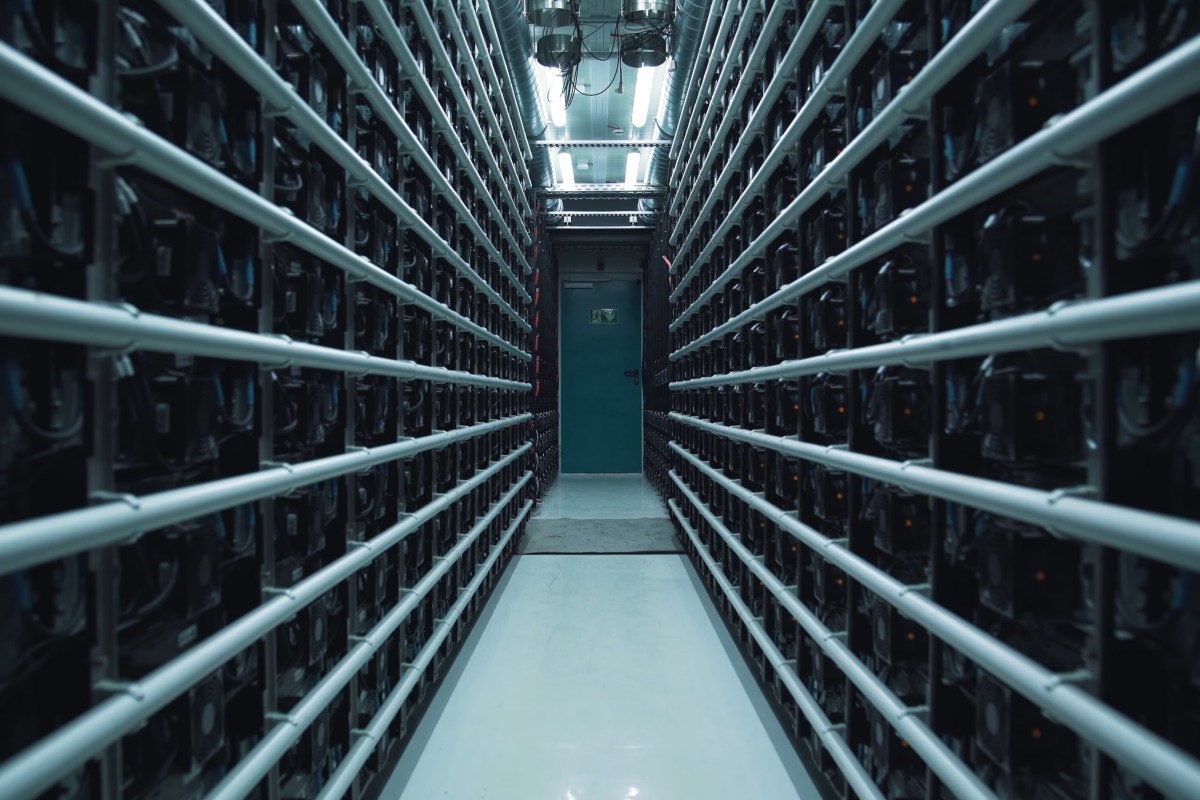
The rapid growth of artificial intelligence is increasing electricity demand from data centres and could encourage greater investment in energy storage and clean energy technologies, according to researchers from WU Vienna University of Economics and Business.
The researchers argue that, with appropriate policy and market reforms, data centre operators could play a larger role in supporting electricity networks by investing in on-site energy infrastructure alongside new computing capacity.
According to the International Energy Agency (IEA), global electricity demand from new data centres is expected to double by 2030. In the US, data centres could account for up to 17% of electricity consumption by the end of the decade.
To assess the potential impact of on-site energy storage, the researchers analysed electricity consumption across 96 UK data centres using data from UK Power Networks. Their findings suggest that using on-site batteries to meet peak demand could reduce peak electricity imports from the grid by 10–15%.
Research highlights role of batteries and grid flexibility
The paper also proposes a series of policy reforms, including changes to grid connection rules, greater support for on-site battery storage and clean energy generation, incentives for flexible computing loads during periods of grid stress, and measures to encourage investment in next-generation energy storage technologies.
The researchers argue that future data centre developments should be assessed not only by their electricity demand, but also by the flexibility, energy storage, and clean energy capacity they contribute to the wider electricity system.
Lead author Behnam Zakeri, Assistant Professor and Deputy Head of the Institute for Data, Energy and Sustainability (IDEaS) at WU Vienna University of Economics and Business, says, “AI is creating an unprecedented race for electricity. The question is not just where to find clean power, but how quickly it can be delivered to meet AI’s growing compute demand.
“Big tech companies are increasingly investing in energy storage as a solution to several of their power problems. What is now emerging is a ‘nexus’ where AI and energy storage reinforce one another.
“AI is already helping to discover new materials, accelerate battery development, and optimise energy storage systems. At the same time, the growing demand for reliable, clean electricity for data centres is creating a powerful market for batteries, long-duration storage, and other flexibility technologies.
“Under the right conditions, the digital infrastructure boom could help accelerate the clean energy transition beyond data centres themselves, creating spillover effects across other sectors.”