Data Centre Build News & Insights


Liberty Energy, PowerBridge form joint data centre venture
Liberty Energy, a Denver-based oilfield services company, and PowerBridge, a developer of power-integrated data centre campuses for hyperscale and AI, have formed a joint venture to support the development of powered data centre campuses, beginning with a planned 2GW site in West Texas, USA. The partnership combines PowerBridge's digital campus development experience with Liberty Power Innovations' power generation and energy management offerings to support large-scale AI and hyperscale data centre developments. The companies say the joint venture will provide an integrated approach to campus infrastructure and on-site power generation as demand for AI infrastructure continues to grow. Its initial focus is the proposed Alpha Digital Campus in West Texas, where the first phase is expected to include more than 300MW of generation capacity. Initial power delivery is targeted for the fourth quarter of 2027, with further deployment planned through the first half of 2028. Joint venture targets future AI infrastructure projects PowerBridge is responsible for developing the digital campus infrastructure, including pad-ready sites and a regional fibre conduit network, whilst Liberty Power Innovations will design, develop, and operate the modular power generation systems. The companies say the model is intended to support future gigawatt-scale data centre campuses serving hyperscale operators, AI workloads, and other large power users. Alex Hernandez, founder and Chief Executive Officer of PowerBridge, comments, "PowerBridge was founded on the premise of driving and solving the accelerating convergence between energy and digital infrastructure. Our mission is to serve our digital infrastructure customers with an integrated powered campus solution while building new power generation assets that strengthen grid reliability. "By aligning our powered campus development assets with Liberty's comprehensive power services and operational expertise, we are creating a model that can be scaled across future gigawatt-scale powered data centre campuses in West Texas." Ron Gusek, Chief Executive Officer of Liberty Energy, adds, "The most sophisticated customers are increasingly seeking partners that can simplify the delivery of large-scale digital infrastructure projects. As power availability becomes a defining factor in data centre development, customers need integrated solutions that align power generation, energy management, and campus infrastructure planning from the outset. "With PowerBridge, we are helping customers secure reliable power faster and more efficiently, supporting the accelerating growth of AI and digital infrastructure." The joint venture remains subject to the completion of commercial agreements and the required regulatory approvals.

DC BLOX joins 1GW AI data centre project
DC BLOX, a provider of connected data centres and fibre networks, has been selected as the digital infrastructure partner in a development consortium, led by Amentum, a US government services and engineering company, that has been chosen by the US Department of Energy's National Nuclear Security Administration (NNSA) to enter negotiations for a phased lease at the Savannah River Site in South Carolina. The proposed development includes a 1GW AI data centre campus alongside approximately 2GW of dedicated on-site energy generation. The project forms part of a federal initiative to use government-owned sites to support AI infrastructure development, increase power availability for the electricity grid, and advance nuclear reactor technologies. If negotiations are successful, the consortium will develop the project through a public-private partnership intended to accelerate the deployment of AI infrastructure and supporting energy capacity. AI infrastructure and energy development DC BLOX will provide expertise in the design, construction, and operation of digital infrastructure as part of the consortium. The company has previously invested in digital infrastructure across the region and is also a founding member of the Palmetto Nuclear Coalition. Jeff Uphues, CEO of DC BLOX, says, "DC BLOX is honoured to join Amentum and this visionary consortium to support a programme that accelerates our nation's economic growth through technology advancement. To lead, we must innovate not just in how we build data centres, but in how we power them." The Palmetto Nuclear Coalition brings together energy users, industry organisations, policymakers, and other stakeholders with the aim of supporting the future deployment of nuclear energy alongside digital infrastructure. The organisations say the approach is intended to provide reliable power for AI and cloud computing workloads. For more from DC BLOX, click here.

Data centre batteries could cut peak grid demand by 15%
The rapid growth of artificial intelligence is increasing electricity demand from data centres and could encourage greater investment in energy storage and clean energy technologies, according to researchers from WU Vienna University of Economics and Business. The researchers argue that, with appropriate policy and market reforms, data centre operators could play a larger role in supporting electricity networks by investing in on-site energy infrastructure alongside new computing capacity. According to the International Energy Agency (IEA), global electricity demand from new data centres is expected to double by 2030. In the US, data centres could account for up to 17% of electricity consumption by the end of the decade. To assess the potential impact of on-site energy storage, the researchers analysed electricity consumption across 96 UK data centres using data from UK Power Networks. Their findings suggest that using on-site batteries to meet peak demand could reduce peak electricity imports from the grid by 10–15%. Research highlights role of batteries and grid flexibility The paper also proposes a series of policy reforms, including changes to grid connection rules, greater support for on-site battery storage and clean energy generation, incentives for flexible computing loads during periods of grid stress, and measures to encourage investment in next-generation energy storage technologies. The researchers argue that future data centre developments should be assessed not only by their electricity demand, but also by the flexibility, energy storage, and clean energy capacity they contribute to the wider electricity system. Lead author Behnam Zakeri, Assistant Professor and Deputy Head of the Institute for Data, Energy and Sustainability (IDEaS) at WU Vienna University of Economics and Business, says, "AI is creating an unprecedented race for electricity. The question is not just where to find clean power, but how quickly it can be delivered to meet AI’s growing compute demand. "Big tech companies are increasingly investing in energy storage as a solution to several of their power problems. What is now emerging is a ‘nexus’ where AI and energy storage reinforce one another. "AI is already helping to discover new materials, accelerate battery development, and optimise energy storage systems. At the same time, the growing demand for reliable, clean electricity for data centres is creating a powerful market for batteries, long-duration storage, and other flexibility technologies. "Under the right conditions, the digital infrastructure boom could help accelerate the clean energy transition beyond data centres themselves, creating spillover effects across other sectors."

Terra Innovatum targets Latin American data centres
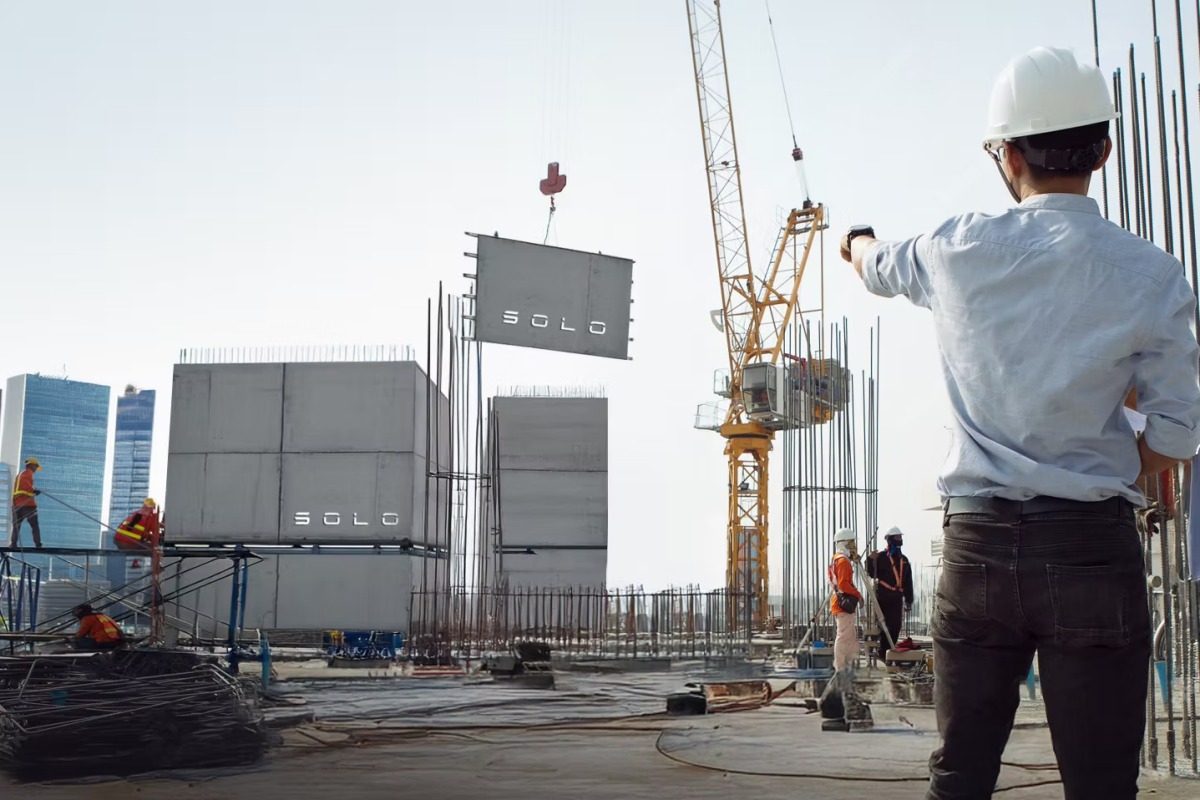
Terra Innovatum Global, a developer of micro-modular nuclear reactors, has signed a commercial letter of intent (LOI) with Waiken ILW to deploy its SOLO micro-modular nuclear reactor platform at data centre facilities operated by DIRECTV Latin America and SKY Brasil in Jaguariúna, Brazil. The agreement covers an initial deployment of up to 8MWe of behind-the-meter generating capacity, with the reactors intended to provide on-site power for the facilities. Alessandro Petruzzi, co-founder and CEO of Terra Innovatum Global, says, "This initiative aims to provide reliable, behind-the-meter clean energy solutions for Waiken ILW’s data centers while serving as a proof of concept for other long-term, energy-intensive operations within the Waiken ILW group of companies. "Critical communications infrastructure demands uninterrupted, resilient power. We believe this agreement demonstrates the growing commercial opportunity for behind-the-meter nuclear energy beyond AI data centres, extending into media, telecommunications, and other critical infrastructure sectors." First commercial deployment planned for the region The companies note that the project marks Terra Innovatum's first announced commercial deployment initiative in Latin America and reflects increasing interest in factory-built, micro-modular nuclear reactors for energy-intensive facilities. The SOLO platform is intended for use across a range of sectors, including telecommunications, cloud infrastructure, data centres, financial services, healthcare, and industrial facilities. Giordano Morichi, Founding Partner, Chief Business Development Officer, and Director of Investor Relations at Terra Innovatum Global, comments, "This strategic collaboration with Waiken ILW highlights the commercial strength of our global supply chain and the versatility of our SOLO technology. "The agreement demonstrates that SOLO is not designed for a single market; rather, it is a platform that can scale across multiple industries and geographies, including telecommunications, cloud infrastructure, and data centres, financial services, healthcare, industrial facilities, and other mission-critical operations." Carlos Magariños, Chief Global and Regulatory Strategy at Waiken ILW, adds, "We partner with Terra Innovatum Global to drive a forward-looking energy strategy that reinforces our long-standing commitment to innovation, sustainability, and technological excellence across all our companies and partners. "This alliance will strengthen our infrastructure by delivering reliable, behind-the-meter clean energy to DIRECTV’s and SKY’s broadcasting data centers, paving the way for a cleaner, more resilient, and self-sustaining energy future across Argentina, Brazil, and the broader region." For more from Terra Innovatum, click here.

Macquarie to buy A$240m site for 200MW data centre
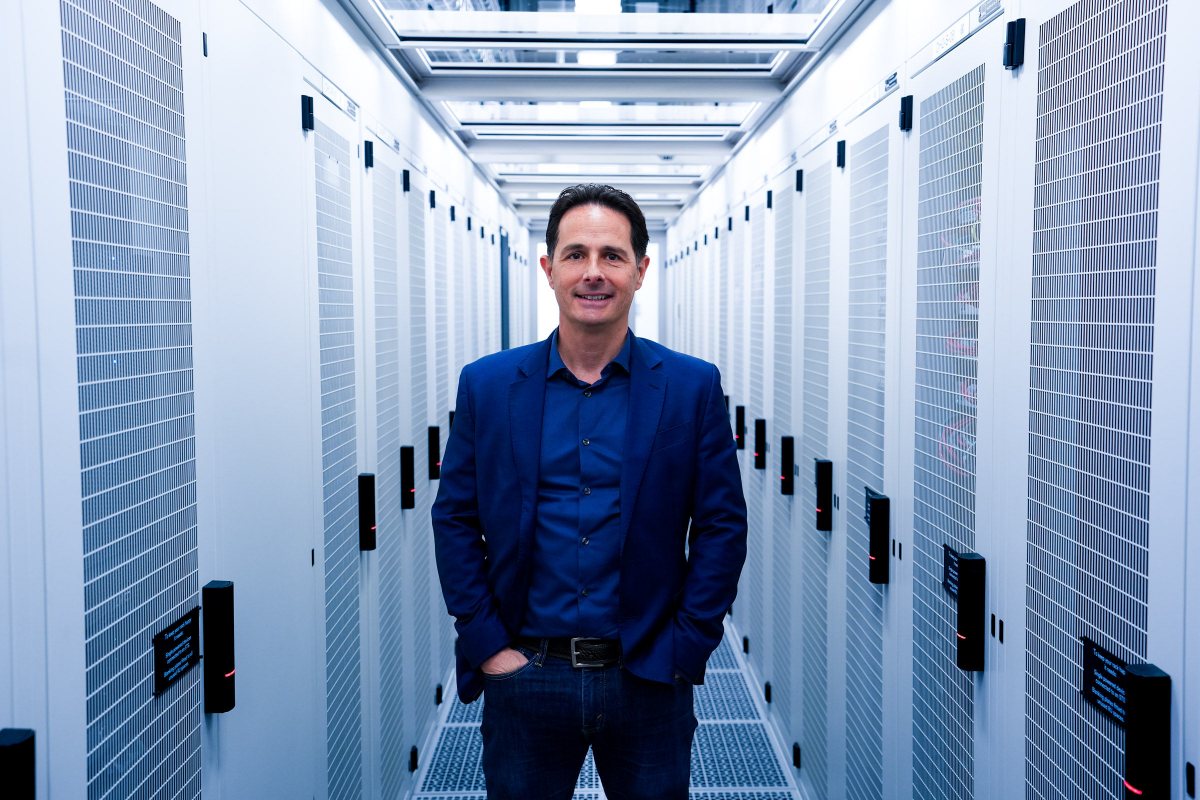
Australian data centre operator Macquarie Data Centres, part of Macquarie Technology Group, has announced plans to develop a new engineering and technology campus alongside a proposed 200MW data centre campus in Macquarie Park, Sydney, Australia. The company has exercised its option to acquire a 34,200m² development site for A$240 million (£124 million), with completion of the purchase subject to standard settlement procedures. The proposed development remains subject to planning and other regulatory approvals. Located in Sydney's North Zone (AZ1), the campus is intended to support AI, cloud, and cybersecurity infrastructure, whilst also providing engineering and research opportunities through a partnership with Macquarie University. Initial construction is expected to be completed in late 2029, subject to approvals. David Hirst (pictured above), CEO of Macquarie Data Centres, comments, "Alongside the ~200MW of Australian-owned and operated data centre [capacity] this will deliver to Sydney's North Zone, the proposed campus will also deliver lasting benefit to the local community. "In partnership with Macquarie University, students and researchers will gain hands-on access to the latest data centre, cybersecurity, and cloud technologies. It will also provide a more than one-acre-sized, intergenerational community park for City of Ryde residents." Campus plans extend beyond data centre infrastructure Macquarie says the proposed facility is being designed to support high-density AI workloads using advanced air cooling, closed-loop cooling technology (to minimise operational water consumption), and direct-to-chip liquid cooling within the data halls. The company also plans to incorporate community facilities into the site, including a park of more than one acre, a community garden, and an outdoor art gallery, subject to planning approval. Macquarie Data Centres says the development builds on its existing partnership with Macquarie University and is intended to provide students and researchers with access to operational data centre, cloud, AI, and cybersecurity technologies. For more from Macquarie Data Centres, click here.

Schneider research examines AI data centre maintenance
Global energy technology company Schneider Electric has published new research examining the role of condition-based maintenance (CBM) in supporting AI-era data centres. The IDC whitepaper, The Self-Aware Datacenter: How Condition-Based Maintenance Turns Fragmented, Multi-Vendor Datacenters into Predictable Infrastructure and System Intelligence, explores how increasing rack densities, multi-vendor environments, and shortages of skilled technicians are influencing maintenance strategies. According to the report, traditional, calendar-based maintenance is becoming less effective as data centre infrastructure becomes more complex. Instead, it highlights condition-based maintenance, which uses continuous monitoring and predictive analytics to identify potential equipment issues before failures occur. Jerome Soltani, Global Head of Services at Schneider Electric, says, "By combining remote monitoring capabilities with AI-assisted orchestration, you can gain insights regarding the health of your assets and systems, and get an early identification of abnormal behaviour that might precipitate a failure. "This ensures that downtime is minimised, but also that equipment that is working within specification is not disturbed or needlessly addressed." Research highlights growing operational challenges The whitepaper states that AI deployments are increasing rack power densities well beyond those typically found in conventional data centres, while mergers, acquisitions, and brownfield developments are creating more complex, multi-vendor environments. It also highlights the shortage of skilled engineers as a growing operational challenge, citing research indicating that demand for qualified personnel continues to outpace supply in many markets. According to IDC, organisations adopting AI-assisted CBM have reported reductions in manual interventions, operational expenditure, and unplanned downtime, alongside improvements in asset lifespan and operational efficiency. Luis Fernandes, Senior Research Manager at IDC and author of the whitepaper, explains, "Condition-based maintenance is an optimised operating model for AI-era infrastructure that reduces manual interventions, lowers OpEx, and extends asset lifecycle. "By scaling predictive analytics to correlate behaviour across every vendor, asset, and failure trajectory, CBM enables operators to build machine-driven, human-validated system intelligence." For more from Schneider Electric, click here.

Black & White Engineering expands into Spain
Data centre design consultancy Black & White Engineering has expanded its European operations with the opening of a new office in Madrid, strengthening its presence in Spain's growing data centre market. The new office will support increasing demand from data centre clients across Europe, providing civil, structural, MEP, and design management expertise from a local base. The Madrid operation will be led by Hector Hernandez (pictured above), Area Director, Spain, while Marcos Uttley has been appointed Regional Director, Europe, with responsibility for supporting the consultancy's growth across southern Europe. Marcos says, "Spain is an important market for data centre investment and gives us a strong base from which to support clients locally and across wider Europe. The Madrid office reflects our continued focus on building depth in key markets while drawing on the technical experience of our global team." Strengthening support for Europe's data centre market Hector Hernandez brings more than 20 years' experience in data centre and critical infrastructure engineering, having worked on projects across Europe, the Middle East, Australia, and the Americas. His experience spans hyperscale and colocation facilities, including advisory, design, construction, commissioning, and operational delivery. He comments, "The opportunity to build Black & White Engineering's presence in Spain from the ground up was a major draw. The market here is developing quickly and clients need advisors who understand both the technical demands of these projects and the local delivery environment." An Accredited Tier Designer by the Uptime Institute, Hector will work with the company's wider European leadership team as it continues to expand its operations in Spain. For more from Black & White Engineering, click here.

Pure DC begins first phase of 550MW Finnish AI campus
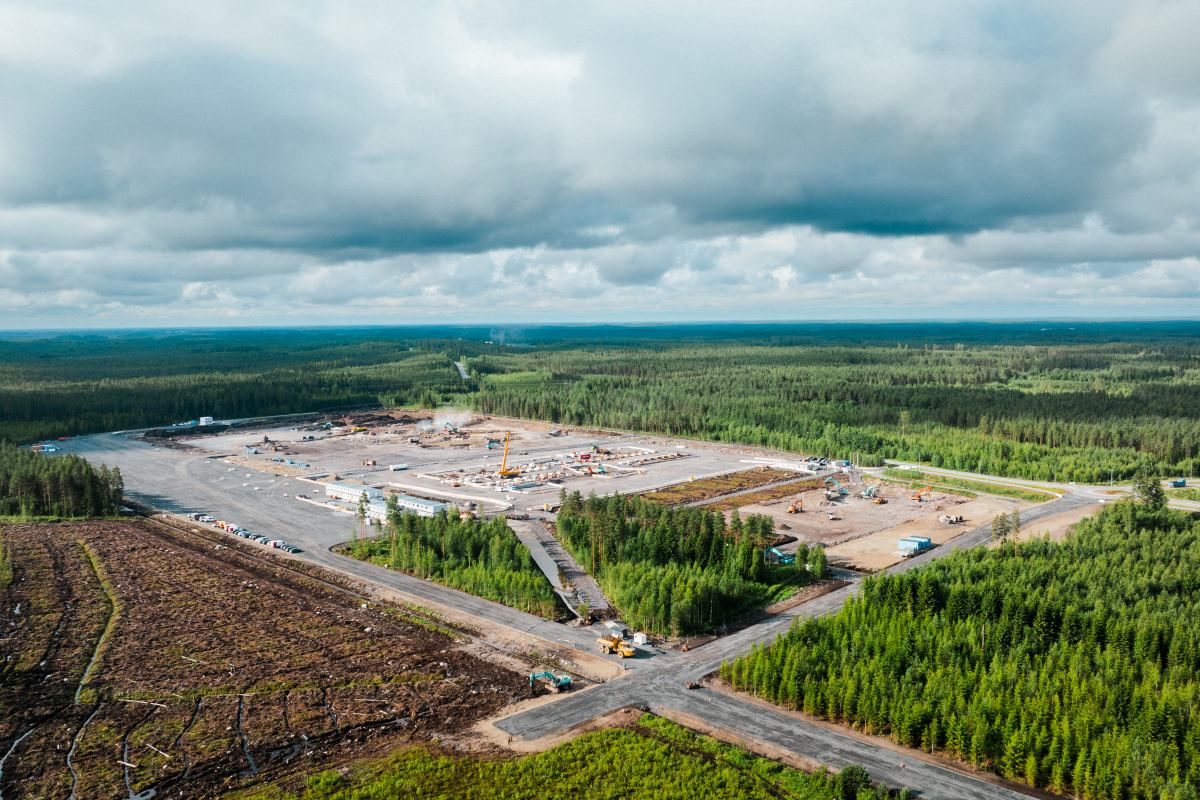
Pure Data Centres Group (Pure DC), a designer, developer, and operator of hyperscale data centres, has begun the first phase of a planned 550MW AI data centre campus in Seinäjoki, Finland, with Phase One representing an investment of more than €1.5 billion (£1.2 billion). The initial 110MW phase has been fully leased, with planning permission secured and the substation for the first data hall already operational. Subject to future approvals and commercial agreements, the development could expand to more than 550MW of IT capacity, representing a total investment exceeding €7.5 billion (£6.3 billion). The campus is being developed in partnership with SDC Ventures and is expected to create more than 3,000 construction jobs over the course of the project. Pure DC says the development will also support improvements to local electricity and telecommunications infrastructure. Gary Wojtaszek, Executive Chairman and Interim CEO of Pure DC, notes, “Countries building AI infrastructure over the next decade will shape the global economy for the next 50 years. Finland has all the ingredients required to lead this transformation: world class engineering talent, abundant renewable energy, and a culture of innovation that gave rise to Nokia. “We are not building data centres in Seinäjoki; together with our partners, including the Seinäjoki Municipality, we are helping create one of Europe’s most important AI ecosystems capable of supporting global tech leaders as well as the next generation of Finnish entrepreneurs and innovators.” A campus designed for large-scale AI workloads Known as SJK01, the 370-acre campus is planned to support more than 550MW of IT capacity for AI and machine learning workloads. The site will have access to more than 700MVA of renewable power and will be built using repeatable 40MW modules incorporating direct liquid cooling for high-density computing. The development will also include closed-loop cooling systems that use no water during operation and will support district heating through waste heat recovery. In addition, Pure DC says it will work with Seinäjoki University of Applied Sciences and local vocational institutions to develop specialist training programmes aimed at supporting future employment in the data centre sector. The British Ambassador to Finland, Laura Davies, comments, “I am delighted by this major UK investment into Pure DC’s new site in Seinäjoki - the largest yet by a UK company in Finland. It's an example of the growing role of UK companies in financing and delivering digital infrastructure across Europe, which is a key component of building our shared data sovereignty. “Not only will this AI data centre campus become one of Finland’s largest inward investment projects, but it will be a critical enabler of scientific excellence and [will] provide a platform to develop industrial competitiveness and sovereign capability. "Side by side in the top 10 of the Global Innovation Index, the UK and Finland already lead the way on AI and AI security, and this kind of world-class compute infrastructure will further support our ability to shape the future of AI for the better.” For more from Pure DC, click here.

Meta commits $50bn to 5GW Louisiana data centre campus
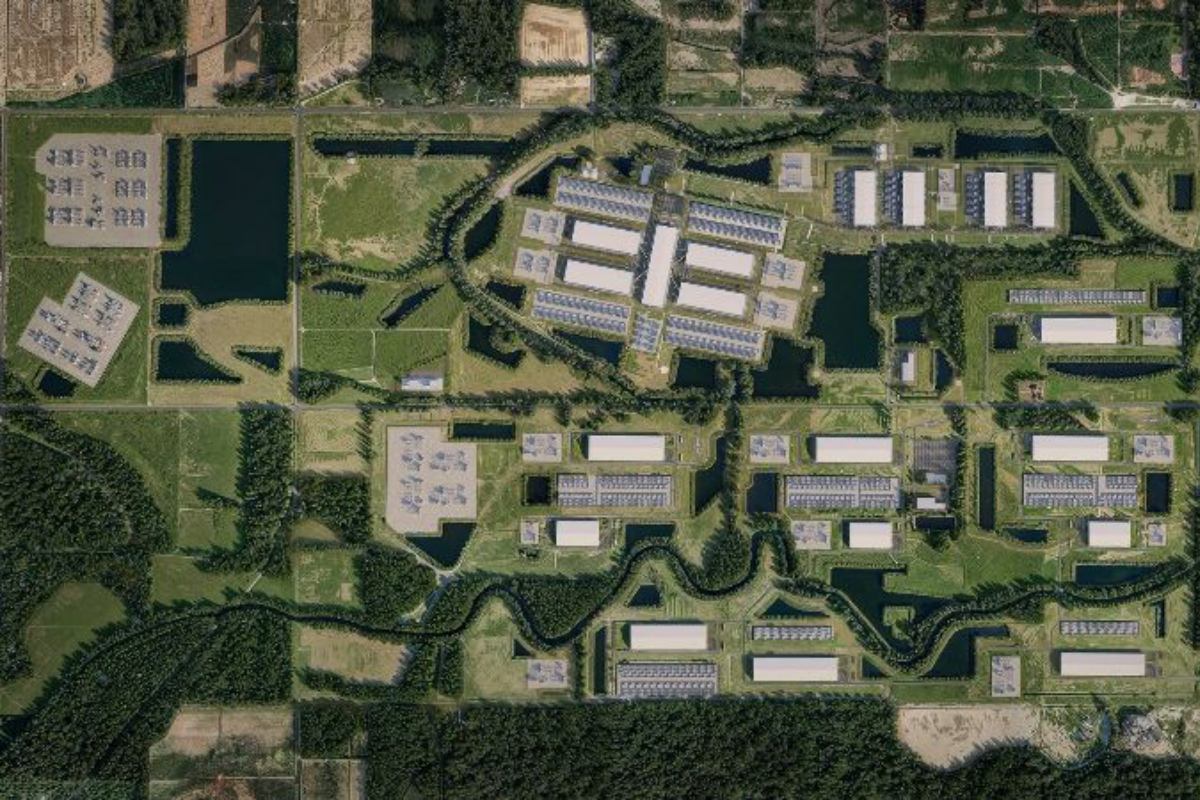
US technology company Meta has increased its investment in its Richland Parish data centre campus in Louisiana, USA, to more than $50 billion (£37.4 billion), expanding the site to almost 10 million square feet (929,030m²) with a planned IT capacity of 5GW. The facility will house Hyperion, Meta's largest AI training cluster, making it the company's biggest data centre campus and one of the largest data centres ever announced. The expansion comes as demand for AI infrastructure continues to increase, with the campus expected to play a significant role in supporting Meta's AI operations. Expansion brings jobs and energy investment The project is expected to support up to 7,500 construction jobs at peak activity, alongside approximately 1,000 operational roles. Louisiana Economic Development estimates the development will also generate around 1,900 indirect jobs across the region. Meta says it has already awarded more than $1.6 billion (£1.1 billion) in contracts to Louisiana businesses and has invested over $1 million (£748,000) in community projects across Richland Parish since construction began. The company has also established workforce partnerships with local colleges and training providers to support careers in skilled trades and data centre operations. The expansion is supported by an agreement with Entergy Louisiana, which includes investment in new electricity infrastructure comprising seven natural gas-fired power stations, three grid-scale battery projects, potential nuclear generation developments, and additional purchased power. Meta has also committed to funding up to 2.5GW of renewable energy and says it plans to return 100% of the site's water consumption to local watersheds through restoration and water infrastructure projects. Rachel Peterson, Vice President of Data Centers at Meta, comments, "From the beginning, this project has always been about more than building infrastructure; it's about building alongside the community. "The people, workforce, and partnership we've found in Louisiana have enabled this project to be a cornerstone of our global infrastructure. "With more than $1.6 billion already contracted with local companies and thousands of jobs being supported, we're delivering real economic impact alongside the AI infrastructure that will power the future." For more from Meta, click here.

DeepInfra opens its first international AI data centre
DeepInfra, a US cloud platform providing inference infrastructure for AI, has opened a new data centre in Toronto, Canada, marking the company's first facility outside the US as it expands its AI inference infrastructure. The 1.7MW site is DeepInfra's ninth data centre and will host more than 1,000 NVIDIA Blackwell GPUs. The company says the expansion increases its AI inference capacity whilst supporting lower-latency services for customers across North America and other international markets. Supporting growing AI inference demand According to research from McKinsey & Company, AI inference is expected to account for more than 40% of total data centre demand by 2030. The growth is being driven by organisations moving AI models into production, increasing demand for GPU infrastructure capable of supporting real-time applications, AI agents, and high-volume API traffic. DeepInfra says the Toronto deployment forms part of its wider infrastructure strategy as demand for AI inference continues to grow. Nikola Borisov, CEO and co-founder of DeepInfra, notes, "Enterprises are moving from experimentation to production at unprecedented speed, and that shift demands infrastructure that is both scalable and globally distributed. "This Toronto cluster is a foundational step in expanding our capacity beyond the US and ensuring customers can run AI workloads closer to where their users and data reside." The Toronto facility follows DeepInfra's 'Series B' funding round and forms part of the company's plans to increase AI inference capacity in strategically selected regions. Additional international deployments are also being evaluated as demand for GPU-intensive AI workloads continues to increase.


Translate »