Modular Data Centres in the UK: Scalable, Smart Infrastructure


Secure I.T. completes UPS and AHU upgrades for NHS
Secure I.T. Environments (SITE), a UK design and build company for modular, containerised, and micro data centres, has completed uninterruptible power supply (UPS) and air handling unit (AHU) upgrades at two live data centres operated by an unnamed NHS Foundation Trust. The projects were carried out while both facilities remained operational and were designed to improve resilience, energy efficiency, and future scalability for the Trust's critical digital infrastructure. The UPS upgrade replaced two end-of-life systems with modular Riello Multi Power infrastructure. SITE installed two 252kVA UPS chassis, each configured at 84kVA N+1 using 42kW power modules. The modular design allows additional capacity to be added in the future without replacing the entire platform. Cooling upgrade improves efficiency The second project involved replacing ageing AHUs at a data centre originally designed and built by SITE during the 2000s. The facility supports a hospital with more than 800 beds, outpatient services, and one of the South East's busiest emergency departments. As part of the works, the existing condenser compound was decommissioned and replaced with a new ground-level installation designed to improve heat rejection performance. The upgraded FläktGroup AHUs were specified to maintain environmental conditions during higher ambient temperatures, whilst also incorporating physical security measures and remote monitoring capabilities. According to SITE, the new cooling equipment is expected to reduce carbon emissions by more than 58,000kg annually and deliver energy cost savings of approximately £32,305 per year, with a projected return on investment of just over three years. Working around ongoing operations The projects were delivered in carefully planned phases to minimise disruption to hospital operations. The UPS systems were replaced one at a time over two weekend shutdowns, with construction work for the cooling upgrade being scheduled to reduce the impact on visitors and nearby clinical services. A spokesperson for the Trust comments, "This was a big and critically important project for the hospital, carried out smoothly by Secure I.T. Environments. We were really grateful for the work and professionalism of the team, and its partners Riello, throughout the project." The UPS project also included new underfloor containment and cabling, DC transition boxes, integration with the existing battery strings following testing, remote monitoring, commissioning, load bank testing, and operational training for estates engineers. Jo-Anne Garvie, Commercial Director at Secure I.T. Environments, says, "In hospital environments, the resilience of supporting infrastructure has to be treated with the same discipline as the IT systems it protects. "These projects have resulted in a more flexible and maintainable power platform and energy-efficient cooling infrastructure. Together, they support the Trust's current operational needs and give it a clear path for future expansion." For more from SITE, click here.

AVK to open UK PowerPods manufacturing facility
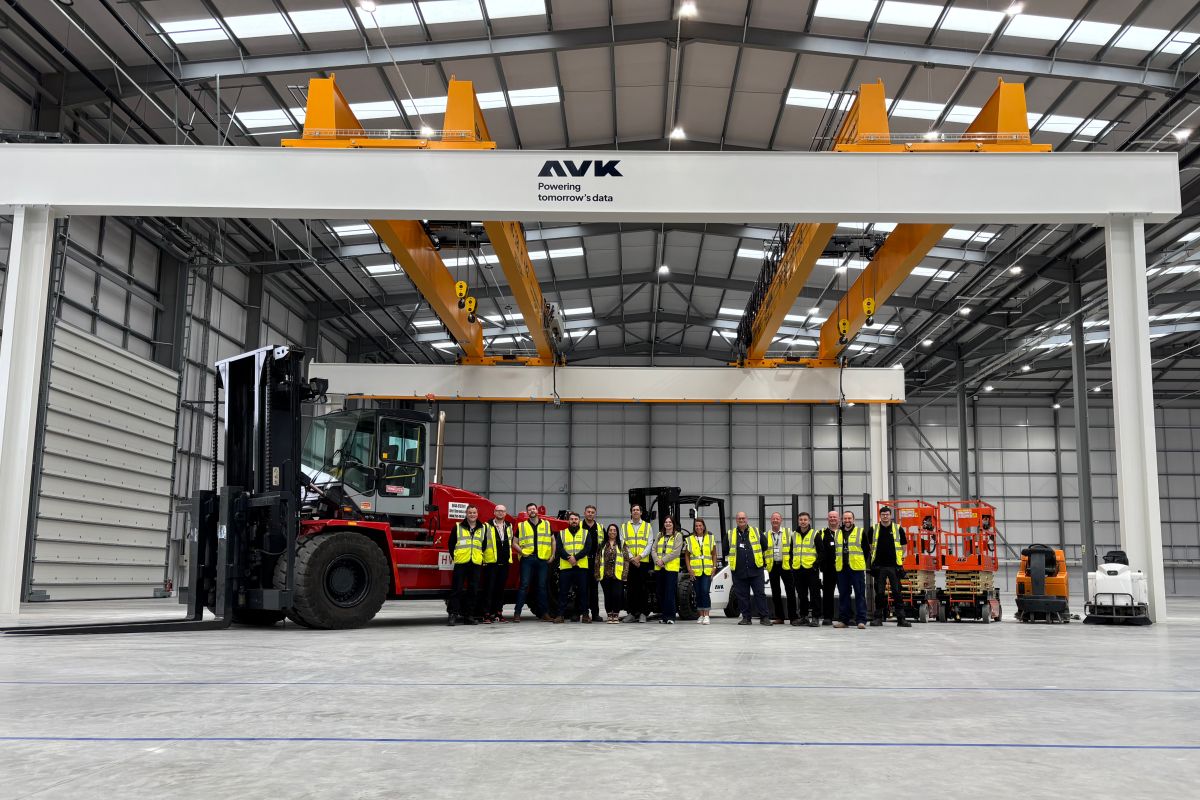
AVK, a provider of power systems and electrical infrastructure for data centres, has announced plans to open its first standalone UK manufacturing facility in Haydock, supporting production of modular power systems for data centres and AI infrastructure. The site, located in the Liverpool City Region, will assemble the company's modular low- and medium-voltage (LV/MV) PowerPods, which provide pre-engineered power infrastructure for data centres. AVK says the facility represents an initial investment of £3 million and forms part of its UK manufacturing strategy. The company expects the facility to create a range of skilled jobs during its first year, with further recruitment planned as production increases. Roles will include electrical and mechanical installation engineers, plant movement operatives, warehousing staff, graduate positions, and apprenticeships. AVK has also partnered with St Helens College to deliver work placements and Level 3 engineering apprenticeships. The programme will include electrical and mechanical training, with progression routes into higher engineering qualifications. Haydock was selected for its engineering heritage and transport links, with the site located close to Junction 23 of the M6 to support distribution across the UK and Europe. Facility investment brings manufacturing and engineering roles AVK says the new facility reflects increasing investment in the infrastructure required to support AI and hyperscale data centres. Simon Davis, Head of Production Modular Services at AVK, notes, "PowerPods complete our proposition to the data centre market, and Haydock gives us the dedicated home to build them at scale. This is a British business investing in British manufacturing and British skills, in a region with a proud industrial heritage. "The facility will strengthen the UK's ability to power the AI economy while creating real opportunities for local people, apprentices, and graduates for years to come." Lord Stockwood, Minister for Investment, adds, "AVK-SEG’s investment in Haydock is a strong vote of confidence in UK advanced manufacturing and the Liverpool City Region, creating skilled jobs, boosting apprenticeships, and strengthening our role in powering the AI economy." George Woodward, Leader of St Helens Borough Council, similarly states that the investment demonstrates confidence in the borough's engineering heritage and will help create skilled employment while strengthening links between industry and education. For more from AVK, click here.

Durata launches modular power infrastructure system
Durata, a critical power and modular data centre infrastructure provider, has introduced PowerCore, a factory-built power infrastructure system designed to simplify the deployment of data centres and other critical infrastructure projects. The modular system integrates power distribution equipment into a single factory-assembled unit, reducing the need to source and coordinate multiple suppliers before installation on site. According to Durata, the launch comes as demand for AI, cloud computing, and digital infrastructure continues to increase, placing greater pressure on operators to bring new capacity online more quickly. PowerCore combines ring main units (RMUs), transformers, switchgear, uninterruptible power supplies (UPS), and busbar infrastructure into a single integrated system manufactured at the company's 80,000ft² (7,432m²) facility in the North East of England. Factory-built approach targets faster deployment Durata says PowerCore is designed, fabricated, and assembled in-house before delivery, reducing on-site construction work and simplifying project management. The company estimates the approach can reduce deployment times by up to 60% while improving quality control and programme certainty. PowerCore is designed to work with equipment from a range of manufacturers, supporting UPS, generator, switchgear, and battery technologies. Durata says the platform can be configured in stacked, linear, or side-by-side layouts to suit individual site requirements and support future expansion. The system is intended for deployments ranging from 10kW to 150kW per rack, making it suitable for hyperscale, colocation, enterprise, edge, artificial intelligence, and high-performance computing environments. Lewis Cobb, Global Director of AI Factories and Modular Data Centres at Durata, comments, "The biggest challenge facing many critical infrastructure projects today is getting power infrastructure at scale delivered quickly enough. "Operators are often managing multiple suppliers, competing lead times, and complex on-site integration programmes. Our PowerCore solution removes that complexity by delivering the complete power stack as a single coordinated system, configured to the customer's requirements and ready for rapid deployment. "By designing, fabricating, and integrating the solution in-house, we can provide greater control over quality, delivery, and programme timelines while giving customers a faster route to deployment. "Data centre operators increasingly need a strategic delivery partner rather than a collection of individual suppliers. We take responsibility for the engineering, fabrication, integration, logistics, and delivery of the entire power infrastructure package. "That reduces project complexity, mitigates risk, and helps customers bring critical infrastructure online faster and with greater confidence." For more from Durata, click here.

EDGE Modular launches containerised data centres
EDGE Modular has launched globally, expanding its containerised data centre offering for edge computing, telecoms, and remote infrastructure deployments. The New Zealand-based company, a division of Edge Defence, designs and manufactures modular data centre systems intended for rapid deployment in locations where traditional construction may be impractical or time-consuming. According to EDGE Modular, the systems are aimed at organisations requiring scalable infrastructure for edge computing and localised data processing. The company says its modular approach allows systems to be manufactured, tested, and deployed more quickly than conventional brick-and-mortar facilities, while also supporting future expansion through scalable designs. John Gell, General Manager at EDGE Modular, explains, “Our mission is to provide innovative, containerised data centre solutions tailored to the unique needs of each client. "We ensure efficiency, quality, and flexibility for future growth in every project we undertake.” Modular infrastructure for edge computing EDGE Modular’s portfolio includes containerised data centres in 10ft, 20ft, and 40ft formats, alongside telecom exchange units, command and control rooms, battery storage systems, and specialist workshop environments. The company states that its infrastructure is designed for deployment in remote and challenging environments, with systems transportable via road, rail, or sea using standard shipping container logistics. EDGE Modular also says its systems are designed for concurrent maintainability, allowing maintenance work to be carried out without interrupting critical operations. In addition to manufacturing, the company provides infrastructure consultancy, system design services, and maintenance support for deployed installations.

hi-tequity reports 5GW modular power delivery
hi-tequity, a provider of mission-critical infrastructure for data centres, says it has delivered 5GW of data centre infrastructure over a two-and-a-half-year period, alongside completing more than 200 projects. The company states that this activity includes deployments structured around 100MW data centre blocks, reflecting increasing demand from hyperscale and AI-driven workloads. Operations have also expanded across 25 US states during this period, as demand for capacity continues to grow. Industry forecasts highlight the scale of that demand. The International Energy Agency reports that electricity use from data centres could double by 2026, driven largely by AI workloads. At the same time, CBRE data indicates vacancy rates in major US markets have fallen below 3%, with power availability emerging as a primary constraint on new developments. A focus on power and deployment timelines hi-tequity attributes its recent boost in activity to a focus on power availability, supply chain coordination, and construction timelines. The company states it secures electrical capacity before site acquisition, while also working with manufacturing partners to support equipment supply, including transformers, switchgear, uninterruptible power systems, and cooling infrastructure. It also reports the use of modular and prefabricated approaches to reduce construction timelines for large-scale deployments. As data centre design requirements evolve, particularly for AI applications, the company highlights increasing rack densities exceeding 30kW, alongside higher cooling and power redundancy requirements. Ryne Friedman, Associate at hi-tequity, comments, “The bottleneck in AI infrastructure is no longer compute; it’s power and deployment speed. "Our ability to deliver 100MW in nine months and scale to 5GW of infrastructure demonstrates that the industry needs a fundamentally different approach to building data centres - one that starts with power and ends with execution certainty.”

Prism expands into the US market
Prism Power Group, a UK manufacturer of electrical switchgear and critical power systems for data centres, is looking to purchase a US business that already has UL Certification (for compliance, safety, and quality assurance regulations) and is reportedly raising $40 million (£29.8 million) for the acquisition. With surging data centre demand straining power infrastructure and outpacing domestic capacity, US developers are actively seeking trusted overseas suppliers to keep pace. Prism says it is well placed to take advantage of the current climate, having forged its reputation in mechanical and electrical infrastructure for modular data centre initiatives in the UK and across Europe since 2005. It adds that its engineers have executed a variety of end-to-end installations, from high-voltage substations and backup generators to low-voltage switchboards that safeguard servers, in "tightly scheduled" data centre projects. Expansion to meet ongoing supply strain Adhum Carter Wolde-Lule, Director at Prism Power Group, explains, “The scale and urgency is such that America’s data centre expansion has become an international endeavour, and we’re again able to punch well above our weight in providing the niche expertise that’s missing and will augment strained local supply chains on the ground, straight away. “Major power manufacturers in the United States are ramping up production, while global giants have announced new stateside factories for transformers and switchgear components, aiming to cut lead times and ease the backlog - but those investments will take years to bear fruit and that is time the US data centre market simply doesn’t have.” Keith Hall, CEO at Prism Power Group, adds, “For overseas engineering companies like us [...], the time is now and represents an exceptional opening into the world’s fastest-growing infrastructure market. "Equally, for the US sector, the willingness to look globally for critical power systems excellence will prove vital in keeping ambitious build-outs on schedule and preventing the data centre explosion from hitting a capacity wall.”

SITE delivers modular DC on remote Atlantic island
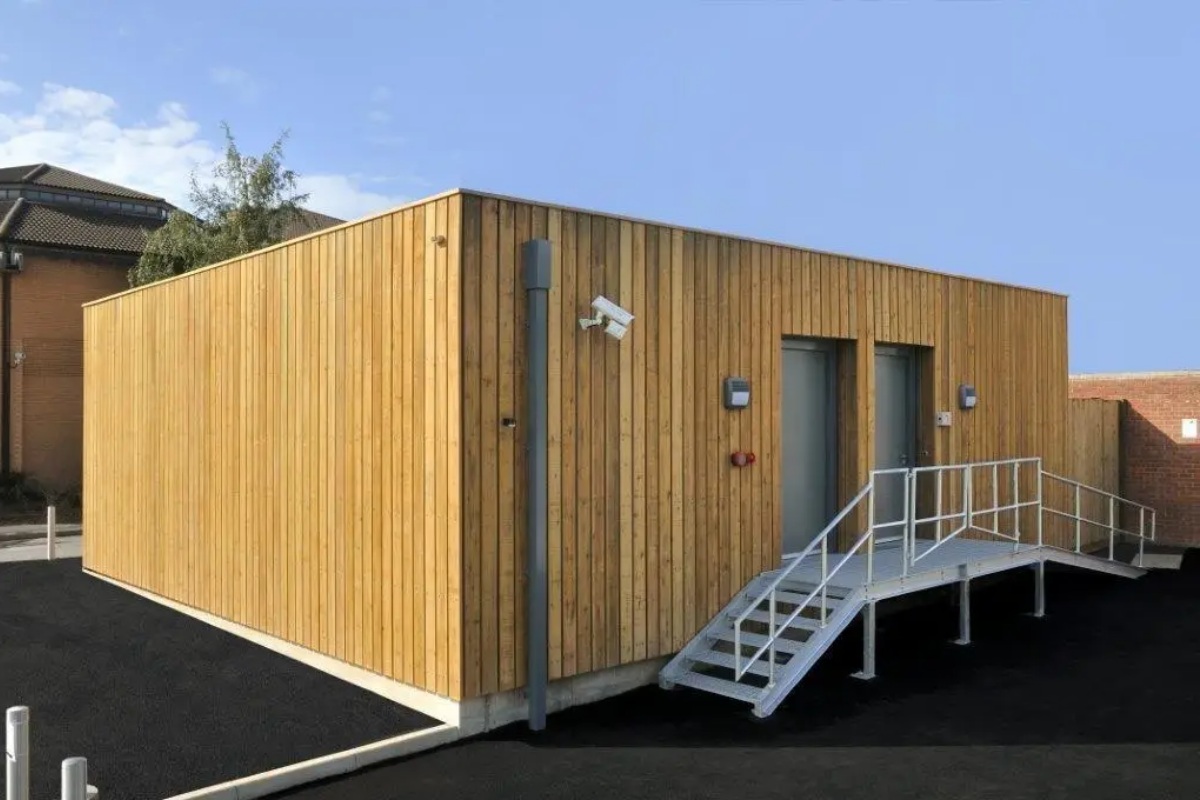
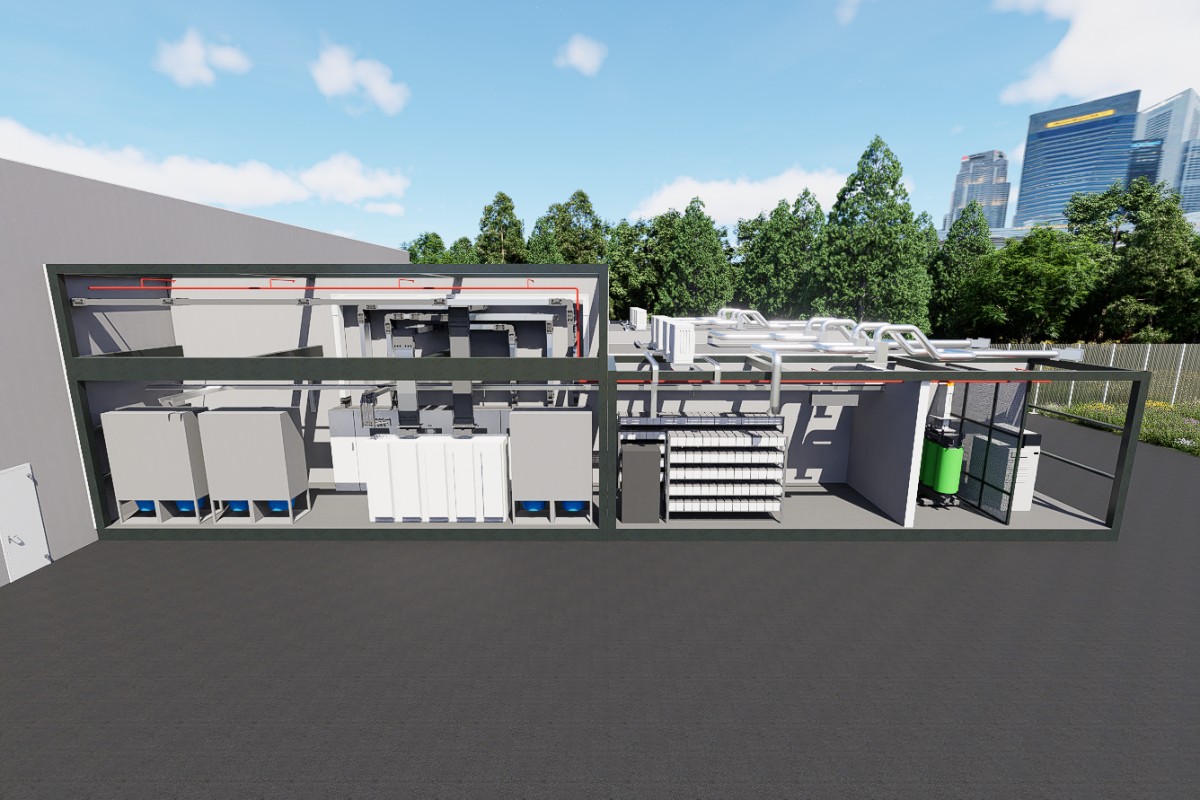
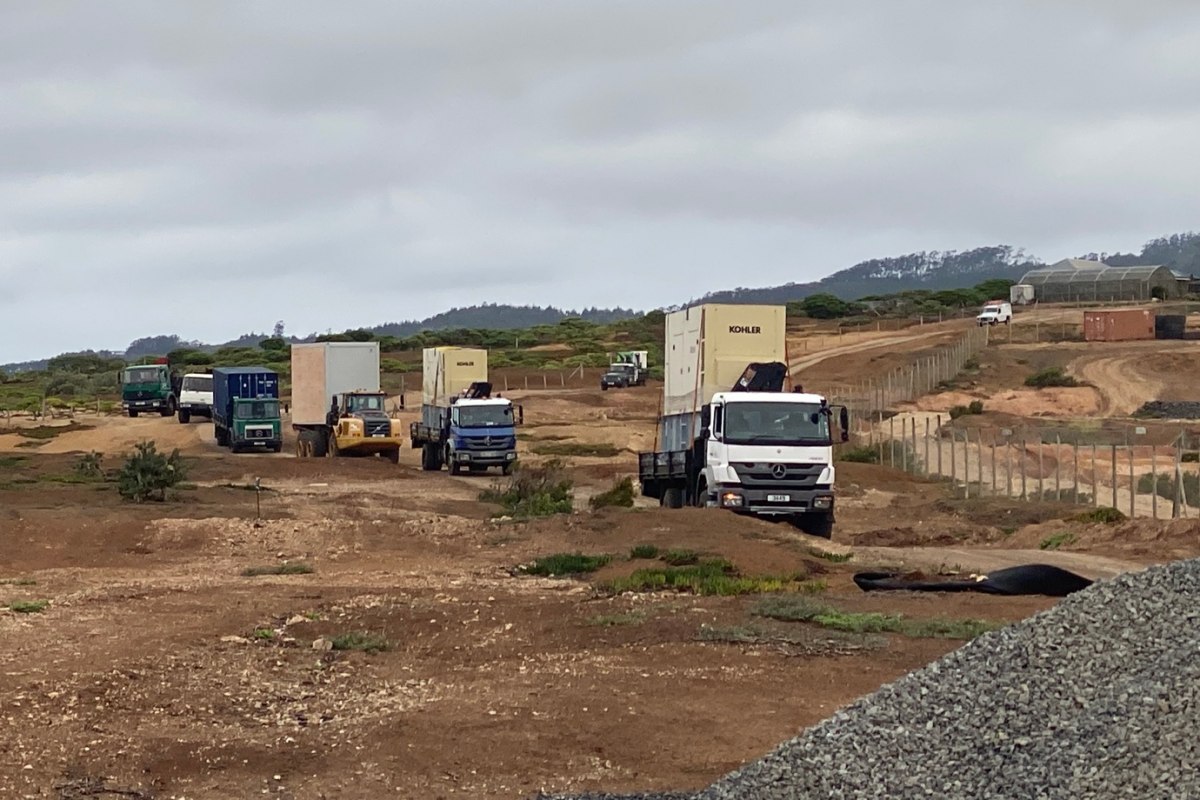
Secure I.T. Environments (SITE), a UK design and build company for modular, containerised, and micro data centres, has announced the completion of a complex, modular, containerised data centre for a global telecommunications provider on a remote South Atlantic island. The facility will support mission-critical ground operations connecting customers to next-generation satellite and subsea backbone services. Located 1,800km west of mainland Africa, the remote island offers an effective operating profile for satellite connectivity, but presented formidable barriers including rugged volcanic terrain with no pre-existing access road, minimal local infrastructure, limited sea freight windows, and a single weekly flight subject to weather. The brief demanded a resilient, high-capacity facility capable of continuous operation in a corrosive coastal climate, delivered with meticulous risk management and zero compromise on safety or performance. Overcoming challenging logistics One of the defining aspects of this project was the logistical coordination required not just across continents, but in partnership with the local community. The island’s small population meant that everyone from hotel owners to logistics workers became part of the project in some way. The project created local employment opportunities and, the company says, fostered a sense of community pride in supporting a high-tech project. Given the island's limited flight availability (one flight per week, weather permitting), all deliveries, personnel scheduling, and construction phases had to be meticulously timed. The team also had to navigate unpredictable weather, which could delay flights and shipping schedules. A spokesperson for the client outlines, “This was such a crucial project for us. We did a huge amount of work ensuring we picked an experienced data centre builder that could cope with the challenges. "SITE supported us throughout the design phase, adapted to meet our needs, and created a very detailed plan for delivery and installation, focused on minimising risks. We are very pleased with the outcome.” SITE’s bespoke solution Initial design discussions to final commissioning took 12 months and was completed on time. SITE designed, manufactured, pre-built, and factory-tested a multi-container modular facility - comprising a main data room, a separate UPS/switch room, and lobby space - engineered specifically for the island’s conditions, including specially adapted air conditioning condensers, protective coatings, and materials to withstand high salinity levels and ocean spray. The architecture integrates high-density IT racks with cold-aisle containment, N+1 energy-efficient cooling, modular N+1 UPS, custom switchgear, fire detection and suppression, security systems (CCTV, access control, intruder alarms), fibre raceways, and full electrical infrastructure. All modules underwent integrated systems testing (IST) in the UK to ensure seamless on-site assembly and performance alignment once deployed. Chris Wellfair, Projects Director at SITE, comments, “This was an extraordinary project in every sense: remote location, complex logistics, and high client expectations. "Our modular approach and close collaboration with clients ensured a smooth delivery despite the odds. It’s a project we’re incredibly proud of.” For more from SITE, click here.

NorthC to build new data centre in Geneva
NorthC Group, a data centre operator in Northwest Europe, will begin construction of a new data centre in Geneva, Switzerland in Q1 of this year. The new facility will be built at The Hive campus, a technology park just outside Geneva. This will be NorthC’s sixth data centre in Switzerland, in addition to its existing data centres in Biel (Bern), Winterthur (Zurich) and Münchenstein (Basel), as well as the recently announced and yet-to-be-built data centre on the uptownBasel campus in Arlesheim (Basel). The total IT capacity will be 4.5 MW, delivered in phases of 1.5 MW, and the data centre will have a total floor area of 5,400 m², with construction expected to be completed by Q2 2028. NorthC says it will prioritise sustainability in constructing the new data centre "by implementing innovative technologies." The facility will use 100% green power, consistent with all of NorthC's data centres, and its cooling system will require no water. Additionally, backup generators will operate on HVO100, a fossil-free fuel made from renewable materials such as vegetable oils and waste fats. Designed for AI The new data centre will be designed to support emerging technologies (such as inference applications) through direct-to-chip (D2C) liquid cooling, which dissipates heat from computer chips more efficiently than traditional methods. Alexandra Schless, CEO of NorthC Group, comments, “Geneva is an important commercial and economic hub in Switzerland, alongside the Basel and Zurich regions. Demand for digital services - and, consequently, for data centre capacity - is growing rapidly. "This makes Geneva a logical location for NorthC to build a new data centre. The proximity to the renowned scientific research centre, CERN, also offers new opportunities for collaboration in scientific research and innovation, including AI.” Modular design and readiness for residual heat exchange The new Geneva data centre will be built according to NorthC’s standard blueprint design, which is based on modular construction, meaning additional modules can be added and activated as demand increases. This approach often results in more efficient energy consumption and enables rapid scaling. The data centre will also have a direct, high-speed data connection to NorthC’s other locations in Switzerland, providing customers in the region with fast access to services running at other locations. The construction, led by HIAG, a Swiss real estate developer, aims to ensure that the Geneva data centre is designed with sustainability at its core. Like almost all of NorthC's data centres, the Geneva facility will be prepared to support the exchange of residual heat. At The Hive campus, where the data centre is being built, this heat will be used to supply nearby buildings. The facility is also being prepared for a potential future connection to the district heating network operated by the local energy company. For more from NorthC, click here.

Vertiv, GreenScale to deploy DC platforms across Europe
Vertiv, a global provider of critical digital infrastructure, and GreenScale, a developer of hyperscale data centre campuses, have announced a strategic collaboration to deliver factory-integrated data centre platforms engineered for next-generation AI workloads in Europe. Following a competitive pre-qualification questionnaire (PQQ) process, GreenScale selected Vertiv as its preferred provider for standardised, prefabricated Vertiv OneCore hybrid-built data centres. While GreenScale will manage slab-down construction and site-wide infrastructure, Vertiv will provide AI-ready data centre modules engineered to support liquid-cooled deployments of NVIDIA Grace Blackwell GB200/300 graphic processing units (GPUs), including next-generation Vera Rubin GPUs. Vedran Brzic, VP Infrastructure Solutions Business EMEA at Vertiv, says, “AI workloads demand density and speed. By integrating the Vertiv OneCore platform into GreenScale’s standard design, we can help to accelerate deployment of scalable infrastructure for AI, high-performance (HPC), and high-density computing. "Our scalable prefabricated solution integrates our proven power, thermal, and IT infrastructure into a single factory-assembled system that can help customers deploy high-density capacity more efficiently while increasing reliability and performance.” Vertiv's OneCore platform The Vertiv OneCore platform supports up to 200+ kW per rack and features coolant distribution units (CDUs) with a dual-loop liquid cooling system. The platform is supported by Vertiv SmartRun overhead prefabricated infrastructure, which includes an integrated secondary fluid network (SFN) for liquid-cooled thermal management - optimised for GPU-intensive architectures - and power distribution. Modules arrive factory-built and pre-tested, with GreenScale providing comprehensive site services including grid integration, permitting, battery monitoring system (BMS)/security systems, and slab-down construction. Dan Thomas, CEO at GreenScale, comments, “Our collaboration with Vertiv aligns perfectly with GreenScale’s mission to rapidly deploy high efficiency, AI-ready infrastructure across Europe. By standardising on Vertiv’s prefabricated platforms, we gain significant advantages in speed-to-market, quality control, and operational efficiency. "Their proven experience in high-density cooling solutions and factory-integrated approach helps us minimise on-site complexity while enabling our facilities to be optimised for the most demanding AI workloads. This standardised platform approach will be instrumental in executing our ambitious expansion plans across Northern Ireland and the Nordics.” GreenScale plans to expand with approximately 120 MW in Northern Ireland and over 300 MW across the Nordics, with a long-term vision to deploy close to 1 GW across Europe. The company says it aims to implement a high-performance compute model that aligns its objectives and timelines with "technology providers who can efficiently deliver scalable, AI-ready solutions." For more from Vertiv, click here.

Portable data centre to heat Scandinavian towns
Power Mining, a Baltics-based personal Bitcoin mining device manufacturer, has developed a portable data centre that will heat towns using residual heat from Bitcoin mining. The first two data centres, housed in shipping containers, will be shipped to a Scandinavian town, where they will be connected to the municipal heating system. In one year, one Power Mining data centre can reportedly mine up to 9.7 Bitcoin and heat up to 2000 homes. With 1.6 MW/h in power, the data centre achieves 95% energy efficiency, thereby providing the municipality with 1.52 MW/h. A portable data centre design The data centres are built in Latvia, at a cost starting from €300,000 (£262,000). Due to being put together in a shipping container, they are easily shipped around the world. The data centre is made up of eight server closets, each outfitted with 20 Whatsminer M63S++ servers that consume 10kW of electricity each and create an equivalent amount of heat. The servers can raise the incoming coolant temperature by 10-14°C, producing the equivalent amount of heat while mining Bitcoin. Each server closet is equipped with warm and cool fluid collectors which send the warmed liquid to a built-in heat pump station, where a 1.7 MW heat exchanger ensures the redistribution of heat from the data centre to the town’s heating grid. If the heating grid does not require additional heat from the data centre, the heated fluid is redirected to a built-in dry cooler, which adjusts the temperature to suit the needs of the servers. This way, the data centre is able to cool itself and also contribute to balancing the municipality’s heating grid. Steps towards increased energy efficiency The development of a passive heating data centre is one step towards increased energy efficiency in Bitcoin mining. While classical data centres can collect heat at approximately 27°C, Power Mining says its data centres can collect heat up to 65°C, providing cities with more efficient sources of heat. European data centres already make up more than 3% of the continent’s total electricity consumption, which is expected to surpass 150 TW/h annually - an equivalent of all of Poland’s electricity demands. Up to 40% of this energy is turned into heat, which most often is released into the atmosphere. If this energy were collected and redirected back to heating, it could provide up to 10 million European households with heat. Heat collection from data centres could become one of the most effective ways to combine digitalisation and climate goals.


Translate »