Products


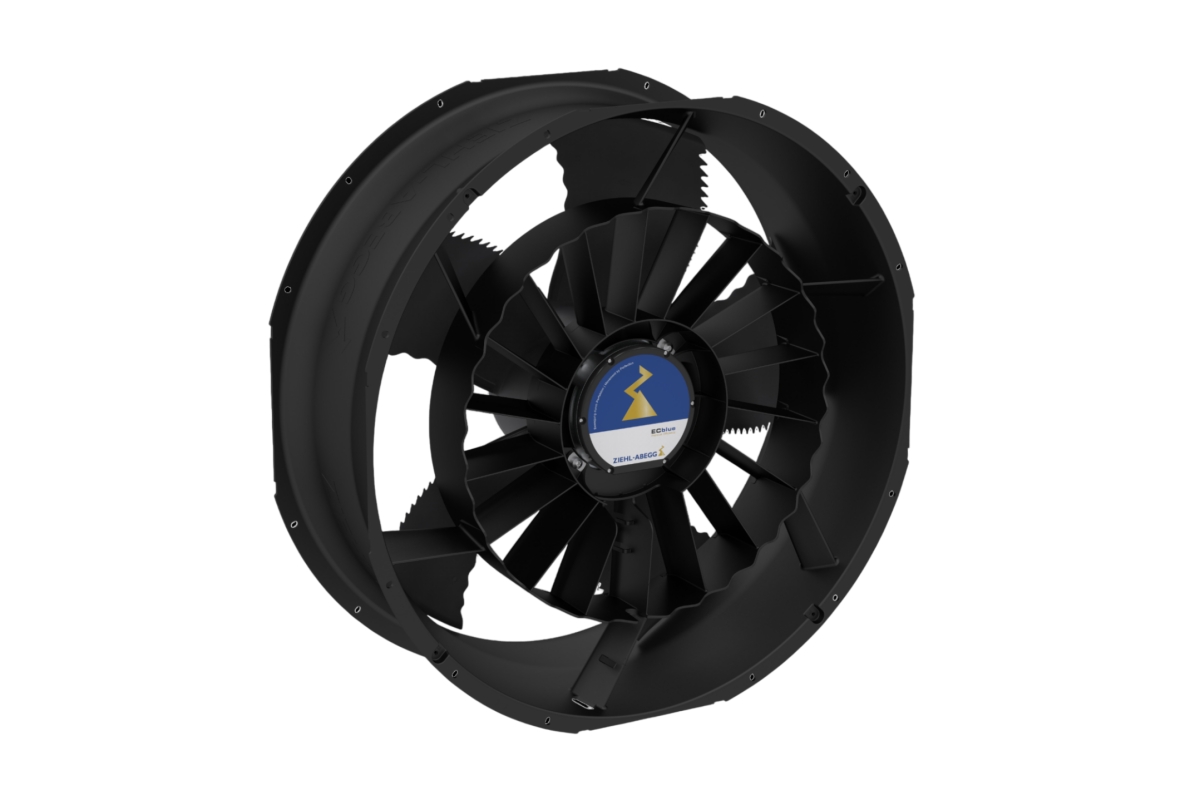
ZIEHL-ABEGG updates ZAplus fan design
ZIEHL-ABEGG, a German ventilation manufacturer, has introduced the ZAplus Next Generation axial fan, aimed at improving airflow, efficiency, and acoustic performance in data centres and other cooling applications. The updated design builds on the existing ZAplus platform, incorporating a slimmer housing and revised aerodynamic components to increase air output and pressure within the same footprint. The company says this allows larger fan sizes to be deployed in existing spaces, supporting upgrades without requiring significant changes to system layouts. The housing, available in sizes from 450 mm to 1,000 mm, has been developed using computational fluid dynamics to optimise airflow. It is manufactured using plastic injection moulding to reduce weight and improve corrosion resistance. Design changes focus on airflow and efficiency The system includes FE2owlet and FE3owlet blade designs, alongside guide vanes and a compact diffuser to stabilise airflow and improve pressure performance. Additional nozzles are used to help smooth airflow and reduce turbulence. The company notes that these elements are designed to support efficient operation while maintaining a consistent footprint. The fan also enables variable speed control, allowing airflow to be adjusted to demand, which can help reduce energy use over time. The ZAplus Next Generation is available with both AC and ECblue motor options, providing flexibility for both retrofit and new-build data centre environments. ZIEHL-ABEGG says its composite construction is intended to support durability and reduce maintenance requirements in long-term operation.

Corning expands AI data centre connectivity
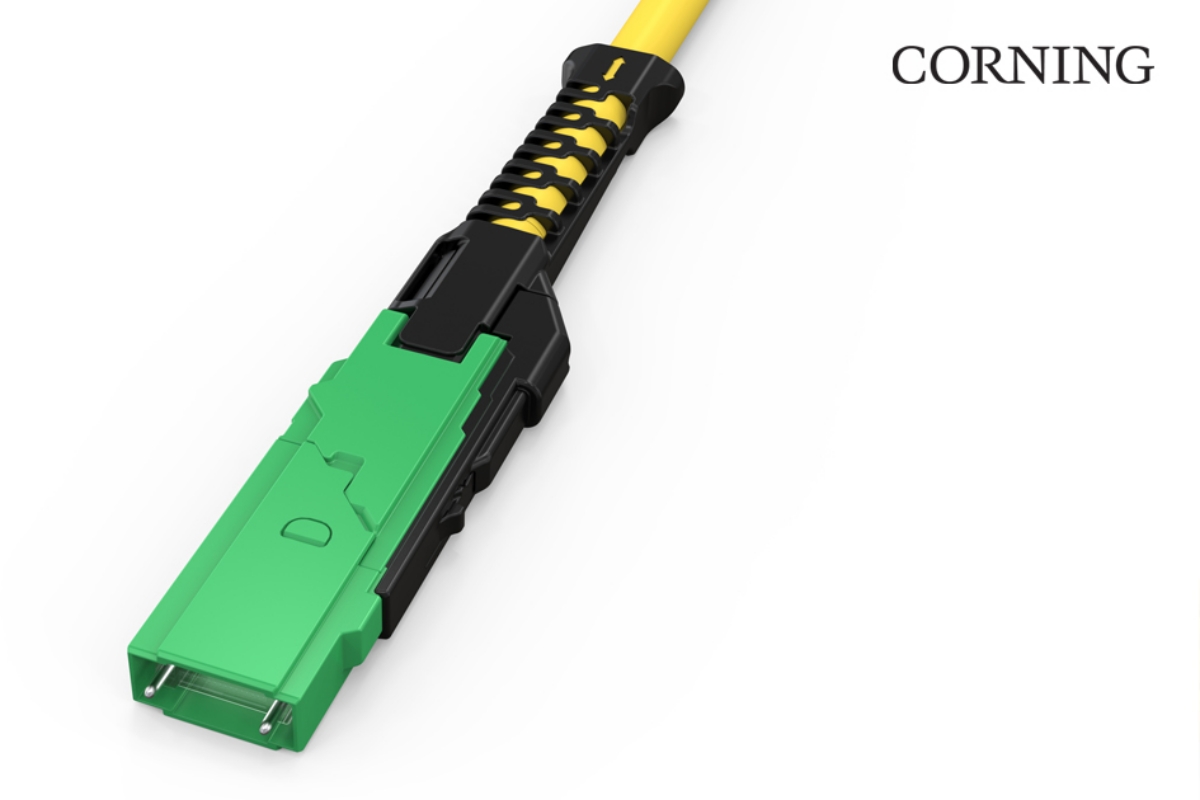
Corning, a US manufacturer of optical fibre for telecommunications and data centres, has expanded its data centre connectivity portfolio through a licensing agreement with US Conec. The agreement enables Corning to use PRIZM TMT optical ferrule technology, designed to increase fibre density within data centre environments, particularly for AI infrastructure. The technology supports higher fibre counts in limited space, addressing growing demand for connectivity as AI workloads scale and data centre architectures evolve. Mike O’Day, Senior Vice President and General Manager of Corning Optical Communications, comments, “AI infrastructure is pushing optical connectivity into new and more demanding environments. “By licensing PRIZM TMT, Corning is strengthening its ability to deliver scalable, fibre-rich solutions that help customers build larger, faster, and more efficient AI clusters, while aligning closely with the broader industry ecosystem.” Supporting higher-density AI infrastructure As AI deployments expand, data centres are increasing the number of connected accelerators and shifting towards optical connections in place of traditional copper links. This change is driving higher fibre density within server and switch racks, increasing the need for compact, high-performance connectors. The PRIZM TMT ferrule uses expanded beam technology with precision-aligned microlenses, rather than direct fibre contact. This approach is intended to improve installation reliability, reduce sensitivity to contamination, and support faster deployment. According to the companies, these characteristics are suited to large-scale AI environments, where high connection density and consistent performance are required. For more from Corning, click here.

NetApp launches new EF-Series storage systems
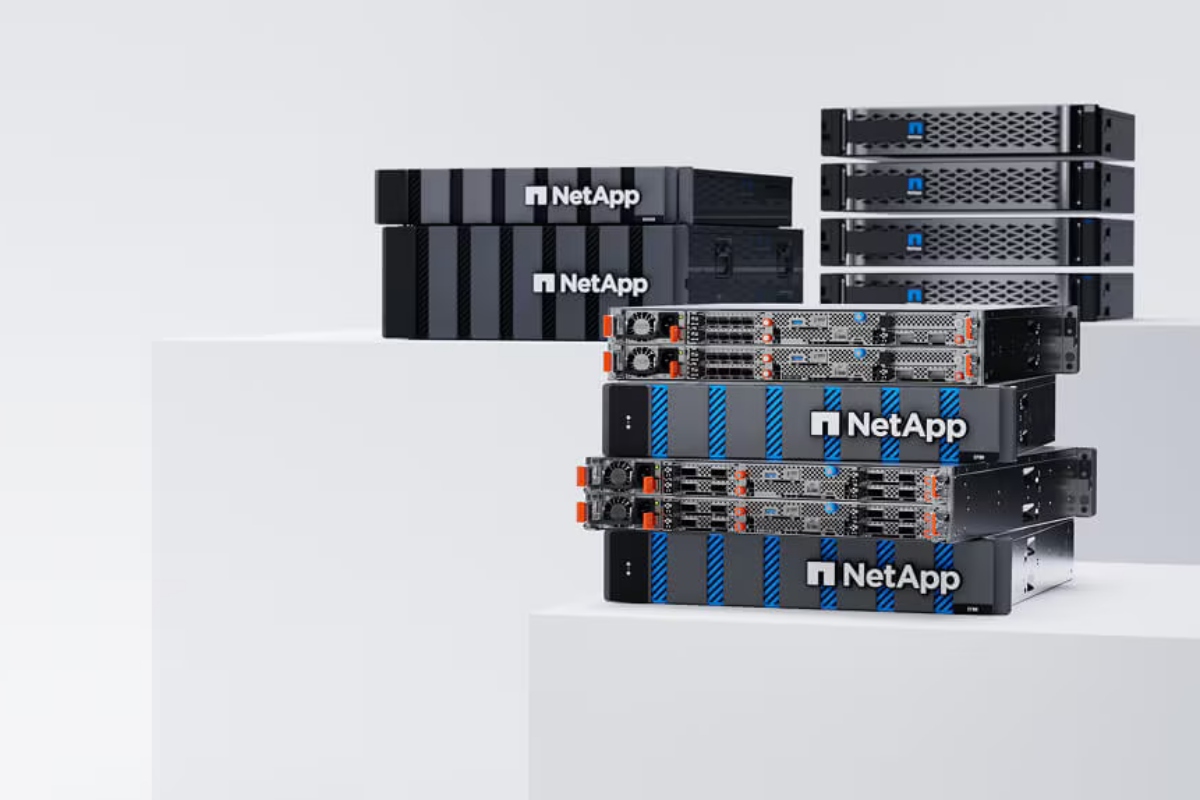
NetApp, a US provider of data storage and cloud infrastructure management, has announced new additions to its EF-Series storage portfolio, designed for high-performance workloads across AI, high-performance computing (HPC), and transactional databases. The latest models, EF50 and EF80, are intended to support increasing data demands in enterprise environments, including emerging applications such as sovereign AI clouds and AI-driven manufacturing. The systems are designed to work with parallel file systems such as Lustre and BeeGFS, supporting HPC simulations and GPU-intensive workloads through high-performance scratch storage. Performance and efficiency improvements According to NetApp, the new systems deliver over 110GBps of read throughput and 55GBps of write throughput, representing a 250% increase compared to previous generations. The systems also offer a power efficiency of 63.7GBps per kW, alongside storage density of up to 1.5PB within a 2U form factor. This is intended to support high-performance requirements while maintaining efficient rack usage. The EF-Series is positioned to support a range of use cases, including AI development, media production workflows, and large-scale data processing, with built-in data protection features. Clayton Vipond, Senior Solution Architect at CDW, says, “As we navigate the AI era, many enterprises are finding that they need to maximise their raw performance to extract the most value from their data. “The refreshed NetApp EF-Series deliver the throughput and capacity businesses need to scale high-powered workloads that transform data into insights and outcomes.” Simon Robinson, Principal Analyst at Omdia, adds, “By delivering a high-performance storage system that supports parallel file systems like Lustre and BeeGFS, NetApp is making its mark as emerging industries - such as neocloud - emerge to support the AI-Era.” NetApp states that the EF-Series platform builds on its existing installed base, with more than one million deployments globally. For more from NetApp, click here.

Panduit expands fibre portfolio with fusion splice connectors
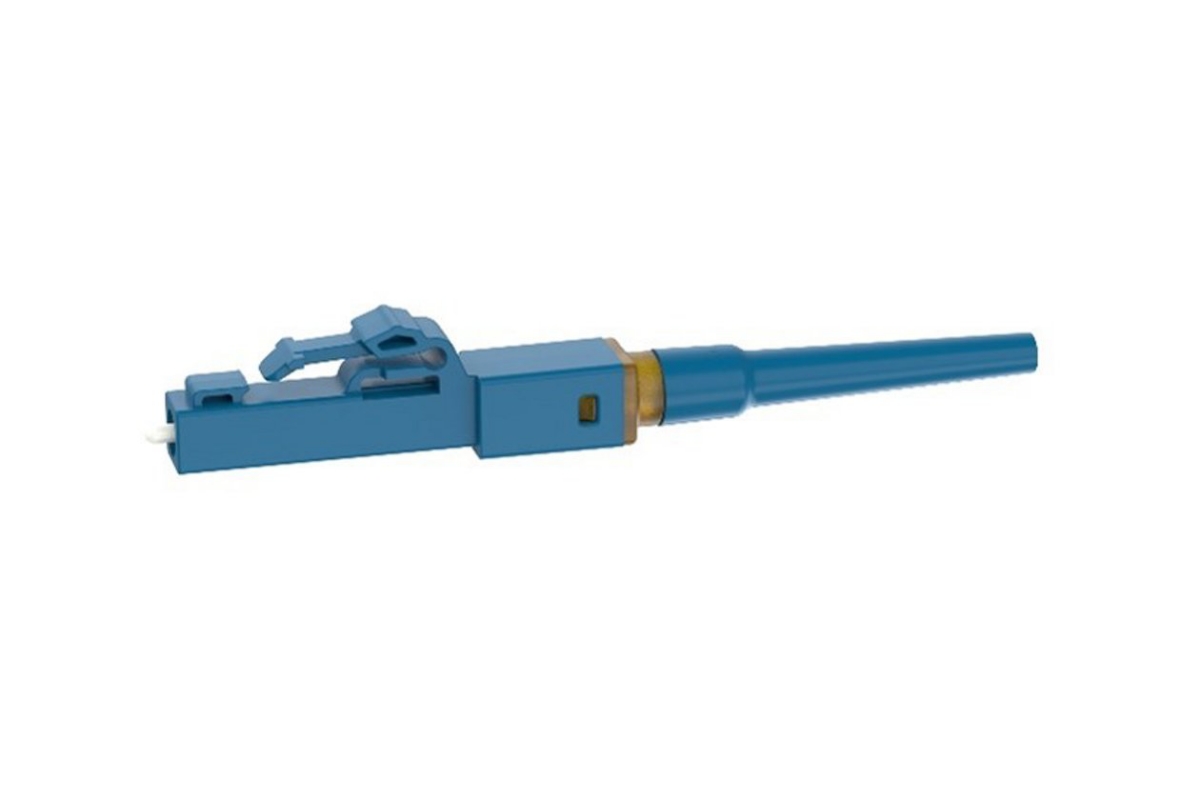
Panduit, a manufacturer of electrical and network infrastructure solutions, has introduced OmniSplice, a new range of fusion-spliced fibre optic connectors designed for data centres, edge environments, and enterprise networks. The addition expands the company’s fibre optic portfolio with connectors aimed at supporting high-performance connectivity and faster installation in modern network infrastructure. OmniSplice connectors are designed for use with standard fusion splicing equipment, allowing integration into existing installation and maintenance workflows without requiring additional tools or modifications. Panduit says the connectors are intended to support consistent performance while reducing installation time. Integrated design for simplified deployment A key feature of the OmniSplice range is the integration of the splice point within the connector housing. This removes the need for additional components such as pigtails, helping to reduce space requirements and simplify installation. The connectors include pre-assembled fibre stubs and a holder design intended to support the fusion splicing process, aiming to improve consistency and reduce the likelihood of installation errors. According to Panduit, the design is suited to environments where rapid deployment or maintenance is required, including moves, adds, and changes, as well as repair work under time constraints. The launch reflects continued growth in fibre optic infrastructure across data centres, enterprise LANs, and edge applications, where there is increasing demand for solutions that can be integrated efficiently into existing systems. For more from Panduit, click here.

DSE delivers data centre energy resilience
Deep Sea Electronics (DSE), a UK-based manufacturer with over 50 years of engineering expertise, delivers advanced paralleling and ATS controllers ideally suited to the demanding requirements of modern data centre environments. In facilities where uptime is critical and resilience is non-negotiable, DSE solutions provide precise control, seamless synchronisation, and dependable automatic transfer between mains and standby power sources. Designed and manufactured in the UK, DSE’s advanced paralleling controllers enable reliable load sharing, complex multi set configurations, and fast, stable response to load changes. Complementing this, its ATS controllers ensure smooth and accurate mains failure detection and transfer, minimising risk and protecting critical infrastructure. With robust monitoring, clear diagnostics, and flexible communications integration, DSE systems support full visibility and control across standby power architectures. Backed by global technical support and long-term product availability, DSE provides data centre operators with trusted technology that strengthens energy resilience and safeguards operational continuity.

Keysight expands validation for 1.6T AI DC interconnects
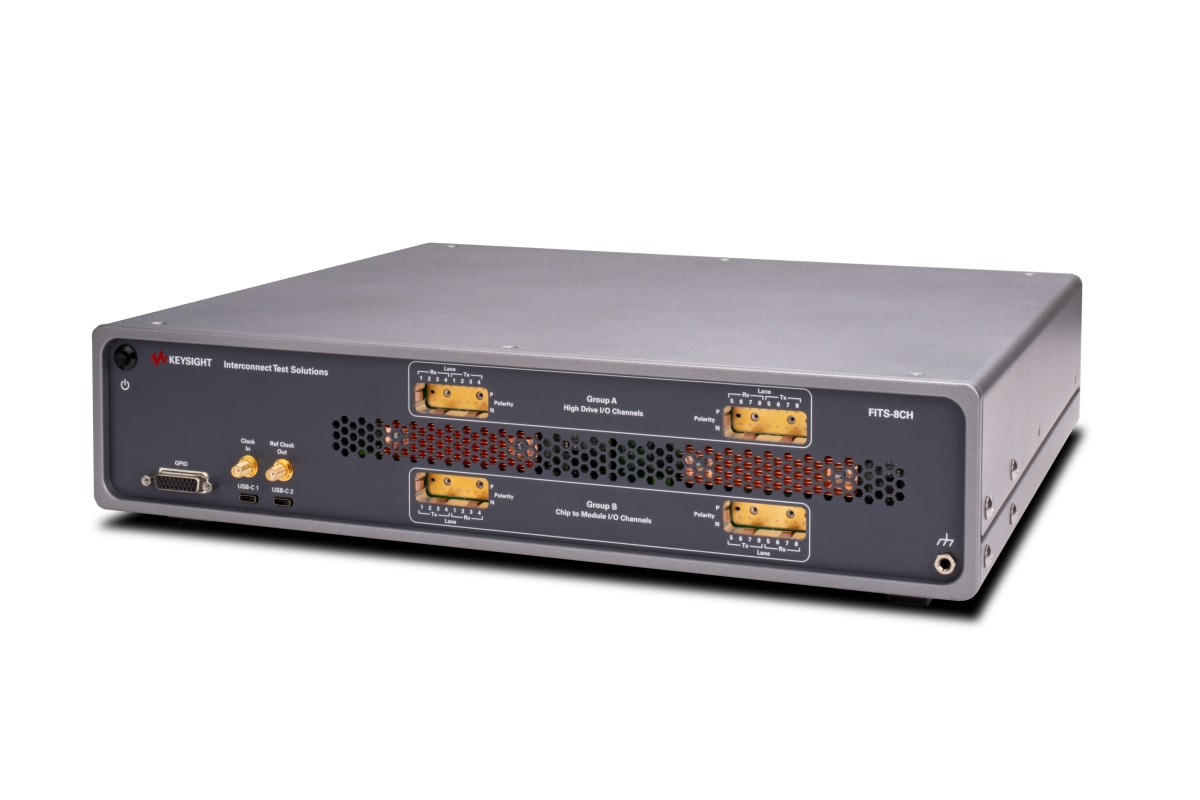
Keysight Technologies, a manufacturer of electronic test and measurement equipment and software, has introduced the Functional Interconnect Test Solutions (FITS) portfolio, alongside the first product in the range, FITS-8CH, designed to validate digital-layer error performance for high-speed optical and copper interconnects used in network infrastructure. The platform provides bit error ratio (BER) and forward error correction (FEC) validation for interconnect technologies supporting modern ethernet architectures, including 400GE, 800GE, and emerging 1.6T deployments. As interconnect speeds increase and designs become more complex, manufacturers of chips, interconnects, and networking equipment face greater pressure to ensure reliability before mass production and during manufacturing. While traditional physical-layer test tools validate electrical lanes against industry specifications, system-level testing provides additional insight into how fully integrated interconnect assemblies perform under operational conditions. Digital-layer testing for high-speed interconnects The FITS-8CH platform provides multi-lane error performance validation at the digital layer, supporting PAM4 signalling speeds from 53Gb/s to 212.5Gb/s. The system enables simultaneous bi-directional testing across eight transmit and eight receive channels, allowing complete optical or copper interconnect assemblies to be validated during development, manufacturing, and system-level qualification. The platform also integrates with Keysight’s physical-layer testing systems, enabling validation across a broader range of network configurations and topologies. According to the company, the platform includes automated lane-by-lane tuning to optimise PAM4 signal output and improve measurement consistency. This capability can help identify potential manufacturing or configuration issues earlier in the process, including mechanical misalignment, thermal failures, or incorrect digital signal processor settings. Keysight says the FITS portfolio is intended to support testing requirements across the full product lifecycle, from research and development through to production and deployment in large-scale network environments. For more from Keysight, click here.

Legrand's UPS wins Data Centre World award
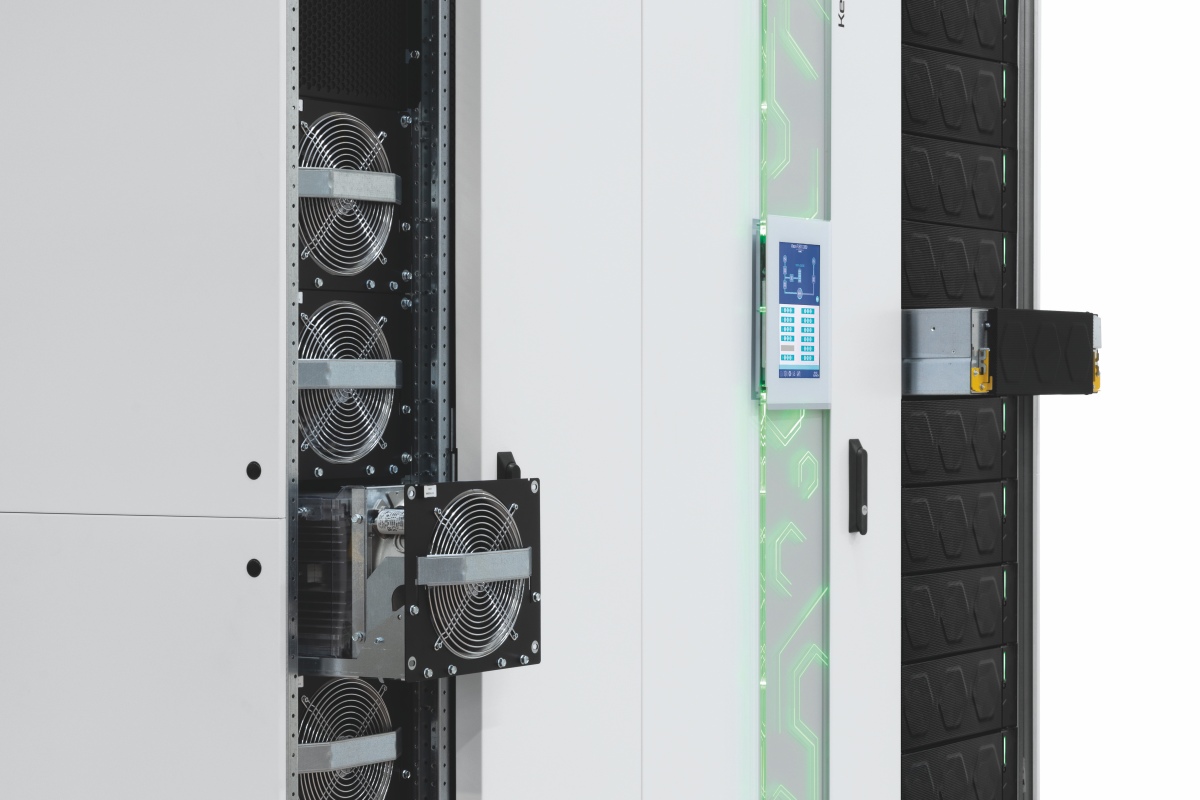
French multinational infrastructure products manufacturer Legrand’s Keor FLEX modular uninterruptible power supply (UPS) has won the Best Reuse or Recycling of Products, Energy, or Data Centre Infrastructure category at the Data Centre World Awards 2026. The award was presented during Data Centre World London, held on 4–5 March at ExCel London, and recognises projects and technologies that support resource reuse, waste reduction, and improved sustainability across the data centre sector. Keor FLEX was recognised for its modular architecture and design approach aimed at extending the operational lifespan of critical power infrastructure. Modular design focused on lifecycle extension Unlike traditional UPS systems that require replacement of the entire unit at the end of its lifecycle, the Keor FLEX system allows individual power or bypass modules to be replaced or refurbished independently. The system uses a hot-swappable modular design, allowing capacity to be expanded or maintained without taking the entire system offline. According to Legrand, the system achieves 98.6% efficiency in online double conversion mode and more than 99% efficiency in ECO mode. It also has an 85% recyclability rate under IEC/TR 62635, with more than 69% recyclable metal content and packaging that includes 50% recycled material. The UPS integrates silicon carbide technology and a low-impedance internal busbar architecture, designed to reduce thermal stress on components and extend the lifespan of power modules. Keor FLEX also supports a universal battery interface that allows existing VRLA, lithium-ion, or nickel-zinc battery systems to be retained during upgrades. Marc Marazzi, Vice President at Legrand Data Center Solutions Europe, says, “Data centres are under pressure to deliver more compute power while reducing environmental impact. “Keor FLEX proves that sustainability and performance are not mutually exclusive. By designing circularity into the core architecture, we’ve created a UPS platform that extends asset life, reduces waste, lowers energy consumption, and supports evolving AI workloads - all while improving total cost of ownership. This reflects Legrand’s broader sustainability commitments, including being awarded an ‘A’ rating by CDP for the second consecutive year.” The system is designed to scale from 100kW to 1.2MW per frame, with up to 4.8MW available in parallel configurations for larger data centre environments. For more from Legrand, click here.

Tecnair launches new CDUs for data centre cooling
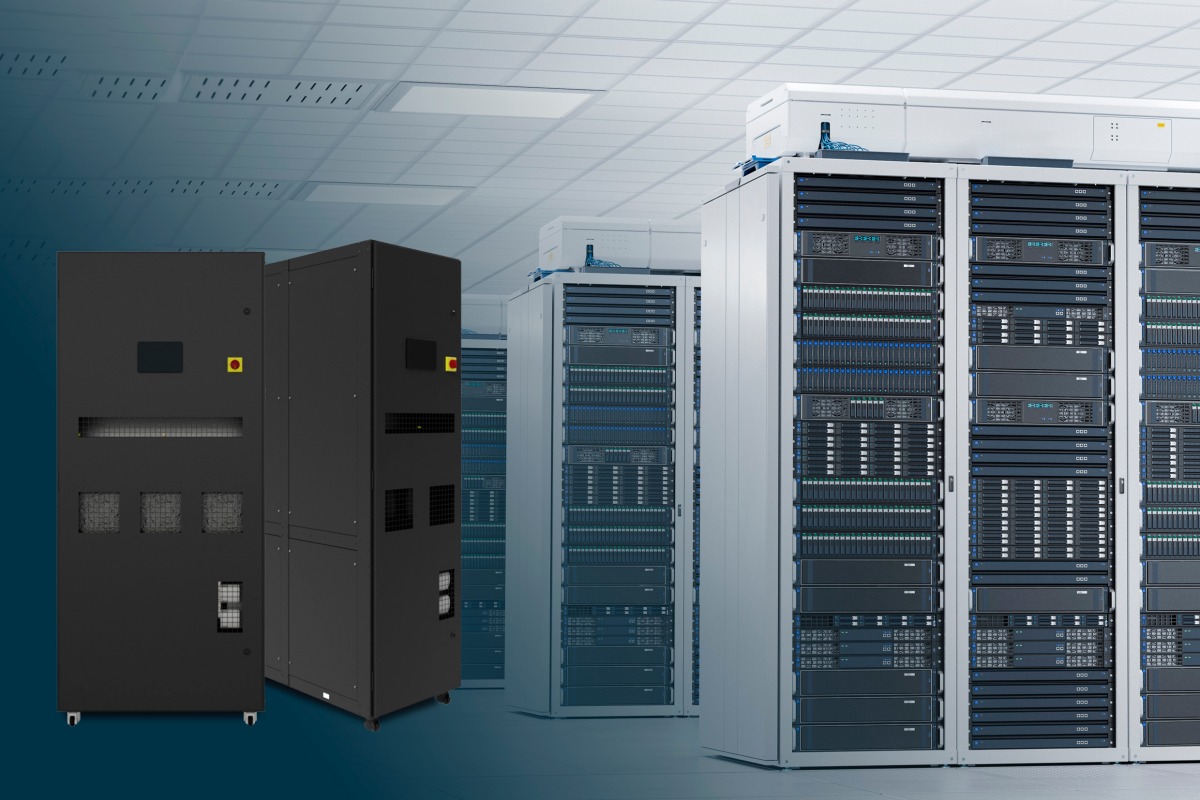
Tecnair, a manufacturer of close control air conditioning units for data centres and a Panasonic company, has introduced a new range of coolant distribution units (CDUs) designed for high-density artificial intelligence and high-performance computing (HPC) data centres. The systems were presented at Data Centre World London 2026, held on 4–5 March, and are intended to support liquid cooling deployments as computing densities increase. Rising AI workloads are pushing rack densities beyond levels typically supported by traditional air cooling. The CDU range has been developed to support liquid cooling architectures, including direct-to-chip and immersion cooling, helping data centre operators manage higher thermal loads. The units are designed for environments where rack densities regularly exceed 50kW and are approaching 100kW. Liquid cooling for high-density infrastructure The CDU range is available in capacities of 400kW and 800kW and can be deployed across a range of environments, from edge facilities to hyperscale data centres. The systems include redundant components such as pumps, power supplies, and sensors to support continuous operation in mission-critical environments. A failover capability is also included to maintain cooling during maintenance or component failure. According to Tecnair, the units can achieve partial power usage effectiveness (pPUE) values as low as 1.02 through the use of free-cooling coils and micro-channel heat exchanger technology. Monitoring functions are integrated through Modbus building management system connectivity, enabling real-time visibility of parameters including temperature, pressure, flow rate, water level, and leak detection. The CDU range is designed to integrate with Panasonic cooling systems, including free-cooling chillers using R1234ze refrigerant with a low global warming potential. These chillers use outside air temperatures, down to -10°C, to generate chilled water through a free-cooling function, supporting improved energy efficiency in suitable climates. For more from Tecnair, click here.

Crestchic unveils 600kW liquid-cooled loadbank
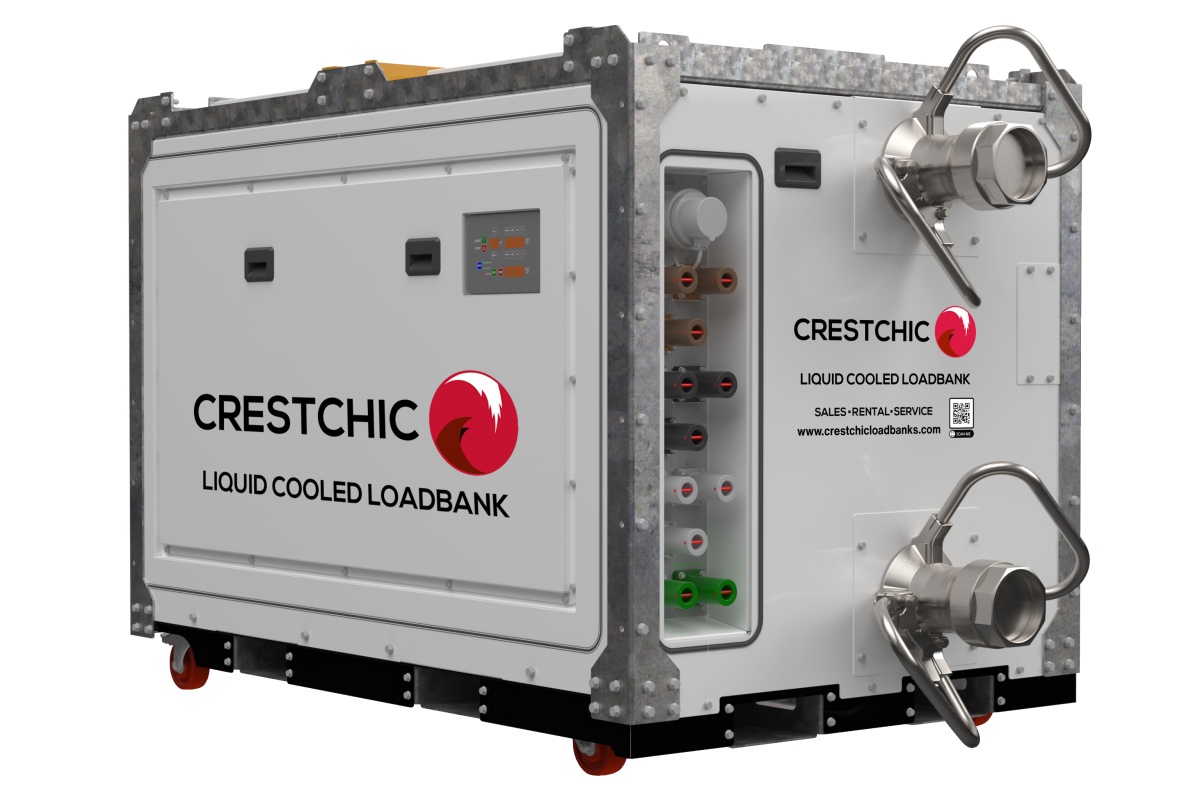
Crestchic, a UK manufacturer of loadbanks and transformers for testing power systems and data centres, has launched its new 600kW Liquid Cooled Loadbank at Data Centre World London 2026, aimed at supporting commissioning in the growing liquid-cooled data centre market. As rack power densities increase, operators are increasingly adopting liquid cooling to manage higher thermal loads. Crestchic says the new system has been designed to provide accurate thermal validation and precision electrical testing for liquid-cooled infrastructure. The 600kW loadbank delivers up to 648kW at 415V and features stable ΔT thermal control to ±0.5°C, enabling repeatable testing during commissioning. Temperature accuracy is maintained regardless of flow variation, while built-in protections cover flow, pressure, overload, underload, and thermal shock. Designed for liquid-cooled data centre commissioning The unit uses a single-vessel architecture, reducing footprint compared with multi-vessel systems at similar power levels. This compact design makes it easier to position in plant rooms and simplifies transport and handling. The platform includes a stackable structure, flush-mounted connections, heavy-duty castors, and dual-side forklift pockets, allowing two units to be transported within a standard-height ISO shipping container. The system integrates with Crestchic’s VCS software, providing live monitoring of supply and hydraulic data, real-time load profiling, and the ability to cluster up to 240 load banks for hybrid air- and liquid-cooled testing. Paul Brickman, Commercial Director at Crestchic, says, “The move towards liquid cooling is accelerating as rack densities increase, particularly with AI and high-performance computing workloads. “Our new 600kW Liquid Cooled Loadbank has been designed from the ground up to serve this market, giving commissioning engineers the precision, reliability, and control they need to bring critical infrastructure online with confidence." The 600kW Liquid Cooled Loadbank is available for sale or rental through Crestchic’s global network. For more from Crestchic, click here.

Kioxia hosts tour of flash memory plant
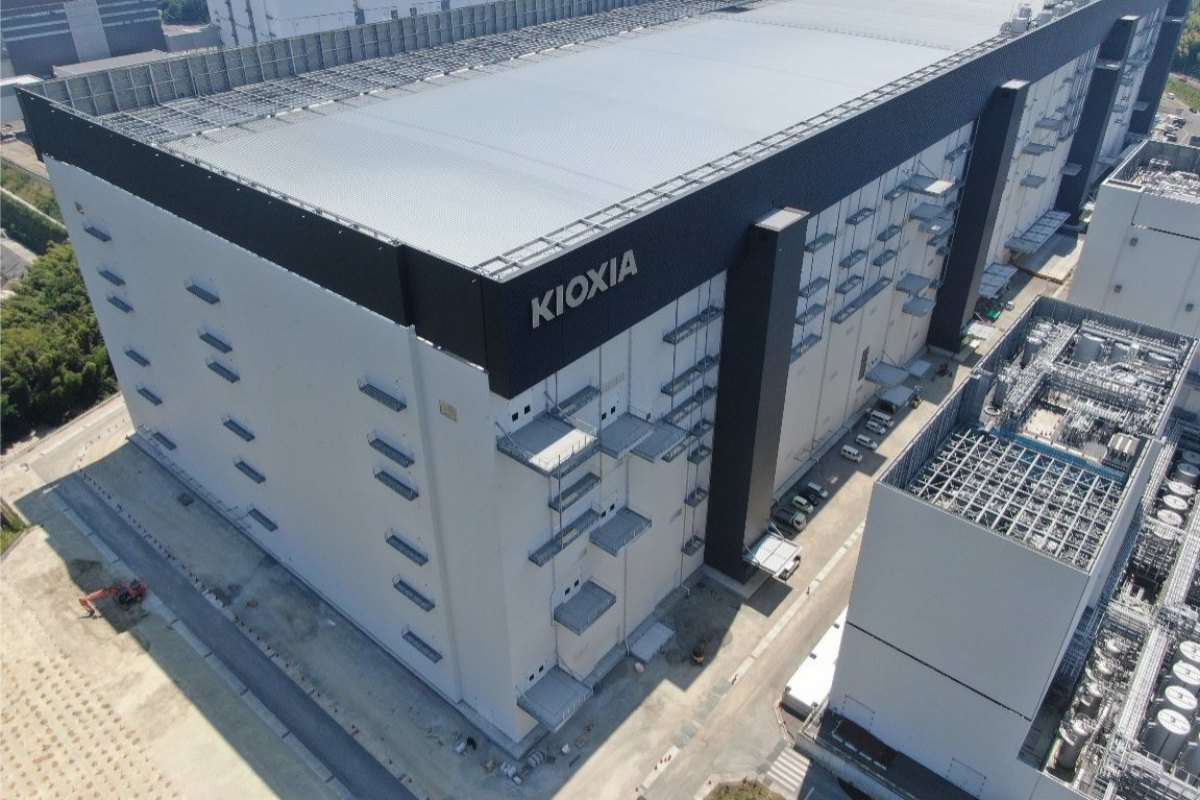
Memory manufacturer Kioxia has collaborated with Linus Media Group on a video tour of its Yokkaichi Plant in Japan, one of the world’s largest flash memory production facilities. The video, published by Linus Tech Tips, documents a visit to Kioxia Corporation’s manufacturing site, including its flagship Fab 7 facility. The plant operates as a smart factory, with more than three billion data points generated daily from production lines to support AI-driven manufacturing processes. According to the company, the video received nearly one million views within 24 hours of release. https://www.youtube.com/watch?v=ivLvsTnp9fI Inside the Yokkaichi smart factory Presented by Linus Sebastian, the tour follows the process from raw silicon wafers through to finished flash memory and solid state drives. It includes access to wafer and die processing stages before the components become BiCS FLASH 3D flash memory. The video also highlights the facility’s automation systems, process controls, and material handling technologies, as well as the packaging and final testing stages before memory components are assembled into SSDs. Terren Tong, CEO of Linus Media Group, says, “Bringing technology to our viewers is what drives us, and this tour inside Kioxia’s fab gives a rare, up-close look at what goes into the devices we use every day. We really appreciate Kioxia for letting us dive into the manufacturing of cutting-edge flash memory and SSDs.” Paul Rowan, Vice President and Chief Marketing Officer at Kioxia Europe, says, “Our focus at Yokkaichi is on translating innovative engineering into dependable, high-performance storage at scale. "This unique, behind-the-scenes look with Linus Tech Tips allows a wider audience to see the engineering and technology, including our commitment to sustainability that is central to our flash memory and SSD products, while showcasing the latest solutions that power today’s consumer devices and tomorrow’s AI-driven data centres.” For more from Kioxia, click here.


Translate »