Sustainable Infrastructure: Building Resilient, Low-Carbon Projects

GreenScale study examines data centre energy use
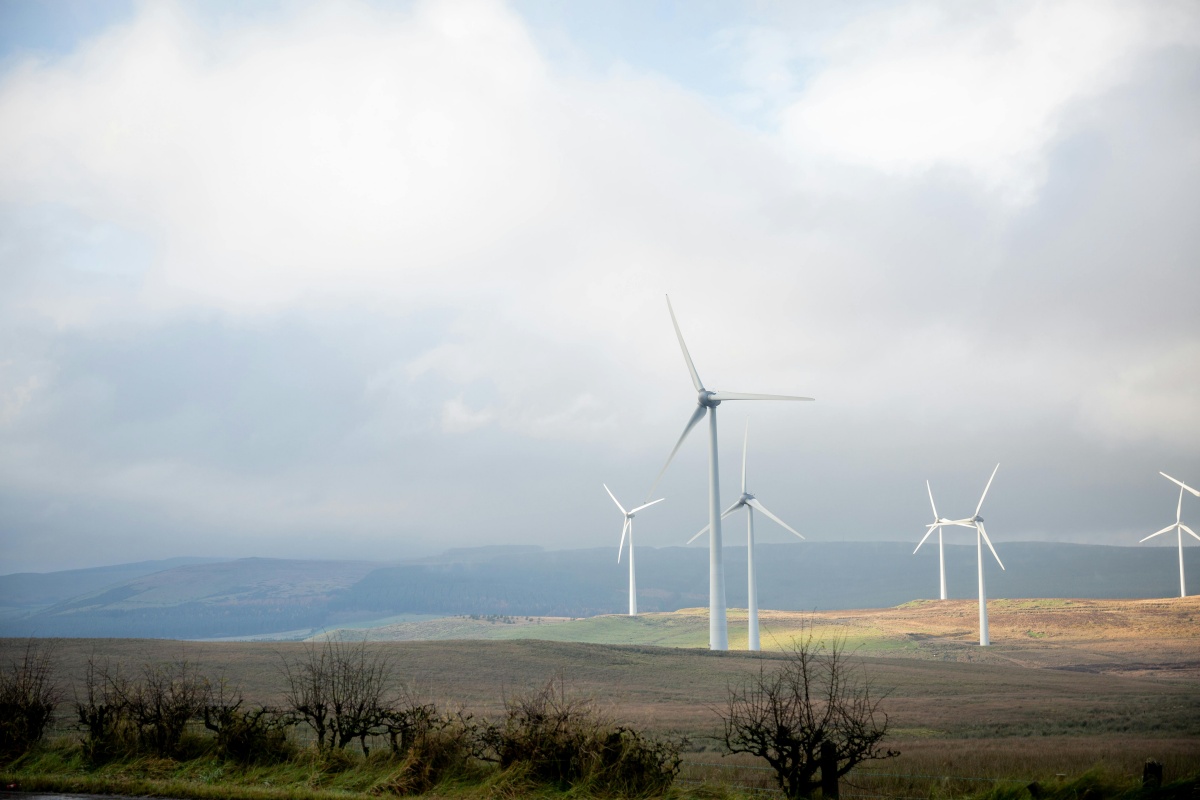
GreenScale, a developer of hyperscale data centre campuses, has published analysis examining how a proposed data centre development in Derry/Londonderry could support renewable energy use and reduce electricity system costs in Northern Ireland. The whitepaper analyses grid constraints, renewable energy curtailment, electricity demand, and infrastructure capacity across the region. According to the report, locating data centre infrastructure closer to renewable energy generation in Northern Ireland’s North West could improve grid utilisation and reduce renewable energy wastage. Northern Ireland is targeting 80% renewable electricity consumption by 2030, with the transition projected to deliver annual consumer savings of approximately £110 million. Brian Doherty, Managing Director of GreenScale Ireland, says, “This whitepaper highlights a growing mismatch between where renewable energy is generated and where demand is located. "Northern Ireland has made strong progress in expanding wind capacity, but transmission and system constraints mean a significant proportion of that clean energy is curtailed, which means it is effectively switched off, often during periods of high generation. "This increases system costs and reduces the value of existing infrastructure. A strategically located data centre campus in the North West could help absorb surplus power, reduce curtailment, and support lower overall electricity system costs.” Wind curtailment remains a major challenge The report states that 29.6% of wind generation in Northern Ireland was curtailed during 2024 because of transmission constraints and electricity system balancing requirements. According to the analysis, the strongest wind generation resources are concentrated in the North West, while the largest areas of electricity demand are located elsewhere. The report argues that this imbalance limits the effective use of renewable generation during periods of high wind output. GreenScale says flexible electricity demand from data centres could help absorb excess renewable generation that would otherwise be curtailed. The company also states that facilities capable of adjusting parts of their power demand in response to grid conditions could improve overall electricity system efficiency. Pressure grows on established data centre markets The whitepaper also highlights wider growth in global data centre electricity demand, which is projected to reach 945TWh by 2030. The report notes that established European data centre markets including Frankfurt, London, Amsterdam, Paris, and Dublin (FLAP-D) are facing increasing grid constraints and longer connection timelines, leading operators to consider alternative regions with greater power availability. GreenScale identifies Northern Ireland’s North West as a suitable location for future data centre infrastructure because of its wind generation resources, available land, and proximity to renewable energy supply. The report concludes that improving alignment between renewable generation and electricity demand could reduce energy wastage, improve grid efficiency, and support Northern Ireland’s clean energy targets. For more from GreenScale, click here.

Case study: Reducing emissions through refrigerant recovery
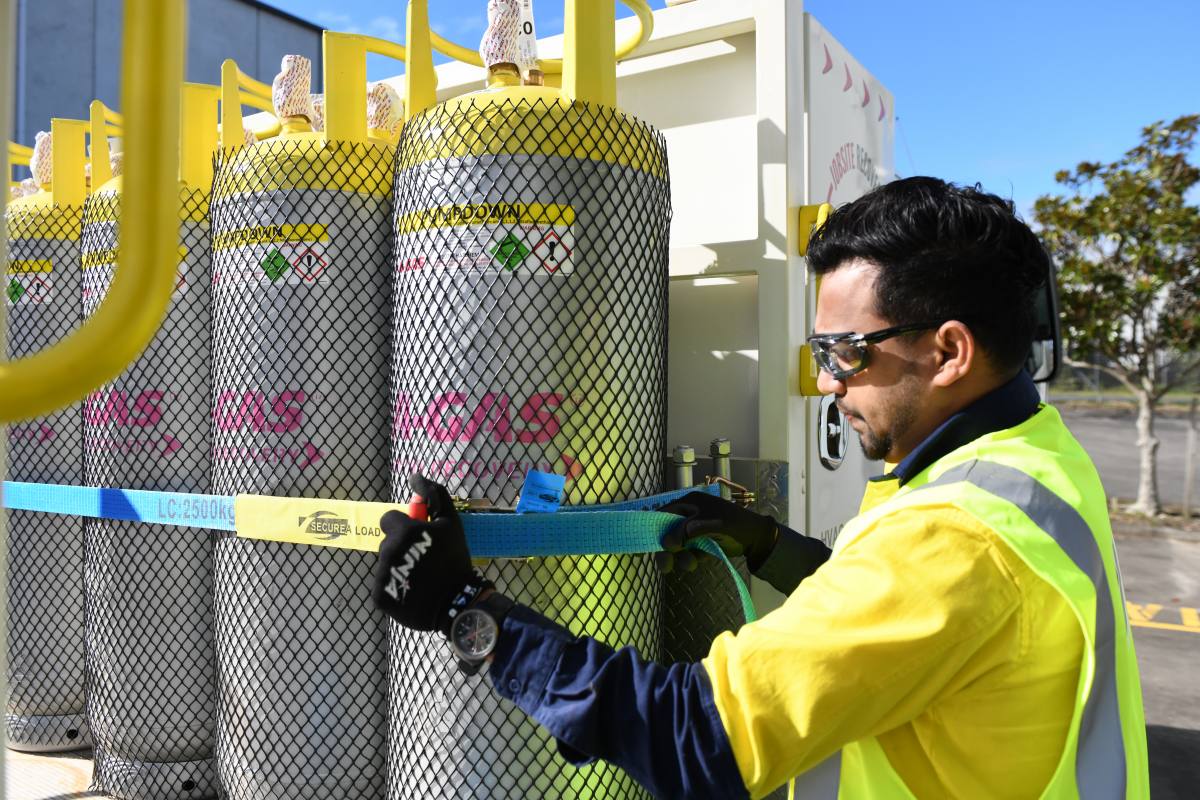
Through this case study, A‑Gas, a company specialising in lifecycle refrigerant management (LRM), demonstrates how its Rapid Recovery service enabled the safe, fast recovery and AHRI‑700 reclamation of 1,745 kg of R134a during a London data centre chiller retrofit, preventing 2,495 tonnes CO₂e, maintaining continuous operations, and enabling a successful transition to lower‑GWP cooling. The background The customer is a leading technology solutions and services provider in Europe, headquartered in the United Kingdom. It offers a broad portfolio of products and services, including data centre hosting, enterprise infrastructure, and cloud infrastructure, among others. The company, A‑Gas, is building a sustainable future through the supply of lower global warming refrigerants combined with responsible lifecycle management of refrigerant gases. Through its first-class recovery, reclamation, and repurposing processes, it captures refrigerants and fire protection gases for future re-use or safe destruction, preventing harmful release into the atmosphere. The offering, Rapid Recovery, is A-Gas’s premier refrigerant recovery service. Across the globe, it provides a safe and fast onsite solution, which includes what the company calls industry-leading F-Gas documentation. The challenge A-Gas was engaged by a digital infrastructure provider operating an edge data centre in London to support the recovery of refrigerant and assist in the transition to a lower GWP solution. The A-Gas Rapid Recovery team was contracted to recover a significant volume of R134a from four chillers scheduled for decommissioning. These units were being replaced as part of a retrofit project involving the installation of new cooling equipment with a substantially lower GWP. The solution A-Gas Rapid Recovery, an onsite refrigerant recovery service that operates up to 10 times faster than traditional methods, was appointed to assist with recovering the high GWP gas used at the data centre. The Rapid Recovery equipment is fully independent of external services (such as power), is portable, and is capable of reaching units across distances exceeding 300 feet (91 metres) through flexible hoses, making it ideal for challenging locations. This innovative solution proved perfect for the complex retrofit project, where efficiency was paramount. A-Gas’s team of certified F-Gas engineers managed the full recovery process, enabling contractors to focus on other critical aspects of the retrofit, ensuring streamlined and timely project completion. The results Over a four-day period, the A-Gas Rapid Recovery team successfully recovered 1,745 kg of R134a refrigerant, preventing the equivalent of 2,495 tonnes of CO₂e emissions. In addition, new chillers with a lower GWP were installed, significantly reducing the Total Equivalent Warming Impact (TEWI) of the cooling systems. A-Gas’s quick and efficient refrigerant recovery process ensured the project was executed without disruption to data centre operations, maintaining continuous service to customers and uninterrupted data security. The conclusion The recovered refrigerant was reclaimed to AHRI 700 standards, ready for safe reuse in the market. By ensuring full recovery and reclamation, A-Gas mitigated emissions from both leaks and the production of new refrigerants, supporting the principles of the circular economy, combining environmental protection with operational continuity. For more from A-Gas, click here.

Deep Green partners with Zendo on renewable data centres
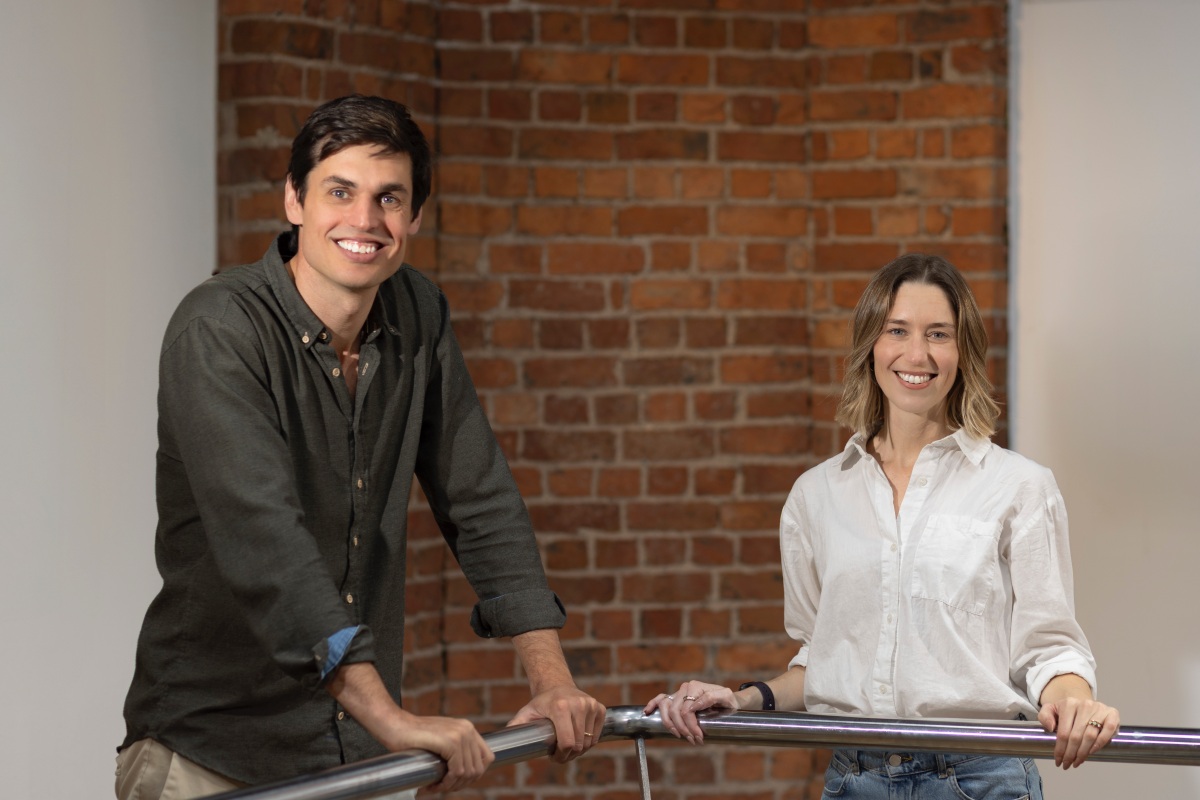
British digital infrastructure company Deep Green has partnered with Zendo Energy, a London-based startup building an AI-powered energy management platform, to support a "new generation" of AI-ready data centres powered by renewable energy and energy management technology. The partnership begins at Deep Green’s 400kW site in Urmston, Greater Manchester, where Zendo has secured a renewable energy supply contract for the facility. Designed for high-performance computing and AI workloads, the Urmston site supports rack densities of up to 150kW. Waste heat generated by the servers is captured and reused to heat the swimming pool at Trafford Leisure Centre. According to Deep Green, the heat reuse system is expected to save the leisure centre around £80,000 annually while reducing carbon emissions. The company’s approach centres on deploying modular data centres close to facilities that can use recovered heat, including swimming pools, district heating networks, and public buildings. Renewable energy aiding modular data centre expansion Deep Green says demand for AI infrastructure continues to increase, while grid limitations and planning delays remain challenges for UK data centre developments. The company says its modular deployment model allows new capacity to be brought online more quickly than traditional developments. Through the partnership, Zendo will provide energy monitoring, forecasting, and capacity optimisation using its Energy OS platform. Renewable power for the Urmston facility, in particular, will be supplied by ENGIE. Hazel Lim, Chief Financial Officer at Deep Green, says, “Zendo has been a strong partner in shaping our power procurement strategy for our data centres. "We are excited to draw on their expertise to develop a highly efficient, cost-effective approach that maximises value for our colocation clients by fully capturing the advantages of heat reuse.” Drew Barrett, COO and co-founder of Zendo Energy, adds, “Deep Green has an ambitious vision to accelerate data centre deployments at pace, and we're proud to be the energy technology partner making sure energy is never the bottleneck. “The flexibility we've built into this contract is designed to grow alongside their trajectory, and we see this as a blueprint for what the next generation of data centres should look like: flexible, sustainable, and built for scale.” For more from Deep Green, click here.

Design strategies for efficient, high-performance data centres
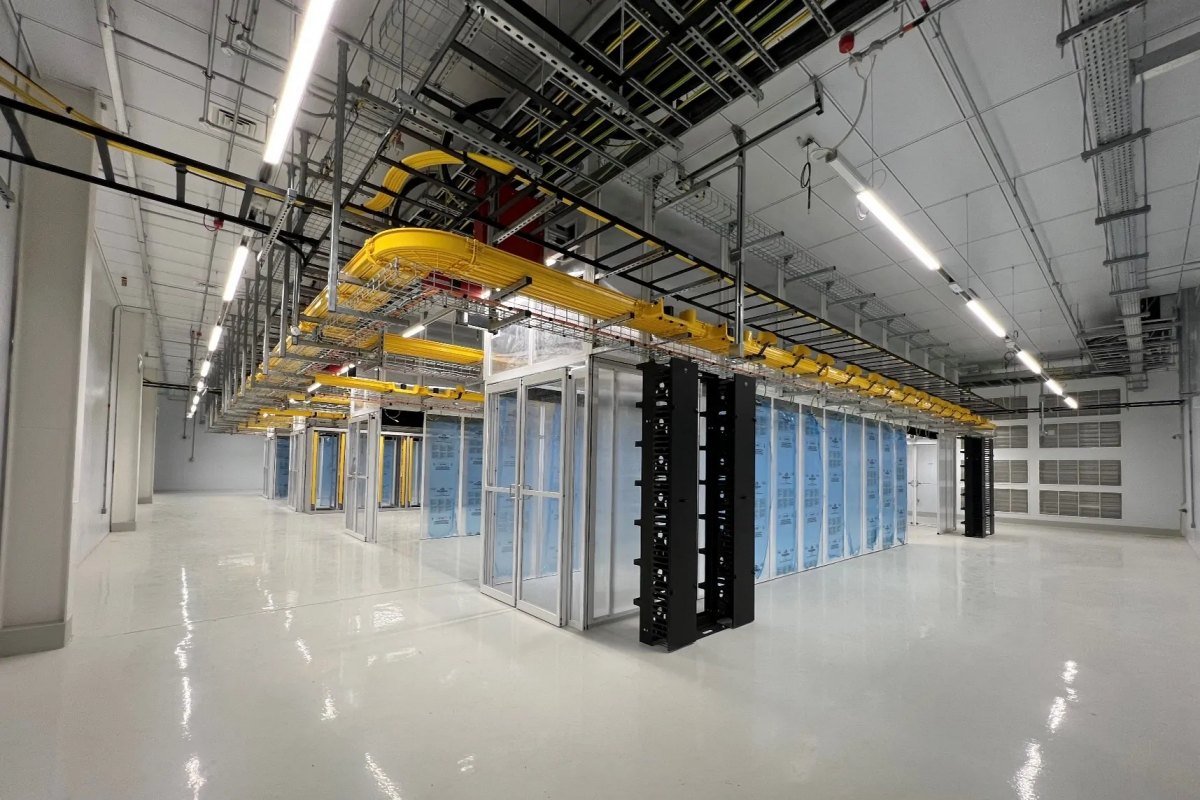
The rapid expansion of artificial intelligence workloads is placing unprecedented demands on data centre infrastructure. As computer densities increase and operational expectations tighten, the need to balance performance with energy efficiency and carbon reduction has become more urgent. This shift is driving a re-evaluation of how data centres are designed, particularly in relation to cooling strategies and overall resource use. Data centres are now a critical component of global infrastructure, supporting cloud services, digital platforms, and AI applications. With increasing digitalisation, energy consumption associated with these facilities continues to rise. In the UK and globally, regulatory and market pressures are also evolving, with greater emphasis on energy performance, carbon reporting, and long-term sustainability targets. Within this context, various industry reports are suggesting that: • Data centres are estimated to account for approximately 1–1.5% of global electricity consumption• High-density AI workloads can exceed 30–80 kW per rack, significantly increasing cooling demand• Leading facilities are targeting power usage effectiveness (PUE) values of 1.2 or lower Efficient cooling system strategies As computational loads increase, cooling systems are under growing pressure to maintain stable operating conditions without excessive energy use. Traditional approaches that rely heavily on mechanical cooling are becoming less viable due to their high energy intensity. This challenge affects operators, developers, and designers, particularly as expectations around efficiency and environmental performance continue to rise. BSE|3D, a UK building services engineering and consultancy practice, says it works with organisations navigating these challenges by applying a performance-led design approach from the earliest project stages. The company notes that it has observed that early integration of simulation tools allows for more effective alignment between building form, system design, and operational performance. Solutions that focus on reducing cooling demand at source while optimising system efficiency can significantly improve outcomes. This includes evaluating environmental conditions, refining building parameters, and developing strategies that prioritise low-energy operation. A key approach involves enabling a cooling profile where approximately 70% of annual demand can be met through low-energy systems such as economisation and adiabatic processes, with mechanical systems supporting peak conditions and operational resilience. This reduces reliance on continuous compressor use and supports improved overall performance. Kriti Gupta, Sustainability Consultant at BSE|3D, explains, “As data centre loads continue to increase, the industry needs to move beyond conventional cooling approaches. By prioritising low-energy strategies and validating them through simulation, it is possible to reduce energy demand while maintaining performance and resilience. Early-stage design decisions play a critical role in achieving this balance.” Data centres are expected to play an increasingly significant role in supporting digital infrastructure. As their impact grows, so too does the importance of designing them in a way that responds to both operational requirements and environmental considerations.

Data centres 2026: Energy efficiency and sustainability
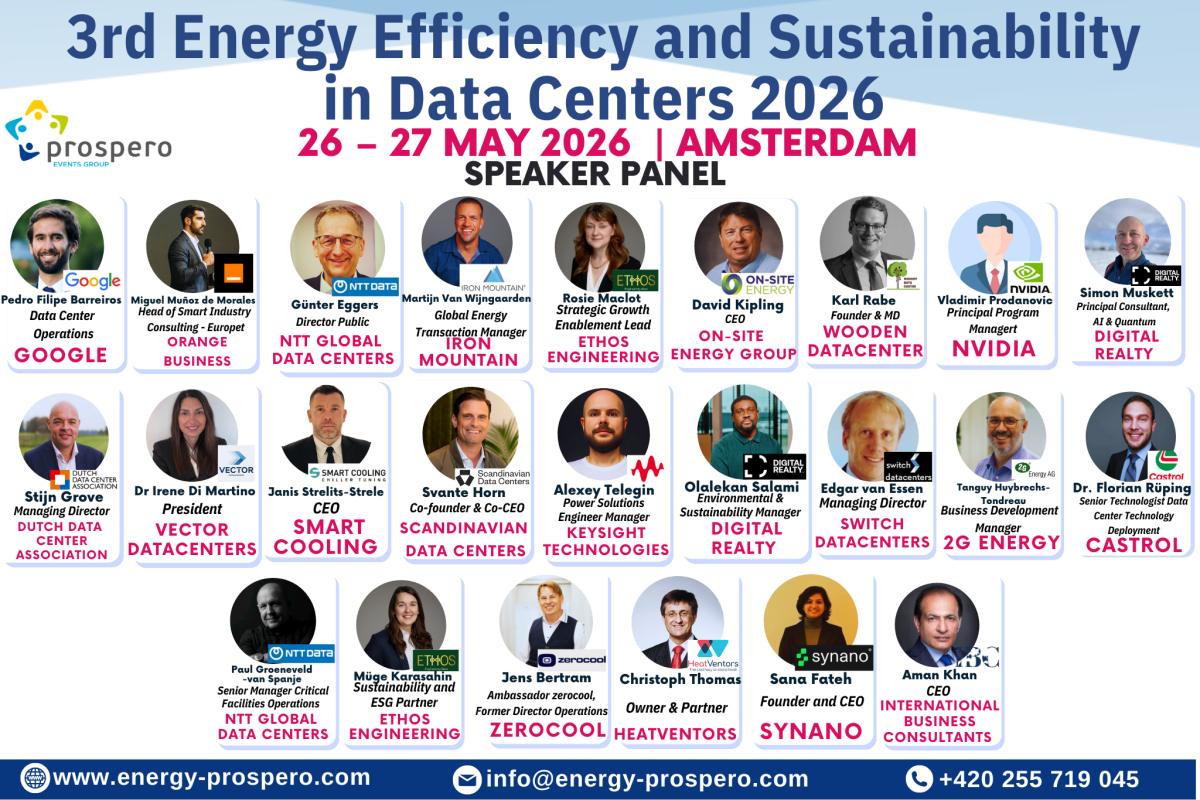
Prospero Events Group says it is proud to present the 3rd Energy Efficiency & Sustainability in Data Centers 2026 conference, taking place on 26–27 May 2026 in Amsterdam, the Netherlands. The event will bring together senior decision-makers, technology innovators, and sustainability leaders to explore how data centres can become more energy efficient, resilient, and environmentally responsible. Event presentation topics and speaker panel As AI adoption, hyperscale growth, and electrification continue to increase power demand, the conference will focus on the strategies needed to balance performance with sustainability. Key discussion areas include: • Renewable energy integration• Cooling efficiency and uptime• Waste heat reuse and district heating• On-site energy generation and energy resilience• ESG integration across the data centre lifecycle• Grid constraints and power availability• AI-driven optimisation and future-ready infrastructure The conference will feature expert insights from leading organisations, including: • Günter Eggers, Director Public, NTT Global Data Centers• Vladimir Prodanovic, Principal Program Manager, NVIDIA• Pedro Filipe Barreiros, Data Center Operations, Google• Stijn Grove, Managing Director, Dutch Data Center Association• Martijn Van Wijngaarden, Global Energy Transaction Manager, Iron Mountain• Simon Muskett and Olalekan Salami, Digital Realty The event offers a valuable platform for collaboration amongst operators, investors, technology providers, and sustainability experts committed to building the next generation of low-impact, high-performance data centres. Explore the complete speaker lineup, session topics, and key discussion points shaping the future of sustainable data centres. To register and download the event agenda, click here.

Veolia, Amazon develop data centre water reuse system
Veolia, a French multinational environmental services company, is working with US technology and e-commerce company Amazon to introduce reclaimed water for cooling at a data centre in Mississippi, USA, as part of efforts to reduce water use and support long-term water resilience. The facility, expected to be operational in 2027, will be the first Amazon data centre in the state to use treated wastewater for cooling processes. The system will convert effluent from nearby treatment plants into water suitable for industrial use. Once fully operational, the project is expected to reuse more than 83 million gallons (313 million litres) of potable water each year, reducing demand on local groundwater and drinking water supplies. Veolia will deploy modular, containerised treatment systems designed for scalable use. The approach allows similar installations to be introduced at other data centres where conditions allow. Turning wastewater into cooling power for data centres The collaboration also includes the use of artificial intelligence to improve water treatment processes. Amazon Web Services (AWS) will support Veolia in developing systems for real-time optimisation, predictive maintenance, and operational analysis. These tools are intended to improve efficiency and reduce resource consumption across water treatment operations. Estelle Brachlianoff, Chief Executive Officer at Veolia, comments, “We are delighted to collaborate with Amazon to secure its water needs in Mississippi while protecting the local community's resources. This is environmental security in action. "By combining Veolia’s water expertise with Amazon’s AI technologies, we’re transforming data centres into engines of innovation for sustainability. This solution builds on our newly launched offering for data centres.” Will Hewes, Global Water Stewardship Lead at Amazon, adds, “Through our collaborative work on AI applied to water treatment, Veolia will be able to further drive innovation and enhance the efficiency of on-site teams, thanks to automated analytics, actionable recommendations, optimised inventory management, and streamlined maintenance. "We’re pleased to join forces with Veolia to advance more sustainable water use strategies while helping it pioneer more efficient water treatment solutions for customers worldwide.” The project, Amazon says, forms part of its wider aim to become water positive across its direct data centre operations by 2030.

atNorth data centre heat reuse powers Finnish store
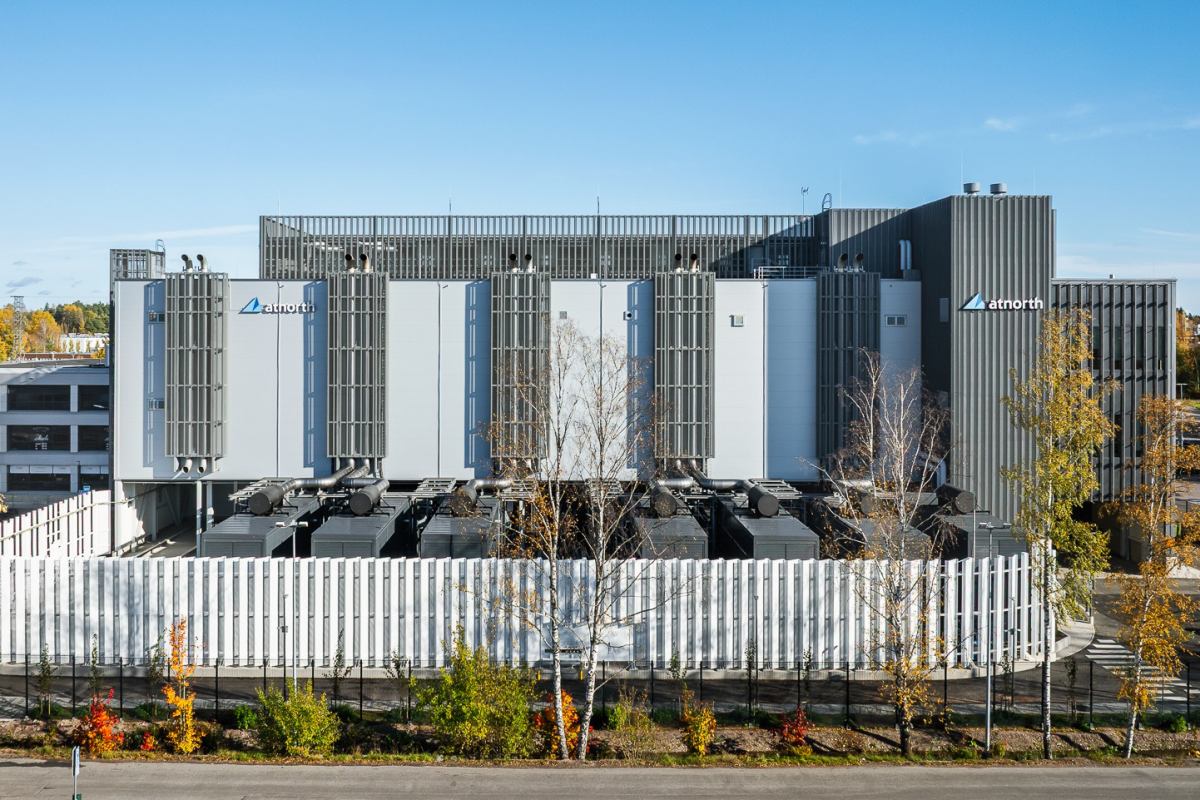
atNorth, a Nordic high-density data centre provider, has begun supplying recycled heat from its FIN02 data centre in Espoo, Finland, to a nearby retail store operated by Kesko Corporation. The heat reuse system became operational in November 2025 and captures surplus heat generated by the data centre, using it to provide most of the heating required by the adjacent store. The approach reduces reliance on district heating and lowers emissions for both organisations. For Kesko, the initiative supports its target to reduce Scope 1 and Scope 2 emissions by 58.8%. The recovered heat is expected to cut emissions linked to district heating by around 200 tonnes of CO₂ equivalent per year, representing approximately 0.9% of its district heating emissions. Antti Kokkonen, Director of Energy at Kesko, comments, “Reducing emissions from the heating of our properties is a key priority within our sustainability strategy. “Through this collaboration with atNorth, we are able to significantly cut emissions at one of our stores while demonstrating how innovative partnerships can accelerate the transition to lower-carbon operations.” Supporting local energy systems through heat reuse The project reflects a wider trend of integrating data centres into local energy systems by repurposing excess heat. By capturing waste heat, the FIN02 facility improves overall energy efficiency while contributing to Finland’s circular economy objectives. Erling Gudmundsson, COO of atNorth, notes, “As demand for AI-ready digital infrastructure continues to grow, it is essential that data centres scale responsibly. “This project demonstrates how data centres can become active contributors to local energy systems. By recycling excess heat, we can reduce our client’s environmental footprint while supporting our partners’ sustainability goals and delivering tangible benefits to the surrounding community.” The FIN02 site forms part of atNorth’s wider Nordic expansion strategy. The company is also involved in similar heat reuse projects, including a greenhouse development in Iceland and partnerships with Vestforbrænding in Denmark and Stockholm Exergi in Sweden to supply district heating networks. For more from atNorth, click here.

Legrand's UPS wins Data Centre World award
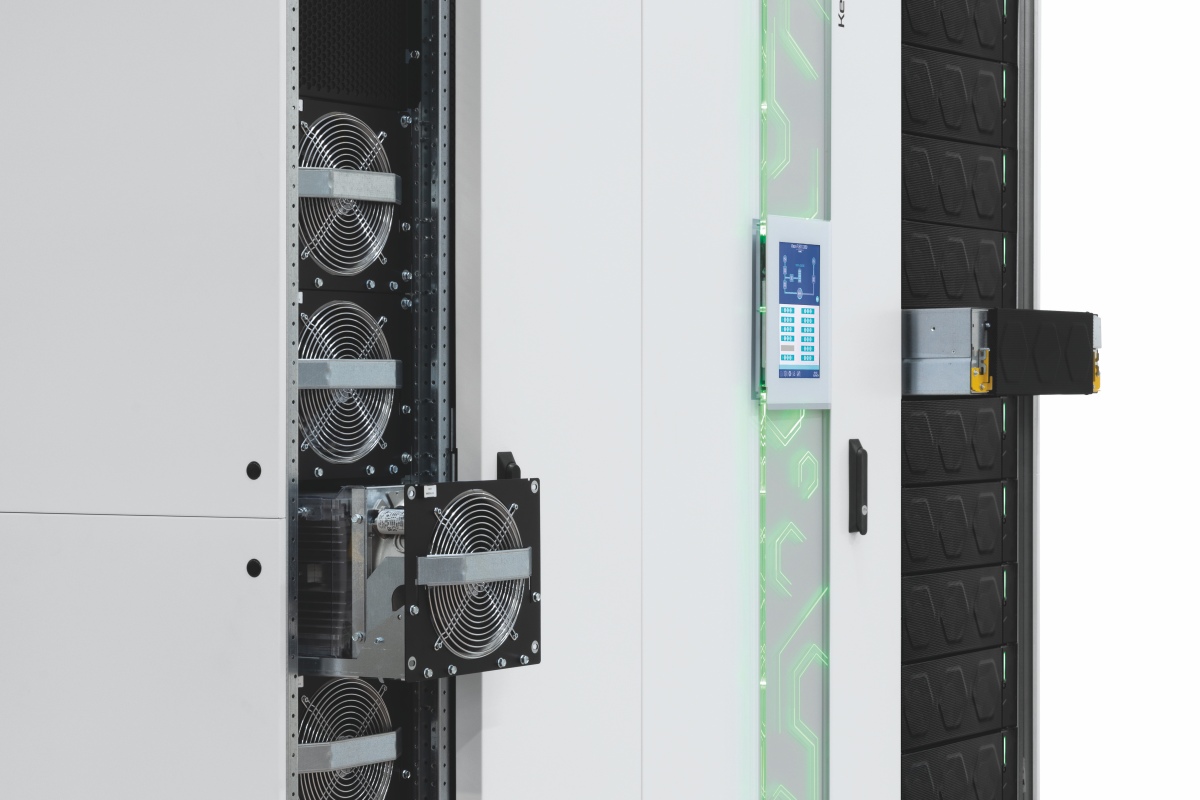
French multinational infrastructure products manufacturer Legrand’s Keor FLEX modular uninterruptible power supply (UPS) has won the Best Reuse or Recycling of Products, Energy, or Data Centre Infrastructure category at the Data Centre World Awards 2026. The award was presented during Data Centre World London, held on 4–5 March at ExCel London, and recognises projects and technologies that support resource reuse, waste reduction, and improved sustainability across the data centre sector. Keor FLEX was recognised for its modular architecture and design approach aimed at extending the operational lifespan of critical power infrastructure. Modular design focused on lifecycle extension Unlike traditional UPS systems that require replacement of the entire unit at the end of its lifecycle, the Keor FLEX system allows individual power or bypass modules to be replaced or refurbished independently. The system uses a hot-swappable modular design, allowing capacity to be expanded or maintained without taking the entire system offline. According to Legrand, the system achieves 98.6% efficiency in online double conversion mode and more than 99% efficiency in ECO mode. It also has an 85% recyclability rate under IEC/TR 62635, with more than 69% recyclable metal content and packaging that includes 50% recycled material. The UPS integrates silicon carbide technology and a low-impedance internal busbar architecture, designed to reduce thermal stress on components and extend the lifespan of power modules. Keor FLEX also supports a universal battery interface that allows existing VRLA, lithium-ion, or nickel-zinc battery systems to be retained during upgrades. Marc Marazzi, Vice President at Legrand Data Center Solutions Europe, says, “Data centres are under pressure to deliver more compute power while reducing environmental impact. “Keor FLEX proves that sustainability and performance are not mutually exclusive. By designing circularity into the core architecture, we’ve created a UPS platform that extends asset life, reduces waste, lowers energy consumption, and supports evolving AI workloads - all while improving total cost of ownership. This reflects Legrand’s broader sustainability commitments, including being awarded an ‘A’ rating by CDP for the second consecutive year.” The system is designed to scale from 100kW to 1.2MW per frame, with up to 4.8MW available in parallel configurations for larger data centre environments. For more from Legrand, click here.

Socomec launches energy audit initiative for UKI data centres
Socomec, a manufacturer of low voltage power management systems, has launched an energy audit programme for data centres in the UK and Ireland, aimed at helping operators measure energy use and meet reporting requirements under the EU Energy Efficiency Directive (EED). Under EU EED rules, owners and operators of facilities with a capacity above 500kW must disclose their power usage effectiveness (PUE) and other environmental performance indicators each year. The next reporting deadline is 15 May 2026. The directive closely aligns with the UK’s Energy Savings Opportunity Scheme (ESOS) and the ISO 50001 standard, which requires organisations to monitor and report energy consumption and power utilisation accurately. Improving PUE is also becoming an operational priority for data centres as electricity costs increase and workloads linked to artificial intelligence raise power demand. Socomec estimates that improving PUE by 0.1 - from 1.6 to 1.5, for example - can reduce annual energy consumption by around 6–8%. For a 2MW data centre, this could equate to more than £100,000 in yearly energy savings while also extending the lifespan of existing infrastructure. Energy infrastructure assessments for operators Data centre operators in the UK and Ireland can apply for an assessment of their energy infrastructure through the programme. Socomec’s engineers will carry out site inspections covering IT and non-IT loads, including UPS systems, server racks, cooling equipment, lighting, and switchgear. The aim is to determine PUE and identify gaps in existing metering capabilities. Participating facilities receive a report outlining energy efficiency measures, estimated cost savings, and potential return on investment. The findings are intended to support decision-making across sustainability, finance, and engineering teams. The audits are particularly relevant for older colocation data centres seeking to measure PUE at rack level using Measuring Instrument Directive-compliant metering. More detailed measurement can also allow operators to allocate energy costs more accurately between tenants. Colin Dean, Managing Director of Socomec, says, “The EU EED represents a gold standard for sustainable energy management and it’s only a matter of time before other countries follow Germany’s example and start penalising non-compliance. "In addition, there is a fear - particularly among legacy data centre operators - that a rip-and-replace approach is needed to achieve modern energy efficiency. At Socomec, our aim is to plug this gap with proactive and practical guidance, showing that metering can be retrofitted to improve efficiency without infrastructure overhaul or operational downtime. “Our energy audit is designed to help operators of mission-critical data centres take informed action towards sustainability while maximising their investments. With clear, accurate insights into PUE, data centres can turn energy data into action, optimise operational costs, and drive long-term resilience.”

atNorth confirms 'mega' 300MW data centre in Sweden
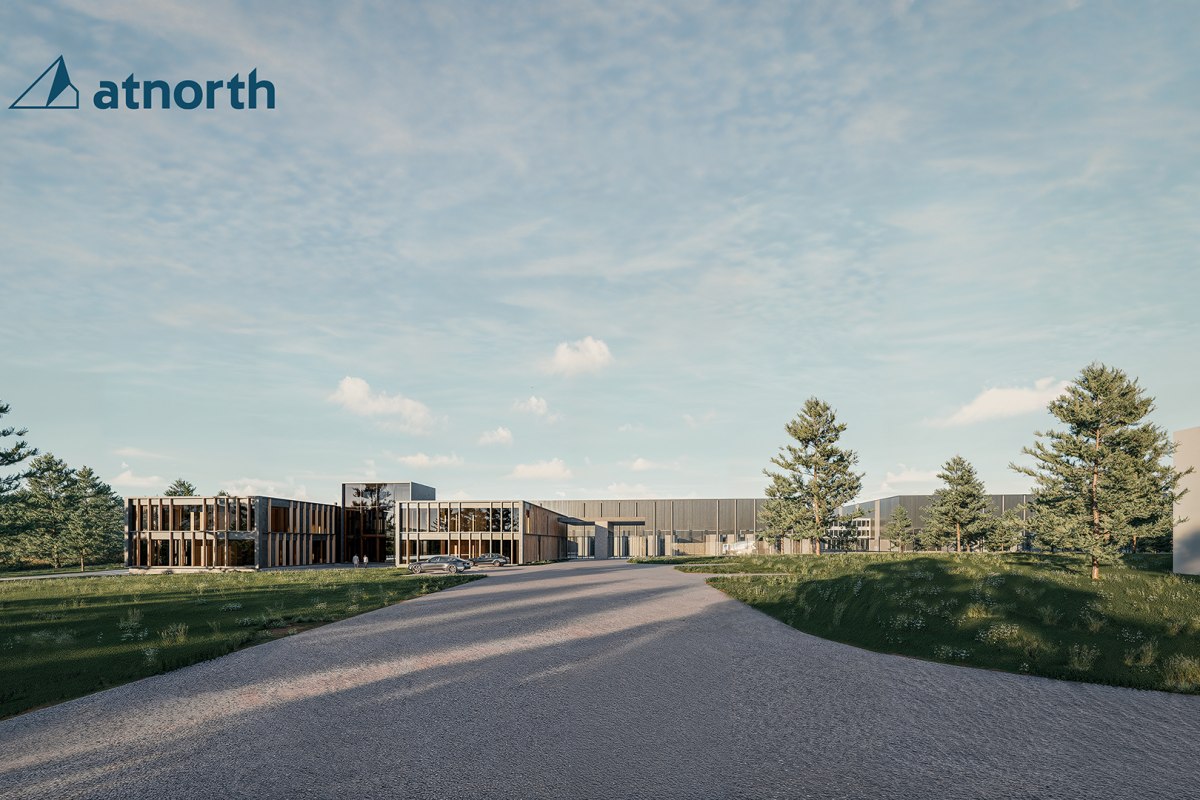
atNorth, a Nordic high-density data centre provider, has confirmed plans to develop a 300MW data centre in Sollefteå Municipality, Sweden. Located at Hamre Industrial Park in Långsele, the new site will be developed on a 50-hectare (202km²) plot (Hamre 1) and is expected to be operational in the first half of 2028. The industrial park is fully zoned for development, which the company says supports a shorter construction timeline as demand grows for AI and high-performance computing infrastructure. Renewable energy and heat reuse The site was selected for its grid capacity and access to renewable energy. The campus will follow atNorth’s modular design approach and is intended to support both colocation and built-to-suit deployments. The company states it will pursue heat reuse partnerships so that excess heat from the facility can be redirected for local use. Eyjólfur Magnús Kristinsson, CEO at atNorth, says, “We face a critical point in time right now, where we must balance unprecedented growth in high-density workloads with an increasingly urgent need for sustainable, scalable digital infrastructure. "Our Sollefteå campus represents a significant milestone for the company and demonstrates our commitment to building data centre ecosystems that deliver both technical excellence and long-term value for local communities.” The announcement follows recent expansion projects in Iceland and Stockholm. For more from atNorth, click here.


Translate »