Security Risk Management for Data Centre Infrastructure


Why network resilience now depends on control​
In this exclusive article for DCNN, Ramtin Rampour (pictured above), Principal Solutions Architect at Opengear, explains why independent management access is becoming an essential element of network resilience as data centre environments grow larger, more distributed, and increasingly complex: Building resilience beyond the production network With data centres supporting ever higher-density workloads and users increasingly expecting the services they use to be available at all times, network resilience is a fundamental priority for operators responsible for keeping critical infrastructure running. Resilience is no longer just about whether infrastructure can withstand disruption; it also depends on whether operations teams can retain control when something goes wrong. As data centre environments become more distributed and security-sensitive, the ability to reach critical systems during failure has become central to recovery. In this context, remote access to networks has become critical. When the network fails, recovery can only begin if teams can still reach the systems they need to fix. A loss of connectivity is no longer only a traffic problem; it can restrict visibility, delay remediation, and leave data centre network teams dependent on the same production environment that is already degraded. For data centre network teams, resilience now depends not only on network availability, but on maintaining a reliable management path when the production network is degraded or unavailable. Redundant links and resilient hardware still have a place in delivering this. However, they cannot guarantee recovery on their own. Teams also need a trusted route into critical infrastructure when the production network is misconfigured, compromised, or unavailable. Without it, a familiar fault that should be routine to resolve can become a prolonged recovery exercise. The control gap This need for control is becoming more urgent as data centre environments grow increasingly complex. Preventing outages remains a strategic priority for owners and operators, even as infrastructure equipment improves. At the same time, modern architectures and external threats continue to introduce risks that must be actively managed. For network teams, the takeaway is clear: component reliability alone does not ensure resilience. Effective recovery planning must also address dependency chains, change-related errors, and potential loss of access. Those dependencies are increasing with AI environments placing heavier demand on traffic inside high-density infrastructure. Edge sites often sit far from specialist engineering teams, whilst hybrid operating models extend the network across owned and hosted environments. Each can lengthen recovery if teams have no independent management path. During an incident, the gap appears at console level. An engineer may understand which change caused the issue, which device needs attention, or which segment should be isolated, but still have no reliable way to act. No amount of bandwidth helps if management access depends on the failed route. This gap is exactly what out-of-band management is designed to address. By providing a dedicated, physically separate network path, it gives operators direct console-level and IP access to critical infrastructure, independent of the production network they may need to repair. Skills, security, and scale Workforce pressure is another factor widening the control gap. In the 2025 ISC2 Cybersecurity Workforce Study, only 55% of respondents agreed their organisations have the resources needed to address security incidents over the next two to three years. For data centre operators, that shortage has direct consequences. When incidents occur, recovery often depends on the same network teams that manage access and infrastructure availability. If those teams are stretched, site visits take longer and recovery becomes harder to coordinate. Stretched data centre network teams need fewer site visits and more repeatable processes. Automation is valuable but it is not a substitute for reachability. A workflow cannot reboot, reconfigure, or isolate a device it cannot access. For large estates, the access model has to be designed before the recovery process can be trusted. Security adds another constraint. Palo Alto Networks’ 2026 Unit 42 Global Incident Response Report found that identity weaknesses played a material role in almost 90% of investigations, whilst 87% of intrusions involved activity across multiple attack surfaces, including networks. For data centre operators, this is a network resilience issue as much as a security one. When disruption occurs, teams still need a trusted way to reach routers, switches, firewalls, and other critical devices, but that access cannot rely on the same production network that may be degraded or exposed to attacker movement. During a cyberattack, management access has to be both available and governed. Speed without strong authentication creates risk. Tight controls with no practical route into the infrastructure slow recovery. Operators need a path that sits outside production traffic, with clear permissions and logs that stand up to audit. Future-proofing through independent access Future-proofing data centre networks should start with control under imperfect conditions. An independent management plane separates the route used to control infrastructure from the route carrying production traffic. When the main network is down or untrusted, it allows teams to inspect devices, roll back changes, isolate segments, and verify service health remotely. The aim is not to prevent every failure; it is to prevent failures from removing the operator’s ability to respond. This capability is valuable from the outset. New infrastructure often needs to be built and secured before normal production connectivity is ready. In edge or remote sites, local intervention can be slow and expensive. In this context, a separate management path allows teams to bring equipment online, test configurations, and reduce dependence on physical access. Once infrastructure is live, the same path can support daily resilience. Network operations teams can intervene earlier when device health deteriorates and recover services without depending on unstable systems. Against this backdrop, resilience becomes less about emergency improvisation and more about disciplined control built into network operations. Data centre networks will always face disruption from misconfiguration, cyber threats, equipment faults, and external events. For operators, resilience depends on whether they can retain control when those disruptions occur. As data centre estates become larger, more distributed, and harder to secure, resilience will depend on a trusted path back into the infrastructure, whether teams are managing a core facility, an edge site, or hosted environments. That control helps teams recover faster and keep critical services always running. For more from Opengear, click here.

Siemens, Infineon partner on data centre circuit protection
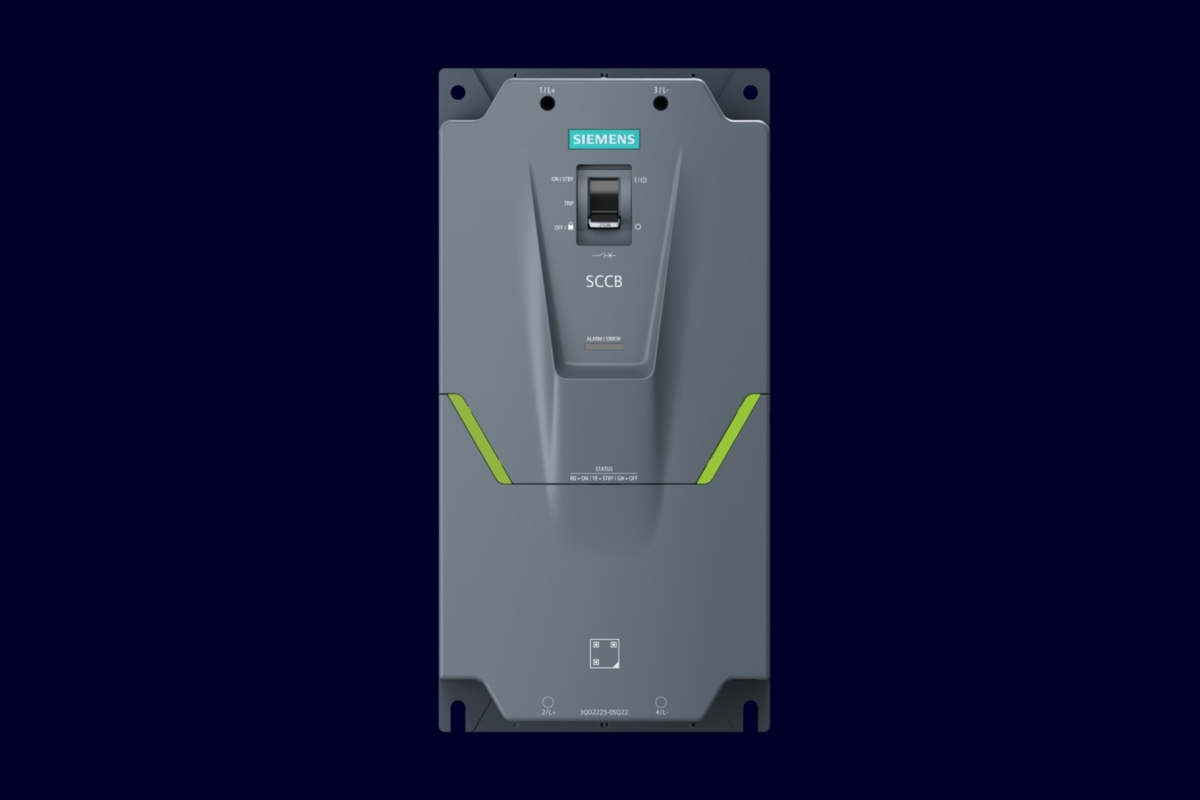
German multinational technology company Siemens and German semiconductor manufacturing company Infineon Technologies have partnered to develop electrical protection technology for data centres, industrial facilities, and battery energy storage systems (BESS). Under the agreement, Infineon will supply silicon carbide (SiC) power modules for use in Siemens's SENTRON 3QD2 semiconductor circuit breakers, designed to improve efficiency, power density, and reliability in power distribution systems. According to the companies, growing electrification and the increasing complexity of AI data centres and industrial operations are driving demand for faster and more reliable electrical protection. A semiconductor circuit breaker, also known as a solid-state circuit breaker, is designed to protect electrical circuits from excessive current caused by faults such as short circuits and overloads. Unlike conventional electromechanical breakers, which use mechanical components to interrupt current flow, semiconductor-based devices use electronic components and control algorithms to react significantly faster. Siemens says the SENTRON 3QD2 can interrupt current in the microsecond range, making it suitable for direct current (DC) power systems where rapid fault isolation is required to minimise downtime and equipment damage. Andreas Weisl, Executive Vice President and Chief Sales Officer of Industrial and Infrastructure at Infineon, notes, "AI data centres and factories are becoming increasingly electrified and complex. "This increases vulnerability to electrical failures and drives the demand for more sustainable, efficient, and reliable power distribution systems. "By combining our advanced silicon carbide technology with Siemens's expertise in power distribution, we are addressing this demand to ensure fast, safe, and reliable operations in power-critical environments." Growing interest in DC power systems The collaboration centres on Infineon's CoolSiC MOSFET power module, which has been integrated into Siemens's semiconductor circuit breaker platform. The companies say the technology supports the wider adoption of DC power distribution systems, which are gaining attention in industrial environments and data centres because of their potential efficiency benefits and ability to integrate more effectively with battery storage systems. Markus Grabmeier, CEO Electrical Products at Siemens Smart Infrastructure, comments, "Our new direct current portfolio offers innovative solutions that not only improve energy efficiency but also enable the development of resilient, future-proof infrastructure. "Direct current applications can decrease energy consumption and substantially cut material usage. By integrating batteries, peak power can also be significantly reduced. "With this approach, we are making a decisive contribution to the decarbonisation of our industries, while reinforcing our commitment to developing technologies that deliver tangible value to our customers and society." The companies state that the partnership is intended to support the growing requirements of power-critical environments where electrical protection systems must operate quickly and reliably to maintain availability and reduce the risk of service disruption. A demonstration of the SENTRON 3QD2 semiconductor circuit breaker will be showcased at PCIM Europe 2026 in Nuremberg, Germany, from 9–11 June. For more from Siemens, click here.

Red Sift finds top US DCs lack email security protections
As cyber threats increasingly target critical infrastructure, a new analysis from Red Sift, a London-based cybersecurity firm specialising in AI-powered email security and digital brand protection, reveals significant email security gaps among the largest data centre operators in the United States. Despite underpinning the nation’s digital economy, an alarming 27% of the top 100 US data centres lack effective email authentication enforcement, leaving them vulnerable to domain spoofing and phishing attacks. The review examined the top 100 US data centres, analysing their implementation of key email security standards such as DMARC (Domain-based Message Authentication, Reporting, and Conformance), which is designed to prevent attackers from impersonating trusted domains. Key findings include: • 27% of data centres operate with weak or no enforcement (email security policies set to “none” or not configured), creating a major spoofing vulnerability across critical infrastructure. • 10% of analysed organisations have no DMARC record at all, representing the highest-risk category for impersonation-based attacks. • BIMI adoption remains extremely low at just 6%, meaning 94% of data centre brands lack visual verification in inboxes, significantly increasing the risk of brand impersonation. An urgent need for stronger protections These gaps are especially concerning given the sector’s scale and importance. The United States is home to more than 4,500 active data centres consuming approximately 176 TWh of electricity annually, about 4.4% of total US power use, with over 700 additional facilities under construction across 38 states. Virginia leads the nation with more than 665 facilities, followed by Texas and California. The findings, Red Sift believes, underscore an urgent need for stronger baseline protections across the sector. Even as data centre capacity rapidly expands to meet rising demand from AI and digital services, email security remains an overlooked but critical vulnerability layer, with attackers increasingly exploiting trusted infrastructure domains to gain footholds across interconnected systems. As the backbone of cloud computing, AI, financial systems, and national security infrastructure, data centres represent high-value targets for cybercriminals. Weak email authentication leaves operators, partners, and customers exposed to phishing, business email compromise (BEC), and supply chain attacks that can disrupt operations or compromise sensitive data flows.

'External threats a rising cause of outages for data centres'
External infrastructure failures and outages linked to fibre and connectivity issues are becoming more prominent for data centres, according to new research from the Uptime Institute, a US-based independent data centre standards and certification body. Despite that, on-site outages for data centres have declined for the fifth consecutive year, with approximately one in 10 noting that their last outages had a serious or severe impact. The cost of major outages continued to rise, with 57% stating that their most recent major outage cost over $100,000 (£74,800) and one in five reporting a cost of over $1 million (£748,000). Richard Petrie, CTO of the London Internet Exchange (LINX), comments, “Networking and connectivity continue to sit at the top of the most common causes of IT outages, reinforcing the importance of resilience in this area. "As organisations face growing pressure from network congestion, external threats, and increasing reliance on third-party providers, resilience across both network and data centre infrastructure is becoming critical. "While it’s encouraging to see on-site outages declining as infrastructure providers continue to prioritise resilience, the risks posed by external failures mean organisations still need robust redundancy policies in place for when outages do occur. "The backbone of a strong redundancy strategy is a secondary fabric that allows data to be rerouted during periods of disruption or risk, helping organisations remain operational even when the primary network is compromised. "By providing multiple options to route traffic, organisations can strengthen resilience and help networks stay online.” Power failures a contributing a factor The leading cause of impactful outages was power, with failures involving UPS systems, transfer switches, and generators remaining prominent. Worsening grid constraints and high-density workloads were also found to contribute to outages as a newer challenge. To adapt, the research outlined that operators are adapting investment strategies towards automation and control systems in order to manage complexity, despite acknowledging that more automation can cause different classes of problems. In line with the causes of outages, resilience assessments were found to focus more on internal systems than on external and systemic risks. Andy Lawrence, founding member and Executive Director of Uptime Intelligence, says, “Outages overall have slowed down and, overall, digital infrastructure is remarkably resilient. But further resiliency gains are becoming harder to achieve. “We believe that over time, failures will increasingly not be the result of a single point of failure, but instead be linked to complex interactions between systems, including software, networks, and external dependencies. "While site-based electrical and mechanical infrastructure remain a critical building block that needs to be resilient, digital infrastructure is becoming more distributed with outages originating outside the data centre, including those tied to power availability, network connectivity, or the reliance on external cloud services playing a larger role.”

Gardner Engineering expands data centre security range
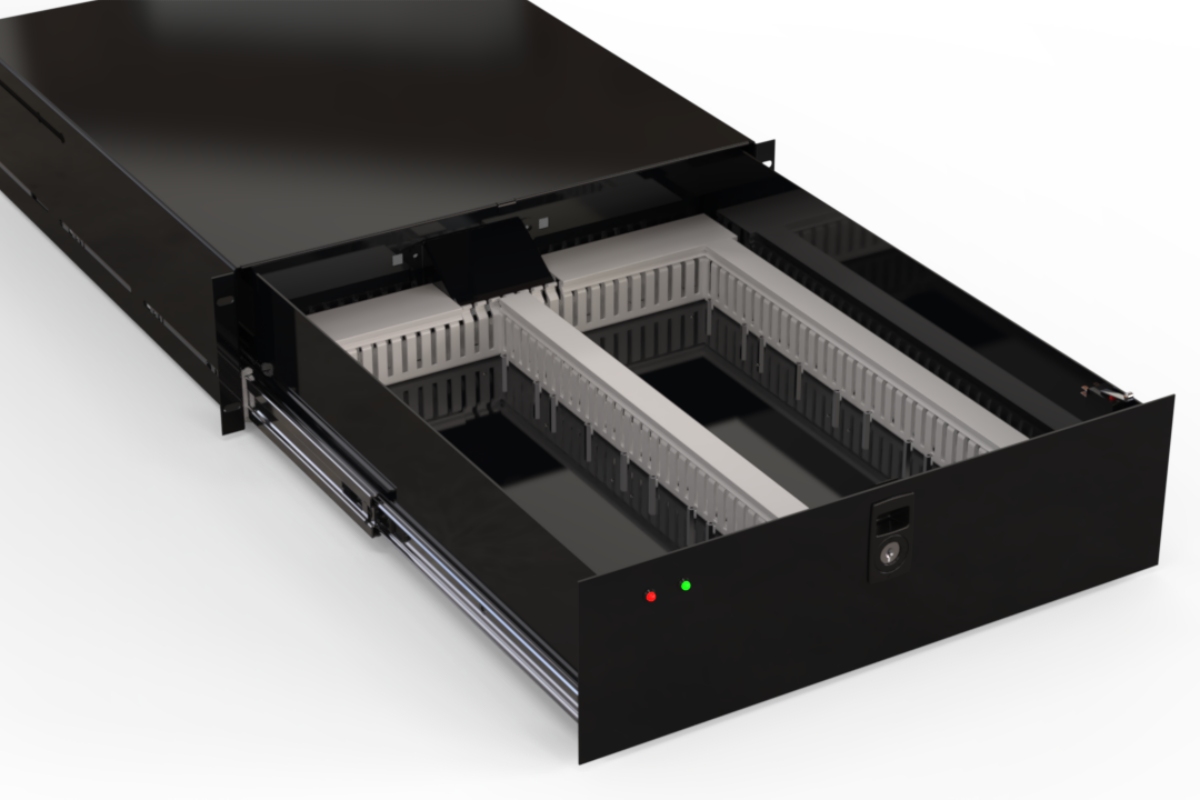
Gardner Engineering, a security products manufacturer, has launched a new range of products for data centres, digital infrastructure, and access control environments, as demand for physical resilience in AI and cloud infrastructure continues to grow. The Lancashire-based manufacturer produces precision-machined security mounts, components, and CCTV brackets, and says it is seeing increased demand linked to data infrastructure security. The latest additions include a 3U rack mount access control drawer, designed to house multiple control PCBs within standard 19-inch cabinets. According to the company, the unit is intended to improve cable management and simplify servicing through a sliding access design. Gardner Engineering has also introduced a 6U wall-mounted 19-inch rack enclosure for environments where floor space is limited. The enclosure is designed for the vertical installation of networking, surveillance, and access control hardware. New tools target infrastructure deployment challenges Alongside the hardware launches, Gardner Engineering is expanding its digital sales support with an online product selector and configurator. The tool is already available through the company’s website and is being developed as a white-label platform for distributors and partners. The configurator is intended to help users manage product selection and specification more efficiently, including options such as height, finish, mounting plates, and bespoke requirements. Matt Phillip, CEO of Gardner Engineering, comments, “As digital infrastructure expands, customers are looking for products that solve practical problems around space, organisation, security, and deployment. "Our focus is not just on launching more hardware; it is about making specification easier as well. The white-label configurator is an important step because it gives partners a practical tool they can place directly on their own websites, linked to the Gardner products they actually sell.” The wider Q2 2026 launch programme also includes a surface mount lock cassette kit for Assa Abloy EL160 and EL560 applications, an expanded access control and vehicle posts range, and integrated entrance control bases developed with ZKTeco. Gardner Engineering says the new products reflect growing demand for physical infrastructure that supports resilience, deployment efficiency, and channel integration.

Mitie acquires Nordic data centre security firms
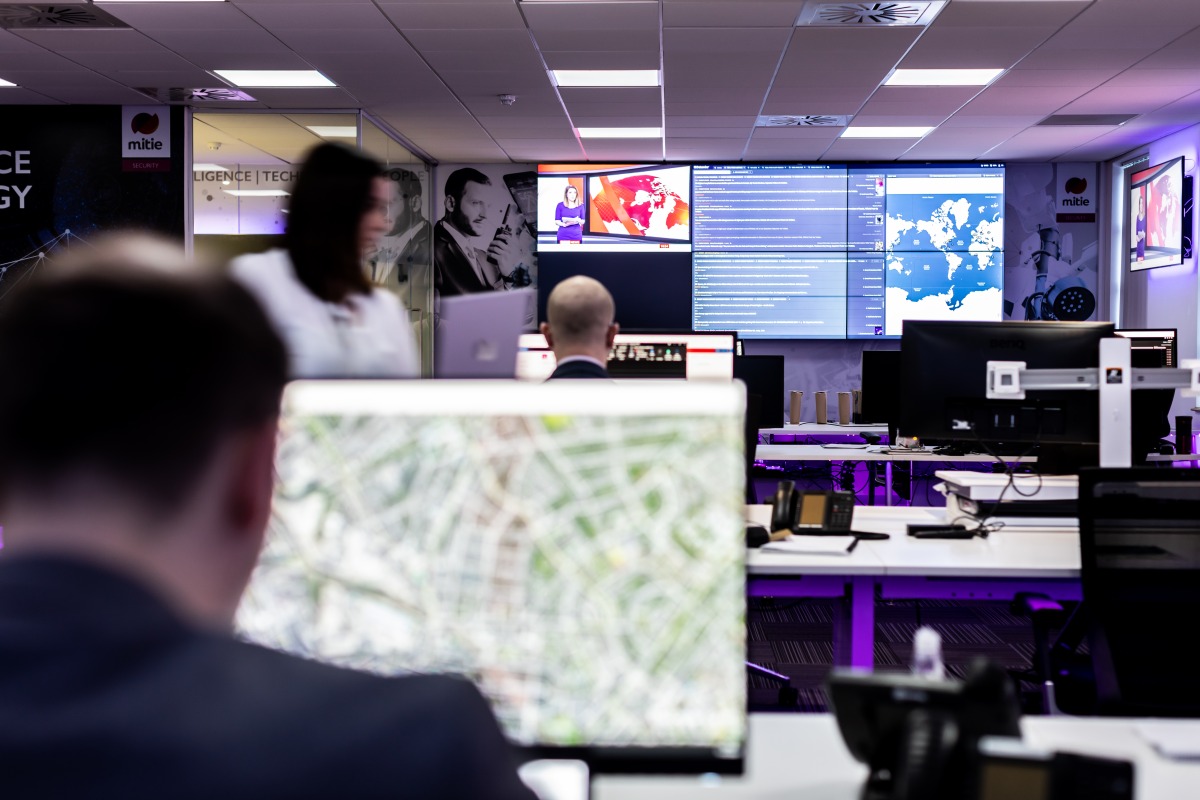
Mitie, a UK facilities management and professional services company, has acquired two fire and security businesses in Denmark and Norway to expand its data centre capabilities across the Nordics. The company has purchased El Team Vest and ABC Elektro for a combined initial cash consideration of £8.1 million, with additional deferred payments linked to performance. The acquisitions are intended to strengthen Mitie’s project delivery and maintenance capabilities in the European data centre fire and security systems market. The group is already active in the sector, supporting clients including Microsoft, Google, and Equinix. El Team Vest, based in Horsens, Denmark, has around 20 years’ experience in electrical design, installation, and maintenance. Its work includes data and fibre networks, fire and security systems, building management systems, and high-voltage electrical connections. Recent projects include electrical retrofit work for Velux, as well as contracting for the headquarters of ABB Group and DSV Logistics. ABC Elektro, based in Horten, Norway, provides fire and security services alongside electrical capabilities such as data connections and building management system installations. The company primarily serves commercial and construction customers in the Oslo region. Nordic expansion driven by data centre growth Demand for data centre capacity continues to grow, driven in part by increased use of AI and machine learning technologies. The Nordic region has become a key location for new developments, supported by renewable energy availability, grid capacity, and cooler operating conditions. Mitie already operates in the Nordic data centre market through its fire and security business, GBE Converge, acquired in 2023. The addition of El Team Vest and ABC Elektro is expected to strengthen its regional presence, with a combined workforce of around 100 employees. El Team Vest will operate as a regional centre of expertise, providing technical and operational support across Mitie’s Nordic activities. For the 12 months to 31 December 2025, El Team Vest reported revenue of £16.6 million and EBITDA of £3.2 million. ABC Elektro reported revenue of £2.7 million over the same period, with break-even EBITDA following investment. Jason Buttle, Managing Director - Fire & Security Projects at Mitie, comments, “The acquisitions of El Team Vest and ABC Elektro strengthen our ability to deliver complex fire, security, and electrical solutions across the Nordics, one of Europe’s most important and fast-growing data centre hubs. "With Mitie’s financial backing and [its] deep technical expertise, strong local reputations, and track records supporting major commercial and technology clients, we expect these businesses to scale up our data centre offering. "We look forward to welcoming their highly skilled colleagues to Mitie as we support our hyperscale and colocation customers in meeting the rapidly increasing demand for data centre capacity.”

Palo Alto expands AI factory security partnerships
Palo Alto Networks, a US provider of cybersecurity platforms including firewalls and cloud security services, has announced an expanded security ecosystem aimed at protecting AI-focused data centre and telecoms infrastructure, unveiling new partnerships at Mobile World Congress 2026. The company has confirmed collaborations with Nokia, U Mobile, Aeris, and Celerway. The agreements are intended to support high-performance AI infrastructure, 5G networks, and distributed edge environments. Palo Alto Networks says the partnerships are designed to integrate AI-driven security controls across data centres, telecom networks, and IoT deployments, supporting data sovereignty requirements and multi-terabit throughput for AI model training. Telco and edge security integrations With Nokia, the companies are aligning data centre security with AI infrastructure deployments, including support for large-scale European facilities. The collaboration focuses on integrating security from network layers through to workloads. Greg Dorai, Senior Vice President and General Manager, IP Networks at Nokia, comments, “In the race to build the world's AI factories, you cannot leave the door open at the infrastructure layer. "Nokia and Palo Alto Networks jointly envision comprehensive architectural and operational frameworks that expand security solutions from the network layer to workloads. The validated architecture will allow our customers to build future-proof, sovereign data centres.” Palo Alto Networks has also signed a memorandum of understanding with U Mobile to develop a network-embedded Security-as-a-Service platform within its 4G and 5G infrastructure. Integration with Aeris links Aeris IoT Watchtower and Prisma SASE 5G to apply data loss prevention and zero-trust policies across large IoT device estates. Meanwhile, collaboration with Celerway incorporates VM-Series Next-Generation Firewalls into 5G edge devices, extending enterprise-grade security controls to remote and mobile deployments. Anand Oswal, Executive Vice President at Palo Alto Networks, says, “We are establishing the secure foundation for the AI economy through extensive ecosystem collaboration. "By seamlessly integrating our AI-powered security services directly from the data centre into the most vital 5G and IoT networks globally, we are ensuring the AI factory is secure by design. "These partnerships enable us to create a secure digital infrastructure capable of managing the multi-terabit throughput required for training AI models.” For more from Palo Alto Networks, click here.

Vertiv launches AI predictive maintenance service
Vertiv, a global provider of critical digital infrastructure, has launched a new AI-powered predictive maintenance service, Vertiv Next Predict, aimed at modern data centres and facilities supporting AI workloads, including AI factories. The managed service is designed to move maintenance away from time-based and reactive models, using data analysis to identify potential issues before they affect operations. Vertiv says the service supports power, cooling, and IT systems with the aim of improving visibility and supporting more consistent infrastructure performance. The company notes that, as AI workloads increase compute intensity, data centre operators are under pressure to maintain uptime and performance across increasingly complex environments. In this respect, predictive maintenance and advanced analytics are positioned as a way to support more informed operational decisions. Ryan Jarvis, Vice President of the Global Services Business Unit at Vertiv, says, “Data centre operators need innovative technologies to stay ahead of potential risks as compute intensity rises and infrastructures evolve. “Vertiv Next Predict helps data centres unlock uptime, shifting maintenance from traditional calendar-based routines to a proactive, data-driven strategy. We move from assumptions to informed decisions by continuously monitoring equipment condition and enabling risk mitigation before potential impacts to operations.” AI-based monitoring and anomaly detection Vertiv Next Predict uses AI-based anomaly detection to analyse operating conditions and identify deviations from expected behaviour at an early stage. A predictive algorithm then assesses potential operational impact to determine risk and prioritise responses. The service also includes root cause analysis to help isolate contributing factors, supporting more targeted resolution. Based on system data and site context, prescriptive actions are defined and carried through to execution, with corrective measures carried out by Vertiv Services personnel. According to Vertiv, this approach is intended to support earlier intervention and reduce the likelihood of unplanned outages by addressing issues before they escalate. The service currently supports a range of Vertiv power and cooling platforms, including battery energy storage systems (BESS) and liquid cooling components. Vertiv says the platform is designed to expand over time to support additional technologies as data centre infrastructure evolves. Vertiv Next Predict is intended to integrate as part of a broader grid-to-chip service architecture, with the aim of supporting long-term scalability and alignment with future data centre technologies. For more from Vertiv, click here.

Warnings of drone‑enabled cyber threats to critical infrastructure
As drone technology becomes more sophisticated and accessible across the globe, researchers from Innovation Central Canberra (ICC) at the University of Canberra have teamed up with Australian tech company DroneShield to understand the risk profile of cyber attacks to critical infrastructure. With the rapid expansion of drone tech reshaping Australia’s security landscape, Defence, national security, and critical infrastructure are facing new challenges; meeting these requires capability that is not only technologically advanced, but also assessed and refined through rigorous, independent research environments. “We know how drones have changed traditional warfare, but are we oblivious of the role they play in cyber security?" questions Professor Frank den Hartog, Cisco Research Chair in Critical Infrastructure at the University of Canberra. "That's a worry, and an opportunity for our drone and cyber industry.” The project began with a team comprising Professor den Hartog and ICC students - namely Andrew Giumelli and Simone Chitsinde - undertaking targeted analysis and interviewing critical infrastructure operators to further understand the cyber threat environment through the use of drones. Increasing threats to critical infrastructure In the independent report, researchers found no recorded domestic cyber incidents using drones to date, but also noted that limited drone detection capabilities and awareness, minimal government guidance, and rising drone use are creating vulnerabilities. This highlights a gap in reporting on drone-enabled cyber threats in Australia. The findings warn that the combinations of steadily increasing drone capability, limited awareness across industries, and a lack of targeted government guidance is creating a widening gap. The report emphasises that drones are no longer emerging technology. Their capability, affordability, and accessibility have increased dramatically in recent years, and malicious actors are experimenting with drone-borne cyber techniques overseas. Within the next five years, as drone and cyber capabilities continue to evolve, operators may need to reassess the likelihood and relevance of drone-enabled cyber threats. Professor den Hartog continues, “This research highlights the need for greater education, more industry collaboration, improved knowledge sharing, and broader consideration of counter-drone capabilities across critical infrastructure sectors. “We need to encourage operators to periodically and critically review how drones are used within their operations, assess the cybersecurity implications of increased adoption, and explore strategies to integrate drone risk into existing security and resilience programs.” DroneShield’s engagement with ICC highlights the broader importance of research-industry collaboration in strengthening countries' sovereign capabilities. Acknowledging this, both organisations say they are exploring opportunities to continue the partnership.

SIA launches data centre advisory board
The Security Industry Association (SIA), a trade association for global security solution providers, has launched a new Data Center Advisory Board to provide guidance on data centre security matters to its Board of Directors and to support SIA members with relevant resources. The group will be chaired by Jim Black, Senior Director and Security Architect at Microsoft, who has been involved in the company’s cloud and data centre operations since 2011. The establishment of the advisory board comes as global demand for data centre capacity continues to rise, driven by artificial intelligence, cloud services, and other digital technologies. As facilities that host large volumes of sensitive information, data centres face increasing pressure to maintain robust and resilient security practices. A focus on collaboration and guidance According to SIA, the Data Center Advisory Board will contribute to the development of guidance and information related to security deployments, encourage collaboration between security providers and data centre security professionals, and engage with SIA’s government relations team on legislative and regulatory matters where relevant. In his role at Microsoft, Jim is responsible for defining security technology strategy to protect assets and personnel across a global portfolio of more than 400 data centres. He holds several professional certifications, including Certified Protection Professional and Physical Security Professional from ASIS International, as well as Certified Information Systems Security Professional from ISC². Commenting on his appointment, he notes, “The data centre industry is experiencing unprecedented growth and heightened risks driven by emerging technologies and global operational challenges. "I am honoured to serve as SIA’s inaugural Data Center Advisory Board Chair and look forward to working with this accomplished group of industry experts to advance and publish modern security standards that will strengthen cloud critical infrastructure protection worldwide.” Don Erickson, CEO of SIA, says Jim’s experience makes him well suited to the role, commenting, “The Data Center Advisory Board is an important venture for SIA, and we are very pleased that it will be able to benefit from Jim’s experience and expertise in data centre security from its inception. “Jim has for many years been an enthusiastic and generous supporter of SIA, contributing to multiple groups and projects that have advanced the industry’s professionalism and knowledge base. We are excited about what the advisory board will accomplish under his leadership.”


Translate »