Data Centre Projects: Infrastructure Builds, Innovations & Updates

Sabey's Manhattan facility becomes AI inference hub
Sabey Data Centers, a data centre developer, owner, and operator, has said that its New York City facility at 375 Pearl Street is becoming a hub for organisations running advanced AI inference workloads. The facility, known as SDC Manhattan, offers dense connectivity, scalable power, and flexible cooling infrastructure designed to host latency-sensitive, high-throughput systems. As enterprises move from training to deployment, inference infrastructure has become critical for delivering real-time AI applications across industries. Tim Mirick, President of Sabey Data Centers, says, "The future of AI isn't just about training; it's about delivering intelligence at scale. Our Manhattan facility places that capability at the edge of one of the world's largest and most connected markets. "That's an enormous advantage for inference models powering everything from financial services to media to healthcare." Location and infrastructure Located within walking distance of Wall Street and major carrier hotels, SDC Manhattan is among the few colocation providers in Manhattan with available power. The facility has nearly one megawatt of turnkey power available and seven megawatts of utility power across two powered shell spaces. The site provides access to numerous network providers as well as low-latency connectivity to major cloud on-ramps and enterprises across the Northeast. Sabey says it offers organisations the ability to deploy inference clusters close to their users, reducing response times and enabling real-time decision-making. The facility's liquid-cooling-ready infrastructure supports hybrid cooling configurations to accommodate GPUs and custom accelerators. For more from Sabey Data Centers, click here.

De-risking data centre construction
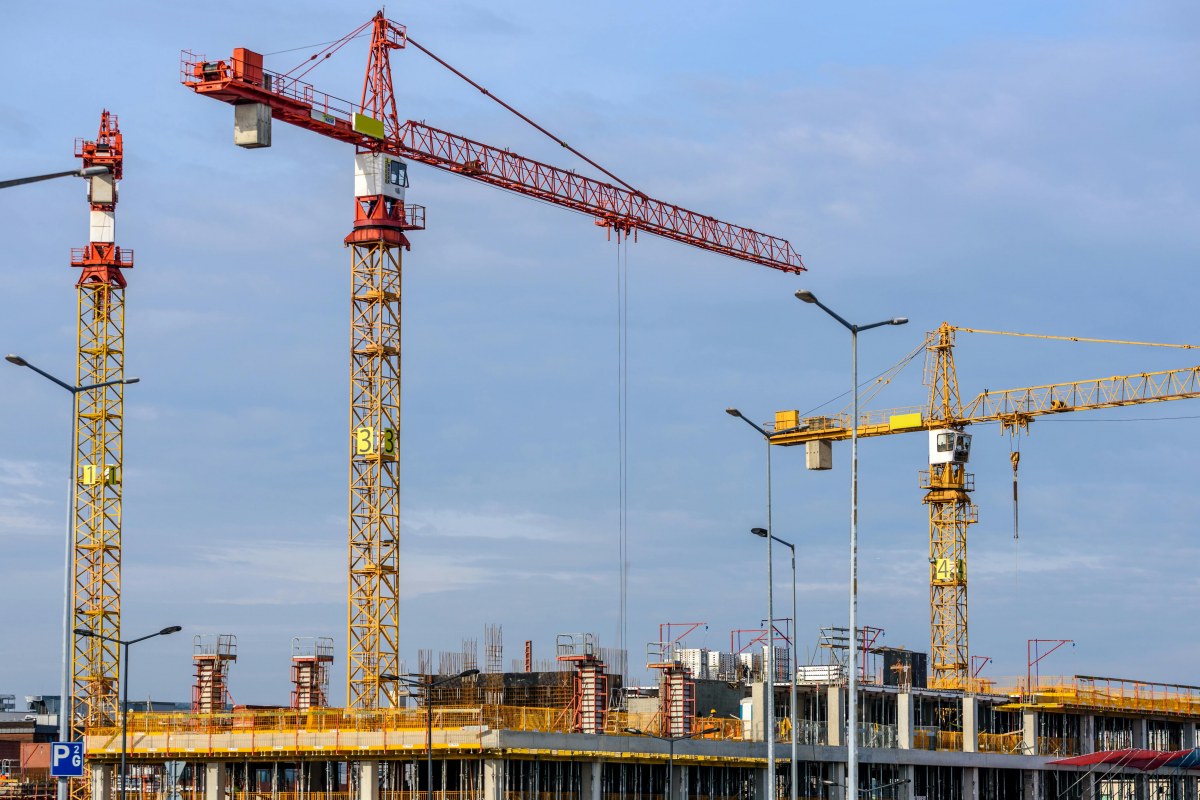
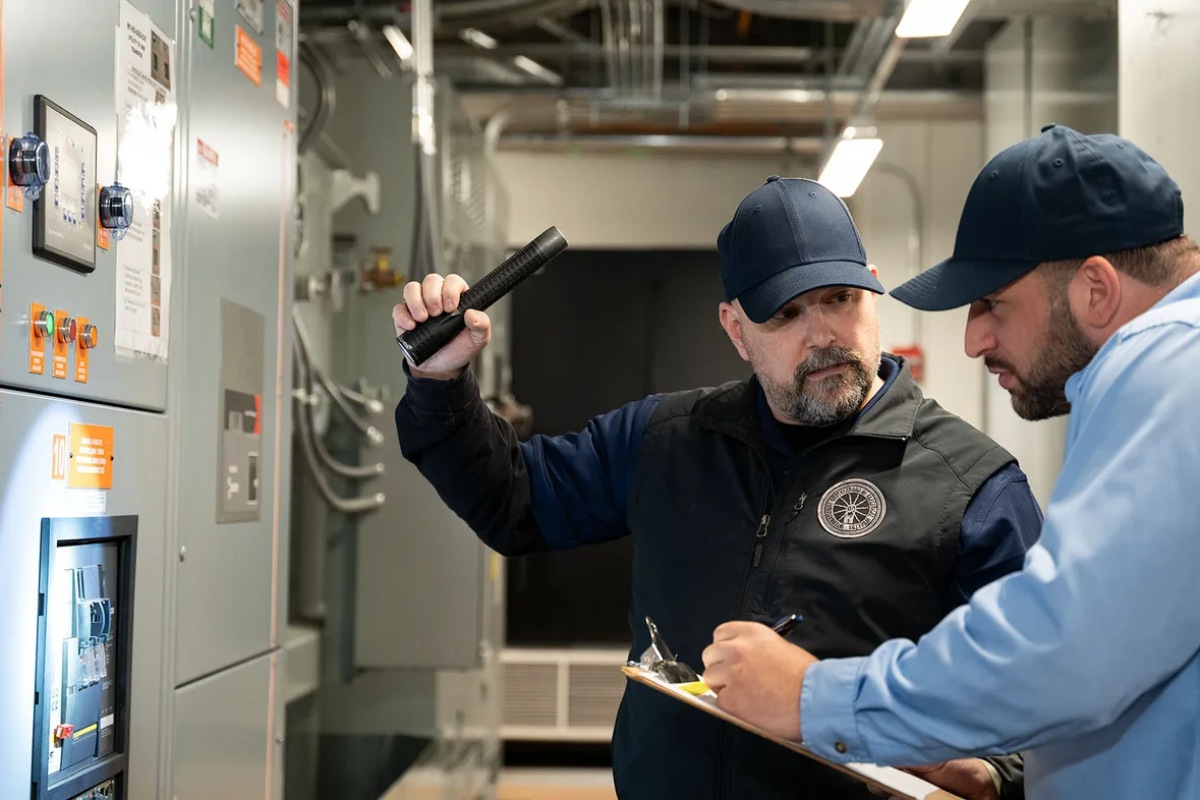
In this article for DCNN, Straightline Consulting’s Craig Eadie discusses how the rapid rise of hyperscale and AI-driven data centres is amplifying project complexity and risk, as well as why comprehensive commissioning from day one is now critical. Craig highlights how long-lead equipment delays, tightening grid constraints, and beginning commissioning before quality control can derail builds, stressing the need for commissioning teams to actively manage supply chains, verify equipment readiness, and address power availability early: How can comprehensive commissioning de-risk data centre construction? Data centres are the backbone of the global economy. As more businesses and governments depend on digital infrastructure, demand for hyperscale and megascale facilities is surging. With that growth comes greater risk. Project timelines are tighter, systems more complex, and the cost of failure has never been higher. From small enterprise facilities to multi-megawatt hyperscale builds, it’s critical that commissioning teams control and mitigate risk throughout the process. It’s rarely one big crisis that causes a data centre project to fail. More often, it’s a chain of small missteps - from quality control and documentation to equipment delivery or communication - that compound into disaster. Taking a comprehensive approach to commissioning from day one to handover can significantly de-risk the process. Managing upwards (in the supply chain) It wasn’t long ago that a 600 kW project was considered large. Now, the industry routinely delivers facilities of 25, 40, or even 60 MW. Both sites and the delivery process are getting more complex as well, with advanced systems, increasing digitisation, and external pressures on manufacturers and their supply chains. However, the core challenges remain the same; it’s just the consequences that have become far more serious. Long-lead equipment like generators or switchgear can have wait times of 35 to 50 weeks. Clients often procure equipment a year in advance, but that doesn’t guarantee it will arrive on time. There’s no use expecting delivery on 1 July if the manufacturer is still waiting on critical components. Commissioning teams can de-risk this process by actively managing the equipment supply chain. Factory visits to check part inventories and verify assembly schedules can ensure that if a generator is going to be late, everyone knows early enough to re-sequence commissioning activities and keep the project moving. The critical path may shift, but the project doesn’t grind to a halt. Managing the supply chain on behalf of the customer is an increasingly important part of commissioning complex, high-stakes facilities like data centres. Luckily, a lot of companies are realising that spending a little up front is better than paying a few hundred thousand dollars every week when the project is late. Securing power More and more clients are facing grid limitations. As AI applications grow, so too do power demands, and the utilities often can’t keep pace. A data centre without power is just an expensive warehouse, which is why some clients are turning to behind-the-meter solutions like near-site wind farms or rooftop solar to secure their timelines, while bigger players are negotiating preferential rates and access with utilities. This approach is meeting with increasingly stern regulatory pushback in a lot of markets, however. You can have a perfectly coordinated build, but if the grid can’t deliver power on time, it’s game over. Power availability needs to be considered as early as possible in the process and sometimes you have to get creative about solving these challenges. Commissioning without quality control is just firefighting One of the most common mistakes we see is starting commissioning before quality control is complete. This turns commissioning into a fault-finding exercise instead of a validation process. The intended role of commissioning is to confirm that systems have been installed correctly and work as designed. If things aren’t ready, commissioning becomes firefighting, and that’s where schedules slip. Data centres are not forgiving environments. You can’t simply shut down a hyperscale AI facility to fix an oversight after it’s gone live. There is no “more or less right” in commissioning. It’s either right or it isn’t. Technology-driven transparency and communication One of the biggest improvements we’ve seen in recent years is through better project visibility. By using cutting edge platforms like Facility Grid, commissioning teams have a complete cradle-to-grave record of every asset in a facility. If a switchboard is built in a factory in Germany and installed in a project in France, it’s tracked from manufacturing to installation. Every test, every piece of documentation is uploaded. If a server gets plugged into a switchboard, the platform knows who did it, when they did it, what comments were made, with a photographic backup of every step. It means that commissioning, construction, and design teams can collaborate across disciplines with full transparency. Tags and process gates ensure that no stage is marked complete until all required documentation and quality checks are in place. That traceability removes ambiguity. It helps keep everyone accountable and on the same page, even on the most complex projects when adjustments are an essential part of reducing the risk of delays and disruption. The biggest differences between a project that fails and one that succeeds are communication and clear organisational strategies. Precise processes, reliable documentation, early engagement, and constant communication - everyone on the project team needs to be pulling in the same direction, whether they’re a part of the design, construction, or commissioning and handover processes. This isn’t just about checking boxes and handing over a building; commissioning is about de-risking the whole process so that you can deliver a complex, interconnected, multi-million pound facility that works, that’s safe, and that will stay operational long after servers spin up and the clients move in. In the past, the commissioning agent was typically seen as a necessary evil. Now, in the data centre sector and other high-stakes, mission critical industries, commissioning is a huge mitigator of risk and an enabler of success.

Portable data centre to heat Scandinavian towns
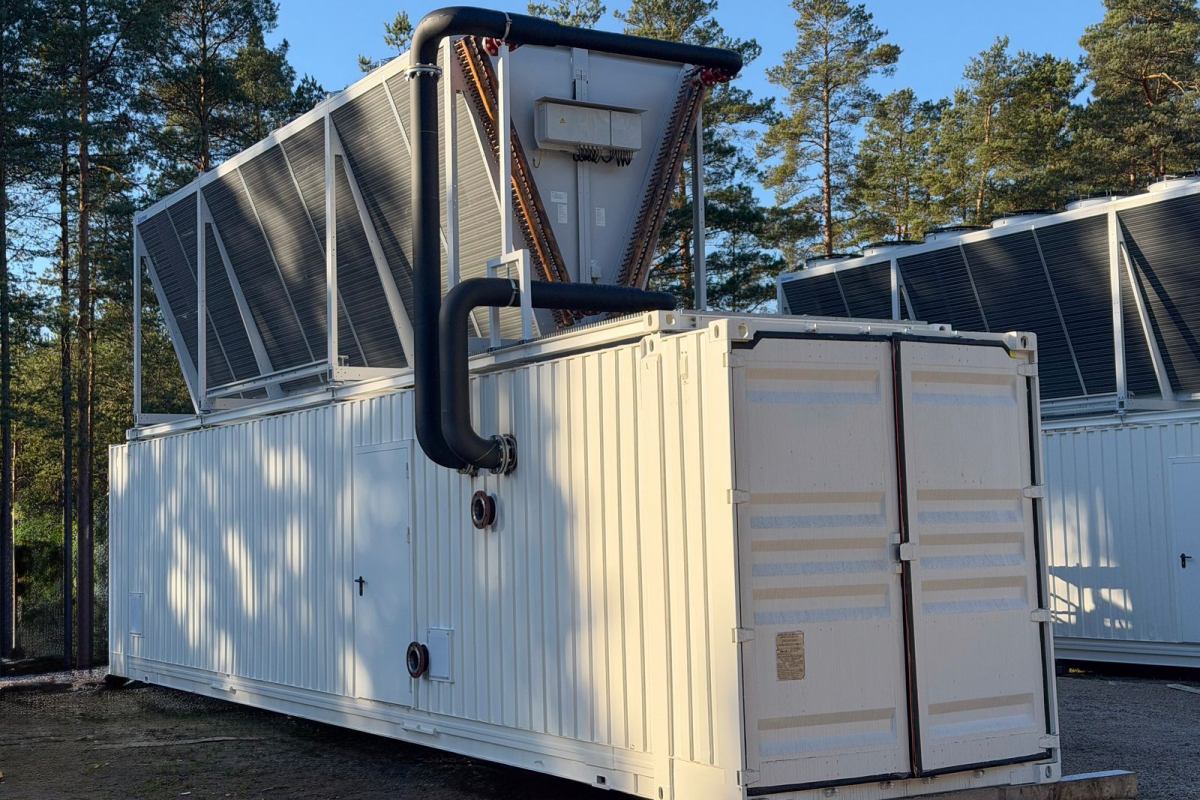
Power Mining, a Baltics-based personal Bitcoin mining device manufacturer, has developed a portable data centre that will heat towns using residual heat from Bitcoin mining. The first two data centres, housed in shipping containers, will be shipped to a Scandinavian town, where they will be connected to the municipal heating system. In one year, one Power Mining data centre can reportedly mine up to 9.7 Bitcoin and heat up to 2000 homes. With 1.6 MW/h in power, the data centre achieves 95% energy efficiency, thereby providing the municipality with 1.52 MW/h. A portable data centre design The data centres are built in Latvia, at a cost starting from €300,000 (£262,000). Due to being put together in a shipping container, they are easily shipped around the world. The data centre is made up of eight server closets, each outfitted with 20 Whatsminer M63S++ servers that consume 10kW of electricity each and create an equivalent amount of heat. The servers can raise the incoming coolant temperature by 10-14°C, producing the equivalent amount of heat while mining Bitcoin. Each server closet is equipped with warm and cool fluid collectors which send the warmed liquid to a built-in heat pump station, where a 1.7 MW heat exchanger ensures the redistribution of heat from the data centre to the town’s heating grid. If the heating grid does not require additional heat from the data centre, the heated fluid is redirected to a built-in dry cooler, which adjusts the temperature to suit the needs of the servers. This way, the data centre is able to cool itself and also contribute to balancing the municipality’s heating grid. Steps towards increased energy efficiency The development of a passive heating data centre is one step towards increased energy efficiency in Bitcoin mining. While classical data centres can collect heat at approximately 27°C, Power Mining says its data centres can collect heat up to 65°C, providing cities with more efficient sources of heat. European data centres already make up more than 3% of the continent’s total electricity consumption, which is expected to surpass 150 TW/h annually - an equivalent of all of Poland’s electricity demands. Up to 40% of this energy is turned into heat, which most often is released into the atmosphere. If this energy were collected and redirected back to heating, it could provide up to 10 million European households with heat. Heat collection from data centres could become one of the most effective ways to combine digitalisation and climate goals.

Macquarie tops out $350M, 47MW AI data centre
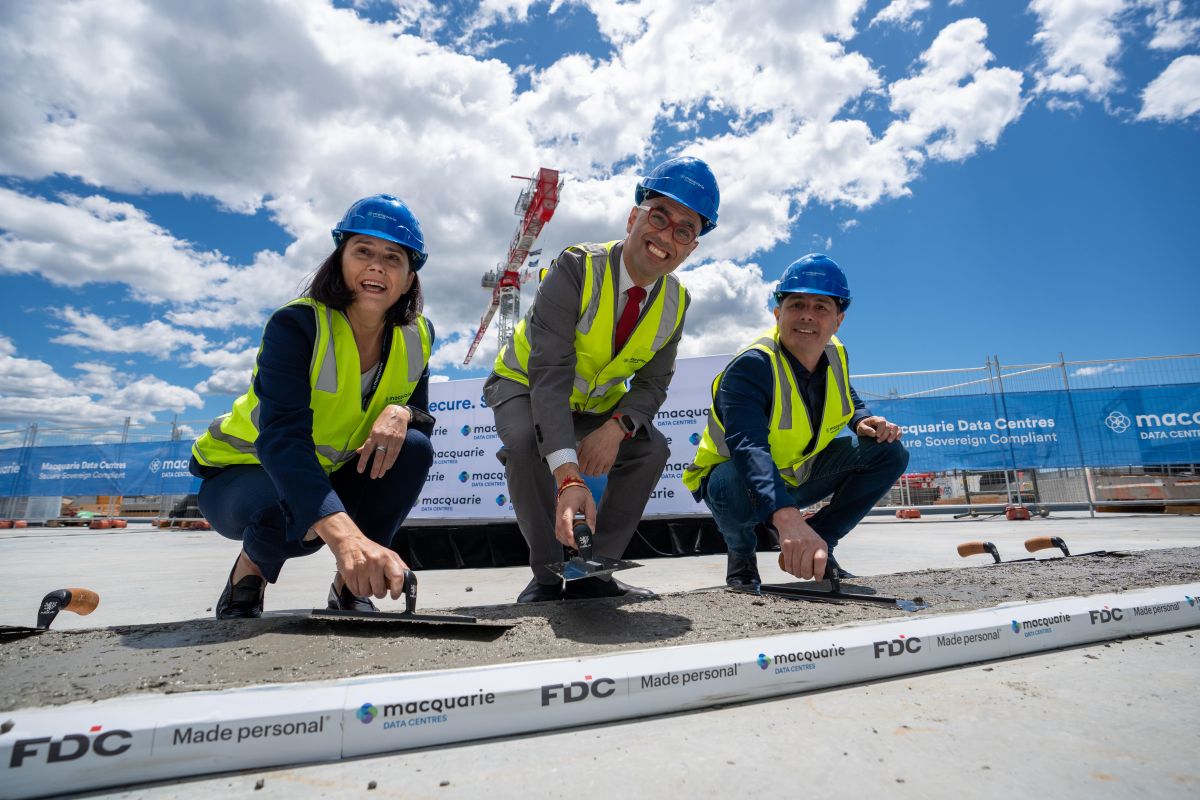
The New South Wales Treasurer, Hon. Daniel Mookhey MP, today poured the final concrete on Macquarie Data Centres’ newest 47 megawatt (MW) facility, IC3 Super West. The ceremony marks the completion of the building’s external structure and a major milestone toward its scheduled opening in September 2026. IC3 Super West will be the only data centre to add new AI capacity to Sydney’s north zone in 2026, Macquarie states. With all the end-state power already secured, the facility is being purpose-built to meet the growing demands from hyperscalers, enterprise and neoclouds for GPU and high-performance computing capacity in the Tier 1 hub. The facility is part of Macquarie Data Centres’ 200MW development pipeline adding more AI and cloud capacity to the market. NSW Treasurer, Hon. Daniel Mookhey MP, says, “Companies like Macquarie Data Centres keep investing, keep expanding, and keep believing that NSW can be a global home for high-tech infrastructure. And it happens because the government has chosen to take planning and investment delivery seriously. “In the years ahead, thousands of businesses will run smarter because this building exists. Research will accelerate because this building exists. AI capability will expand because this building exists. And NSW will be more competitive – globally competitive – because this building exists.” Sydney is seeking to cement its position as a leading hub for AI, cloud and digital innovation, supported by new initiatives such as the NSW Government’s new Investment Delivery Authority - which aims to accelerate future technology infrastructure projects like Macquarie Data Centres’ recently announced 150MW planned site. Macquarie Data Centres Group Executive, David Hirst, comments, “IC3 Super West is the next data centre in our pipeline of sites planned to add circa 200MW of AI and cloud capacity in Sydney. Demand for high-density AI infrastructure is the most significant megatrend we’ve seen in over 25 years in the data centre industry. IC3 Super West, opening in Q3 2026, is purpose-built for the high-density power and liquid cooling demands of new AI technology. Sovereign data centres keep Australia competitive in the global market and are the foundation of our AI future.” IC3 Super West is the third facility to be built at the leading provider’s 65MW Macquarie Park Data Centre Campus in Sydney’s north zone and is designed to support a hybrid mix of air and liquid cooling for direct-to-chip, high-density AI and cloud workloads. Phase 1 of the build is a circa $350 million investment and will deliver the complete core and shell with 6MW IT load fitted out. For more from Macquarie, click here.

Subzero Engineering opens new Vietnam facility
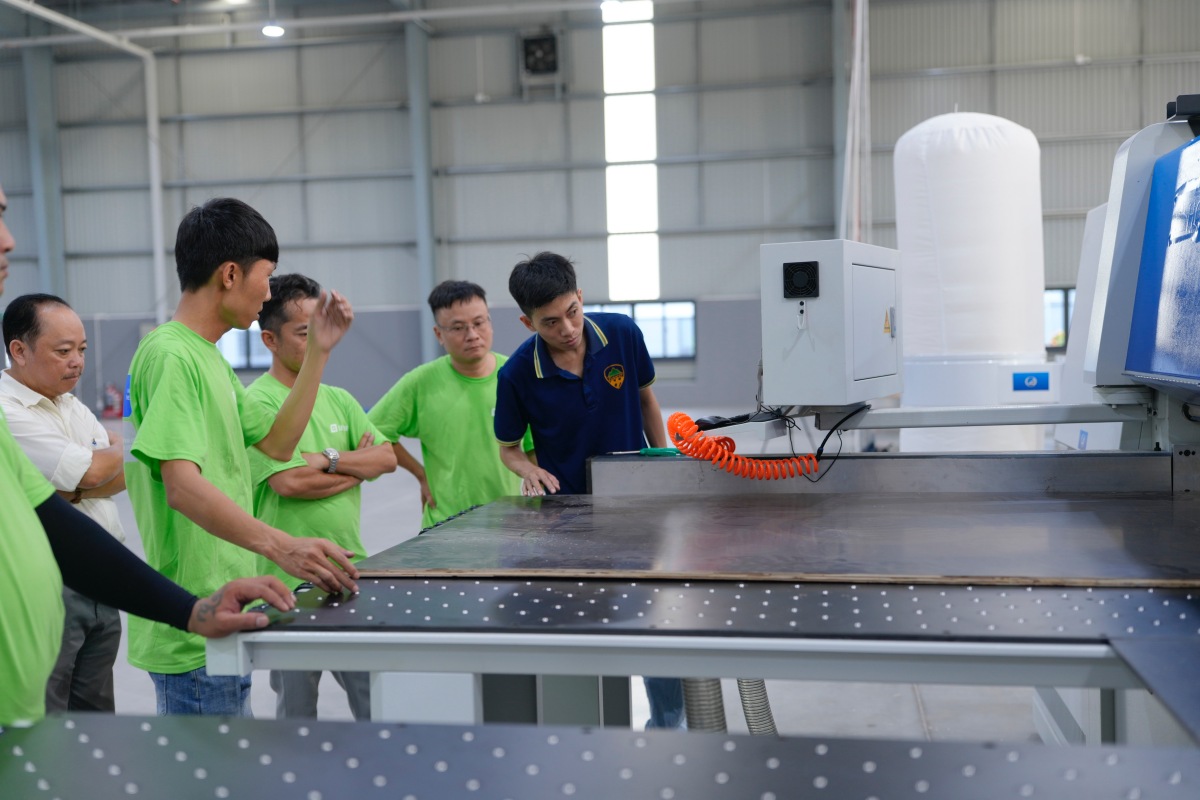
Subzero Engineering, a provider of data centre containment systems, has expanded its global operations with a new facility in Ho Chi Minh City, strengthening its position in the Asia-Pacific market and supporting growing regional demand for data centre infrastructure. The site will act as a central hub for APAC activities, reinforcing the company’s long-term presence in the region and improving proximity to partners and supply chains. Midge Pan, General Manager, APAC, Subzero Engineering, comments, “This expansion is about more than infrastructure; it’s about proximity to our partners, agility in the supply chain, and speed to market. “Vietnam offers a unique combination of talent, resilience, and strategic location that enables us to meet APAC’s growing demand for cutting-edge digital infrastructure.” 'Centre of excellence' for design and manufacturing The Ho Chi Minh City facility will serve as a "centre of excellence" supporting global engineering teams. It will accommodate manufacturing, design, and research and development functions, and will produce Subzero’s containment systems, modular enclosures, aisle frames, and airflow management equipment. Dedicated research and development space will also support the creation of technologies tailored to APAC’s fast-changing data centre market, including approaches aimed at AI, high-density computing, and sustainability. Shane Kilfoil, President of Subzero Engineering, explains, “This new facility is a strategic cornerstone in Subzero’s global vision, designed to integrate localised innovation with global scale. “By establishing a centre of excellence in Vietnam, we’re not just expanding our footprint; we’re embedding agility, resilience, and sustainability into the core of our operations.” The company expects the site to create more than 50 skilled roles across engineering and technical disciplines. Subzero also plans to form partnerships with local universities and technical institutions to support training and internship programmes. The facility has been developed within a building designed with sustainability features, including on-site solar generation, energy-efficient systems, and low-carbon construction methods. Subzero says these measures reflect its wider environmental commitments and its focus on reducing operational impact. With established operations across North America and Europe, the addition of the Vietnam site aims to strengthen the company’s global network. It also allows Subzero to offer more responsive support to regional customers as demand for new data centre capacity increases. For more from Subzero Engineering, click here.

Pure DC secures approval for Madrid data centre
Pure Data Centres Group (Pure DC), a digital infrastructure organisation, has received final planning approval for the first phase of its €400 million Madrid data centre development, including a private substation. The campus has a planned capacity of 70MW, with Phase 1 comprising a substation and a 30MW facility. The project is expected to support digital demand across the region and strengthen local energy resilience. More than 400 construction roles will be created, with an emphasis on employing local firms. Once operational, the site will provide more than 50 permanent technical and support positions and contribute to improvements in nearby power and telecommunications infrastructure. Work is expected to begin this month, with early activity focused on connecting high-voltage lines from the Iberdrola power substation and constructing the new private substation. Substation and modular data hall development The private substation will use environmentally focused gas-insulated switchgear from Siemens. This equipment replaces traditional insulating gases with alternatives that avoid greenhouse gas emissions and toxic by-products. Pure DC notes that the site will be among the first in Spain to use this type of switchgear. The company anticipates completing the substation by early 2027, followed by phased construction of modular data halls. These halls will support high-density deployments and can be configured for either air or liquid cooling. Both cooling approaches use closed-loop systems with zero operational water consumption. Pedro L. Sanz, Mayor of Meco Municipality, comments, “This licence approval highlights the constructive dialogue and collaboration between Pure DC and our City Council. "The project not only reinforces our city's position as a technology hub, but marks a mutual achievement that will boost employment and the digital future of our region.” Dame Dawn Childs, CEO at Pure Data Centres, notes, “Like many major European cities, Madrid’s demand for digital infrastructure far out-strips the supply coming online. “Pure DC’s ability to bring on new low-latency, high-quality capacity in such supply constrained locations demonstrates our capability to deliver compelling partnerships for local authorities, potential customers, and our supply chain.” Pure DC also plans to work with nearby communities, mirroring programmes in place at its other sites. These include partnerships with schools and universities, training and careers initiatives, community outreach, and collaborations with local organisations on environmental projects. For more from Pure DC, click here.

CleanArc breaks ground on 900MW Virginia hyperscale campus
CleanArc Data Centers, a developer and operator of hyperscale data centre campuses, has just announced the groundbreaking of its flagship campus in Caroline County, Virginia. Offering 900MW of grid capacity, the new data centre campus will aim to support the growing demand for scalable, sustainability-focused, and hyperscale-ready digital infrastructure. Governor Glenn Youngkin joined local officials, community partners, and CleanArc leadership at the ceremony, celebrating the official start of construction on the project. “Today marks an important milestone for CleanArc Data Centers and Northern Virginia,” says James Trout, founder and CEO of CleanArc Data Centers. “This new, leading-edge campus reflects our commitment to delivering reliable, efficient, and sustainable data centre solutions while supporting the local economy and workforce.” Features of the VA1 campus The VA1 campus is designed to meet growing hyperscale demand, featuring: • Nearly 1GW of grid power — With the first 300MW coming online in Q1 2027, the second 300MW currently projected for 2030, and another 300MW in the 2033–2035 timeframe, the campus seeks to ensure robust redundancy and resilience, supporting both current demand and future scalability. • Sustainability and efficiency focus — The VA1 campus incorporates land conservation initiatives, minimal water usage with closed-loop systems, and design features to reduce noise and light pollution. At VA1, customers have the option to leverage CleanArc’s approach to energy structuring - what it calls “True Additionality” - where clean energy is added onto electric grids in the region where the energy is being consumed. • Design focused on scalability and speed — Using advanced modular data centre design and off-site manufacturing, CleanArc intends to deliver pre-engineered, factory-tested systems to the construction site to reduce complexity, shorten deployment timelines, and help customers capture market opportunities faster. The future potential The project is backed by majority investor Snowhawk and minority investors Nuveen and Townsend Group, who all say they are committed to "driving the next wave of AI and cloud innovation while prioritising responsible growth and community impact." VA1 is expected to generate approximately $13 million (£9.9 million) in new annual tax revenue for Caroline County, equivalent to 17% of the county’s current general fund. The project will also create at least 50 new full-time jobs in the county and hundreds of additional jobs during the project’s construction over the next several years. Additionally, CleanArc is reportedly partnering with local vendors and workforce programs to support economic growth in the county Brian McMullen, Managing Partner and co-founder of Snowhawk Partners, comments, “We are thrilled to support this project, which represents a significant investment in the future of digital infrastructure and underscores our commitment to building advanced, sustainable facilities that empower businesses and communities.” For more from CleanArc Data Centers, click here.

XYZ Reality, Applied Digital partner on 400MW campus
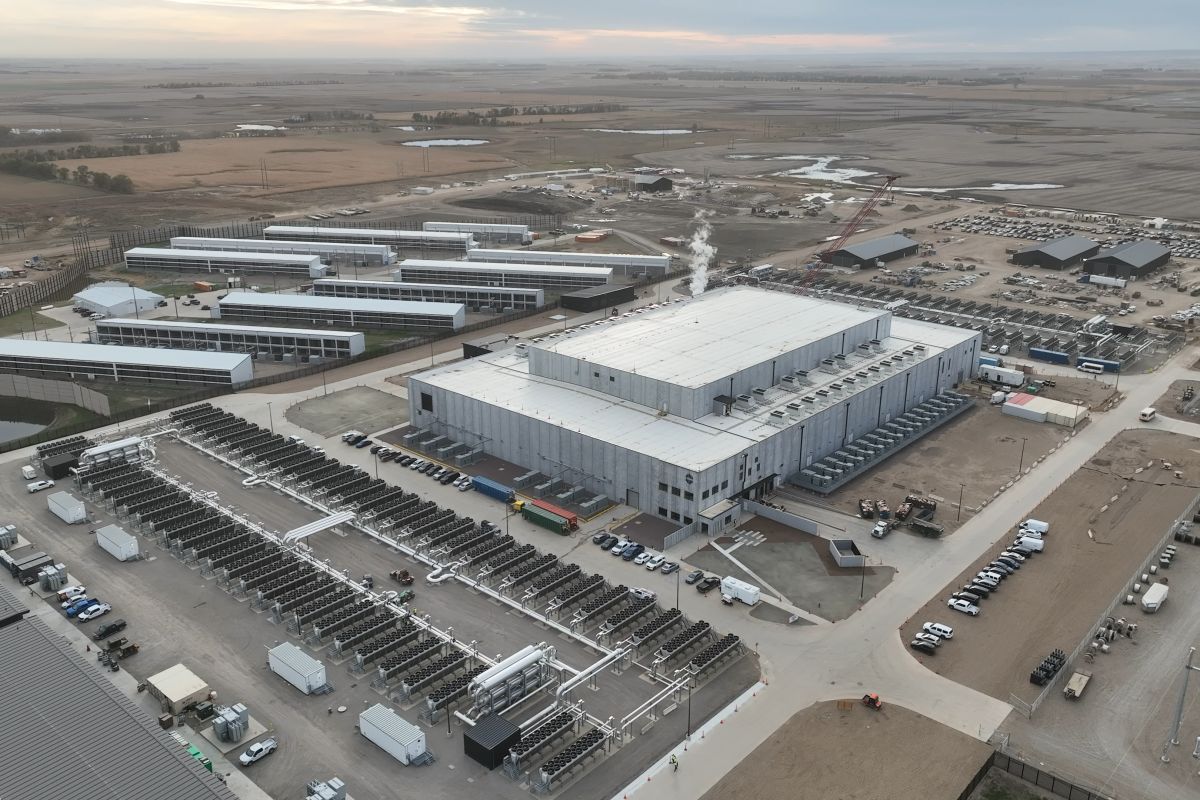
XYZ Reality, a provider of augmented reality (AR) and real-time project controls, is supporting high-performance data centre operator Applied Digital’s delivery of an AI factory in Ellendale, North Dakota. The 400-megawatt (MW) Ellendale AI Factory Campus leverages North Dakota’s cool climate and renewable energy to create a sustainable foundation for advanced computing. XYZ Reality’s construction delivery platform, supported by its team of site engineers, is helping Applied Digital’s project teams track progress in real time, validate installations, and maintain quality standards throughout the build. As part of the partnership, XYZ Reality’s site engineers are embedded on-site to provide verified build progress, installation accuracy, and proactive quality assurance aligned with project plans. Construction of an AI factory David Mitchell, Founder & CEO of XYZ Reality, comments, “Applied Digital is redefining what’s possible in AI infrastructure and it’s exciting to be part of that journey. "From day one, our teams have clicked through a shared drive to push boundaries and use technology differently. Together, we’re proving that transparency, precision, and data-led delivery can transform how these massive projects come to life.” Waleed Zafar, CRO at XYZ Reality, adds, “Working alongside Tier 1 developers like Applied Digital, we’re demonstrating the true impact of data-led construction. "Our platform gives project teams complete visibility and confidence from the ground up - driving precision, accountability, and measurable performance improvements across delivery. "Having already been deployed on more than 2.5GW of data centres, we’re proud to be setting a new standard for how mission-critical infrastructure is built.” For more from XYZ Reality, click here.

Verne, Nscale planning 15MW AI deployment in the Nordics
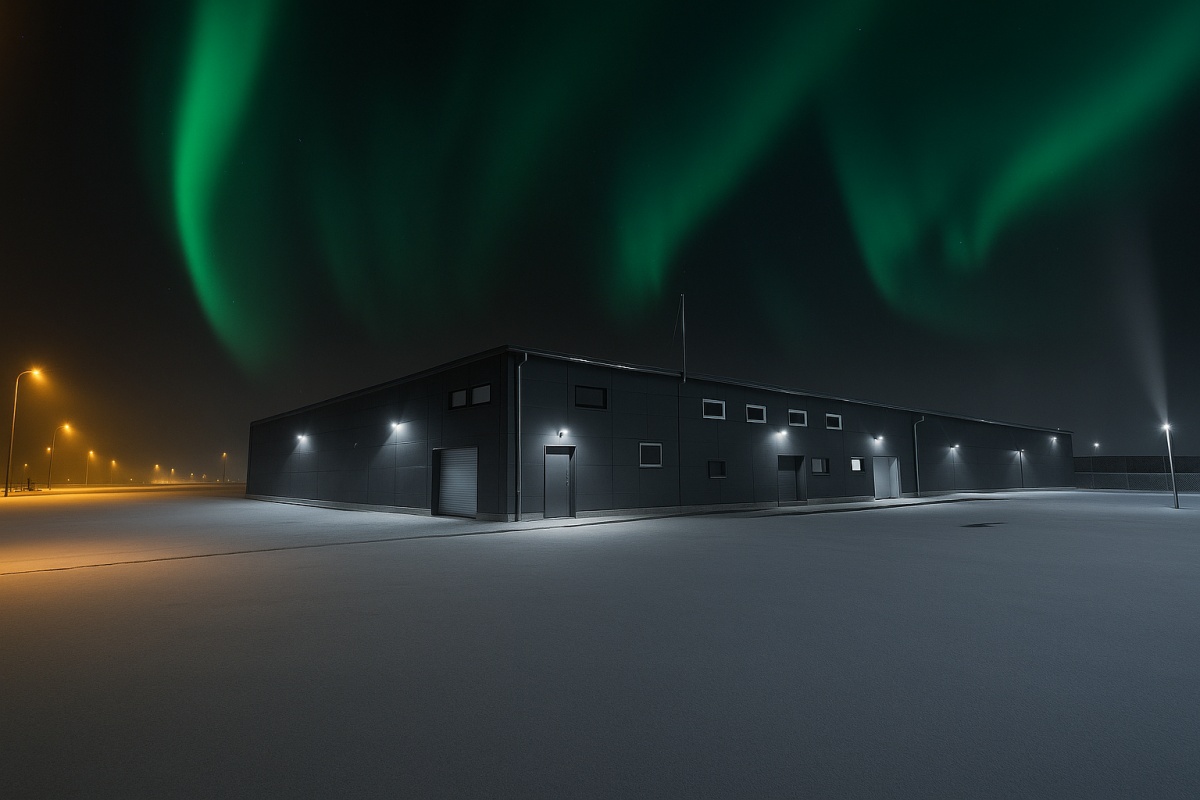
Verne, a provider of low-carbon high-performance data centres across the Nordics, has agreed a 15MW AI infrastructure deployment with hyperscaler Nscale, expanding high-density, renewable-powered computing capacity across its Icelandic campus. The project centres on liquid-cooled GPU infrastructure and is set to run throughout 2026. The installation will comprise around 4,600 NVIDIA Blackwell Ultra GPUs, with an 85% liquid-cooled and 15% air-cooled configuration designed to maximise efficiency within Verne’s existing facilities. It is one of the region’s largest liquid-cooled GPU projects and is expected to support lower energy use and reduced environmental impact. Iceland’s renewable electricity and natural free-cooling conditions position it as a suitable location for high-density AI workloads. Nscale selected Verne based on its experience in renewable-powered data centres and its ability to support large-scale training and inference environments. Large-scale renewable AI capacity across the region “The pace of change in AI infrastructure is extraordinary," notes Dominic Ward, CEO of Verne. "As the demand for GPU capacity accelerates, availability of clean, renewable power has become as important as raw performance. "Partnering with Nscale, whose expertise is redefining how AI infrastructure is delivered responsibly at scale, demonstrates how the Nordics are fast becoming a strategic hub for sustainable AI growth.” Philippe Sachs, Chief Business Officer and President of EMEA at Nscale, adds, “As compute demand grows, we’ve worked with partners throughout the world and the Nordic region to deliver sustainable solutions to meet that demand. "The Nordics offer a uniquely sustainable foundation: abundant renewable energy and natural cooling. With our existing operations in Norway, we’ve seen first-hand how the region powers low-carbon, sovereign-grade AI infrastructure." David Hogan, Vice President Enterprise at NVIDIA, comments, “The collaboration between Verne and Nscale showcases how NVIDIA technology can enable high-performance AI factories with a focus on energy efficiency and sustainability. "Deployments like this reflect how organisations are scaling the next generation of AI workloads responsibly, using innovative cooling and renewable-powered data centres.” The agreement aligns with Verne’s wider European expansion, which includes new campuses planned in Finland and early-stage development activity in France. The companies state that these projects contribute to the Nordics’ growing role as a centre for renewable-powered AI infrastructure. For more from Verne, click here.

NorthC, Legrand upgrade Münchenstein (Basel) data centre
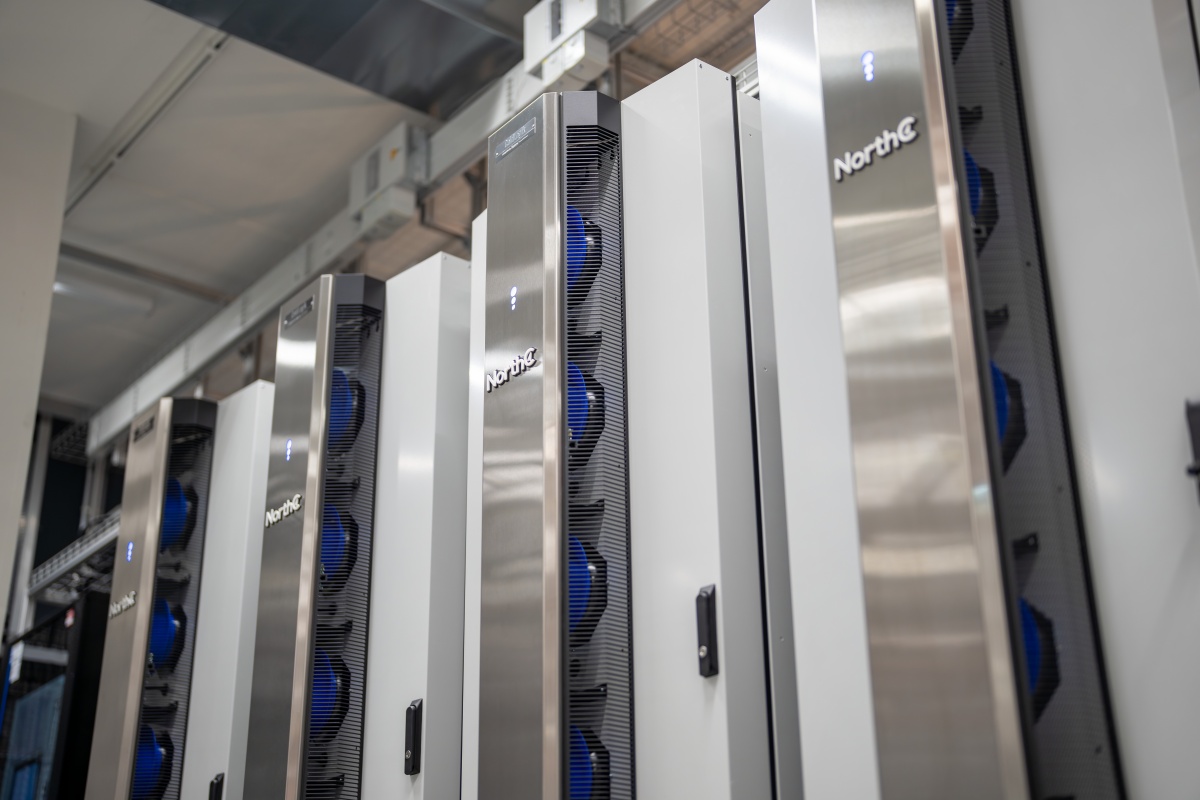
NorthC Data Centers, a Dutch provider of sustainable data centre and colocation services, has partnered with Legrand, a French multinational manufacturer of electrical and digital building infrastructure products, to upgrade its Münchenstein (Basel) site, introducing higher-density infrastructure to support AI, hybrid-cloud, and high-performance computing workloads. The project was completed within a six-month window to meet rising regional demand for GPU-driven environments. NorthC operates regional facilities across Switzerland, the Netherlands, and Germany. The company sought to replace low-density systems and traditional air-cooling at the Münchenstein site to accommodate higher power and thermal loads associated with modern AI deployments. Legrand, through USystems, supplied rear-door heat exchangers for rack-level cooling. These units are mounted to the rear of server racks, absorbing heat from server exhaust and transferring it through a heat exchanger before returning cooled air to the data hall. The closed-loop design supports higher rack densities while improving energy performance. The cooling equipment was installed while the data centre remained live, a process described by Wolfgang Voigt, Münchenstein Data Center Site Manager at NorthC, as “like open-heart surgery.” Focus on efficiency and future expansion NorthC reports that energy consumption at the site has fallen by about 80% following the cooling upgrade and broader infrastructure improvements. The facility now supports GPU-based clusters, hybrid-cloud environments, and high-density workloads, while maintaining compliance with Swiss data protection requirements. Wolfgang says, “Adopting the energy-efficient RDHx technology has been a game-changer for us. The fact that it enables high-density computing while reducing energy consumption makes it a compelling choice to meet AI and HPC requirements.” The upgraded design also accommodates future development, including additional rack capacity or a shift towards liquid or direct-to-chip cooling. NorthC says it continues to pursue its long-term sustainability goals through efficiency measures and ongoing optimisation of existing sites. Colin Rowlands, European Technical Support at USystems, notes, “Installing the basic infrastructure for our cooling solutions in a data centre, whether in the entire data centre or just part of it, makes upgrading easy. "The joint solution, which we are very proud of, provides NorthC with future-proof and flexible infrastructure.” For more from NorthC, click here.


Translate »