Products


ABB launches grid compliance solution for Irish data centres
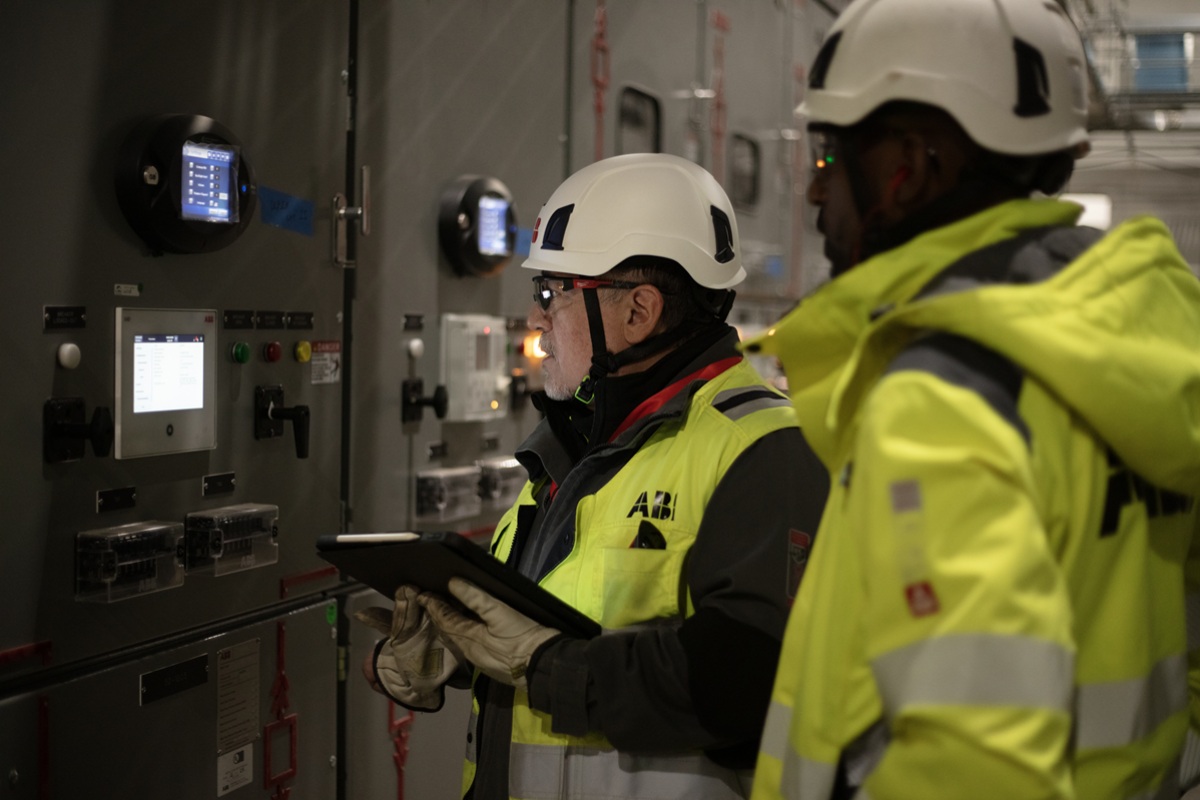
ABB, a multinational corporation specialising in industrial automation and electrification products, has introduced a new energy storage and power management system designed to help data centres comply with emerging grid stability requirements in Ireland. The system combines ultracapacitor energy storage with real-time power orchestration to enable large energy users to respond to grid disturbances within milliseconds, without requiring major changes to existing electrical infrastructure. The announcement comes as Ireland prepares to introduce new grid requirements under EirGrid's proposed MPID345 grid code modification, which will require large-demand facilities, including data centres, to remain connected during grid faults and rapidly restore power demand following network disturbances. ABB has also published a whitepaper, Ireland's Data Centers - Moving from Passive Consumption to Active Participation in Grid Stabilization, outlining how the technology could support compliance with the new regulations. Addressing new grid stability requirements According to ABB, the solution integrates ultrafast energy storage, grid-forming power conversion, and digital control systems to help support grid frequency and voltage stability whilst also maintaining data centre operations. The company says the approach differs from conventional backup systems, which are primarily designed to isolate facilities from grid events rather than actively supporting the electricity network. Ireland's data centres currently account for around 24% of the country's electricity consumption, with that figure expected to increase to 30% by 2032. Under Ireland's Large Energy-User Action Plan (LEAP), new large-scale facilities are expected to provide on-site or nearby generation and/or energy storage, participate in electricity markets, and source at least 80% of their annual energy from new renewable energy projects. Lee Todd, Vice President, Energy & Carbon Services, Electrification Service at ABB, explains, "This is a radical change in what the national grid demands of Ireland’s data centre operators. "When large loads shed simultaneously during a disturbance, the resulting power imbalance can drive frequency excursions that cascade across the entire grid. That is why the country’s data centre operators will be required to provide grid support. And while Ireland is leading the way, other countries such as Spain and US State of Texas are set to follow. "The path forward is not more backup capacity, but precise, coordinated control of power delivered at the exact moment it is needed. We are using ultracapacitors as a unique innovative solution that replaces the need to use the larger alternative technologies of synchronous condensers, e-statcoms, or a combination of different technologies. "The primary purpose of the solution is to provide not only grid inertia and grid voltage control that can be controlled on demand, but [to] support all the available services that energy storage can provide, lowering CapEx investment and OpEx." ABB says a representative 50MW data centre deployment would use five modular 8.4MVA power blocks, providing around 42MVA of dynamic grid support capability. For more from ABB, click here.

BAK Power develops battery cell for AI data centre backup
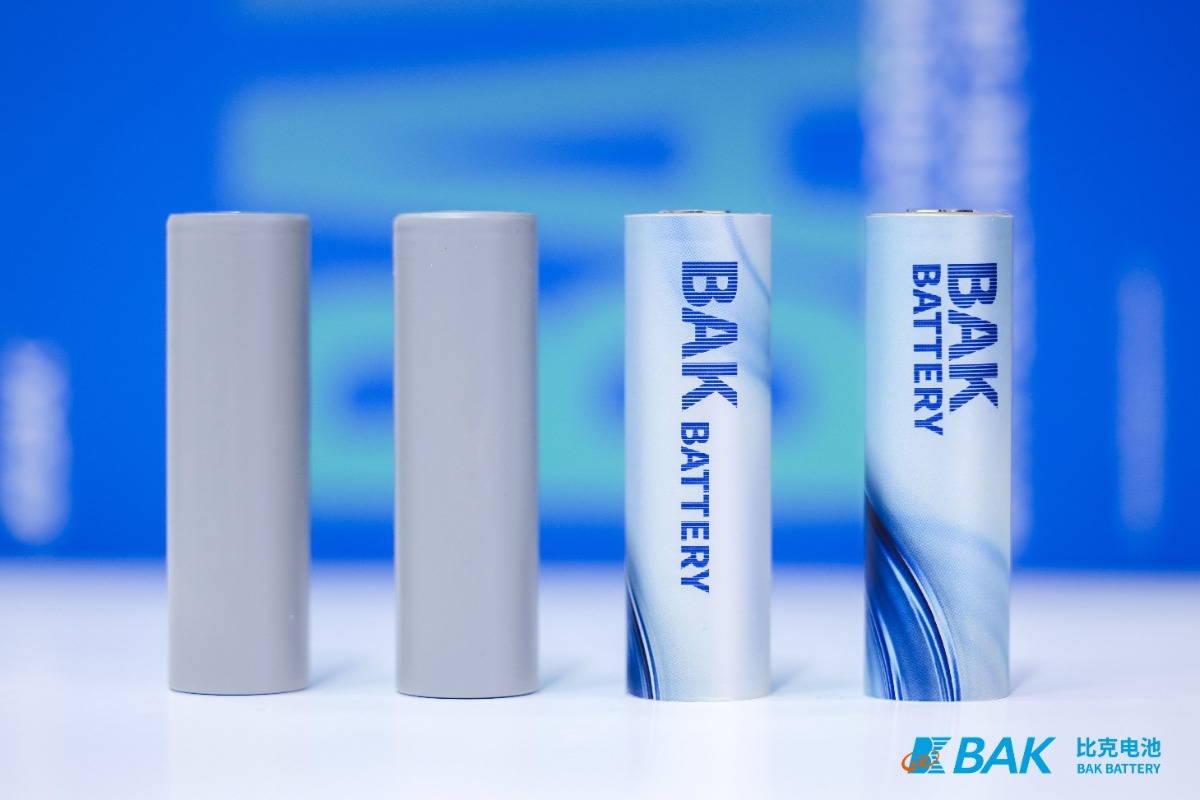
BAK Power, a Chinese manufacturer of lithium-ion batteries, has developed a new 2170 cylindrical lithium-ion cell designed for battery backup units (BBUs) used in AI data centres and other mission-critical power systems. Developed in collaboration with Echion Technologies, a UK developer of materials for lithium-ion batteries, the new cell combines Echion's XNO anode technology with BAK's tabless cell architecture. The companies say the design is intended to provide high charge and discharge rates, extended cycle life, and improved thermal performance for high-density AI environments. Evaluation samples are expected to be available from late 2026. The cell has been developed for liquid-cooled BBU architectures, including ±400V module designs, and is designed to support continuous charge and discharge rates of more than 10C. The companies say the design also offers lower internal resistance and improved thermal stability compared with conventional ultra-high-power 2170 cells, helping to maintain performance in the elevated temperatures typically found in AI data centres. Designed for next-generation AI infrastructure According to BAK Power, the new cell is intended to reduce the need to oversize battery backup systems by providing symmetrical charge and discharge performance. The companies also state that the cell has been engineered for longer operational life and improved safety characteristics compared with existing ultra-high-power chemistries used in similar applications. A spokesperson for BAK Power comments, "We have observed that workloads are reshaping the power architecture within data centres, and the existing ultra-high-power cell chemistries are struggling to keep pace with this evolution. "This is exactly the challenge that BAK's new tabless high-power cell, powered by Echion's XNO anode technology, is designed to address, and the very reason we launched this development project. "We are now opening this programme to select BBU system integrators who wish to secure early access to evaluation samples, pursue joint certification, and establish long-term supply partnerships."

Kaytus launches all-QLC flash storage solution
Kaytus, a manufacturer of servers, storage systems, and data centre infrastructure hardware, has unveiled its All-QLC Flash Storage Solution at AI EXPO KOREA 2026, a platform engineered for ultra-large-scale AI training across clusters of 10,000-plus GPUs. As model sizes and agentic-AI workloads surge, Kaytus argues that the real bottleneck in modern AI infrastructure is no longer raw compute, but the storage layer feeding data to accelerators fast enough to keep them fully utilised. Built on an all-QLC flash architecture, the solution is designed to deliver the sustained throughput and high-density capacity that hyperscale AI clusters demand - reducing GPU idle time and improving overall training efficiency. Purpose-built for over 10,000 GPU clusters, the new architecture targets storage - not compute - as the decisive constraint on AI scale. The launch signals a broader shift in AI-era infrastructure priorities, placing high-performance storage at the centre of the conversation around scaling AI.

DCNN reports from Johnson Controls' 'Innovation Studio'
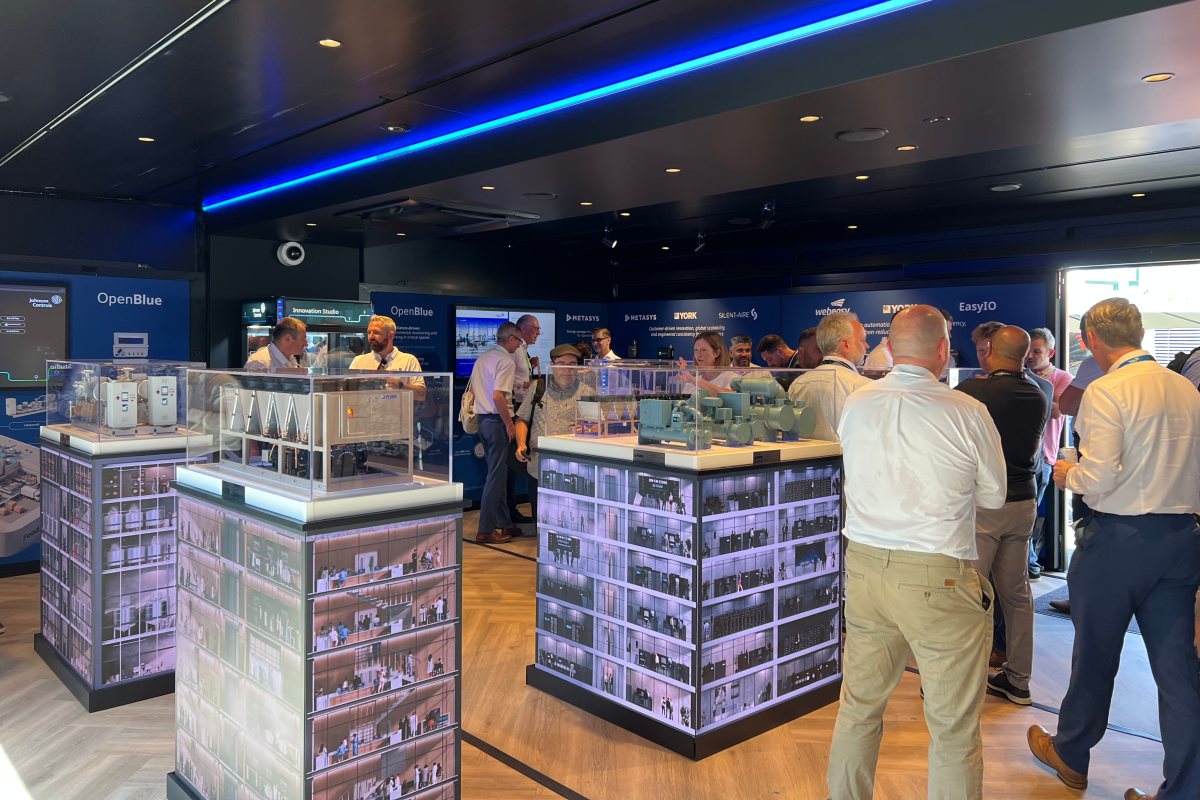
Johnson Controls, a global provider of smart building technologies, brought its travelling Innovation Studio to London between 23 and 26 June, one stop on a 44-city tour taking the company's building technologies portfolio directly to customers, partners, and media across Europe. DCNN was invited along to step inside the mobile showcase and sit down with John Foley, General Manager, North West Europe at Johnson Controls, whose day job involves leading the company's HVAC team, but whose knowledge stretches across every industry the business serves. The Innovation Studio itself is the physical expression of an idea Johnson Controls has been mulling for some time: how do you take the collective expertise scattered across the business's European operations and put it in front of every market at once? John told us, "All of this information, intellectual property, and, more importantly, the experts that come with it are so diffused all around Europe." The tour, he explains, grew out of conversations between the company's EMEA marketing leadership about how to concentrate that firepower and take it on the road. It is, by his own admission, a fairly bold departure for a company of Johnson Controls' size, but the early results have surprised even the team behind it. "The engagement with our customers so far has been unbelievable," he continued, adding that appetite has varied (sometimes counterintuitively) from city to city, but has been strong across the board. Three pillars, one thermal chain To understand why a HVAC and controls business is investing so heavily in this kind of outreach now, John points to a set of strategic priorities set out by Johnson Controls' chief executive in November 2025: decarbonising the existing built environment, winning in critical environments such as pharmaceutical and biologics production, and enabling what he calls "the future AI economy". It is that third pillar that explains the data centre focus of the London leg. Johnson Controls has served data centres in one form or another for decades, spanning fire and security, heating and cooling, and building automation. What has changed, John says, is the scale of capital and engineering attention now being directed at the sector as a result of AI-driven growth. The company's pitch to the market has also shifted. "Our right to win in a data centre, it's not just about cooling; it's actually about our ability to own and also command the entire thermal management chain," he suggested. That means everything from extracting heat at the chip via liquid cooling plates, through rejection and plant-level cooling, all orchestrated through building automation systems. Heat that does not go to waste One strand of the conversation that stood out was waste heat reuse, an area in which John argues Johnson Controls' combined HVACR capability (he is careful to stress the "R" for refrigeration) gives it an edge over cooling specialists. The company's heat pumps, manufactured at its Sabroe facility in Aarhus, Denmark, are already being used across parts of Europe to funnel heat recovered from data centres into district heating networks serving tens of thousands of homes, a practice some Scandinavian countries now effectively mandate for new data centre developments. John, who lived in Norway for four years, is candid that the UK lags behind on this front. "It's quite frustrating… it's embarrassing," he remarked, though adding that he also sees plenty of opportunity ahead as the conversation matures. What was on show That thermal chain philosophy was reflected in the technology on display inside the studio. On the digital side, OpenBlue, Johnson Controls' AI-powered smart building platform, was positioned as the connective layer tying data, insight, and outcomes together across a building's systems, built on the Metasys building automation and controls backbone, alongside the EasyIO Neo controller range and the Webeasy front end. On the mechanical side, the YORK YVAM air-cooled magnetic bearing chiller was a centrepiece, aimed squarely at hyperscale and colocation cooling loads and built to run efficiently across a wide ambient range without relying on free-cooling coils, alongside the YCPB heat pump range for lower-carbon heating and cooling. Representing the industrial refrigeration side of the business, the Sabroe DualPAC combines the company's ChillPAC and HeatPAC units into a single modular heat pump, aimed at applications needing both cooling and high-temperature heat output efficiently. Bringing it to the UK Wrapping up, John returned to the purpose of the tour itself: getting Johnson Controls' engineers and technology in front of customers who might otherwise only encounter the brand through a single product line. Given the scale of change facing UK data centre operators, from AI-driven density increases to mounting pressure on energy and water use, it is a conversation that feels timely, and one that DCNN expects to keep returning to as the Innovation Studio continues its European run. For more from Johnson Controls, click here.

Ingeteam supplies BESS for Dublin data centre microgrid
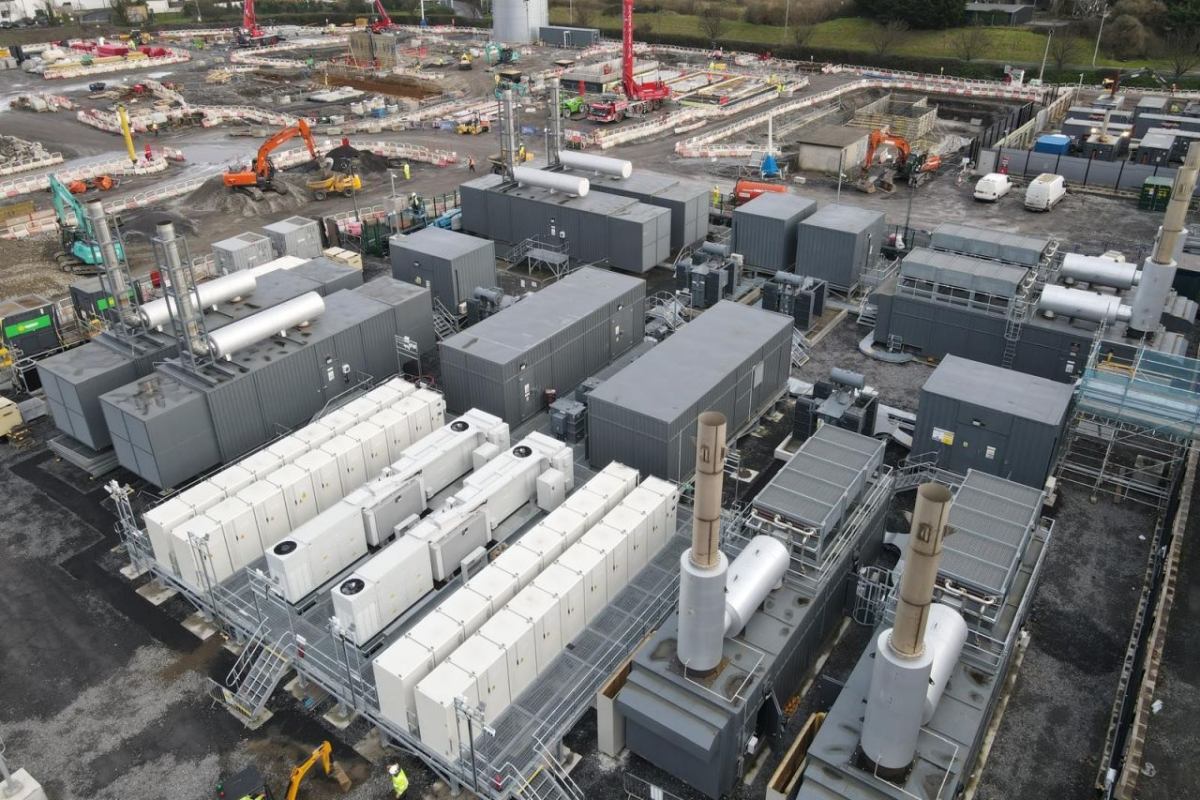
Ingeteam, a Spanish manufacturer of power electronics, has supplied the battery energy storage system (BESS) for a microgrid at Pure Data Centres Group (Pure DC)'s Dublin campus, supporting what is described as Europe's first microgrid designed to power a data centre. The project forms part of the Orion Phase 1 development and includes a 10MW/20MWh BESS, alongside a power plant controller (PPC) and SCADA system. The battery system has been commissioned and integrated with the site's power stations and energy management system. The installation is Ingeteam's third energy storage project in Ireland since the company entered the market in 2020. During construction, the campus had been supported by a temporary 10MW energy centre. The project also incorporates Ingeteam's liquid-cooled INGECON SUN STORAGE C Series technology, creating a 10MVA grid-forming system without power derating. The permanent microgrid will combine three energy centres with on-site battery storage, increasing the campus's total installed capacity to 110MW. A microgrid designed to support future growth The system has been designed to operate independently of the national electricity grid while retaining the ability to connect once additional grid capacity becomes available. Located at the Pure DC campus in Dublin, the on-site energy infrastructure provides dispatchable capacity during the site's initial development phase. It is expected to eventually transition to a hybrid configuration that combines grid electricity with on-site energy generation and storage. As grid capacity becomes an increasing constraint on digital infrastructure projects, particularly those supporting AI and high-performance computing (HPC) workloads, microgrids are expected to play a growing role in enabling new data centre developments across Europe.

Fourth generation of the R&Mfreenet system released
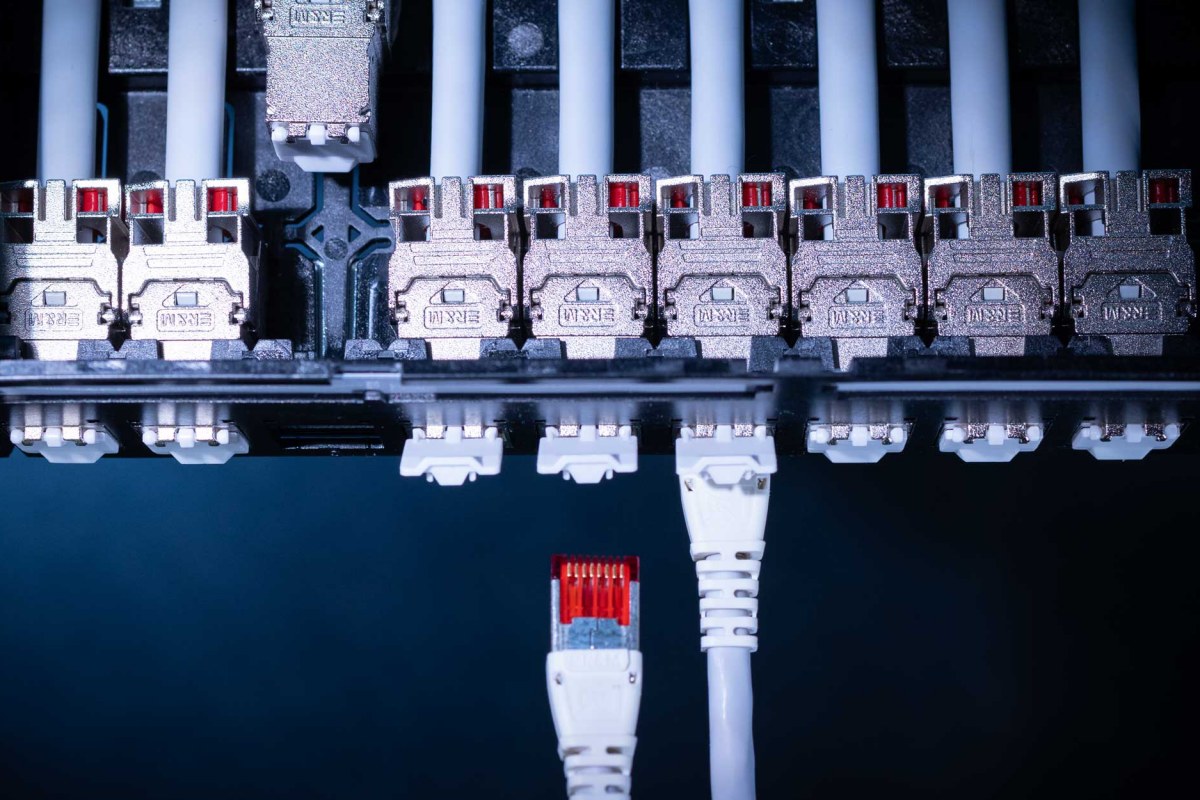
Reichle & De-Massari (R&M), a Swiss manufacturer of cabling and connectivity infrastructure for data centres and networks, is introducing the fourth generation of its standard cabling system, R&Mfreenet. "With R&Mfreenet 4.0, we are beginning a new chapter in network technology," says Matthias Gerber, R&M Market Manager LAN Cabling. "R&Mfreenet 4.0 is more than a portfolio for structured cabling with connectivity, cables, distributors, and outlets; it sets new standards because it considerably simplifies and perfects the planning, installation, and operation of data networks." With the cabling system, R&M is offering a comprehensive modular system for the physical level of local data networks (LAN). The focus is on the renewed and harmonised range of RJ45 connection modules, and R&M is reducing the number of variants of the EL4.0 module generation to two per category. Small parts such as adaptors are no longer required or are now integrated into the module - such as tension relief, colour code, and protective flap. The self-explanatory "Easy Lock" assembly process has also been compressed into a single work step. The R&Mfreenet 4.0 system includes installation and patch cords that "meet the highest-quality requirements". R&M also says it is the only manufacturer to connect the copper wires of the patch cords with corrosion-resistant, strain- and vibration-proofed IDC technology. The plug contacts are coated with a layer of gold (of a specified thickness) "to ensure loss-free signal transmission under all conditions". The installation cables must pass the R&M endurance test before they are approved for use. R&M maintains its own supply chain and ensures that the installation cables are available worldwide at all times. R&M also offers the modular rack family, Freenet, as housing for distributors and equipment. Customers can freely configure the Freenet racks to suit their project. Infrastructure solutions for every commercial use With R&Mfreenet 4.0, customers can set up structured cabling as well as a complete passive infrastructure for modern ethernet/IP networks. The cabling system is suitable for a variety of commercial applications and environments. These include IT, offices and data centres, trade and industry, and WiFi and IP-aided building automation. With the Cat. 8.1 ISO products, networks can be installed that enable high-speed data traffic of up to 40 Gigabit/s. R&Mfreenet 4.0 contains fibre optic solutions for backbones, digital ceilings, Fibre to the Office, and extended and hybrid networks. The cabling system supports Power over Ethernet (PoE) "up to the highest performance level" for the remote power supply of terminal devices and equipment. R&M uses the PowerSafe seal to label specifically tested PoE-stable products. Customers receive lifetime application warranties on R&Mfreenet 4.0 installations. To this end, the network must be installed and tested by qualified specialists in accordance with R&M specifications. Matthias sums it up, stating, "We are proud to be introducing the fourth-generation R&Mfreenet system, which is equipped to meet the challenges of the digital era. "This strategic renewal reduces complexity and the risk of errors. R&Mfreenet 4.0 incorporates continuous innovation and in-depth knowledge of technologies, markets, and customer requirements. "Improved interaction of the components simplifies planning, ordering, storage, work preparation, and installation. We are making design, functions, installation, security, and logistics more user-friendly, coherent, and sustainable, without compromising on quality, technology, and cost-effectiveness." For more from R&M, click here.

Lenovo to supply HPC for research at Southampton Uni
Lenovo, a Chinese multinational technology company making servers and AI infrastructure systems, has signed a four-year agreement with the University of Southampton in the UK to supply high-performance computing (HPC) infrastructure, supporting the university's research programmes. Through and in addition to this, the company says it also plans to return to the 'Top500' ranking of the world's most powerful supercomputers. Under the agreement, Lenovo will become the university's preferred supplier of HPC infrastructure following a competitive tender process. The partnership builds on a relationship between the two organisations spanning more than a decade. The first order, valued at approximately £7 million, is scheduled for delivery during summer 2026. New systems to support AI and scientific research The initial deployment will include Lenovo ThinkSystem SR675 V3 servers equipped with NVIDIA H200 GPUs and NVLink technology, designed for artificial intelligence, simulation, and other compute-intensive workloads. A second phase is expected to introduce a cluster based on NVIDIA Grace Blackwell architecture using Lenovo ThinkSystem SC777 V4 Neptune servers, further increasing the university's computing capacity. According to Lenovo, the systems will support research across a range of scientific disciplines and help expand the university's computational capabilities. Andy Rhodes, Managing Director of Lenovo UK & Ireland, says, "As research demands continue to grow in scale and complexity, access to powerful, scalable computing is critical. "Lenovo's latest HPC solutions, including next-generation GPU-accelerated systems, will enable the University of Southampton to tackle data-intensive workloads and accelerate breakthrough research. We are proud to support their ambition to further elevate their global research standing." Partnership extends beyond infrastructure Alongside the deployment of HPC systems, the agreement includes opportunities for collaboration on end-user computing, researcher engagement, and the adoption of new technologies across the university. Professor Mark Spearing, Vice President Research and Enterprise at the University of Southampton, comments, "This partnership represents a major step forward in strengthening our research infrastructure. "These new HPC capabilities will play a vital role in enabling cutting-edge research and innovation, helping to raise the global profile of Southampton's research community and compete at the highest international level." The organisations also expect to work together on activities linked to the British Science Festival, which will be hosted by the University of Southampton in September 2026. For more from Lenovo, click here.

Supermicro reveals Arm-based AI infrastructure
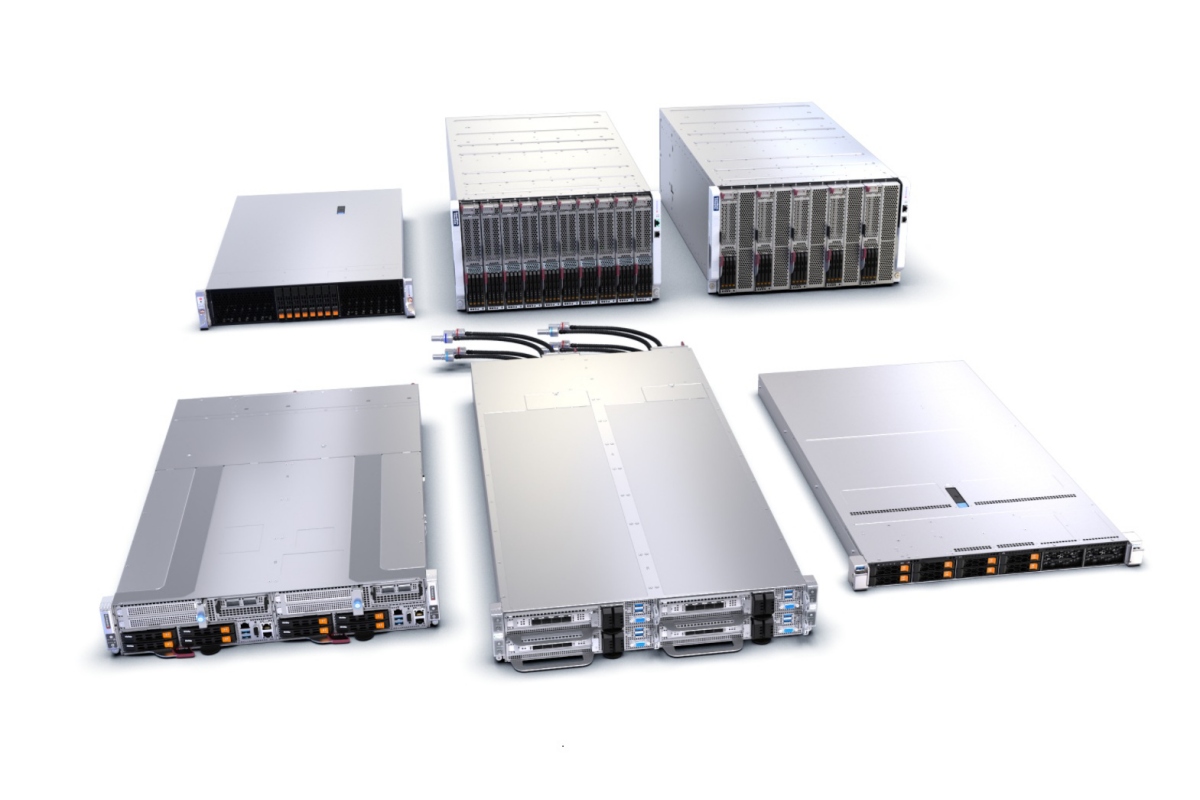
Supermicro, a provider of application-optimised IT systems, has announced a new portfolio of rack-scale infrastructure platforms based on Arm AGI CPUs, targeting enterprise AI and agentic AI workloads. The company says the systems have been designed to address increasing demand for compute capacity while improving energy efficiency and rack density within existing data centre environments. The new platforms combine Arm's Neoverse CSS V3-based CPU architecture with Supermicro's Data Center Building Block Solutions (DCBBS) approach, which integrates servers, storage, networking, cooling, and rack infrastructure. Charles Liang, President and CEO of Supermicro, says, "Supermicro continues to lead the industry when it comes to deploying new and innovative rack-scale solutions that maximise performance and efficiency. "Our DCBBS technology stack delivers end-to-end data centre solutions of any size, which, combined with the new density and efficient, performance-optimised Arm AGI CPU microarchitecture, helps enterprises realise significant TCO savings on their agentic AI infrastructure investments." The launch includes air-cooled and liquid-cooled server platforms designed for AI inference, AI training, cloud computing, and high-density enterprise workloads. Among the systems announced are a dual-socket 2U server for compute-intensive applications, a 5U GPU server supporting up to eight double-width GPUs, a liquid-cooled multi-node platform for rack-scale deployments, and a single-socket edge-focused server design. Focus on rack density and energy efficiency According to Supermicro and Arm, the infrastructure has been developed to maximise performance per watt and increase compute density for AI environments. Arm says its AGI CPU architecture features up to 136 cores per processor and is designed to support large-scale AI orchestration workloads through increased memory bandwidth, expanded memory capacity, and scalable I/O capabilities. The companies state that deployments can exceed 6,000 CPU cores within a single air-cooled rack, while larger Open Compute Project-based configurations can support significantly higher densities. Mohamed Awad, Executive Vice President, Cloud AI Business Unit at Arm, says, "Agentic AI is driving a fundamental shift in infrastructure requirements, where efficiency, scalability, and orchestration performance are becoming just as critical as raw compute. "By combining Arm AGI CPUs with Supermicro's rack-scale system expertise, we're enabling infrastructure designed to deliver higher AI throughput, maximum compute density, and improved data centre economics at scale." Supermicro says the platforms are intended to help organisations deploy AI infrastructure while making more efficient use of available data centre space, power, and cooling resources. The announcement expands Supermicro's portfolio of AI-focused infrastructure as demand continues to grow for high-density computing environments capable of supporting increasingly complex AI workloads. For more from Supermicro, click here.

Vertiv unveils high-capacity rack platform
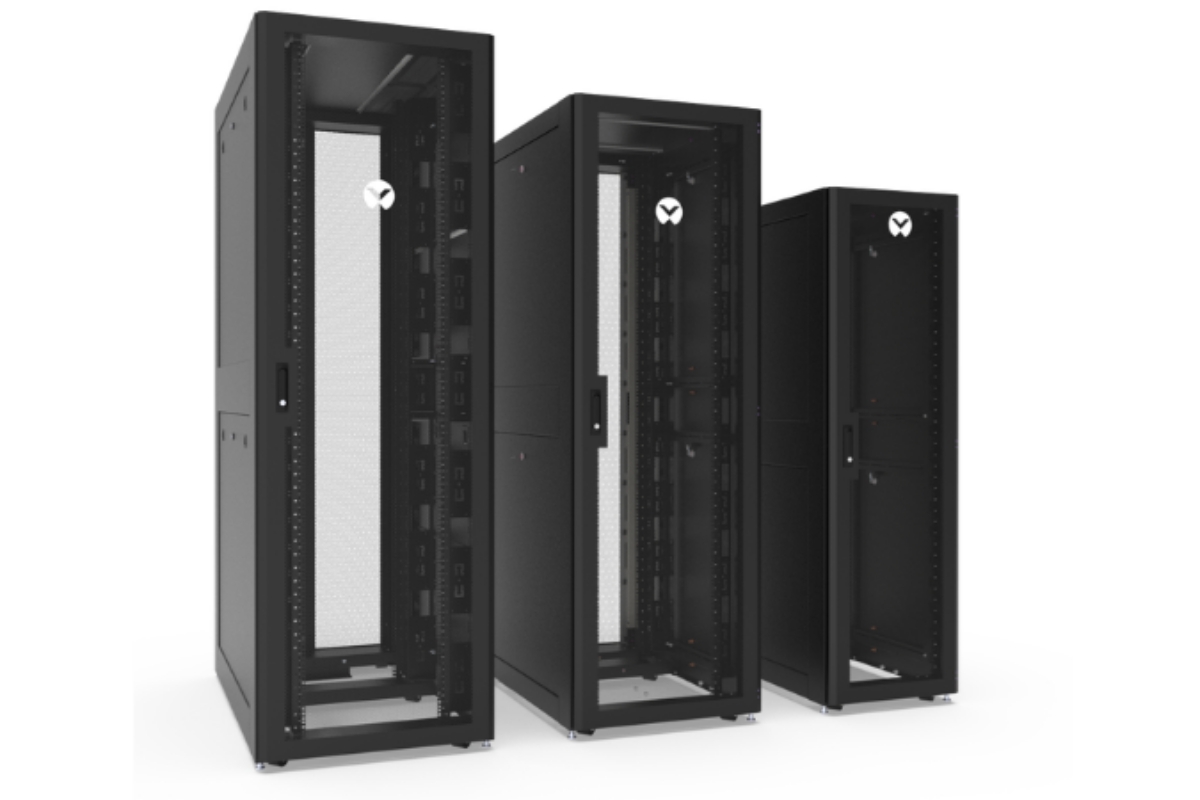
Vertiv, a global provider of critical digital infrastructure, has introduced the Rack Extreme, a rack platform designed to support high-density computing, AI workloads, and next-generation IT deployments. The new rack has been developed to accommodate increasingly large and heavy computing equipment while supporting airflow management, cable organisation, and deployment flexibility within data centre environments. According to Vertiv, the platform is intended to address growing infrastructure requirements driven by higher compute densities and the adoption of AI applications. Giuseppe Leto, Senior Director, IT Systems at Vertiv, says, "The Vertiv Rack Extreme reflects our expanded capabilities in rack and enclosure designs for high-density and AI-driven deployments. "The platform also draws on Vertiv’s long-standing rack engineering expertise, including solutions historically developed under the Knürr brand, to support scalable next-generation IT infrastructure." The Rack Extreme is available in multiple sizes and configurations, allowing operators to tailor deployments to specific application requirements. The units are shipped fully assembled and are designed to integrate with a range of compatible cable management and airflow optimisation accessories. Designed for high-density deployments Vertiv says the Rack Extreme offers both static and dynamic load ratings of up to 2,045kg, enabling it to support high-density equipment installations while maintaining the same load capacity when being moved or when stationary. The company states that this provides greater flexibility during deployment and infrastructure changes, particularly in environments where heavy equipment must be repositioned after installation. The rack features a welded frame construction, integrated cable management options, high open-area mesh doors, flexible mounting rails, vertical cable bars, and corner mounting bars for rack power distribution units. Vertiv has also incorporated shipping features designed to simplify installation, including shock-absorbing pallets and reusable ramps intended to reduce the risk of equipment damage during transportation and deployment. The Rack Extreme has been designed to integrate with Vertiv's wider portfolio of data centre infrastructure products, including uninterruptible power supplies (UPS), rack PDUs, rear-door heat exchanger systems, coolant distribution units, and KVM management platforms. For more from Vertiv, click here.

Arista launches 1.6T networking platforms for AI fabrics
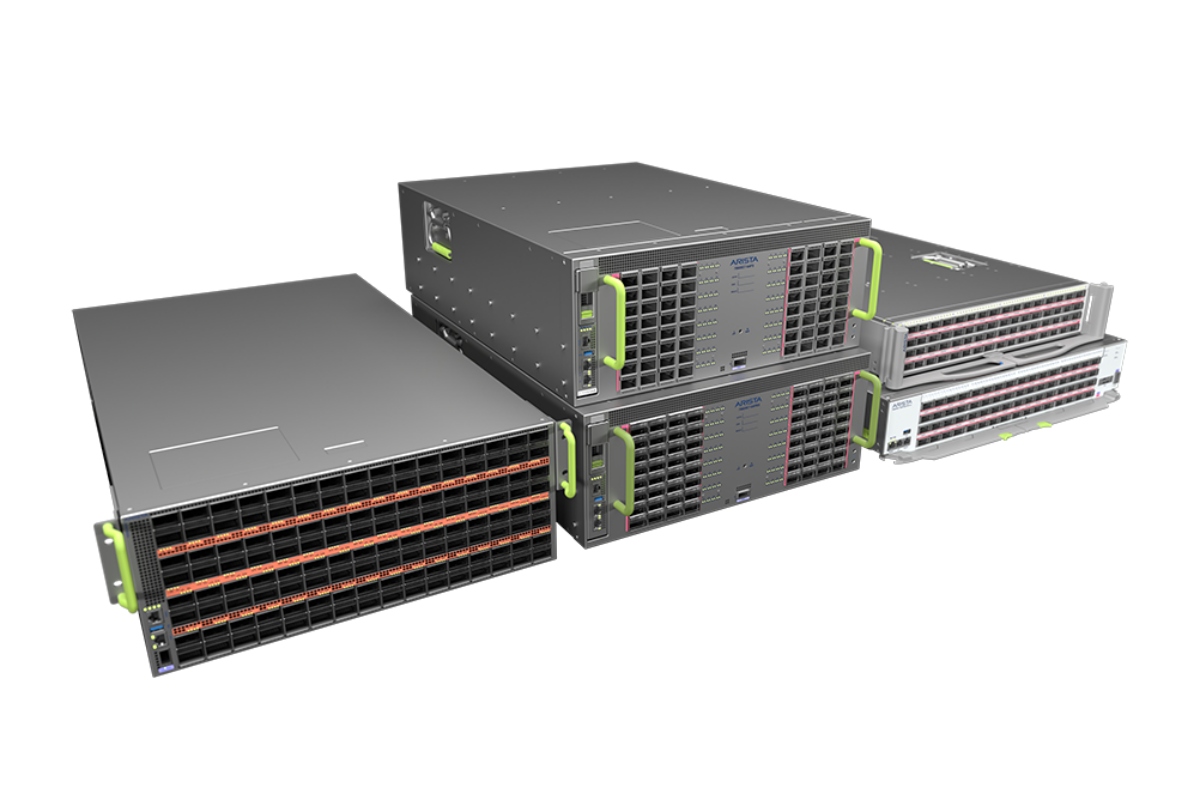
Arista Networks, a provider of cloud and AI networking systems, has introduced the 7060XE7 Series, a new portfolio of 1.6T networking platforms designed for rack-scale AI infrastructure. The launch reflects growing demand for networking architectures capable of supporting increasingly large AI deployments, as training and inference environments scale from thousands to hundreds of thousands of accelerators. According to Arista, the new platforms are designed to support both scale-up and scale-out AI fabrics across air-cooled, liquid-cooled, and hybrid environments. The company says the 7060XE7 Series is intended to address the density, power, and thermal requirements associated with large AI clusters, whilst also enabling greater compute density within a given power envelope. Tyson Lamoreaux, Senior Vice President, Cloud and AI Networking at Arista Networks, comments, "The AI era requires a shift in how we think about the network. It is no longer a standalone layer of infrastructure, but a tightly integrated component of the AI supersystem. "With the 7060XE7 Series, we are delivering massive-scale 1.6T systems that combine world-class reliability and the differentiation of EOS with liquid cooling and low-power optics to help our customers build AI fabrics designed for maximum performance and power efficiency." Designed for large-scale AI deployments The 7060XE7 Series includes fixed-switch platforms and configurable rack-scale systems designed to support a range of AI workloads and infrastructure requirements. According to Arista, the systems provide low-latency connectivity and intelligent packet buffering to manage the traffic patterns associated with AI training and inference workloads. The platforms also support a range of EOS features aimed at improving resilience, congestion management, and operational visibility within AI environments. The portfolio comprises three main configurations: • 7060XE7-64PS and 7060XE7-64PRS rack switches, offering 64 1.6T ports in an air-cooled 4RU design• 7060XE7-64PRS-RV3-L, a liquid-cooled 2OU platform designed for high-density AI clusters• 7060XE7-128PE, providing 128 800G ports in an air-cooled 4RU form factor The systems use 224G and 100G SerDes technologies, depending on configuration, and support Linear Pluggable Optics (LPO), which Arista says can reduce interconnect power consumption by around 60%. Industry support for 1.6T ethernet Several major cloud providers have provided statements supporting the development of higher-capacity ethernet infrastructure for AI environments. Gaya Nagarajan, Vice President of Infrastructure at Meta, says, "Arista’s 1.6T platforms and liquid-cooled designs align with our focus on open, scalable AI fabrics that meet the requirements of next-generation training and inference." Rani Borkar, President, Azure Hardware Systems and Infrastructure at Microsoft, notes, "Our collaboration with Arista on the 1.6T ethernet interface helps enable the next generation of AI clusters with greater interconnect capacity for Azure Maia, Microsoft's AI accelerator, and Fairwater, Microsoft's extreme-scale AI data centres, while preserving operational simplicity across our infrastructure." Mahesh Thiagarajan, Executive Vice President, Oracle Cloud Infrastructure, adds, "Arista Networks’ 1.6T platforms provide the throughput, determinism, and stability needed for our RDMA-based AI fabrics, while Arista EOS delivers operational consistency and performance at scale across our global AI infrastructure." The 7060XE7 Series is also supported through collaborations with AMD and Broadcom, with the platforms utilising Broadcom's Tomahawk 6 ethernet switching silicon. Arista expects the first systems in the portfolio to become available during Q4 2026, with additional models scheduled for release during Q1 2027. For more from Arista, click here.


Translate »