Data Centre Projects: Infrastructure Builds, Innovations & Updates
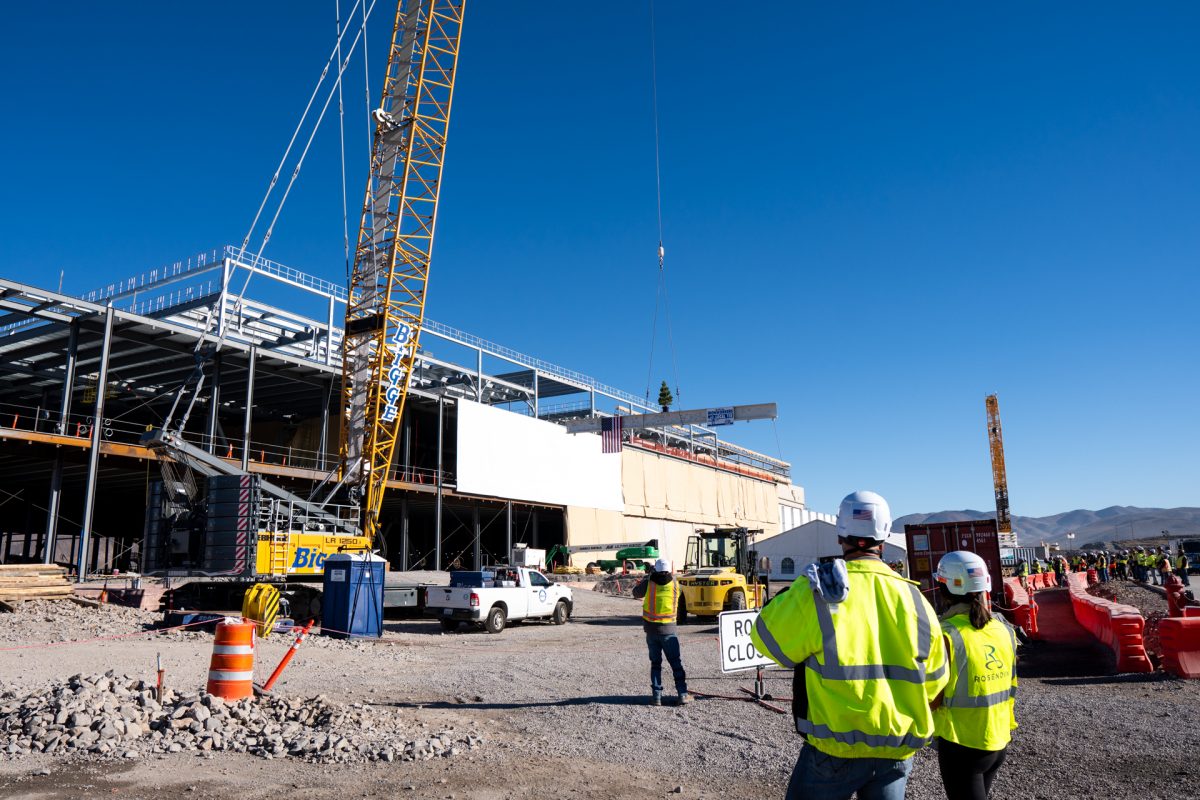

McCarthy tops out NV12 project at Vantage’s campus
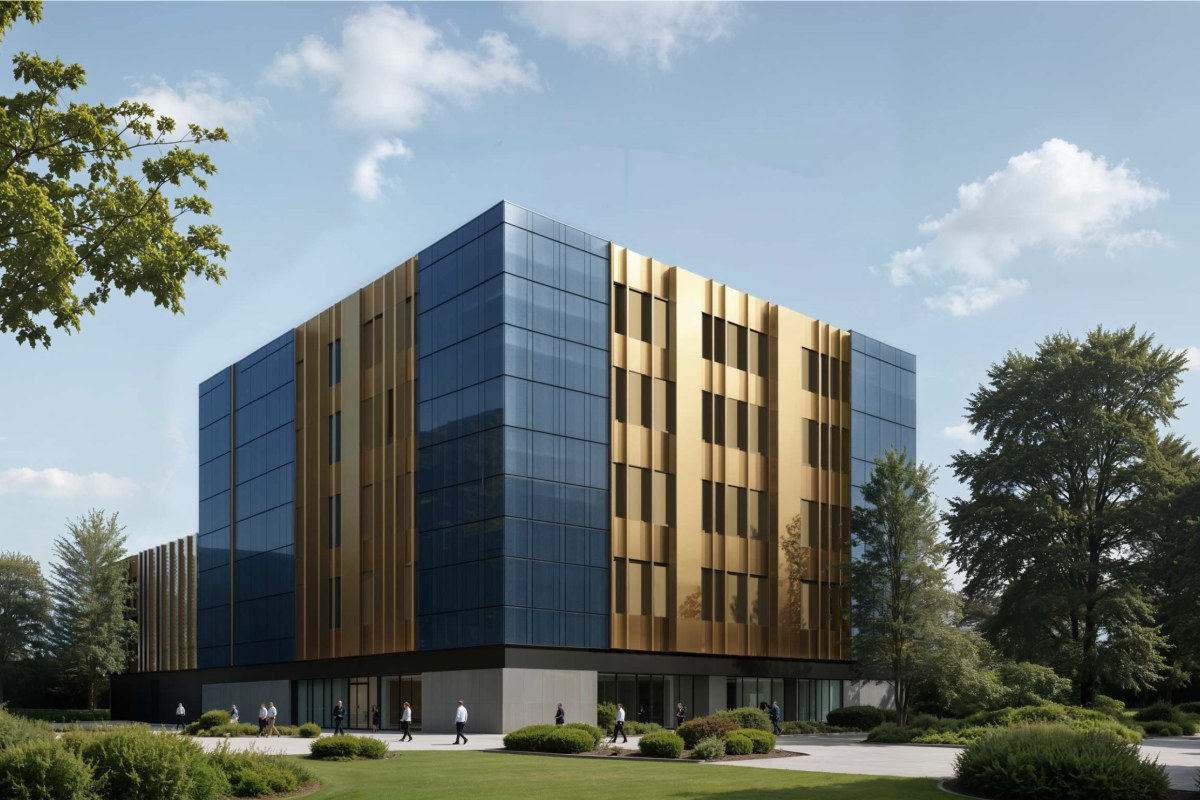
General contractor McCarthy Building Companies recently completed the topping out milestone for hyperscale data centre provider Vantage Data Centers’ second of four planned data centres on its NV1 Campus, located outside of Reno in Storey County, Nevada, USA. With representatives from Storey County and Vantage leadership in attendance, the project marked major progress on the NV12 facility, the second 64-megawatt (MW) data centre on the campus. Phase I of the campus provides hyperscalers and large cloud providers with 128 MW of combined critical IT capacity across its NV11 and NV12 facilities. The campus has reportedly created more than 1,200 local construction jobs and generated local economic impact. McCarthy notes that, just recently, the campus reached more than 1.1 million labour hours on site since breaking ground in May 2024, with zero lost-time incidents through what it describes as a "campus-wide commitment to safe construction practices and innovative methods." Austin Osborne, Storey County Manager, explains, “Vantage Data Centers, our developer partners; McCarthy Building Companies, the general contractor on site; and the Storey County team - from Community Development and Planning to Business Development and the Fire Protection District - have worked closely to move this project forward. "It’s a strong example of effective collaboration, and we’re grateful for the long-term opportunities this project will continue to bring to our community.” The 260,000ft² (24,155m²), two-storey NV12 facility utilises liquid-to-liquid cooling, similar to NV11, that operates on a closed loop chilled water system to properly cool the systems while requiring only an initial fill. This more sustainable design is common across Vantage’s data centres, with the company noting it represents its "commitment to sustainable operations and long-term reliability." Continued construction during ongoing operation Jared Carlson, Senior Vice President at McCarthy Building Companies, comments, “This project has demonstrated an incredible commitment to sustainability, safe construction, and operations, and has created a strong sense of community within Storey County. "Vantage and our design-build partners have been instrumental in creating a campus that will provide significant economic impact to the region and will continue to sustain technological growth in the years to come.” Following turnover of NV11, NV12 will begin to turn over phased portions of the facility beginning in December 2027, allowing customers to begin operations prior to final completion in early 2029. As construction progress continues, McCarthy will be piloting the use of an HP Robot to map out the layout of NV12’s walls, blockouts, and backing. Following the robot’s success on some of McCarthy's healthcare projects, the team will use the robot to layout all elements on the concrete slab, based on the existing Building Information Model (BIM) layout. This method allows for greater efficiency and precision as the facility’s core components have already been digitally modelled to the site’s conditions.Both NV11 and NV12 are being constructed by McCarthy in a design-build effort with Corgan, serving as the campus architect. Key design-build trade partners include: Amfabsteel, Chavez-Grieves, Rosendin Electric, Apollo Mechanical Contractors, Salas O’Brien, Integrated Fire and Security Solutions, Cosco Fire Protection, and Wood Rogers. For more from Vantage, click here.

Multi-million pound Heathrow data centre upgrade completed
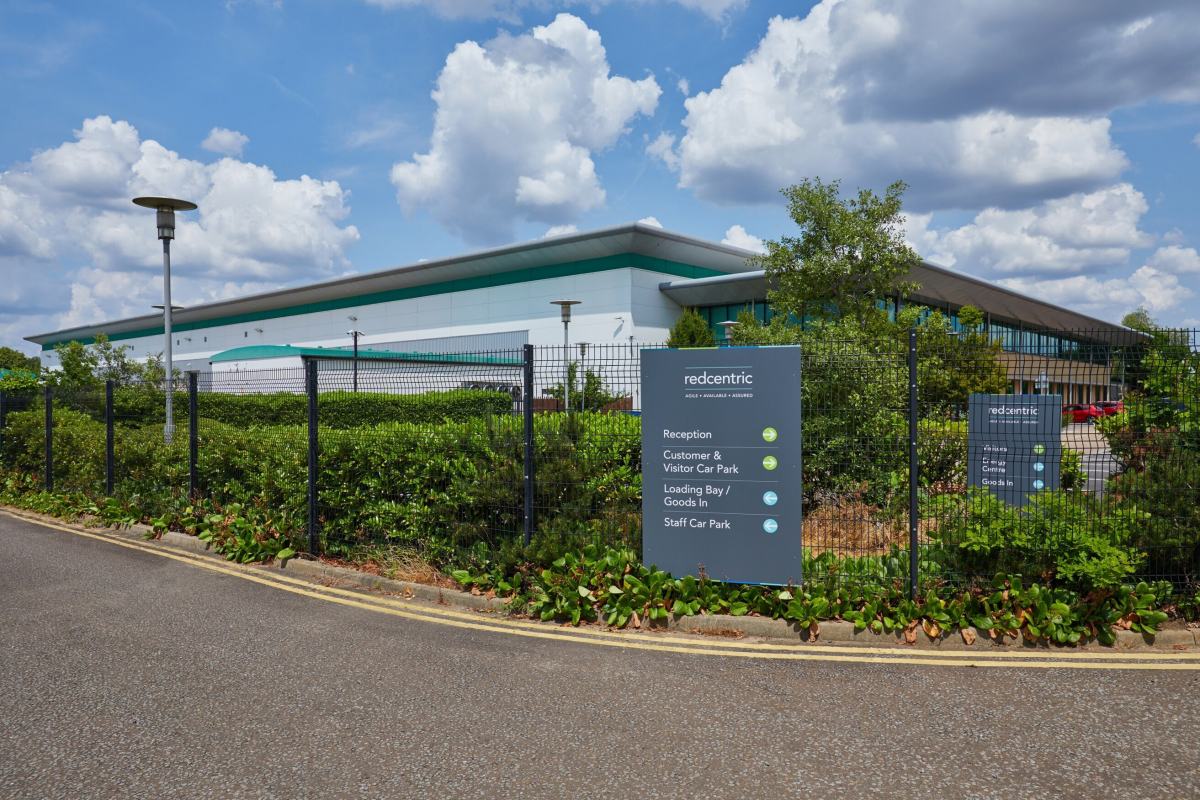
Managed IT provider Redcentric has completed a multi-million pound electrical infrastructure upgrade at its Heathrow Corporate Park data centre in London. The project was partly funded through the Industrial Energy Transformation Fund, which supports high-energy organisations adopting lower-carbon technologies. The programme included replacement of legacy uninterruptible power supplies (UPS). As part of the upgrade, Centiel supplied StratusPower modular UPS equipment to protect an existing 7 MW critical load. Redcentric states the system design allows the facility to increase capacity to 10.5 MW without additional infrastructure work. The site reports a rise in UPS operating efficiency from below 90% to more than 97%, which could reduce future emissions over the expected lifecycle of the equipment. Modular UPS deployment and installation Paul Hone, Data Centre Facilities Director at Redcentric, comments, “Our London West colocation data centre is a strategically located facility that offers cost effective ISO-certified racks, cages, private suites, and complete data halls, as well as significant on-site office space. The data centre is powered by 100% renewable energy, sourced solely from solar, wind, and hydro. “In 2023 we embarked on the start of a full upgrade across the facility which included the electrical infrastructure and live replacement of legacy UPS before they reached end of life. This part of the project has now been completed with zero downtime or disruption. “In addition, for 2026, we are also planning a further deployment of 12 MW of power protection from two refurbished data halls being configured to support AI workloads of the future.” Aaron Oddy, Sales Manager at Centiel, adds, “A critical component of the project was the strategic removal of 22 MW of inefficient, legacy UPS systems. By replacing outdated technology with the latest innovation, we have dramatically improved efficiency delivering immediate and substantial cost savings. “StratusPower offers an exceptional 97.6% efficiency, dramatically increasing power utilisation and reducing the data centre's overall carbon footprint - a key driver for Redcentric. “The legacy equipment was replaced by Centiel’s StratusPower UPS system, featuring 14x500kW Modular UPS Systems. This delivered a significant reduction in physical size, while delivering greater resilience as a direct result of StratusPower’s award-winning, unique architecture. Durata carried out the installation work. Paul Hone concludes, “Environmental considerations were a key driver for us. StratusPower is a truly modular solution, ensuring efficient running and maintenance of systems. Reducing the requirement for major midlife service component replacements further adds to its green credentials. “With no commissioning issues [and] zero reliability challenges or problems with the product, we are already talking to the Centiel team about how they can potentially support us with power protection at our other sites.” For more from Centiel, click here.

SITE delivers modular DC on remote Atlantic island
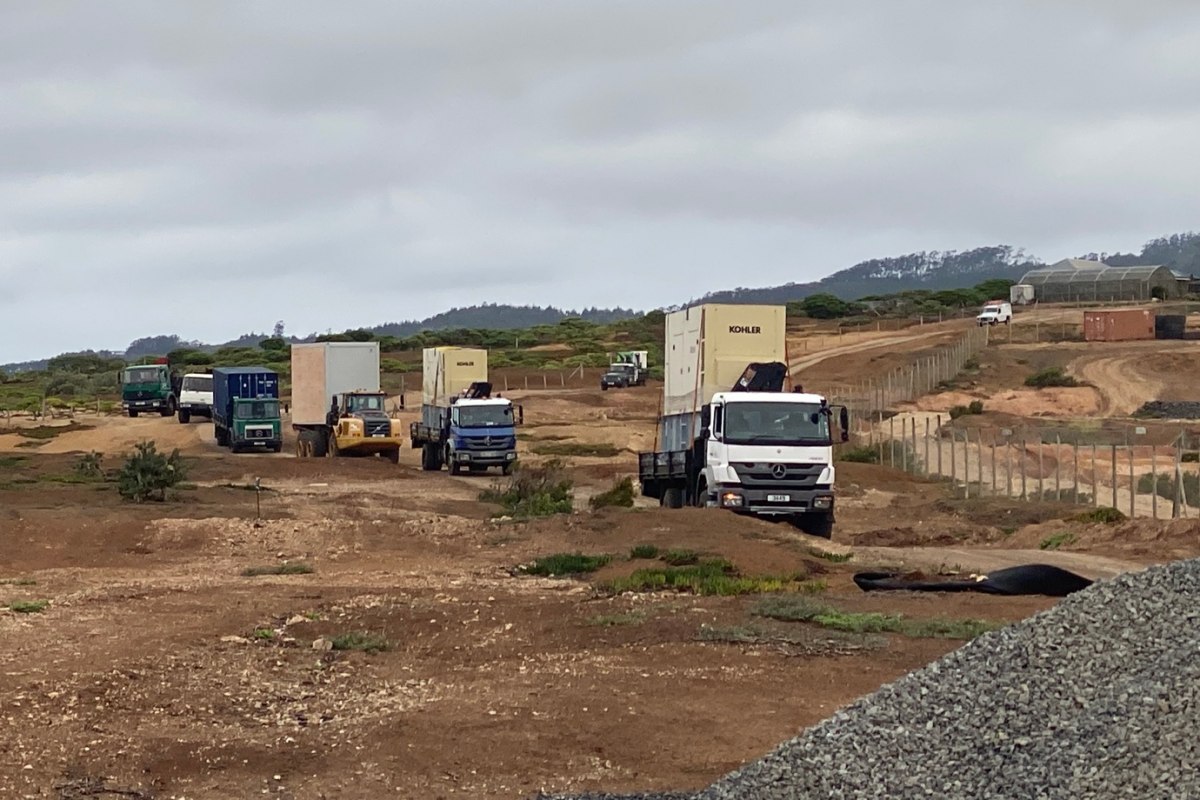
Secure I.T. Environments (SITE), a UK design and build company for modular, containerised, and micro data centres, has announced the completion of a complex, modular, containerised data centre for a global telecommunications provider on a remote South Atlantic island. The facility will support mission-critical ground operations connecting customers to next-generation satellite and subsea backbone services. Located 1,800km west of mainland Africa, the remote island offers an effective operating profile for satellite connectivity, but presented formidable barriers including rugged volcanic terrain with no pre-existing access road, minimal local infrastructure, limited sea freight windows, and a single weekly flight subject to weather. The brief demanded a resilient, high-capacity facility capable of continuous operation in a corrosive coastal climate, delivered with meticulous risk management and zero compromise on safety or performance. Overcoming challenging logistics One of the defining aspects of this project was the logistical coordination required not just across continents, but in partnership with the local community. The island’s small population meant that everyone from hotel owners to logistics workers became part of the project in some way. The project created local employment opportunities and, the company says, fostered a sense of community pride in supporting a high-tech project. Given the island's limited flight availability (one flight per week, weather permitting), all deliveries, personnel scheduling, and construction phases had to be meticulously timed. The team also had to navigate unpredictable weather, which could delay flights and shipping schedules. A spokesperson for the client outlines, “This was such a crucial project for us. We did a huge amount of work ensuring we picked an experienced data centre builder that could cope with the challenges. "SITE supported us throughout the design phase, adapted to meet our needs, and created a very detailed plan for delivery and installation, focused on minimising risks. We are very pleased with the outcome.” SITE’s bespoke solution Initial design discussions to final commissioning took 12 months and was completed on time. SITE designed, manufactured, pre-built, and factory-tested a multi-container modular facility - comprising a main data room, a separate UPS/switch room, and lobby space - engineered specifically for the island’s conditions, including specially adapted air conditioning condensers, protective coatings, and materials to withstand high salinity levels and ocean spray. The architecture integrates high-density IT racks with cold-aisle containment, N+1 energy-efficient cooling, modular N+1 UPS, custom switchgear, fire detection and suppression, security systems (CCTV, access control, intruder alarms), fibre raceways, and full electrical infrastructure. All modules underwent integrated systems testing (IST) in the UK to ensure seamless on-site assembly and performance alignment once deployed. Chris Wellfair, Projects Director at SITE, comments, “This was an extraordinary project in every sense: remote location, complex logistics, and high client expectations. "Our modular approach and close collaboration with clients ensured a smooth delivery despite the odds. It’s a project we’re incredibly proud of.” For more from SITE, click here.

Integral triples capacity at Equinix SG1
Integral, a currency technology provider to the financial markets, has tripled the size of its presence at the Equinix SG1 data centre in Singapore to accommodate reported soaring regional demand. The company is also leveraging digital infrastructure company Equinix’s software-defined interconnection, Equinix Fabric, to establish private and direct connections to cloud services providers, as well as key partners and customers. This expansion comes amid increased transaction volumes and system load, with Integral now processing over one million tickets daily at Equinix SG1. Equinix operates a global network of over 270 International Business Exchange (IBX) facilities, providing infrastructure for advanced connectivity and colocation. Connecting clients in Asia-Pacific Integral’s SG1 data facility is employed to service clients not only based in Singapore, but across the Asia-Pacific. The news is directly correlated with the company’s growth in the region, with numerous client partnerships established in the past year. To service this expanding client base, Integral says it is committed to ongoing investment in infrastructure which "supports scalability, reliability, and optimal efficiency." Data is a crucial element of this dynamic and underpins the decision to triple infrastructure footprint at the SG1 data facility. The expansion aims to enable Integral to manage the increase in transaction volumes without a decline in speed or performance. Alongside Singapore (SG1), Integral also operates infrastructure within Equinix data centers in New York (NY4), Tokyo (TY4), and London (LD3). Yee May Leong, Managing Director, Singapore at Equinix, comments, "We are thrilled to support Integral in their significant expansion in SG1. This growth not only reflects Integral's commitment to meeting the soaring demand in the financial markets, but also underscores the trust they place in Equinix as a strategic partner. "Our robust finance ecosystem, combined with our global footprint and seamless access to leading cloud service providers, empowers Integral to deliver unparalleled performance and reliability to their clients across the Asia-Pacific region. "We look forward to continuing our collaboration and enabling Integral to thrive in this dynamic landscape." Harpal Sandhu, CEO of Integral, adds, “For over three decades, Integral has remained resolute in its support of the growing institutional and retail trading landscape across APAC, increasing our established customer base and strengthening the local liquidity ecosystem. "Singapore has been a key market for accelerating our regional presence, and the expansion of our SG1 data facility represents our commitment to ensuring our clients have access to the most sophisticated and agile cloud-based infrastructure possible.”

NorthC to build new data centre in Geneva
NorthC Group, a data centre operator in Northwest Europe, will begin construction of a new data centre in Geneva, Switzerland in Q1 of this year. The new facility will be built at The Hive campus, a technology park just outside Geneva. This will be NorthC’s sixth data centre in Switzerland, in addition to its existing data centres in Biel (Bern), Winterthur (Zurich) and Münchenstein (Basel), as well as the recently announced and yet-to-be-built data centre on the uptownBasel campus in Arlesheim (Basel). The total IT capacity will be 4.5 MW, delivered in phases of 1.5 MW, and the data centre will have a total floor area of 5,400 m², with construction expected to be completed by Q2 2028. NorthC says it will prioritise sustainability in constructing the new data centre "by implementing innovative technologies." The facility will use 100% green power, consistent with all of NorthC's data centres, and its cooling system will require no water. Additionally, backup generators will operate on HVO100, a fossil-free fuel made from renewable materials such as vegetable oils and waste fats. Designed for AI The new data centre will be designed to support emerging technologies (such as inference applications) through direct-to-chip (D2C) liquid cooling, which dissipates heat from computer chips more efficiently than traditional methods. Alexandra Schless, CEO of NorthC Group, comments, “Geneva is an important commercial and economic hub in Switzerland, alongside the Basel and Zurich regions. Demand for digital services - and, consequently, for data centre capacity - is growing rapidly. "This makes Geneva a logical location for NorthC to build a new data centre. The proximity to the renowned scientific research centre, CERN, also offers new opportunities for collaboration in scientific research and innovation, including AI.” Modular design and readiness for residual heat exchange The new Geneva data centre will be built according to NorthC’s standard blueprint design, which is based on modular construction, meaning additional modules can be added and activated as demand increases. This approach often results in more efficient energy consumption and enables rapid scaling. The data centre will also have a direct, high-speed data connection to NorthC’s other locations in Switzerland, providing customers in the region with fast access to services running at other locations. The construction, led by HIAG, a Swiss real estate developer, aims to ensure that the Geneva data centre is designed with sustainability at its core. Like almost all of NorthC's data centres, the Geneva facility will be prepared to support the exchange of residual heat. At The Hive campus, where the data centre is being built, this heat will be used to supply nearby buildings. The facility is also being prepared for a potential future connection to the district heating network operated by the local energy company. For more from NorthC, click here.

Duos Edge AI deploys edge DC in Abilene, Texas
Duos Technologies Group, through its subsidiary Duos Edge AI, a provider of edge data centre (EDC) systems, has deployed a new edge data centre in Abilene, Texas, in partnership with Region 14 Education Service Center. The facility forms part of the company’s ongoing rollout of carrier neutral edge data centres across Texas and is intended to support education, healthcare, workforce development, and local businesses. Expanding regional edge infrastructure Located at Region 14 ESC, the data centre will act as a local colocation site and computing hub for more than 40 school districts and charter schools spanning 11 counties. The company says the installation provides secure processing, increased bandwidth, and low-latency compute closer to users. According to Duos Edge AI, the deployment is designed to reduce reliance on remote data centres and improve access to digital services, including AI-based applications and cloud platforms, particularly for schools in rural and underserved areas. The Abilene installation follows earlier deployments in Amarillo, Waco, and Victoria, and is aligned with the company’s strategy to develop distributed edge capacity for education, healthcare, and enterprise use cases. Doug Recker, President of Duos and founder of Duos Edge AI, comments, “We are excited to partner with Region 14 ESC to bring cutting-edge technology to Abilene and West Texas, bringing a carrier neutral colocation facility to the market while empowering educators and communities with the tools they need to thrive in a digital world.” Region 14 ESC Executive Director Chris Wigington adds, “Collaborating with Duos Edge AI allows us to elevate the technological capabilities of our schools and partners, ensuring equitable access to high-speed computing and AI resources.” The facility is scheduled to become operational in early 2026, with a launch event planned. For more from Duos Edge AI, click here.

Nostrum, JLL partner for 800MW development in Spain
Nostrum Data Centers, a developer of sustainable data centre infrastructure across Spain and Europe, has engaged JLL, a global commercial real estate and investment management company, to advance its AI-ready platform in Spain. Leveraging JLL’s global data centre experience, Nostrum says it is aiming to strengthen its customer engagement strategy and advance Spain’s emergence as a next-generation connectivity hub. In December 2025, Nostrum announced its data centre assets will be available in 2027, with power and land secured across all sites. The company is developing 500 MW of sustainable IT capacity across Spain, with an additional 300 MW planned for expansion. The company’s six data centre developments are strategically located throughout Spain to leverage existing connectivity and power infrastructure. Each facility is in alignment with the United Nations Sustainable Development Goals (SDGs), offering a PUE of 1.1 and a WUE of zero, eliminating water usage for cooling. Sustainable development in Spain Gabriel Nebreda, Chief Executive Officer at Nostrum Group, comments, “Nostrum Data Centers has a long-term vision for balancing innovation and sustainability. "We offer our customers speed-to-market and scalability throughout our various locations in Spain, all while leading a green revolution to ensure development is done the right way as we position Spain as the next connectivity hub. “We are confident that our engagement with JLL will be able to help us bolster our efforts and achieve our long-term vision.” Jason Bell, JLL Senior Vice President of Data Center and Technology Services in North America, adds, “Spain has a unique market position with its access to robust power infrastructure; its proximity to Points of Presence (PoPs), internet exchanges, subsea connectivity; and being one of the lowest total cost of ownership (TCO) markets. “JLL is excited to be working with Nostrum Data Centers, providing our expertise and guidance to support their quest to be a leading data centre platform in Spain, as well as position Spain as the next connectivity hub in Europe and beyond.” For more from Nostrum Data Centers, click here.

Global data centre build-out projected to require $3tn
The global data centre sector is poised for continued unprecedented expansion, with capacity expected to nearly double from 103 GW to 200 GW by 2030, according to real estate and investment management company JLL’s newly released 2026 Global Data Center Outlook report. Artificial intelligence is rapidly reshaping the data centre landscape, and JLL anticipates AI workloads will represent half of all data centre capacity by 2030. Despite rapid growth, the fundamentals for the sector remain healthy and property metrics do not point to a bubble. The explosive growth will require up to $3 trillion (£2.2 trillion) in total investment over the next five years, including $1.2 trillion (£887 billion) in real estate asset value creation and approximately $870 billion (£643 billion) in new debt financing, marking an infrastructure investment supercycle. “We’re witnessing the most significant transformation in data centre infrastructure since the original cloud migration,” notes Matt Landek, Global Division President, Data Centers and Critical Environments at JLL. “The sheer scale of demand is extraordinary. Hyperscalers are allocating $1 trillion (£739 billion) for data centre spend between 2024 and 2026 alone, while supply constraints and four-year grid connection delays are creating a perfect storm that’s fundamentally reshaping how we approach development, energy sourcing, and market strategy.” AI drives transformation AI workloads could represent 50% of all data centre capacity by 2030, compared to approximately 25% in 2025. JLL anticipates a critical inflection point in 2027 when AI inference workloads will overtake training as the dominant requirement. “We’re witnessing the emergence of an entirely new infrastructure paradigm where AI training facilities demand 10x the power density and command 60% lease rate premiums over traditional data centres,” explains Andrew Batson, Global Head of Data Center Research at JLL. “Beyond the economics, AI has become a matter of national strategic importance, driving countries to develop domestic capabilities through sovereign infrastructure investments that represent an $8 billion (£6 billion) CapEx opportunity by 2030.” AI chips are projected to grow their total revenue share from 20% to 50% of the semiconductor market by 2030, with custom silicon expected to capture 15% market share as hyperscalers develop their own processors. The future could include emerging technologies like neuromorphic computing for ultra-efficient inference tasks that could reduce infrastructure demands and enable data centres to be more power-efficient. Regional growth patterns The Americas will maintain its position as the largest data centre region, representing about 50% of global capacity and achieving the fastest growth rate through 2030. The Asia-Pacific (APAC) region is projected to expand from 32 GW to 57 GW, while Europe, the Middle East, and Africa (EMEA) will add 13 GW of new supply. Each region faces distinct market dynamics that will shape development strategies. In APAC, colocation is leading growth, while on-premise capacity is projected to decline 6% as enterprises continue cloud migration. EMEA’s growth forecast is fuelled by strong demand from hyperscalers, with growth concentrated in established European hubs like London, Frankfurt, and Paris, alongside emerging Middle Eastern markets pursuing digital transformation strategies. The US continues to drive most activity in the Americas, accounting for about 90% of regional capacity. Market fundamentals remain strong Property metrics do not indicate a bubble, as JLL’s analysis indicates the sector maintains healthy fundamentals with 97% global occupancy and 77% of the construction pipeline pre-committed to tenants. Global lease rates are forecast to increase at a 5% CAGR through 2030, with the Americas leading at 7% annual growth due to severe supply constraints. Despite developers preordering materials up to 24 months in advance, more than half of projects in 2025 experienced construction delays of three months or more. The average equipment lead time globally is now 33 weeks, a 50% increase from pre-2020 levels. The industry is responding through modular construction solutions, with annual sales of modular systems and micro data centres projected to reach $48 billion (£35 billion) by 2030. “The increase in equipment lead times is affecting APAC just as it is globally, but strong pre-commitment levels demonstrate continued confidence in the market,” says Glen Duncan, JLL Data Center Research Director, Asia Pacific. Energy and sustainability challenges Energy sourcing remains a critical challenge, with average grid connection lead times exceeding four years in primary markets. Due to utility interconnection delays and mounting pressure from rising grid electricity costs, some operators are moving to directly fund their own energy generation, and several markets have implemented de facto 'bring your own power' mandates, including Dublin and Texas. Data centres are also adopting diverse regional energy strategies to address grid constraints. Natural gas is projected to play a major role in alleviating grid constraints in the US, both for temporary bridge power and increasingly for permanent on-site power generation. The four primary hyperscalers are already fully matching their US data centre portfolios with renewable energy. In EMEA, projects combining renewables and private wire transmission can reduce the cost of power for tenants by 40% compared to the grid. Battery energy storage systems (BESS) are gaining momentum, enabling cost-effective handling of short-duration outages and positioning the technology as a dynamic grid asset to speed up interconnection timelines. Additionally, solar-plus-storage will become a key component of global data centre energy strategies by 2030, with renewable energy costs projected to outcompete fossil fuels across all major regions. “As regulatory and stakeholder expectations around renewable energy sourcing increase globally, data centre operators will face heightened scrutiny over their energy procurement,” suggests Martin Jensen, EMEA Division President, Data Centers at JLL. “While renewables like solar and wind remain the dominant focus of clean energy strategies, power sources such as nuclear are gaining attention for their ability to provide reliable electricity and help balance sustainability requirements with operational continuity; however, significant new nuclear capacity is unlikely to be widely deployed before the 2030s.” Capital markets evolution The sector is experiencing significant capital markets maturation, with core investment strategies now representing 24% of fundraising activity, up from less than 10% previously. More than $300 billion (£221 billion) in global M&A activity has occurred since 2020, though future investment is expected to shift towards recapitalisations and joint ventures as the market matures. Global data centre core fund capital formation could top $50 billion (£37 billion) in 2026, with strategies targeting returns of 10% or more. ABS and CMBS securities are quickly becoming a solution for financing rapid sector expansion, with issuance volumes roughly doubling every year since 2020 and projected to reach $50 billion (£37 billion) in 2026. For more from JLL, click here.

Duos Edge AI expands US edge data centres
Duos Technologies Group, through its subsidiary Duos Edge AI, a provider of edge data centre (EDC) systems, has expanded its EDC footprint in Texas and entered the Illinois market, serving the Greater Chicago area. The company reports continued deployments across several Texas locations and that the Illinois site represents its first installation in the Midwest. Duos Edge AI says further sites are planned as part of a broader geographic expansion. Texas and Midwest deployments In Texas, Duos Edge AI has added two edge data centres in Lubbock to support carrier neutral requirements. The company has also deployed sites supporting education, healthcare, and service providers in Amarillo, Victoria, Waco, Dumas, and Corpus Christi. The Illinois deployment is located in the Greater Chicagoland area and is described as the first of multiple planned installations in the Midwest. According to the company, the Lubbock sites are intended to address service provider demand, while the broader Texas portfolio supports a range of public and private sector use cases. Duos Edge AI’s modular edge data centres include security controls aligned with SOC 2 Type II certification under AICPA standards. The company also references its patented modular data centre entryway design, which is intended to protect equipment in controlled environments. Commenting on the expansion, Doug Recker, President of Duos and founder of Duos Edge AI, says, “Expanding within Texas and into the Illinois market is a meaningful milestone that reflects both execution discipline and rising demand for our Edge Data Center. "We are building a scalable, repeatable deployment model that supports education, carriers, and enterprises with secure, low-latency infrastructure. "These expansions align with our growth strategy and reinforce our confidence in continued momentum as we execute against our long-term guidance.” Duos Edge AI states that it plans to expand into additional US states, focusing on carrier neutral facilities that support localised compute and edge infrastructure requirements in a range of markets. For more from Duos Edge AI, click here.

CapitaLand India Trust divests data centre stakes
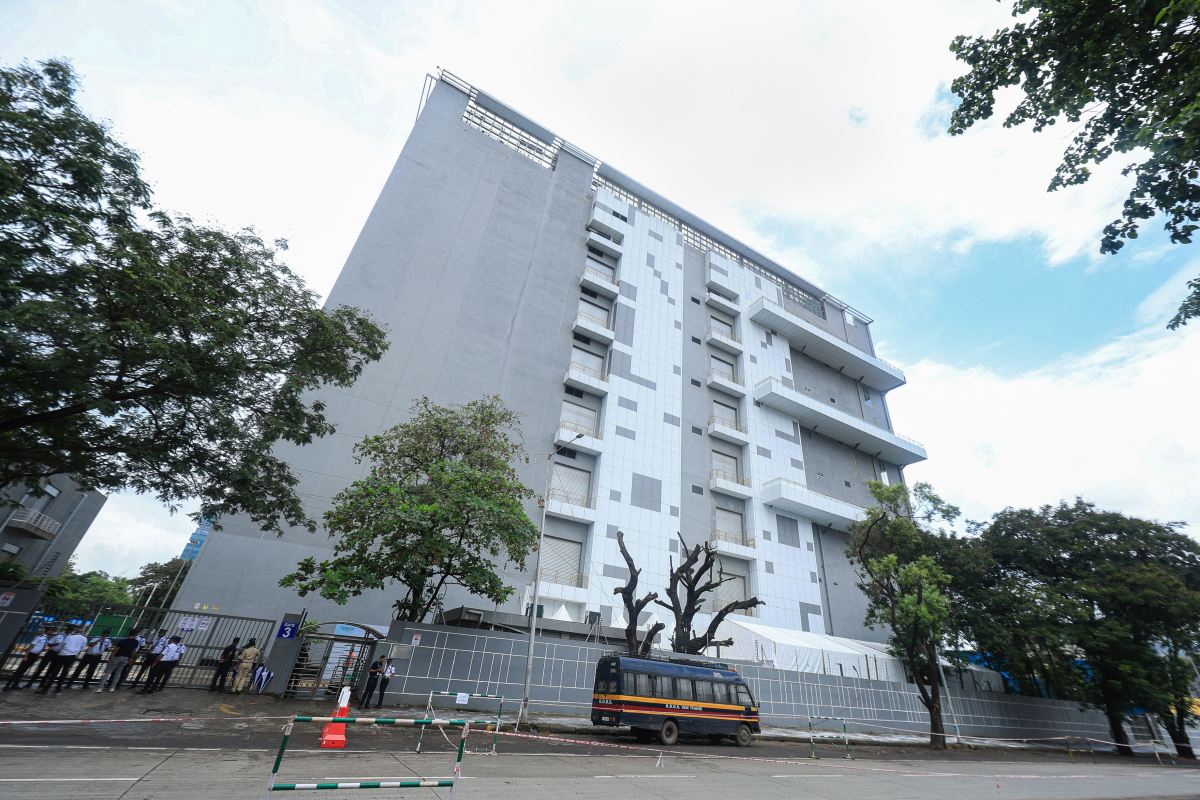
CapitaLand India Trust (CLINT), a Singapore-listed business trust investing in data centres, IT parks, industrial facilities, and logistics across India, has entered into definitive agreements to divest 20.2% stakes in three data centre assets under development to CapitaLand India Data Centre Fund (CIDCF). The transaction has an estimated total purchase consideration of ₹7.02 billion (S$99.73 million; £57.8 million). The consideration is based on 20.2% of the combined enterprise value of the three assets, amounting to ₹51.97 billion (S$738.2 million; £428.3 million) as of 31 December 2025. This valuation will be adjusted for liabilities, working capital, and capital expenditure, and remains subject to post-completion adjustments. According to the Trust, the agreed enterprise value was negotiated on a willing-buyer and willing-seller basis and represents a premium to the independent valuation of ₹45.70 billion (S$649 million; £376.6 million) as at 31 December 2025. Details of the data centre assets The three data centres included in the transaction are located in Mumbai, Chennai, and Hyderabad. In Navi Mumbai, CapitaLand DC Mumbai consists of two towers in Airoli. Tower one is completed with an IT power capacity of 34MW and a gross capacity of 50MW, while tower two remains under development with planned capacities of 37MW IT and 55MW gross. CapitaLand DC Chennai, located in Ambattur, is under development and is expected to provide 34MW of IT capacity and 53MW of gross capacity. CapitaLand DC Hyderabad, situated in Madhapur, is also under development, with planned capacities of 27MW IT and 42MW gross. In September 2025, CLINT divested CyberVale in Chennai and CyberPearl in Hyderabad, marking the Trust’s first divestment since its listing in 2007. The partial divestment of its data centre portfolio follows this earlier transaction and forms part of what CLINT describes as its broader approach to managing and realising the value of its development assets. Commenting on the transaction, Gauri Shankar Nagabhushanam, Chief Executive Officer of CapitaLand India Trust Management, the trustee-manager of CLINT, says, “The partial divestment reflects continued execution of our portfolio reconstitution strategy. "By unlocking value earlier in the development cycle while retaining a significant stake in the assets, we are able to support our development pipeline and enhance financial flexibility. “We are pleased to be partnering with CIDCF and remain invested in the future growth of India’s data centre sector through our remaining stake in the portfolio. "The partnership with CIDCF also provides CLINT the right to participate in a partial stake in future data centre developments by our sponsor and potentially buy back the assets or explore exit options such as an initial public offering of the assets. "Post-transaction, CLINT remains well-positioned to pursue accretive and higher yielding investment growth opportunities in key Indian cities to create value for our Unitholders.”


Translate »