‘AI growth doesn’t have to break the grid’
Author: Joe Peck
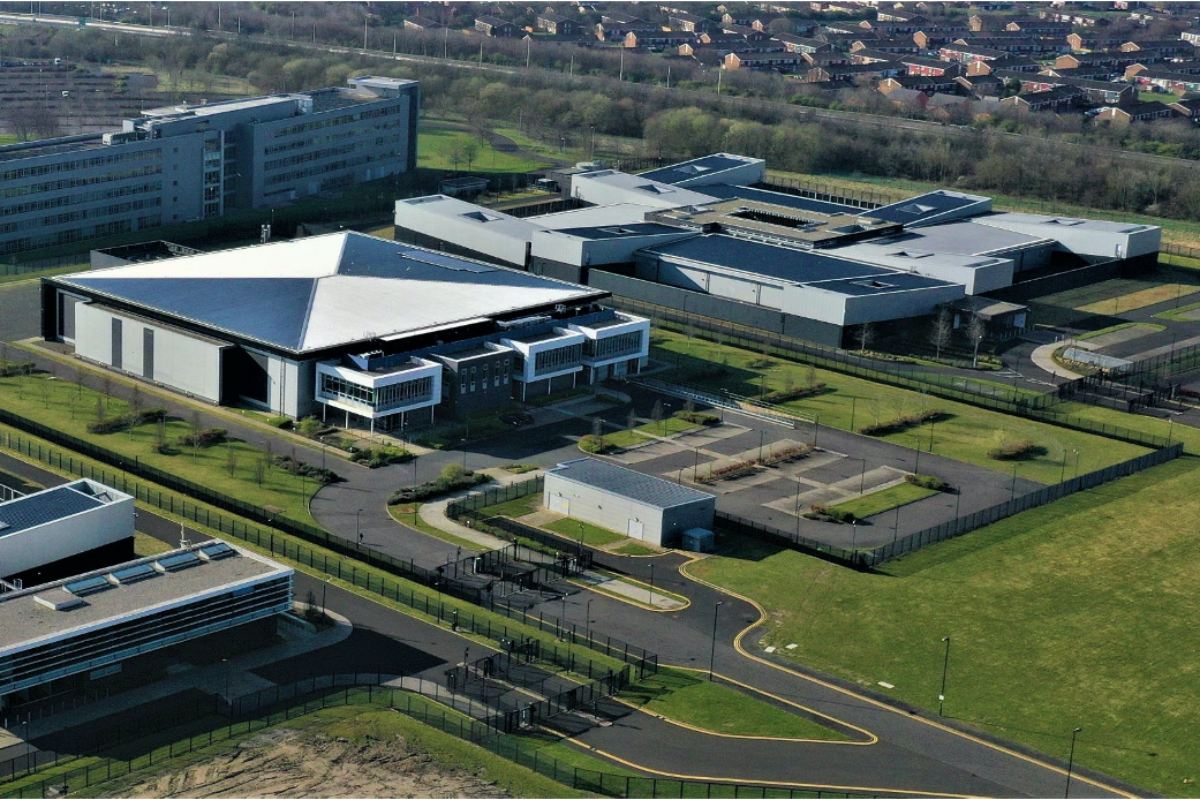
A UK high‑performance computing (HPC) data centre has reportedly cut its carbon emissions by three quarters while easing pressure on the electricity system, offering a blueprint for how the fast‑growing AI sector can expand without overwhelming the grid.
Stellium Datacenters, which operates one the UK’s largest purpose-built data centre campuses near Newcastle, has switched to a new way of sourcing electricity. This matches its power use with renewable generation hour by hour, rather than relying on annual averages.
The move comes as data centres face mounting scrutiny over their energy use, with concerns growing that AI and cloud computing could strain local grids and push up energy costs.
That scrutiny has intensified in recent months, with MPs launching an inquiry through the Environmental Audit Committee into the environmental impact of data centres, including their growing electricity and water use and the pressure they place on local grids.
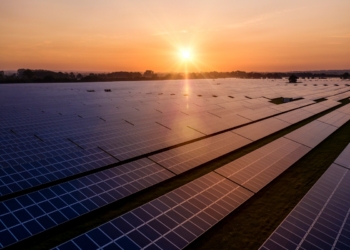
Working with renewable energy supplier Good Energy, Stellium now runs its site on a 100% renewable, hourly‑matched electricity supply, linking consumption directly to power generated by more than 3,300 independent UK renewable generators.
This approach allows the company to show exactly when its electricity demand is met by renewable sources, achieving an hourly matching score of 95.4%, more than double the current market average of around 43%.
Planned additions, including large-scale battery storage, are expected to lift this to 97–98% while being able to show exactly which UK renewable assets powered the data centre and when.
‘Hourly matching’ as an improved metric
Traditionally, many data centres rely on renewable certificates that show clean electricity was generated somewhere on the grid over a year, even if fossil fuels were used at the time power was actually consumed.
Some “100% renewable” tariffs relying on this system mask continued reliance on fossil-fuelled power at precisely the moments when the grid is most constrained.
By contrast, hourly matching provides a much clearer picture of real‑world impact, demonstrating which users are sourcing clean, homegrown power versus relying on fossil‑fuelled generation at peak times.
Stellium says the change has transformed conversations with customers, regulators, and auditors, particularly global AI and technology firms with strict net zero and reporting requirements.
The company says it can now demonstrate, in detail, which renewable assets powered its operations, when they did so, and where they are located.
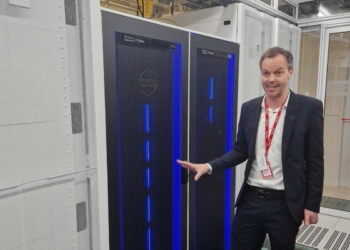
Paul Mellon, Operations Director at Stellium, notes, “Data centres often get bad press for their high, inflexible energy use. But this shows that AI and high‑performance computing don’t have to come at the expense of the grid or the climate.
“By switching to hourly‑matched renewable power, we’ve been able to cut emissions dramatically while giving customers the transparency they increasingly demand.”
Nigel Pocklington, CEO of Good Energy, adds, “By matching electricity use with renewable generation hour by hour, Stellium can show when clean power is actually being used.
“That kind of transparency cuts carbon emissions, reduces reliance on fossil fuels at peak times, and proves that digital growth and a resilient energy system can go hand in hand.”
Explosive data centre growth in the UK
The case comes as the UK prepares for a major expansion in data centre capacity to support AI, cloud computing, and data‑driven industries.
As planners, communities, and policymakers look more closely at how new developments will affect local infrastructure, Stellium’s experience suggests that data centres can respond by sourcing and reporting their energy responsibly, rather than relying on offsetting or misleading annualised accounting.
With pressure growing on the sector to prove its environmental credentials, the model demonstrates that practical solutions may already exist, and that AI‑driven growth can be aligned with a cleaner, more resilient electricity system.
For more from Stellium Datacenters, click here.