STL launches Neuralis US data centre platform
Author: Joe Peck
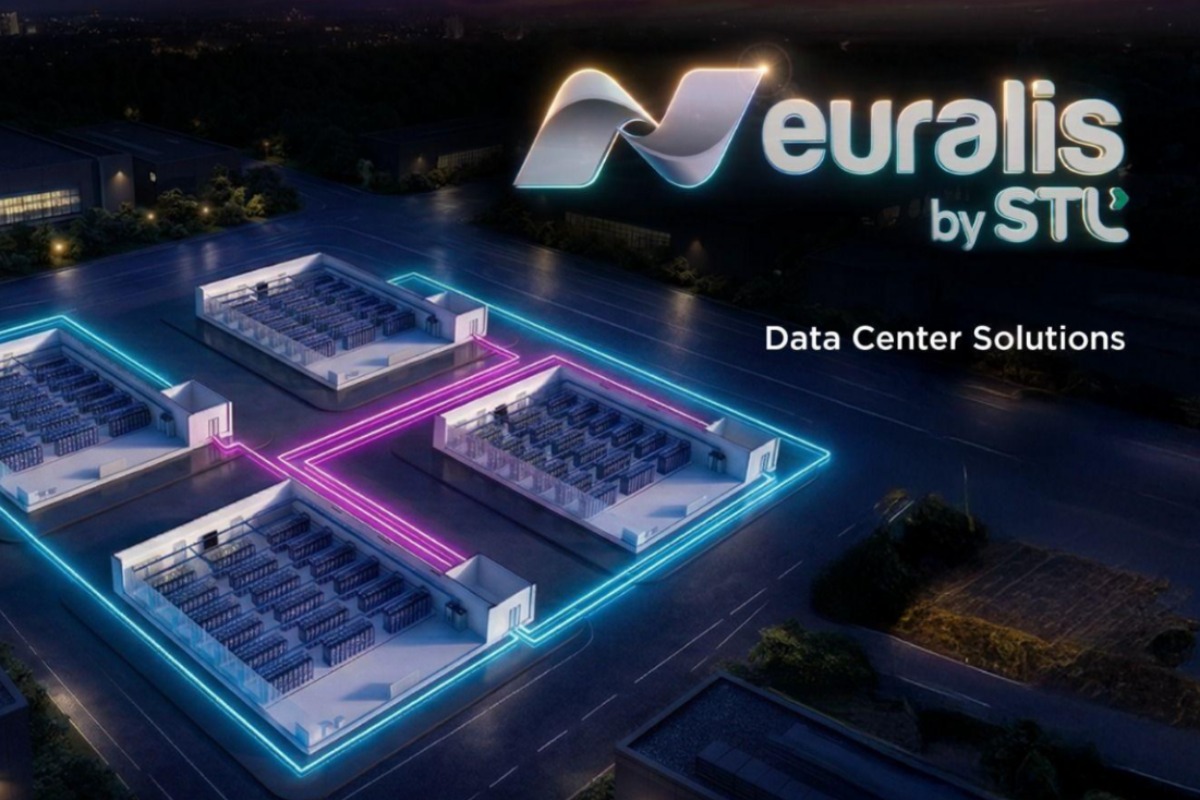
STL, an optical and digital systems company, has launched its Neuralis data centre connectivity portfolio in the United States, targeting infrastructure designed for artificial intelligence and high-density computing environments.
The announcement was made by STL Optical Connectivity NA, the company’s US subsidiary, at Data Center World 2026 in Washington, D.C.
Neuralis is designed to support evolving data centre requirements, particularly the shift towards AI workloads, hyperscale computing, and edge deployments. These trends are increasing demand for high-speed, high-density connectivity within and between facilities.
The portfolio focuses on managing the transition from traditional north–south traffic flows to more intensive east–west traffic, driven by GPU-based architectures and AI training processes.
Designed for high-density AI infrastructure
The Neuralis portfolio is structured around two main areas:
The first focuses on maximising data centre space through the use of high-density, pre-terminated fibre cabling. This approach moves connection work into manufacturing environments, reducing on-site installation time and complexity.
The second area addresses data centre interconnect (DCI), supporting large-scale data transfer between sites. This includes fibre infrastructure designed for high-capacity environments, with cables capable of supporting large fibre counts for AI deployments.
STL has developed the portfolio through collaboration with customers, with a focus on addressing space, density, and deployment challenges in modern data centres.
The company’s manufacturing process covers the full fibre lifecycle, including preform production, fibre drawing, cabling, and connector integration. Production for the US market is supported by STL’s facility in Lugoff, South Carolina.
Ankit Agarwal, Managing Director of STL, notes, “AI demands a level of precision and density that traditional cabling simply cannot meet.
“With STL Neuralis, we are providing the high-speed, low-latency foundation that allows GPU clusters to perform at their peak, moving complexity out of the field and into a controlled, high-precision factory environment.”
The launch reflects increasing demand for infrastructure capable of supporting AI-driven workloads, as operators continue to scale data centre capacity across North America.
For more from STL, click here.