News


Power supply options for data centres
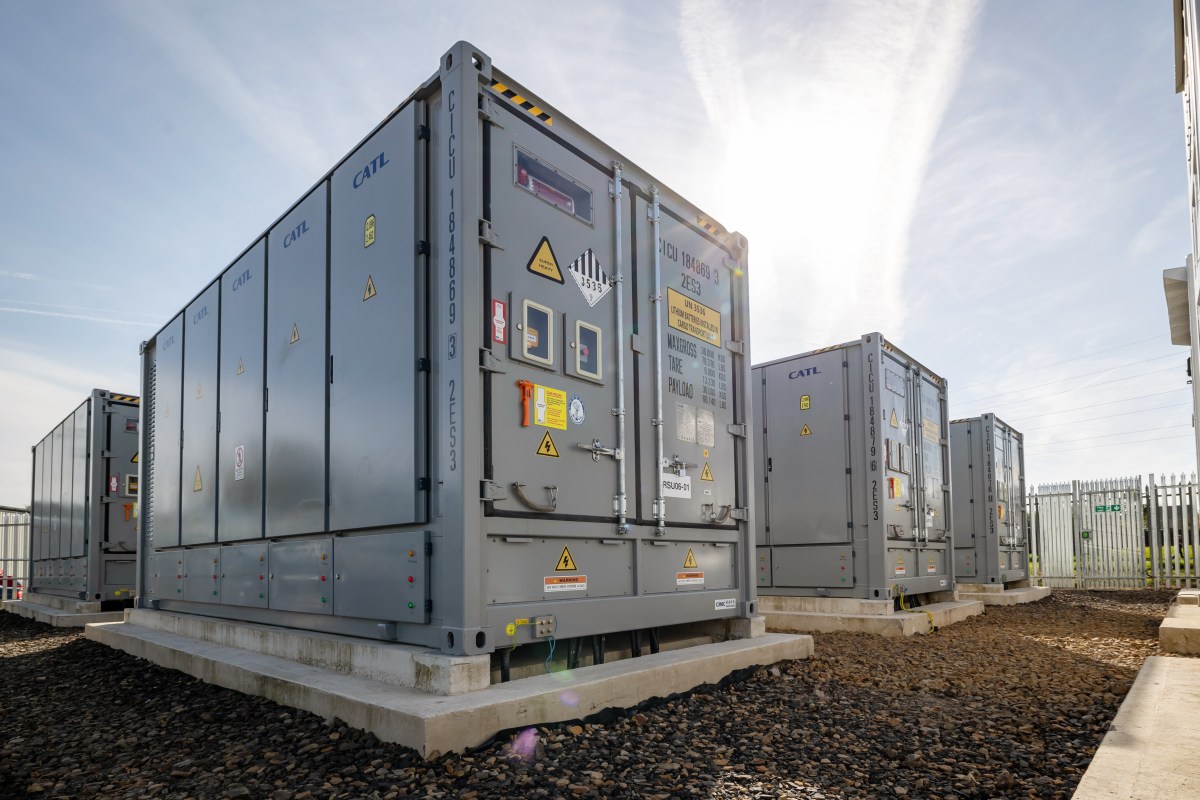
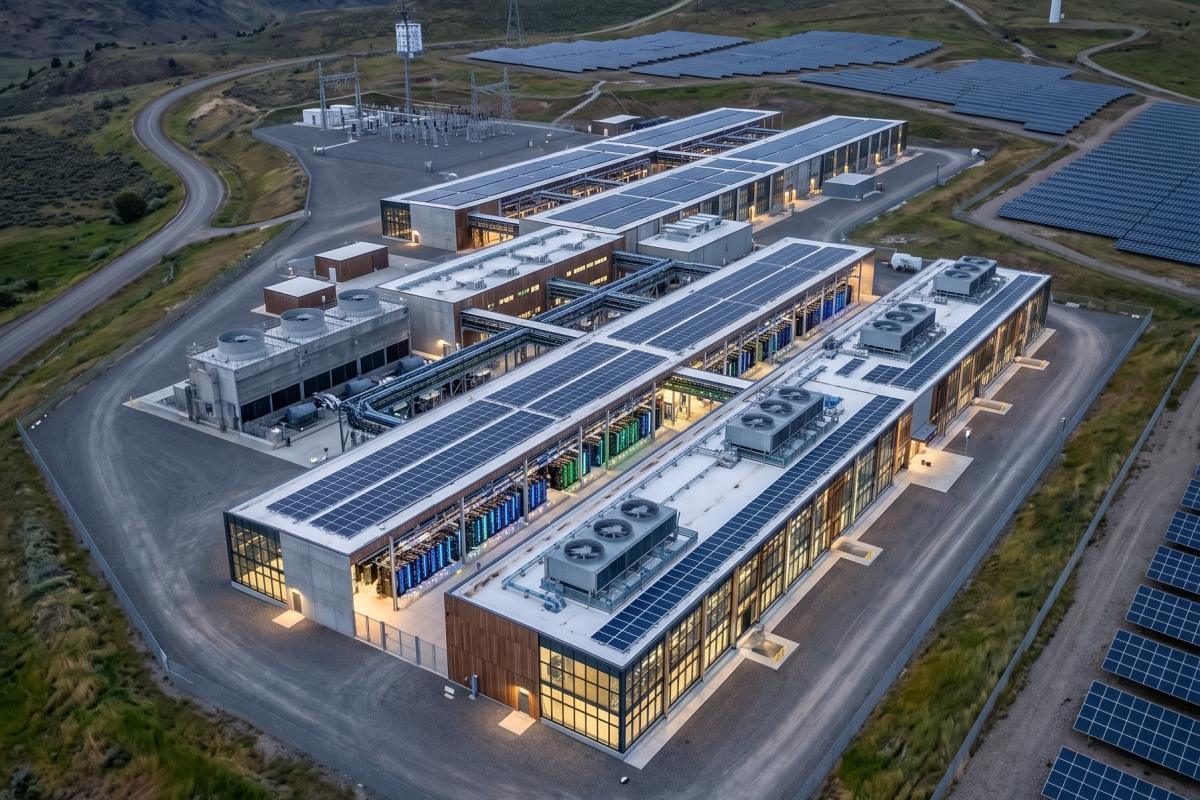
In this exclusive article for DCNN, Tania Arora and James Wyatt, Partners at Baker McKenzie (London), examine the evolving landscape of data centre power supply, highlighting why a tailored approach - blending grid connections, on-site generation, microgrids, and emerging technologies such as SMRs and battery energy storage - is increasingly essential for resilience, sustainability, and commercial optimisation: No universal solution Data centres presently require considerable energy resources, with projections indicating a marked increase in their consumption in the coming years. Securing a steady, sufficient, reliable, and scalable power supply is crucial for the financing, operational success, and long-term resilience of any data centre. A universal strategy does not exist for procuring power for data centres; each project requires a tailored approach. The market offers a wide range of power supply options and these are frequently combined to address the specific requirements of each project. The exact power procurement strategy for each project is determined by several factors, most notably the location of the data centre, local regulatory frameworks, its current and future operational needs, and the strategy of the developer (particularly considering other assets / other electricity supply arrangements they own). This article considers power procurement options available in the market and how these could be combined to achieve a successful power supply strategy. The key power supply options available at present include grid power, on-site or adjacent-site power generation, and microgrids (renewable or conventional), supported by backup generators, battery energy storage systems (BESS), and fuel cells. On-site or adjacent-site nuclear power is increasingly viewed as a panacea solution for data centre energy needs, although there are still considerable political, technological, and risk-allocation problems to solve. Data centres usually connect to public electricity grids, but most grids were not designed for their high load. Upgrades and expansions are often needed, which can be time-consuming and expensive. Sometimes, users must pay for these improvements, and further upgrades may be required if the data centre expands. Furthermore, securing a grid connection is rarely guaranteed; capacity reservations may be needed and are often subject to legal conditions. In some cases, installing on-site generation and microgrids can help address grid challenges. This could involve constructing solar and wind power plants (supported by BESS), gas-fired power stations, and/or combined heat and power (CHP) units adjacent to the data centre and supplying electricity directly without relying on the public grid. Furthermore, fuel cell and linear generator systems - as well as small modular reactors (SMRs) - are emerging as low-carbon, scalable power solutions for data centres. While the ongoing costs for self-generated energy are generally much lower, building such a dedicated energy infrastructure typically entails significantly higher upfront costs compared to connecting to the public grid. Furthermore, on-site projects are often constrained by space and planning restrictions, particularly in urban or suburban markets where demand is highest. Sustainable options Sustainability is a key consideration for a number of data centre market participants. Even if on-site wind or solar energy is economically viable for a project, these renewables alone cannot provide a stable base load due to their intermittency. To ensure base-load coverage, additional infrastructure such as energy storage systems, fuel cells, and conventional backup generators are required. SMRs and advanced nuclear technologies are emerging as promising solutions for the rising power needs of data centres. They offer reliable, consistent base-load power, load-following capability, scalable output, low carbon emissions, and a small physical footprint. They can operate independently of the grid or alongside renewables and are designed to be more cost-effective and quicker to deploy than traditional large-scale nuclear plants due to modular construction and established supply chains. SMRs are becoming a tangible reality for data centres. For example, the UK Government recently provided a considerable amount of support for SMRs for data centres through planning reforms, regulatory acceleration, funding, and explicit policy direction encouraging SMR–data‑centre colocation. However, SMRs face challenges: they are largely unproven and most jurisdictions still lack regulatory frameworks tailored to their unique characteristics. Key considerations for deploying SMRs include understanding local nuclear regulations, licensing and approval processes, decommissioning requirements, nuclear waste management, fuel supply security, and site suitability. Addressing these legal and regulatory issues is essential before SMRs can be widely adopted for data centres. BESS has become a key part of data centre power strategies, serving not only as resilience infrastructure but also helping to unlock commercial opportunities. It provides load shifting and peak shaving, thus reducing exposure to volatile wholesale prices and network charges by charging during low-cost or high-renewable periods and discharging power at peak demand. BESS also delivers instant backup power during outages and enables participation in grid services for additional revenue. Key issues include permitting and safety (especially for large-scale systems near nuclear or high-voltage facilities), complex grid connection agreements, and risk allocation where BESS is delivered via third-party energy-as-a-service contracts. Final considerations The near to mid-term future of data centre power lies in combined strategies. Every option in the combination presents its own distinct legal and commercial considerations. Consequently, as strategies become more complex, market participants should anticipate navigating a greater number of legal issues within the context of rapidly evolving regulatory frameworks.

Carrier to showcase AI cooling at DCW London 2026
Carrier, a manufacturer of HVAC, refrigeration, and fire and security equipment, will present its QuantumLeap portfolio at Data Centre World London 2026, taking place on 4–5 March. As a Platinum Sponsor, the company will host a panel discussion, a keynote session, and a solo presentation focused on cooling, building management, and lifecycle services for AI-driven data centres. Carrier, part of Carrier Global Corporation, will outline how increasing AI workloads are affecting thermal density and energy consumption across data centre environments. The company says the rapid growth of AI is creating pressure to manage higher heat loads while reducing overall energy use. Its QuantumLeap portfolio includes liquid cooling systems and high-efficiency chillers designed to support next-generation processors and higher rack densities. Integrated management and lifecycle focus Carrier will also highlight its building automation and data centre infrastructure management capabilities. By linking cooling, power, and IT systems through building automation systems and DCIM platforms, the company aims to give operators clearer operational oversight and improved energy control. In addition, Carrier will address lifecycle management, including waste heat reuse and grid participation, as part of broader sustainability strategies within AI data centres. Bertrand Rotagnon, Executive Director Commercial Business Line & Data Centres Europe, says, “Data centres can’t choose between growth, resilience, and energy performance; they need all three. "At DCW London 2026, we’re showcasing Carrier QuantumLeap solutions to help operators simplify decisions, improve efficiency, and move towards measurable energy contribution.” Carrier will be located at Stand D70. The company’s panel discussion takes place at 12:20 on Wednesday, 4 March, with a solo presentation at 15:55 on the same day and a keynote at 14:50 on Thursday, 5 March. For more from Carrier, click here.

Data Centre Alliance appoints new advisory board
The Data Centre Alliance (DCA), the UK trade association for the data centre sector, has appointed a new Advisory Board to lead its expanded Advisory Council. Liam Round has been named Chair, alongside board members Jonathon Freegard, Scott Cunningham, Astrid Wynne, Phil Beale, and John Booth. The appointments reflect experience across different areas of the data centre industry. The board will oversee the Advisory Council’s work in identifying key industry priorities and developing initiatives aimed at informing end users, policymakers, media, and the wider public. Focus on policy, energy, and standards Previous DCA initiatives include: • The DCA UK Data Centre Legislation Horizon Scan report• The Drowning in Data report on data centre water usage• The Data Centre Anti Contamination, Filtration, and Cleaning guide• The Data Centre Planning Policy, Sustainability, and Resilience Initiative guide• EU Code of Conduct for data centres energy efficiency updates• DCA data centre standards whitepapers Liam Round, Managing Director of Teksan UK and now Chair of the Advisory Council at the DCA, comments, “It is an honour to take on the role of Chair of the Advisory Board and Council at The Data Centre Alliance at such an important time for our sector. "Digital infrastructure underpins economic growth, national resilience, and AI development. I look forward to working with the DCA’s leadership and Partners to provide clear guidance, strong governance, and strategic focus as the industry navigates rapid change.” Over the next year, the Advisory Board and Council says it will focus on planning reform, energy market integration, grid access, sustainability, water resilience, AI infrastructure readiness, and industry standards development.

AFL: Why data centre leaders are heading to Stand C110
AFL, a manufacturer of fibre optic cables and connectivity equipment, will be attending this year's Data Centre World in London, 4–5 March 2026, exhibiting on Stand C110. In this article, the company tells you about what you can expect: Your AI clusters are hungry for bandwidth. GPU-to-GPU latency is make or break, and you’re being asked to scale yesterday, all while maintaining uptime, managing density, and staying within budget. AFL understands. It has engineered solutions specifically for these problems. What you’ll experience at Stand C110: • Hands-on demos• Industry-first technology• Solutions for your biggest bottlenecks• Modular white space infrastructure you can deploy rapidly• AI-GPU connectivity optimised for ultra-low latency compute fabrics• High-density DCI solutions that maximise available space in cable ducts• Pre-terminated, plug-and-play modules with full traceability to help you deploy faster• Fujikura’s Multi-Core, Hollow-Core, and Mass-Fusion splicers in action – the precision tools that research labs and hyperscalers trust for next-generation fibre deployment• Small-form-factor assemblies – reduce diameter, increase density, maximise airflow and cable pathways• Test with confidence – advanced inspection tools that validate performance before the first packet flows Why AFL for hyperscale data centres? • Globally available — consistent supply chain, wherever you build• Proven reliability — supporting the world’s largest hyperscale networks• Modular and scalable — grow your infrastructure without forklift upgrades• Built for AI workloads — engineered for the bandwidth and latency demands of dense GPU clusters Who should visit the stand? • Network engineers deploying or upgrading DCI links• Data centre architects planning next-generation AI infrastructure• Infrastructure leaders evaluating fibre solutions for hyperscale growth• Operations teams seeking faster commissioning and maintenance workflows Ready to enhance hyperscale efficiency? Bring your toughest connectivity challenges to Stand C110 and see how AFL’s team is already solving the real-world problems you face with innovative solutions ready for immediate global deployment. Find out how its optical fibre experts can help you scale seamlessly across growing hyperscale deployments for AI and cloud. For more from AFL, click here.

ERIKS to showcase valves expertise at Data Centre World 2026
ERIKS UK & I, which has recently become a Rubix company, is exhibiting on Stand F6 at Data Centre World in London (4–5 March 2026), highlighting its experience in supporting designers and contractors working on increasingly complex cooling infrastructure. The company will showcase its valve expertise in data centre cooling applications, as AI-driven workloads place increasing demands on chilled water systems. The rapid adoption of AI workloads is reshaping data centre design, with higher rack densities and new cooling architectures placing greater strain on mechanical systems. Chilled water networks are now required to operate at higher flow rates, deliver tighter control, and perform reliably in more demanding operating conditions, increasing the importance of valve selection, consistency, and long-term performance. ERIKS supports data centre HVAC and chilled water applications with a broad portfolio of valve technologies covering the core functions commonly specified in cooling systems, including isolation, regulation, and protection. The offering spans a wide range of sizes, materials and actuation options, enabling engineers to standardise valve selection while accommodating differences in system design, environmental exposure, and future expansion plans. Meeting changing data centre design Jonny Herbert, Business Development Manager for Data Centres at ERIKS UK & I, says, “AI is accelerating the pace of change in data centre design, particularly on the cooling side. "While valves are often treated as commodity components, their role in controlling and protecting chilled water systems is critical. Our approach is shaped by years of experience in the data centre sector, prioritising robustness, material choice, and practical design.” ERIKS says it encourages earlier engagement on valve selection during the design and specification stages of data centre projects. Factors such as water quality, environmental exposure, coating requirements, and access for operation and maintenance can all influence long-term system reliability. Addressing these considerations upfront can help reduce the risk of premature failure, rework, or delays during installation. Jonny continues, “As data centre projects become larger, more complex, and more tightly integrated with digital infrastructure, Data Centre World has become an important meeting point for the engineers, consultants, and contractors shaping the next generation of facilities. Our presence reflects both the maturity of our involvement in the sector and the growing need for practical, experience-led support as cooling requirements continue to evolve.” Visit ERIKS UK & I on stand F6 at Data Centre World London (4–5 March 2026) to discuss valve requirements for data centre cooling and chilled water applications. Learn more, by visiting the company's website.

Carrier launches CRAH for data centres
Carrier, a manufacturer of HVAC, refrigeration, and fire and security equipment, has introduced the AiroVision 39CV Computer Room Air Handler (CRAH), expanding its QuantumLeap portfolio with a precision cooling system designed for medium- to large-scale data centre environments. Developed and manufactured in Europe, the AiroVision 39CV is intended to support energy efficiency, reliability, and shorter lead times, while meeting EU regulatory requirements. The unit offers a cooling capacity from 20kW to 250kW and is designed to operate with elevated chilled water temperatures. Carrier states that this approach can improve energy performance and contribute to lower power usage effectiveness (PUE) by enabling more efficient chiller operation and supporting free cooling strategies. Factory-integrated design for simplified deployment The AiroVision 39CV features a built-in controller for real-time monitoring, adaptive operation, and integration with building management systems. The control platform can be configured to suit specific operational requirements. All components are factory-integrated to reduce on-site installation and commissioning work. Additional features, including an auto transfer switch and ultra-capacitors, are intended to support service continuity in critical environments. Michel Grabon, EMEA Marketing and Market Verticals Director at Carrier, says, “The 39CV is a strategic addition to our QuantumLeap Solutions portfolio, designed to help data centre operators address today’s most pressing challenges: increasing thermal loads from higher computing densities, the need to reduce energy consumption to meet sustainability targets, and the pressure to deploy solutions quickly and efficiently. "With its high-efficiency design, intelligent control system, and factory-integrated components, the 39CV helps operators to improve energy performance, optimise installation time, and build scalable infrastructures with confidence.” For more from Carrier, click here.

North East England data centre hub launched
A consortium of North East engineering and manufacturing powerhouses have joined forces to launch a new not-for-profit forum designed to help shape and propel the future of the data centre sector in the region. The North East Data Centre Hub has been founded by major global companies including RED Engineering Design, Cleveland Cable Company, CMP Products, Durata, and RWO Associates. Together, the founding members says they share a clear ambition to build momentum by collaborating on the development of a strong local engineering, construction, and digital supply chain to support data centre projects across the region and beyond. Opportunities in the North East With the North East strongly positioned as one of Europe’s largest data centre and AI infrastructure hubs - driven by government policy, energy availability, and major hyperscale investment - the launch of the hub provides an opportunity to shape the conversation locally and accelerate growth through regular engagement. The initiative aims to unlock the region’s full potential as a leading data centre destination. To mark its launch, the consortium will host the North East Data Centre Hub’s first networking event (which is already fully booked) on 25 February, from 5:30pm to 8:00pm, at Liberty House in Newcastle's city centre. Speaking about the North East Data Hub and its first event, John McGee (pictured above), Group CEO at Durata, says, “The hub provides an excellent opportunity for professionals in the sector - from developers and operators through to consultants and suppliers - to collaborate, share innovation, and exchange best practice. "By strengthening local connections, we can amplify the North East’s contribution to the wider UK and global data centre market. “We are delighted with the companies spearheading this initiative. Each brings extensive global experience in delivering critical infrastructure projects and, by working together - and joining forces with other local businesses - we can build a strong, resilient regional supply chain that supports long‑term growth, investment, and skills development in the North East. “With registration already reaching full capacity for our first event, it’s clear there is strong appetite for a hub of this nature. Many delegates will be attending with a shared goal, and this is just the beginning. We have an exciting programme of events planned over the next 12 months, with much more to come from the North East Data Centre Hub.” The North East Data Centre Hub is open to organisations across the data centre ecosystem, with plans for a programme of bi-monthly events hosted across the region, featuring speakers and with the opportunity for discussion and continued networking. To be the first to know about upcoming events and industry news from the newly formed hub, you can sign up for alerts by clicking here.

Aggreko: Power supply will decide AI winners and losers
Following the publication of a report that states up to a third of US data centres are expected to be fully off-grid by 2030, Aggreko, a British multinational temporary power generation company, is warning that the European market could follow the same trend, noting that the provision of power will be the deciding factor in the companies and markets that draw the biggest benefit from the ongoing AI boom. Bloom Energy’s 2026 power report, which looks specifically at developments in the US data centre market, also indicates that data centres are already beginning to move from areas where the grid is strained to those that can offer more ample supply. For instance, Texas’s data centre load is set to double by 2028, while traditionally leading areas like California and Oregon are set to lose 50% of their relative market share. Billy Durie, Global Sector Head of Data Centres at Aggreko, believes that these findings are a sign of what is to come in Europe, stating, “I am not surprised by the findings of Bloom’s latest report. Securing a reliable power supply has long been the bugbear of data centre operators across the world, though increasing power demand driven by the development of AI is now taking this challenge to new extremes in the US and Europe. “Depending on which source you look at, AI is set to increase power demand by as much as 150% by 2035, which is why operators are either relocating or taking power provision into their own hands in an attempt to find a permanent solution. “In my experience, these trends tend to emerge earlier in the US than in Europe, though we can certainly expect this market to follow suit. While this is a global challenge, with older grid infrastructure and more severe strain in Europe, you could even argue that we will see an even more acute response on this side of the pond very soon.” Moving off-grid in Europe The effects of grid strain on European data centre development have been well documented. In Scotland, a recent study has indicated that AI data centres could consume up to 75% of the nation’s electricity, while in Switzerland, there are fears that Zurich’s grid no longer has capacity to deal with additional demand. With comparatively limited options for relocation in Europe, many data centre operators have already turned to decentralised energy, though fully off-grid facilities are yet to be realised on a wider scale. Among the most popular solutions available on the market today are stage-V generators for short-term projects, while gas generators, microgrids, and renewables coupled with battery energy storage systems (BESS) are all in-demand options for energy provision and bridging power during upgrades. Small modular reactors (SMRs) also hold a place in the plans of many stakeholders, though are not expected to be commercially available until the end of the next decade, requiring effective bridging solutions in the interim. Billy concludes, “For European data centre operators who don’t have the same power of relocation that their US counterparts do, the ability to reduce dependence on the grid will be critical. Fortunately, there are already many solutions already available to help them do this, and even more exciting technologies in development. "Whatever option they choose to deploy, one thing is certain: the ability to source a stable power supply will dictate the winners and losers of the AI boom.” For more from Aggreko, click here.

UK parliamentarians launch Data Centres APPG
MPs and peers have launched a new All-Party Parliamentary Group (APPG) focused on data centres, examining the sector’s role in economic growth, digital infrastructure resilience, and net zero targets. The cross-party group is chaired by Chris Curtis MP, Labour MP for Milton Keynes North and Chair of the Labour Growth Group. Other officers include: • Lewis Cocking MP, Conservative MP for Broxbourne (as co-chair)• Alison Griffiths MP, Conservative MP for Bognor Regis and Littlehampton• Lord Philip Hunt of Kings Heath OBE, former Minister of State for Energy Security and Net Zero The APPG aims to improve parliamentary understanding of data centre development across the UK, review challenges and opportunities facing the sector, and produce evidence-based policy recommendations. The group will examine areas including infrastructure delivery, planning considerations, and energy demand linked to sector growth. The APPG has opened a formal call for evidence, inviting contributions from across the digital infrastructure ecosystem. Submissions will help shape the group’s Terms of Reference and define its areas of focus for 2026. Stakeholders invited to contribute include data centre operators and developers, energy suppliers, network operators, water providers, investors, consultancy organisations, local authorities, technology providers, trade associations, environmental groups, and academic institutions. Consultation launched to gather industry evidence Chris Curtis MP, Chair of the Data Centres APPG, notes, “Data centres are a vital part of the UK’s digital economy, and it is essential that we remain an attractive destination for the investment that drives growth and creates high-skilled jobs. "As Chair of the APPG, I want to ensure Parliament has the evidence and understanding it needs to shape a balanced approach: one that supports development, delivers real economic benefits, and works for local communities, while recognising wider considerations. "Getting this right will be critical to securing the UK’s long-term digital future.” Lewis Cocking MP, Co-Chair of the Data Centres APPG, adds, “Data centre development must work for the communities that host them. Google's £1 billion investment at Waltham Cross is a clear sign of Broxbourne's growing importance as a hub for technology and innovation, and we must ensure this growth delivers genuine benefits for local people. "This new APPG will focus on ensuring that local voices are heard in planning processes, that developments deliver tangible benefits (such as local jobs and waste heat utilisation), and that the highest environmental standards are met. "Local residents need to have a real say in projects like these. We'll work to ensure developments like Google's enhance Broxbourne and other local areas while meeting our environmental commitments.” Lord Hunt of Kings Heath OBE, Officer of the Data Centres APPG, says, “As a former Minister of State for Energy Security and Net Zero, I've seen firsthand how critical it is to align infrastructure growth with our climate commitments. "Data centres are major energy users, but they're also driving innovation in renewable energy procurement and efficiency. "This APPG will focus on ensuring their growth supports our net zero ambitions, exploring how these facilities can contribute to clean energy infrastructure, utilise waste heat, and support grid modernisation. "With the right policy framework, we can build the digital capacity our economy needs while advancing our environmental goals. Data centres shouldn't be seen as a challenge to net zero, but as part of the solution.”

PFX highlights its SOLUTHERM cooling fluids
PFX Group, a Canadian manufacturer of automotive and industrial fluids, has showcased its SOLUTHERM heat transfer fluid range at the 2026 AHR Expo in Las Vegas, USA. The company presented its thermal management fluids at the Recochem booth during the event, which ran from 2 to 4 February. The SOLUTHERM range is designed to support HVAC system performance, including traditional heating and cooling loops and liquid cooling applications in data centres. The company states that increasing power densities, changing regulatory requirements, and evolving system materials are driving greater demand for effective thermal management. This is particularly relevant in data centres, where continuous operation and high-performance computing environments require reliable temperature control to support equipment performance and operational continuity. The SOLUTHERM range includes glycol-based heat transfer fluids designed to support system efficiency, temperature stability, and corrosion protection. Some formulations are developed to support environmental targets, including biodegradable options and fluids aligned with LEED building requirements. Jerome Dujoux, Vice President of Branding and Innovation at PFX Group, says, “HVAC and data centre cooling are no longer separate conversations. "As computing power increases and buildings become more energy intensive, thermal management is becoming a connective tissue between digital infrastructure and the built environment. That’s the shift SOLUTHERM is designed for.” Thermal fluids for HVAC and data centre cooling Among the products highlighted at the exhibition were SOLUTHERM PG HD and EG HD heat transfer fluids, designed for HVAC applications in facilities including hospitals, universities, and other critical infrastructure environments. The company also presented SOLUTHERM direct liquid cooling fluids, developed for servers and high-performance computing environments. These fluids are designed to operate across a wide temperature range, supporting data centre cooling requirements associated with increasing power density. Additional products included SOLUTHERM PG HD LEED heat transfer fluids, which use bio-based propylene glycol and meet ASTM D8039 corrosion testing standards, and SOLUTHERM PG AL Safe heat transfer fluids, developed for systems containing aluminium components such as boilers, water heaters, and heat exchangers. Tom Corrigan, Director of Research and Development at PFX Group, notes, “Heat transfer fluids are often treated as a commodity when, in reality, they influence energy efficiency, equipment lifespan, and system reliability more than most people realise. "We see thermal management as a strategic decision and that’s why SOLUTHERM is engineered for specific applications and backed with ongoing support.”


Translate »