Insights into Data Centre Investment & Market Growth
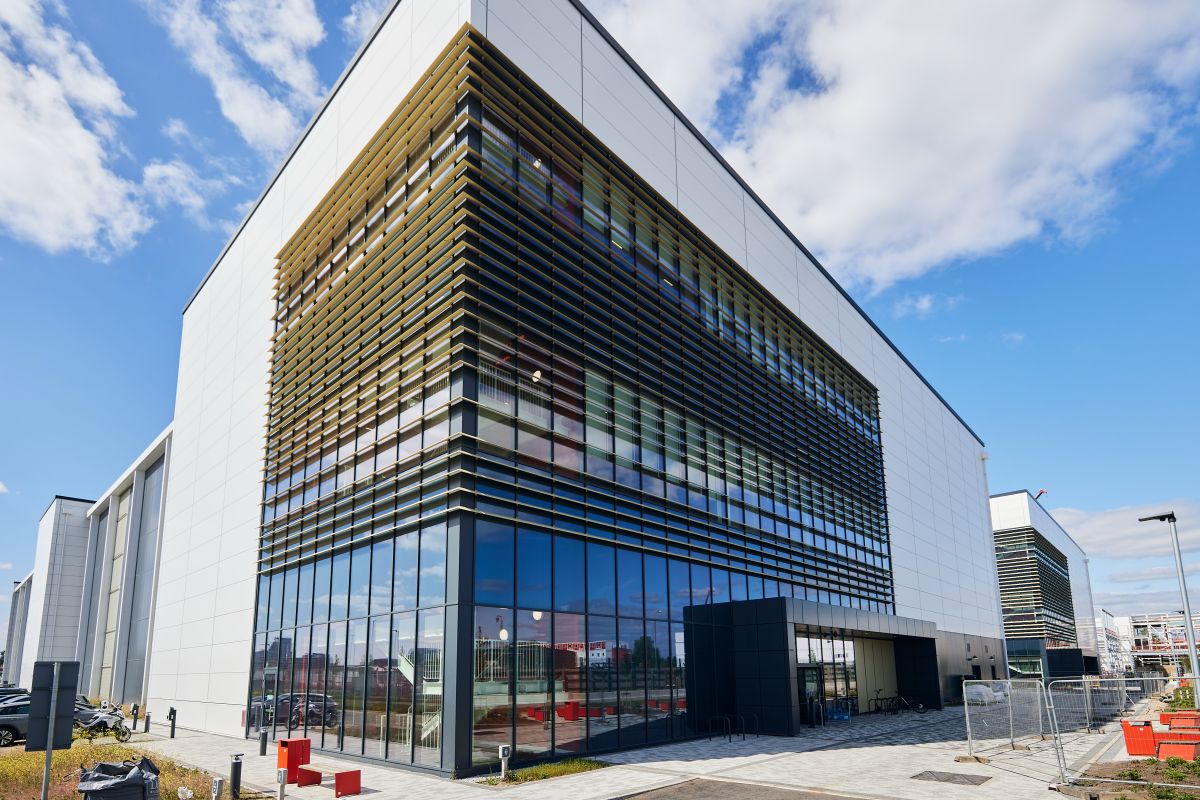

Yondr agrees deal for its UK hyperscale data centre
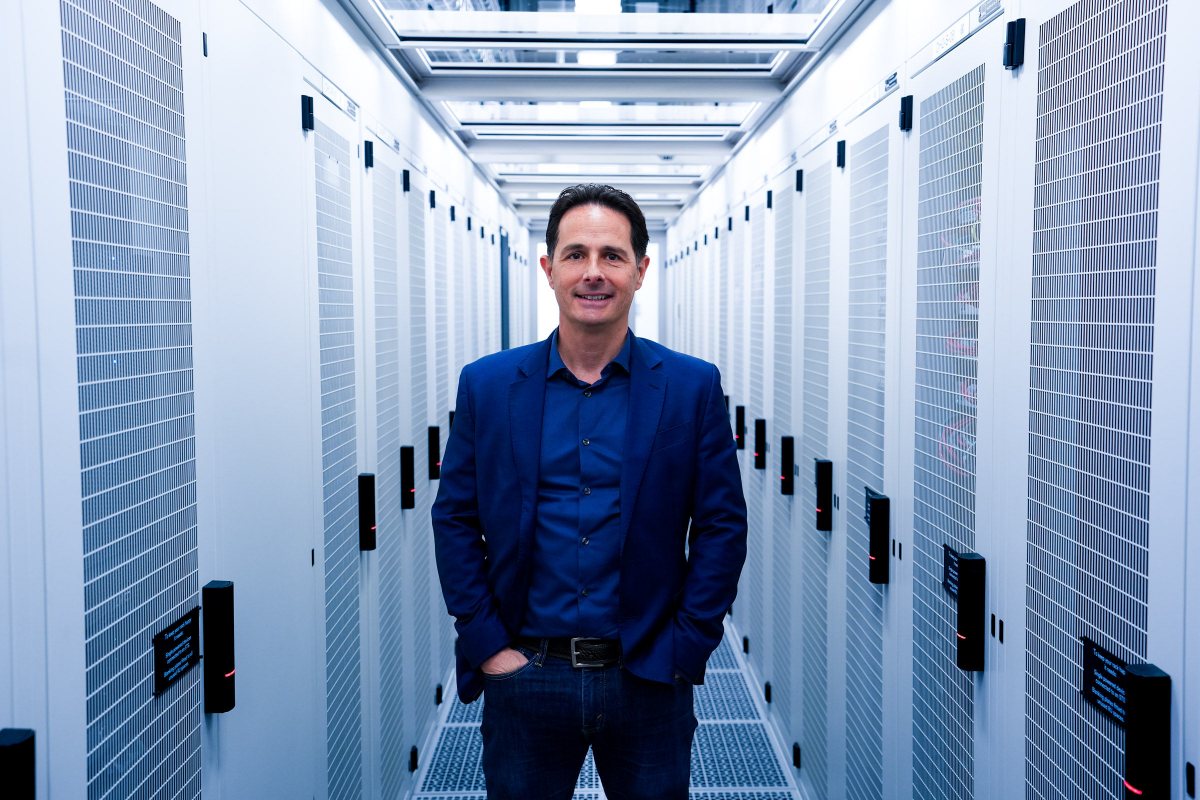
Yondr Group, a global developer, owner, and operator of hyperscale data centres, has agreed to sell a majority stake in one of its UK hyperscale data centre campuses to GLIL Infrastructure, retaining a minority ownership interest and the responsibility for operating the site. The transaction involves a campus in Slough comprising two operational hyperscale data centre buildings serving a hyperscale customer. Financial terms were not disclosed. Yondr says the agreement enables it to realise value from a completed asset whilst continuing to manage its day-to-day operations and retain a long-term interest in the campus. Aaron Wangenheim, Chief Executive Officer at Yondr, says, "This transaction represents another important milestone in Yondr's long-term growth strategy. Bringing GLIL on board as an investment partner allows us to realise value from a high-quality, stabilised asset while remaining invested in its future and continuing to operate the campus on behalf of our customer." Investment expands digital infrastructure portfolio For GLIL Infrastructure, the acquisition adds to its digital infrastructure investments, which include a stake in Cornerstone, the UK's largest mobile tower company. Lee Belfield, Investment Director at LPPI and GLIL Infrastructure, notes, "Digital infrastructure is increasingly fundamental to the UK's economy, and hyperscale data centres are critical to supporting growing demand for cloud services and artificial intelligence. "This investment reflects GLIL's strategy of partnering with high-quality operators to invest in essential infrastructure that delivers resilient, long-term value for our pension fund members. "Yondr has developed a high-quality asset with a strong operational track record, and we look forward to commencing a long-term partnership with the Yondr team." The transaction is expected to complete in the coming months, subject to customary closing conditions and regulatory approvals. RBC Capital Markets acted as Yondr's financial adviser, with Linklaters providing legal advice. GLIL Infrastructure was advised by Nomura, with Simpson Thacher & Bartlett acting as legal counsel. For more from Yondr Group, click here.

US data centre pipeline growth slows in Q1
The pace of new US data centre developments slowed during the first quarter of 2026, with developers increasingly focusing on advancing existing projects rather than announcing new capacity, according to global research and consultancy firm Wood Mackenzie. Its latest US data center pipeline: Q2 2026 report found that 36GW of new data centre capacity was added to the development pipeline during Q1 2026, a 19% decline compared with Q4 2025. Total disclosed pipeline capacity now stands at 331GW, with around 40% of projects under active development. Wood Mackenzie says the slowdown reflects a more challenging development and regulatory environment, with established developers prioritising the delivery of existing projects. Caitlin Connelly, Senior Analyst at Wood Mackenzie, explains, "Established data centre developers continue to shift their focus to the maturation of their existing pipelines in the face of an increasingly challenging development and regulatory environment. "New entrants focused on gas supply and land access are targeting states such as Texas and Utah, but only a small fraction of those projects are under active development." Investment remains strong despite slower additions Texas continues to lead the US market with almost 100GW of planned capacity, followed by Ohio. New projects are also being planned in states including Utah, New Mexico, and West Virginia, although relatively few have progressed into active development. The report found that 53% of projects have passed the permitting stage, although these account for only 32% of total planned capacity. Meanwhile, signed construction or electricity supply agreements now cover 195GW of capacity, equivalent to around 26% of the United States' peak electricity demand in 2025. Wood Mackenzie also reports that disclosed capital investment in specific projects has exceeded $1 trillion (£743 billion). However, investment remains highly concentrated, with just 6% of projects accounting for 42% of total disclosed capital expenditure. The report also highlights increasing use of behind-the-meter power generation, particularly in Texas. Across projects where generation strategies have been disclosed, gas accounts for 48% of total site capacity, while renewable energy and battery storage represent 38%. Caitlin continues, "The regulatory environment for data centre development is increasingly complex and regionally diverse. Interruptible service options are being deployed, forcing companies to choose between speed to power and firm power. Policymakers tend to view firm service as an unnecessary friction to interconnection. "Fast-track capacity interconnection frameworks seek to bring new generation online quickly ahead of a supply crunch. It remains to be seen whether policy developments help or hinder demand growth, however, as policymakers seek to balance the often competing priorities of affordability and speed to power."

Greenergy Data Centers secures new investor
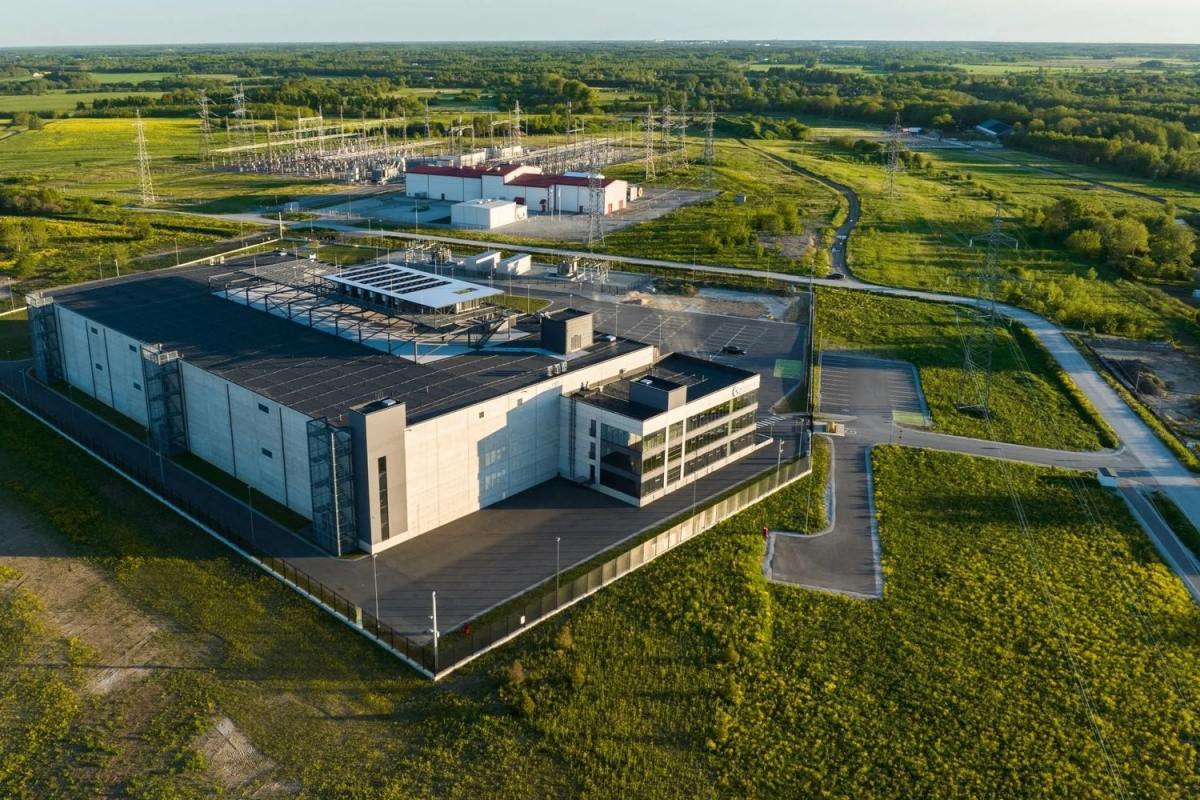
Colocation and data hosting facility Greenergy Data Centers has welcomed Tensor Estate as a minority shareholder following an investment in MCF Group Estonia, the company that owns and operates the Baltic data centre. MCF Group Estonia is majority owned by the Three Seas Initiative Investment Fund (3SIIF), which says the investment will provide expansion capital to support the continued growth of the facility in response to increasing demand for AI infrastructure. Greenergy Data Centers was 3SIIF's first digital infrastructure investment and is one of the largest data centres in the Baltic region. Cameron Cook, Senior Investment Director at Amber Infrastructure, investment advisor to 3SIIF, comments, "We welcome Tensor Estate as a new shareholder in MCF Group Estonia. "As the majority shareholder, 3SIIF remains fully committed to supporting the continued development of Greenergy Data Centers. The ongoing expansion of the data centre in response to unprecedented demand from the artificial intelligence market is underway, and we look forward to the full commercialisation of this strategically important digital infrastructure asset." Investment to support future expansion According to the companies, the investment is intended to support Greenergy Data Centers' long-term expansion plans as demand for AI infrastructure continues to grow. Kert Evert, CEO of MCF Group Estonia, says, "We have been developing the infrastructure for years with a long-term perspective. Tensor joining us supports our long-term growth objectives." Miko Niinemäe, Co-founder of Tensor Estate, notes, "Artificial intelligence is fundamentally reshaping digital infrastructure requirements worldwide. Developing projects of this scale takes years and requires close cooperation between infrastructure owners, energy companies, engineering partners, and global technology companies." Valdur Laid, Member of the Management Board of UG Investments, who co-financed the transaction, adds, "MCF [is providing] a solid foundation for its next stage of development. We are committed to supporting that growth as a long-term partner." As part of the transaction, representatives from 3SIIF and Tensor Estate have formed a joint supervisory board as the company's existing management team will continue to oversee day-to-day operations.

Indian data centre capacity forecast to reach 12GW
India's operational data centre capacity is forecast to grow from 2.2GW in 2025 to 12GW by 2030, according to a new report from global research and consultancy firm Wood Mackenzie, highlighting continued investment driven by AI, cloud computing, and the country's expanding digital economy. The report, India's Data Centre Landscape: Powering the Digital Economy, predicts a compound annual growth rate (CAGR) of around 40% over the five-year period. It also forecasts that AI-dedicated capacity will increase from 275MW in 2025 to 6,546MW by 2030. Wood Mackenzie says rising demand from hyperscale cloud providers, enterprise digitalisation, and AI workloads is underpinning the rapid expansion of the sector. Power availability shapes future investment India's digital economy, valued at ₹32 trillion (£250 billion) in 2025, is contributing to increased demand for digital infrastructure. According to the research, the country has more than 1.03 billion active internet users and processes around 22 billion UPI transactions each month. The report forecasts that data centre electricity demand will increase from 10TWh in 2025 to around 20 times that level by 2040, accounting for approximately 7% of the country's total electricity demand. Whilst Maharashtra and Tamil Nadu currently account for around 65% of installed IT load, Wood Mackenzie expects future growth to extend across Andhra Pradesh, Telangana, Uttar Pradesh, and Karnataka. The report notes that both international hyperscale providers (including Amazon Web Services and Google) and domestic operators (such as AdaniConnex) are investing in new capacity. Souhardya Pal, Research Associate at Wood Mackenzie, says, "India's data centre market becomes a structural investment thesis. The convergence of hyperscale capital, AI workload growth, and a decade of policy support have created the conditions for India to rival any market in Asia-Pacific. "The question for developers and investors is no longer whether to enter India, but where and how." Water and infrastructure remain key considerations The report identifies reliable, cost-effective power as the primary factor influencing new data centre developments, ahead of land availability and capital. It highlights captive power generation and long-term renewable power purchase agreements (PPAs) as increasingly common strategies for securing electricity supplies. Wood Mackenzie also highlights water availability as an emerging consideration, particularly as higher-density AI deployments increase cooling requirements. According to its research, developers are increasingly adopting closed-loop cooling systems and zero liquid discharge technologies to reduce freshwater consumption. Rashika Gupta, Vice President of Research at Wood Mackenzie, explains, "Land and capital are no longer the limiting factors for data centre developers in India. What determines site selection and delivery timelines now is access to firm, round-the-clock power at the node level. "Developers who secure their power strategy early, through captive generation or long-term renewable PPAs, will lock in a structural cost and sustainability advantage for the life of their assets."

Aon expands data centre insurance programme to $5bn
Aon, a London-headquartered global professional services firm, has expanded its Data Center Lifecycle Insurance Program (DCLP), increasing available insurance capacity to $5 billion (£3.7 billion) and broadening the range of risk management services available to support data centre developments from construction through to long-term operation. The programme is intended to provide insurance and advisory support for digital infrastructure projects as investment in artificial intelligence, cloud computing, and hyperscale data centres continues to grow. Joe Peiser, CEO of Risk Capital at Aon, says, "Digital infrastructure has become one of the most important and capital-intensive asset classes in the global economy. "As clients build larger and more complex data centre portfolios, they need access to greater insurance capacity alongside solutions that strengthen resilience throughout the asset lifecycle. "Expanding DCLP to $5 billion demonstrates our ability to help clients access capital, manage risk, and scale with confidence." Broader risk management throughout the asset lifecycle The enhanced programme provides up to $5 billion in Construction All Risks (CAR), Delay in Start-Up (DSU), Property Damage, and Business Interruption cover through a panel of A-rated insurers from Lloyd's and company markets, alongside other insurance facilities. It also includes expanded liability, cyber, and project cargo cover, offering up to $200 million (£148 million) in third-party liability outside the US, $100 million (£74 million) within the US, $400 million (£297 million) in cyber and technology errors and omissions cover, $500 million (£371 million) in project cargo cover, and up to $1 billion (£743 million) in terrorism cover through existing Aon facilities. In addition, Aon has expanded its advisory services through Aon Global Risk Consulting, including climate risk advice, environmental risk management, Owners Protective Professional Indemnity (OPPI), security risk consulting, risk engineering, and operational resilience expertise. The expansion builds on previous updates to the programme, which increased insurance capacity to $3.5 billion (£2.6 billion) and extended support for operational data centres.

PowerCell wins hydrogen power order for AI data centre
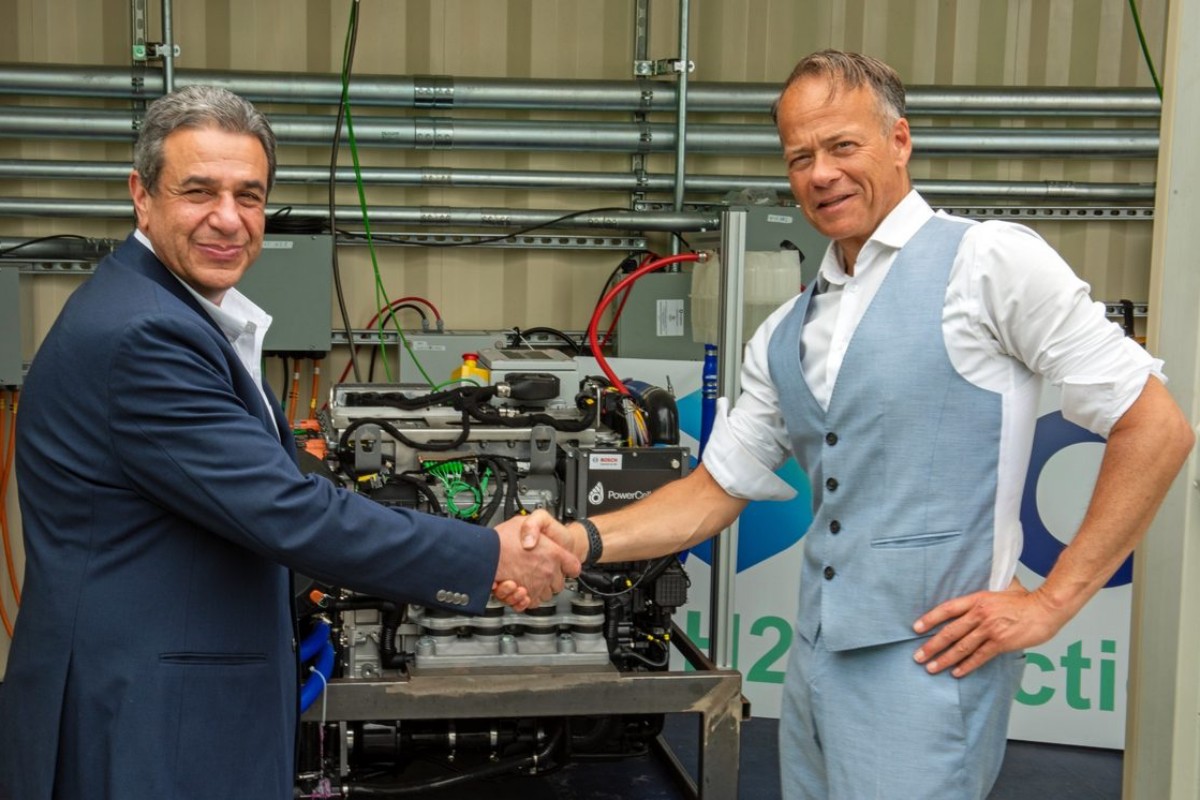
PowerCell, a Swedish developer and manufacturer of hydrogen fuel cells for stationary power and transport applications, has secured an order worth approximately SEK 30 million (£2.3 million) to supply hydrogen fuel cell systems for ECL's CSC-1 AI data centre campus in Santa Clara, California, USA. The contract covers the supply of PowerCell PS190 fuel cell systems, together with licences for the company's Distributed Master Controller (DMC), for integration into ECL's FlexGrid microgrid architecture. The installation represents approximately 5MW of power generation capacity, with deliveries scheduled for completion by the end of 2026. The order follows the deployment of the same technology at ECL's MV-1 AI data centre in Mountain View, California, and forms part of an ongoing collaboration between ECL, PowerCell, and Bosch. Richard Berkling, CEO of PowerCell Group, says, "This order demonstrates how hydrogen fuel cells are becoming part of critical energy infrastructure. As demand for computing capacity accelerates, access to reliable power has become one of the industry's biggest constraints. "ECL deserves significant credit for having continuously operated liquid, hydrogen-powered AI infrastructure over the past two years. Technology matures through operation and that experience has created a depth of application knowledge that few organisations have." Project targets resilient AI infrastructure The CSC-1 campus is designed to provide 35MW of AI computing capacity using a combination of grid power, battery storage, natural gas, and hydrogen fuel cells. PowerCell's DMC will coordinate these energy sources through ECL's energy management platform. According to PowerCell, the project marks a commercial deployment of its strategy to combine hydrogen fuel cell technology with energy management software for primary power applications rather than standby generation. Alongside the order, PowerCell and ECL have also signed a separate non-binding memorandum of understanding covering a potential further 300MW of hydrogen power capacity.

Macquarie to buy A$240m site for 200MW data centre
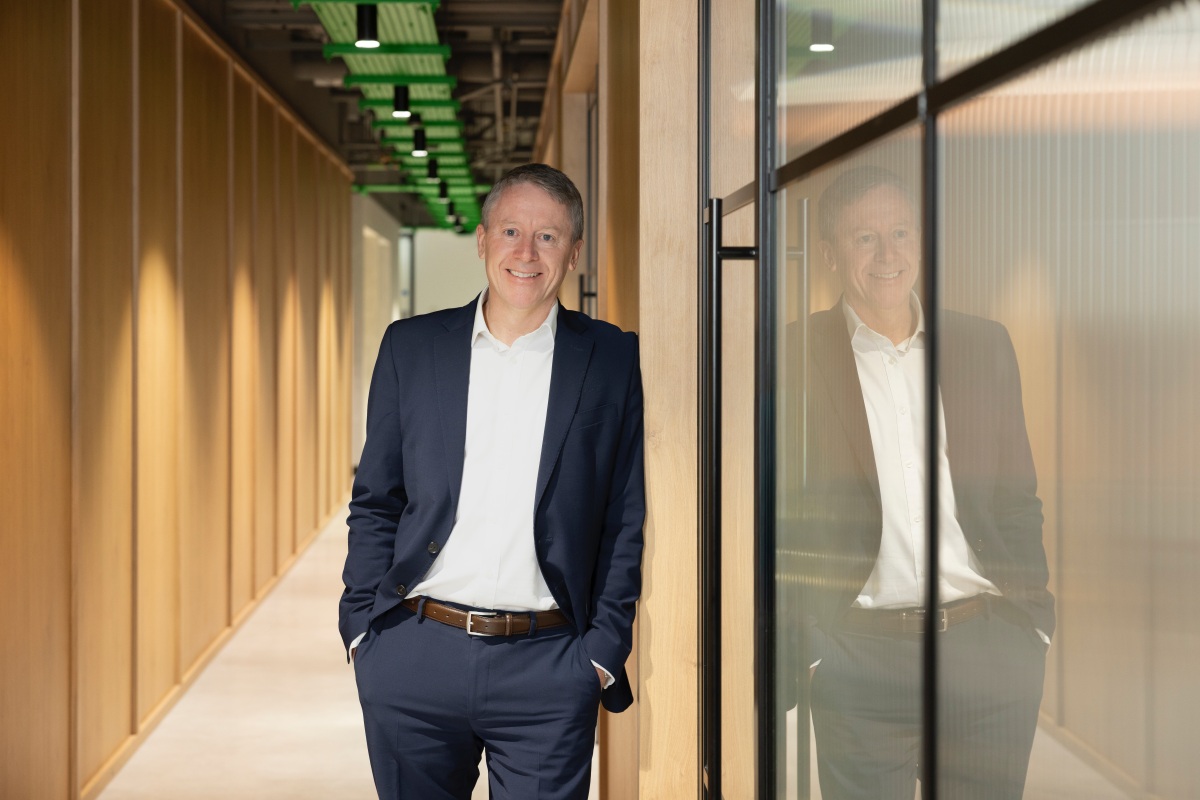
Australian data centre operator Macquarie Data Centres, part of Macquarie Technology Group, has announced plans to develop a new engineering and technology campus alongside a proposed 200MW data centre campus in Macquarie Park, Sydney, Australia. The company has exercised its option to acquire a 34,200m² development site for A$240 million (£124 million), with completion of the purchase subject to standard settlement procedures. The proposed development remains subject to planning and other regulatory approvals. Located in Sydney's North Zone (AZ1), the campus is intended to support AI, cloud, and cybersecurity infrastructure, whilst also providing engineering and research opportunities through a partnership with Macquarie University. Initial construction is expected to be completed in late 2029, subject to approvals. David Hirst (pictured above), CEO of Macquarie Data Centres, comments, "Alongside the ~200MW of Australian-owned and operated data centre [capacity] this will deliver to Sydney's North Zone, the proposed campus will also deliver lasting benefit to the local community. "In partnership with Macquarie University, students and researchers will gain hands-on access to the latest data centre, cybersecurity, and cloud technologies. It will also provide a more than one-acre-sized, intergenerational community park for City of Ryde residents." Campus plans extend beyond data centre infrastructure Macquarie says the proposed facility is being designed to support high-density AI workloads using advanced air cooling, closed-loop cooling technology (to minimise operational water consumption), and direct-to-chip liquid cooling within the data halls. The company also plans to incorporate community facilities into the site, including a park of more than one acre, a community garden, and an outdoor art gallery, subject to planning approval. Macquarie Data Centres says the development builds on its existing partnership with Macquarie University and is intended to provide students and researchers with access to operational data centre, cloud, AI, and cybersecurity technologies. For more from Macquarie Data Centres, click here.

Pure DC begins first phase of 550MW Finnish AI campus
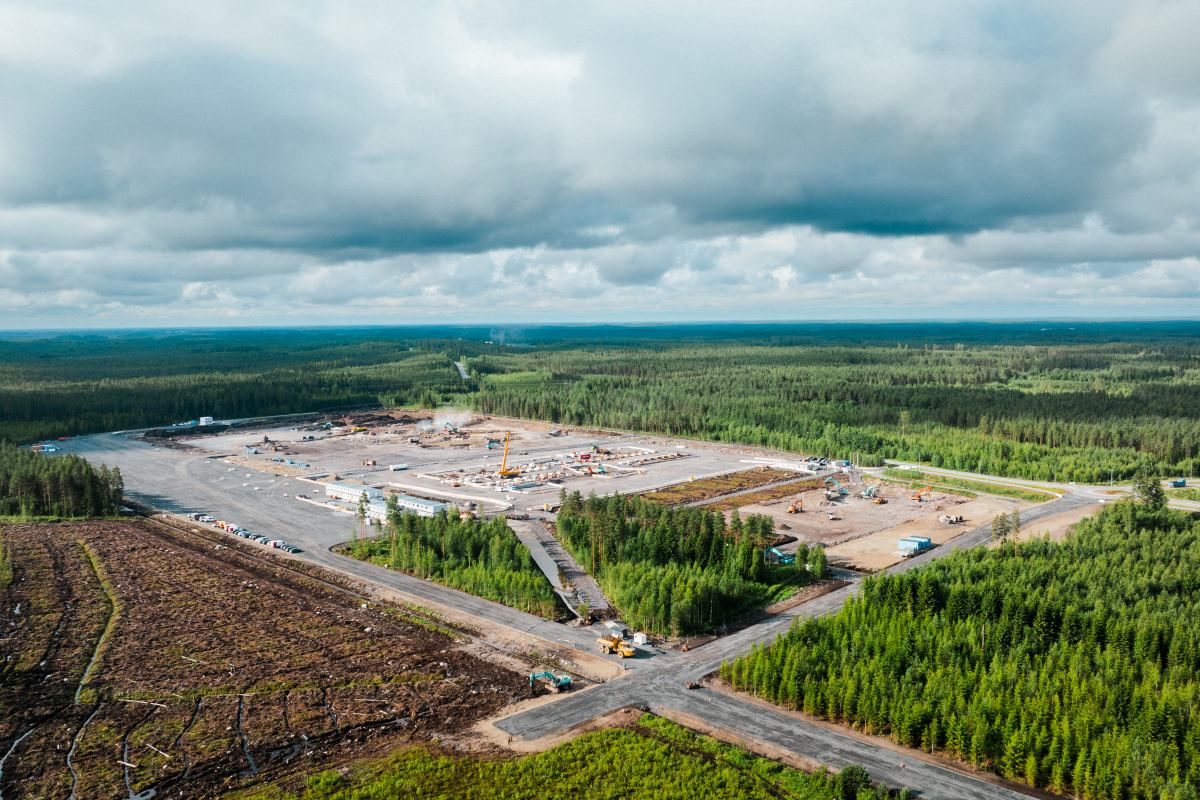
Pure Data Centres Group (Pure DC), a designer, developer, and operator of hyperscale data centres, has begun the first phase of a planned 550MW AI data centre campus in Seinäjoki, Finland, with Phase One representing an investment of more than €1.5 billion (£1.2 billion). The initial 110MW phase has been fully leased, with planning permission secured and the substation for the first data hall already operational. Subject to future approvals and commercial agreements, the development could expand to more than 550MW of IT capacity, representing a total investment exceeding €7.5 billion (£6.3 billion). The campus is being developed in partnership with SDC Ventures and is expected to create more than 3,000 construction jobs over the course of the project. Pure DC says the development will also support improvements to local electricity and telecommunications infrastructure. Gary Wojtaszek, Executive Chairman and Interim CEO of Pure DC, notes, “Countries building AI infrastructure over the next decade will shape the global economy for the next 50 years. Finland has all the ingredients required to lead this transformation: world class engineering talent, abundant renewable energy, and a culture of innovation that gave rise to Nokia. “We are not building data centres in Seinäjoki; together with our partners, including the Seinäjoki Municipality, we are helping create one of Europe’s most important AI ecosystems capable of supporting global tech leaders as well as the next generation of Finnish entrepreneurs and innovators.” A campus designed for large-scale AI workloads Known as SJK01, the 370-acre campus is planned to support more than 550MW of IT capacity for AI and machine learning workloads. The site will have access to more than 700MVA of renewable power and will be built using repeatable 40MW modules incorporating direct liquid cooling for high-density computing. The development will also include closed-loop cooling systems that use no water during operation and will support district heating through waste heat recovery. In addition, Pure DC says it will work with Seinäjoki University of Applied Sciences and local vocational institutions to develop specialist training programmes aimed at supporting future employment in the data centre sector. The British Ambassador to Finland, Laura Davies, comments, “I am delighted by this major UK investment into Pure DC’s new site in Seinäjoki - the largest yet by a UK company in Finland. It's an example of the growing role of UK companies in financing and delivering digital infrastructure across Europe, which is a key component of building our shared data sovereignty. “Not only will this AI data centre campus become one of Finland’s largest inward investment projects, but it will be a critical enabler of scientific excellence and [will] provide a platform to develop industrial competitiveness and sovereign capability. "Side by side in the top 10 of the Global Innovation Index, the UK and Finland already lead the way on AI and AI security, and this kind of world-class compute infrastructure will further support our ability to shape the future of AI for the better.” For more from Pure DC, click here.

Meta commits $50bn to 5GW Louisiana data centre campus
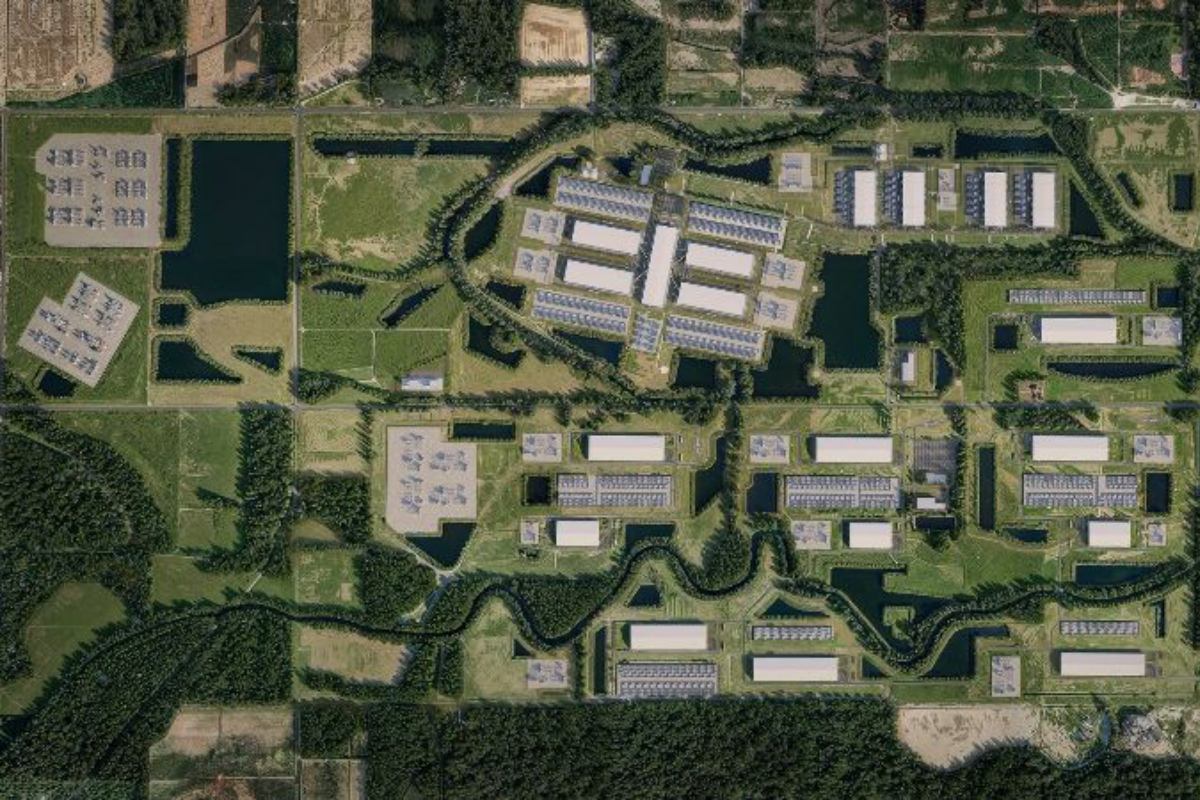
US technology company Meta has increased its investment in its Richland Parish data centre campus in Louisiana, USA, to more than $50 billion (£37.4 billion), expanding the site to almost 10 million square feet (929,030m²) with a planned IT capacity of 5GW. The facility will house Hyperion, Meta's largest AI training cluster, making it the company's biggest data centre campus and one of the largest data centres ever announced. The expansion comes as demand for AI infrastructure continues to increase, with the campus expected to play a significant role in supporting Meta's AI operations. Expansion brings jobs and energy investment The project is expected to support up to 7,500 construction jobs at peak activity, alongside approximately 1,000 operational roles. Louisiana Economic Development estimates the development will also generate around 1,900 indirect jobs across the region. Meta says it has already awarded more than $1.6 billion (£1.1 billion) in contracts to Louisiana businesses and has invested over $1 million (£748,000) in community projects across Richland Parish since construction began. The company has also established workforce partnerships with local colleges and training providers to support careers in skilled trades and data centre operations. The expansion is supported by an agreement with Entergy Louisiana, which includes investment in new electricity infrastructure comprising seven natural gas-fired power stations, three grid-scale battery projects, potential nuclear generation developments, and additional purchased power. Meta has also committed to funding up to 2.5GW of renewable energy and says it plans to return 100% of the site's water consumption to local watersheds through restoration and water infrastructure projects. Rachel Peterson, Vice President of Data Centers at Meta, comments, "From the beginning, this project has always been about more than building infrastructure; it's about building alongside the community. "The people, workforce, and partnership we've found in Louisiana have enabled this project to be a cornerstone of our global infrastructure. "With more than $1.6 billion already contracted with local companies and thousands of jobs being supported, we're delivering real economic impact alongside the AI infrastructure that will power the future." For more from Meta, click here.

Schneider calls for collaboration on London data centres
Global energy technology company Schneider Electric has brought together organisations from across the public and private sectors to discuss the infrastructure challenges facing London's data centre market and the collaboration needed to support future AI growth. Held in partnership with Opportunity London and SEGRO, the roundtable explored how London can maintain its position as Europe's largest data centre hub while addressing growing demand for digital infrastructure. The event, chaired by Laura Citron, Chief Executive of London & Partners, included representatives from government, local authorities, energy companies, data centre operators, real estate, and the wider technology sector. Participants discussed the need for greater coordination around planning, electricity infrastructure, land availability, water use, and emerging technologies such as liquid cooling. The discussions also highlighted the importance of improving understanding of data centre requirements among policymakers as demand for AI and cloud infrastructure continues to grow. The roundtable also examined the role of data centres as critical national infrastructure (CNI) and their contribution to economic growth and AI development. Industry highlights need for coordinated infrastructure planning Matthew Baynes (pictured above), Vice President, Secure Power UK & Ireland at Schneider Electric, says, "Today, there remains a fundamental gap between how policymakers perceive and understand data centres [and] how the industry actually operates. "Decisions around planning, land allocation, and power provision are being made without a complete picture of what's required to meet the AI opportunity, and the UK now risks losing ground to markets where that understanding is far more mature. "As the UK's largest data centre hub, and its default AIGZ, London offers all the advantages needed to lead, but closing the gap between ambition and action is not optional; it is the prerequisite for success." Jace Tyrrell, Chief Executive of Opportunity London, adds, "Data centres are no longer a niche; they are foundational to London’s future economic growth, AI ambitions, and global competitiveness." Maria Jose Rivas-Duarte, Director of Sustainability at Pure Data Centres, also says the discussions demonstrated the importance of collaboration between industry, policymakers, and local communities to support responsible digital infrastructure development, while Luisa Cardani, Head of the Data Centres Programme at techUK, notes the UK's data centre sector has significant potential to contribute to economic growth, but that achieving this will require coordinated action between government and industry. For more from Schneider Electric, click here.


Translate »