Insights into Data Centre Investment & Market Growth

Data centre spending to quadruple by 2029 across UK
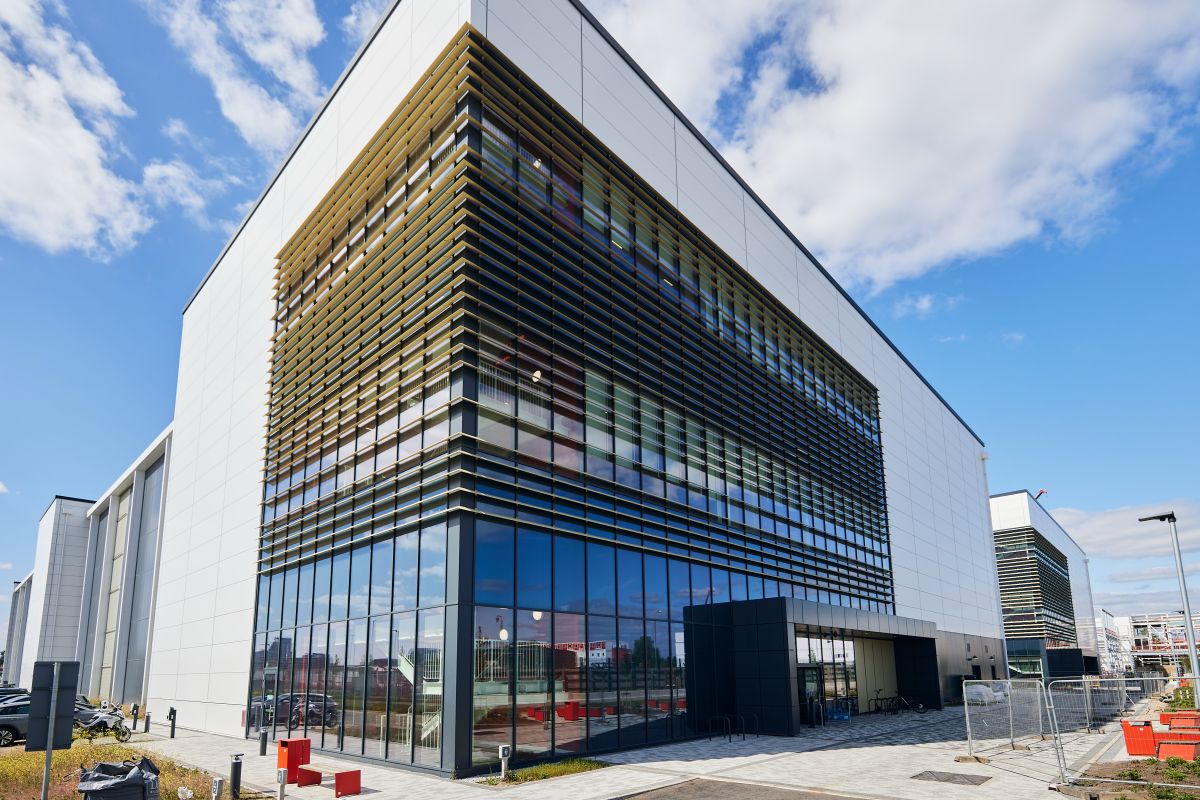
Spending on new data centres across Britain is set to reach an incredible £10 billion per year by 2029, according to new analysis by construction data experts Barbour ABI. That is more than four times as much as the current £1.75 billion being spent per annum. Atop this, the report states that, as investors seek cheaper land costs and cooler climates, the data centre drive will spread north - away from just London - and into Wales. Nearly 100 data centres are currently in planning, with strong growth driven by demand from AI technologies and the internet of things (IoT). The impact of this rapid growth “With exponential growth of this kind, sustainability must be at the forefront of industry strategy if we are to avoid an environmental disaster,” notes Ed Griffiths, Head of Business and Client Analytics at Barbour ABI. “Data centres are now recognised as Critical National Infrastructure (CNI). However, given the immense power they consume, operators will come under growing pressure to adopt greener practices. “While many firms are pledging to use 100% renewable energy and implement energy-efficient technologies, there is currently no requirement to report energy usage publicly, so it will be difficult to hold them to account.” As the need for data processing accelerates, the market is forecast to attract over £25 billion in inward investment over the next five years, according to Barbour’s latest data centre construction market report. This surge in capital is reshaping the data centre construction landscape, with a rapid pipeline of new developments already underway. Hyperscale facilities outside of urban areas Growth is being supported by government initiatives such as 'AI Growth Zones', which aim to streamline the planning process and support the delivery of new infrastructure. “The impact of AI is one of the most significant trends shaping the future of the data centre industry,” continues Ed. “As AI technologies become integrated into daily operations, the need for high-performance data centres is becoming critical. "Operators are investing in hyperscale facilities outside of urban areas, designed to manage immense computing workloads.” While London and the Southeast have traditionally dominated the sector, data centre development is now expanding nationwide. Barbour ABI found that regions such as the Northeast, East of England, and Wales are becoming increasingly attractive for new projects. This shift is being driven by greater land availability, lower costs, cooler climates, access to renewable energy, and targeted regional growth policies. The UK’s largest planned data centre project is located at Northumberland Energy Park in Blyth. Backed by US asset management firm Blackstone, the development is expected to be worth £10 billion. Whilst the sector seems ripe for investors looking for big wins in the next few years, Ed does add a note of caution, stating, “While the headline story for data centres is one of growth and innovation, the industry faces real challenges. "Rising energy costs, constraints on supply and land, planning barriers, and a shortage of skilled labour could all affect the pace of expansion.”

Stellanor acquires eight DCs from Redcentric
Data centre operator Stellanor Datacenters, backed by a fund managed by global investment manager DWS, has announced the acquisition of eight strategic data centre sites from Redcentric, currently serving approximately 450 clients. The move marks a milestone in Stellanor’s broader strategy to be a major platform of regional data centres serving national and international enterprises as well as service providers with a need for wholesale and AI inference data centre capacity. Stellanor says it is creating a new generation of regional data centres, designed for proximity, performance, sustainability, and accessibility. As digital services become increasingly critical to business operations, the demand for secure, scalable, and locally hosted infrastructure is accelerating. Enterprise adoption of generative AI and real-time analytics will significantly accelerate this trend, particularly at the edge. Stellanor believes its growing network of urban and near-urban facilities are well positioned to meet the requirements of enterprise and AI-driven workloads of customers across the country. Steve Scott, CEO at Stellanor, argues, “We’re building infrastructure for the future, where data is generated, processed, and protected at the edge. Our goal is to set a new benchmark for high-performance, community-conscious data centres in Northern Europe. "Our focus is always on our customers, who will receive the highest standard of service. We look forward to growing our business alongside them and serving their future colocation needs.” Strategic UK expansion The newly acquired sites are strategically located in London, Reading, Cambridge, Woking, Gatwick, Byfleet, and West Yorkshire. The sites are seen as attractive given their high-density colocation capabilities, security standards, and sustainable operations powered by 100% renewable energy. Aparna Narain, Partner at DWS, comments, “The acquisition of RDC by Stellanor represents a transformative step in expanding our UK footprint to ten, high-quality, strategically located assets with 36MW of secured grid capacity and a blue-chip customer base. “We see significant long-term value in building resilient, scalable, and sustainable infrastructure that supports the UK’s digital economy.” With this acquisition, Stellanor will operate ten data centres across the UK, with plans for continued expansion across the UK and Nordics, focusing on service quality.

Planera secures $8m to support data centre expansion
Planera, a US provider of construction scheduling and planning software, has announced an additional $8 million (£6 million) in funding to expand its work within the data centre construction sector. The company, which develops collaborative scheduling software for construction projects, says the funding will support wider adoption among contractors and subcontractors involved in complex data centre builds. The latest investment follows the company’s 2024 Series A round and brings total funding to $26.5 million (£19.9 million). According to Planera, the new capital will be used to enhance its platform and deepen engagement with data centre clients. Supporting large-scale construction projects Planera says it has developed tailored services for data centre contractors, supported by a dedicated team with experience in mission-critical construction. The company has also introduced new AI tools designed to identify potential schedule risks earlier and improve project delivery timelines. Current customers include: • HITT Contracting, which uses Planera to improve visibility on data centre project progress and accelerate delivery. • Ralph L. Wadsworth (RLW), which employs Planera to coordinate complex builds for major technology clients, helping to improve collaboration and reduce schedule compression. • Ryan Companies US, which uses the platform for collaborative scheduling, subcontractor resource analysis, and integration with master schedules. Industry research highlights the scale of the sector’s growth, as Grand View Research estimates the global data centre market at around $347.6 billion (£261.7 billion) in 2024, rising to $652 billion (£490.9 billion) by 2030. Arizton reports that data centre construction will grow from $91.9 billion (£69.1 billion) in 2024 to more than $214 billion (£161.1 billion) by 2030, driven by investment in hyperscale and AI infrastructure. Nitin Bhandari, CEO of Planera, comments, “With data centre demand increasing worldwide, our customers need modern, collaborative scheduling tools that can match the scale and complexity of these projects. "This new funding will help us focus further on mission-critical work while continuing to support customers across other segments.” The funding round includes participation from Sorenson Capital, Sierra Ventures, Prudence, Brick and Mortar Ventures, Zachry Construction Corporation, and other industry investors. Ken Elefant, Managing Director of Sorenson Capital, suggests, “The adoption of AI is driving intense demand for new data centre capacity. Delays on large-scale projects can have significant financial implications and Planera is well positioned to help contractors deliver on time.” Ranjeet Gadhoke, Vice President of Project Controls at Zachry Construction Corporation, adds, “We use Planera across all our projects and have seen the value it brings to planning and scheduling. This investment reflects our confidence in the platform and its contribution to greater efficiency.” Todd Von Krosigk, Senior Superintendent at HITT Contracting, concludes, “To meet growing data centre demand, we require modern scheduling technology that can keep pace. Planera has become a key partner, giving our teams improved visibility and control.”

365 Data Centers appoints new CEO and President
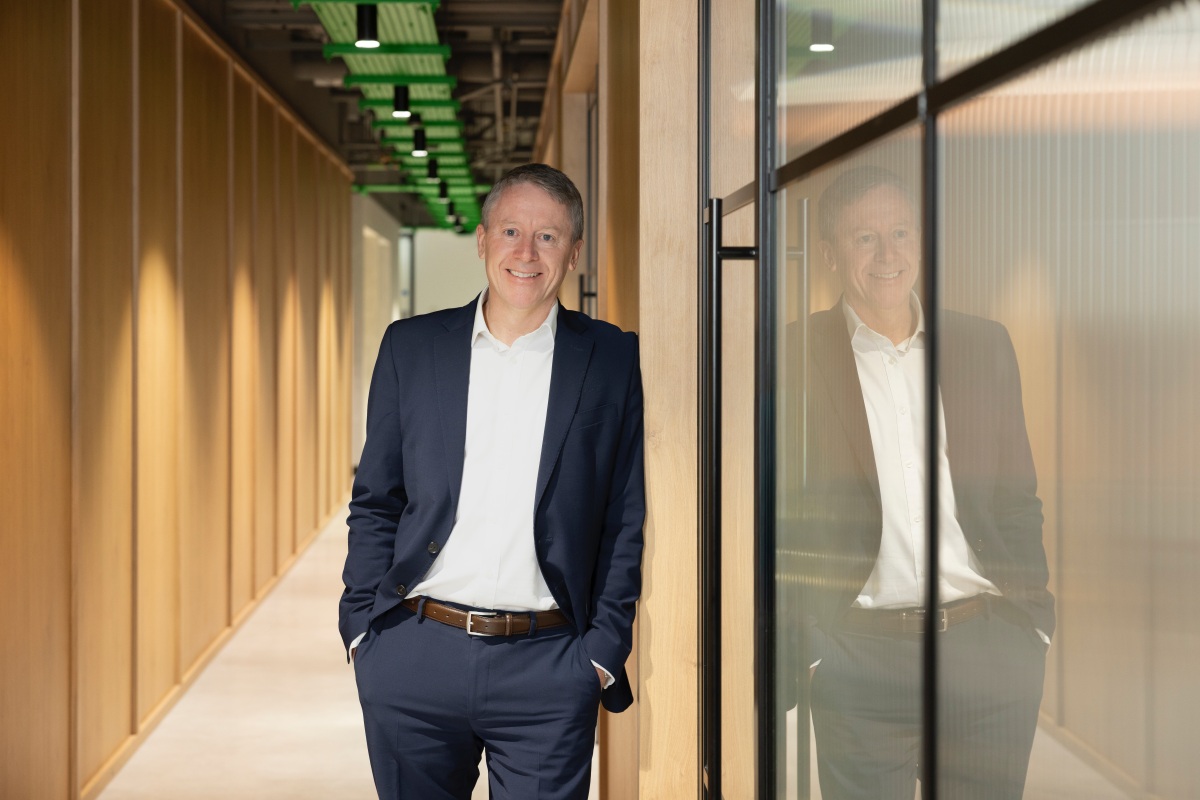
365 Data Centers (365), a provider of network-centric colocation, network, cloud, and other managed services, has announced the appointment of Derek Gillespie as Chief Executive Officer (CEO) and Steve Amelio as President. This leadership transition follows the planned retirement of co-founder and CEO Bob DeSantis, who will continue to serve as a Board Member and strategic advisor to the company. Who's who Derek Gillespie brings over two decades of experience across the data centre and telecommunications industries. The company says that since joining 365 as CRO in 2024, Derek has played a role in expanding the company’s market reach, strengthening customer relationships, and executing strategic acquisitions. He will continue to act as CRO in addition to taking on the new role of CEO. Steve Amelio, who has been with 365 since 2019, has reportedly helped build the company’s operational and financial foundation. As well as becoming President, he will continue to serve as CFO, overseeing finance and administration while leading day-to-day operations to ensure continued customer satisfaction and scalable growth. Bob DeSantis, co-founder and Board Member of 365 Data Centers, comments, “Derek and Steve have been central to 365’s success and are ideally suited to lead the company into its next phase of growth. “Their leadership, deep industry expertise, and shared vision will ensure continuity while propelling the company forward as a trusted infrastructure-as-a-service and managed services provider.” During Bob’s tenure, 365 has transformed from a collection of eight standalone data centres into a US-wide, interconnected platform with 20 facilities, 80MW of capacity, 1,200 customers, and a network spanning key edge markets. “We are honoured to carry forward the incredible momentum that Bob and the team have built,” says Derek Gillespie, CEO at 365 Data Centers. “Our focus remains on delivering reliable, high-performance infrastructure solutions that empower our customers to grow and innovate.” “This is an exciting time for 365,” adds Steve Amelio, President of 365 Data Centers. “We look forward to building upon our strong operational backbone and customer-first culture as we continue to scale and strengthen our network-centric platform.” For more from 365 Data Centers, click here.

Turkish interconnection market projected to double by 2030
According to a new study by DStream Group, commissioned by internet exchange (IX) operator DE-CIX, Istanbul is emerging as a global digital hub and a key interconnection point for data traffic between Europe, the Middle East, and Central Asia. The findings were published to mark the tenth anniversary of DE-CIX Istanbul, Turkey’s largest neutral internet exchange. Over the past decade, the country has moved from a fragmented digital landscape to one of regional integration and growing global importance. Istanbul’s role as a digital hub The study highlights that Turkey has made notable progress in digital infrastructure, with Istanbul at the forefront. A combination of location, an expanding internet exchange market, and rising demand for data services has strengthened the city’s role in regional connectivity. Istanbul’s data centre market is also expanding, supported by demand for cloud services, digital transformation, content delivery, and wider internet penetration. The report forecasts that the city’s interconnection market will exceed 150 networks and carry multi-terabit-per-second traffic by 2030, nearly double today’s levels. Turkey’s position as a land bridge between Europe and Asia offers additional resilience for international connectivity. Nationwide fibre coverage and submarine cable systems landing in the country link directly with more than 20 neighbours, creating alternative routes for data flows. Land-based connections also provide redundancy to European submarine routes, strengthening reliability. Other cities, including Ankara, Izmir, and Van, are also emerging as infrastructure hubs, contributing to a more distributed national network. DE-CIX Istanbul’s role Established in 2015, DE-CIX Istanbul is the country’s first and largest neutral internet exchange, enabling low-latency data exchange between more than 60 networks. The exchange now operates across over ten colocation sites in the city, providing geographic redundancy. According to DE-CIX, 93% of international networks in Istanbul peer through its platform. This has attracted global operators, encouraged development of land-based routes, and most recently supported the launch of an AWS cloud onramp in the city. Bülent Sen, Regional Director of DE-CIX Türkiye, says, “Turkey is no longer just a gateway; it’s becoming a destination for digital investment. We are already seeing massive growth at the exchange. "In early August, the IX surpassed 500 Gbit/s of throughput for the first time, and in September 2025, peak traffic exceeded 533 Gbit/s - up 42% since the start of the year. We expect this trend to continue, driven by the adoption of artificial intelligence, which many businesses now rank as a top investment priority.” Looking to the next decade, DE-CIX predicts that AI and satellite internet will reshape demand for connectivity. Ivo Ivanov, CEO of DE-CIX, adds, “With a commitment to neutrality, DE-CIX Istanbul is poised to anchor regional data flows and support the digital future of the whole region. "AI and satellite-based internet will significantly reshape the connectivity landscape in the coming decade. Turkey is well-placed to play a major role in this transformation.” The study suggests Turkey should focus on attracting hyperscale cloud providers, increasing CDN deployments, and broadening its interconnection ecosystem. It also recommends regulatory reform, greater infrastructure liberalisation, and stronger public-private partnerships to support the country’s digital economy. For more from DE-CIX, click here.

Ciena to acquire Nubis Communications in $270m deal
Ciena, an American networking systems and software company, has announced an agreement to acquire Nubis Communications, a privately held company based in New Providence, New Jersey, USA, in an all-cash transaction valued at $270 million (£199 million). Nubis specialises in high-performance, low-power optical and electrical interconnects designed to support artificial intelligence (AI) workloads. The acquisition is hoped to strengthen Ciena’s data centre strategy by adding new technologies and expanding its engineering expertise. Expanding data centre interconnect capabilities Nubis’ technology is focused on increasing scale and density inside the data centre to handle growing AI traffic. Its portfolio includes: • Co-Packaged Optics (CPO) and Near Packaged Optics (NPO) — high-density optical modules capable of 6.4 Tb/s full-duplex bandwidth, optimised for low-latency, low-power operation. Combined with Ciena’s SerDes, these engines enable advanced interconnects for rack-to-rack and in-rack connectivity. • Electrical Active Copper Cables (ACC) — analogue electronics that extend copper connectivity up to 4 metres at 200 Gb/s per lane, offering a low-power, low-latency alternative to traditional copper or DSP-based approaches. In addition, more than 50 Nubis engineers will join Ciena’s research and development team, strengthening its technical capabilities inside the data centre. David Rothenstein, Chief Strategy Officer at Ciena, says, “The acquisition of Nubis represents a significant step forward in Ciena’s strategy to address the rapidly growing demand for scalable, high-performance connectivity inside the data centre, driven by the explosive growth of AI-related traffic. "With ownership of these key technologies for a wider range of use cases inside the data centre, we are expanding our competitive advantage by advancing development of differentiated solutions, reducing development costs, and driving long-term efficiency and profitability.” Dan Harding, CEO of Nubis, adds, “The Nubis team is thrilled to join Ciena and enhance its portfolio with our interconnect technologies. Together, we will advance Ciena's data centre strategy by delivering reliable and high-performance solutions to support the next generation of AI workloads.” Transaction details The acquisition has been approved by the boards of both companies and Nubis shareholders. It includes customary purchase price adjustments for cash, debt, and working capital, along with employee retention arrangements. The deal is expected to close during Ciena’s fiscal fourth quarter of 2025, subject to standard closing conditions. For more from Ciena, click here.

DataPro+ launches job board and social network
DataPro+ has launched what it describes as the first AI-powered job board and professional network dedicated to the global data centre industry. The platform features more than 7,500 live job listings from employers worldwide and a pre-registered community of over 40,000 professionals. Alongside recruitment, it offers a closed professional network for the industry, providing space for knowledge sharing, news, and career development. Features of the platform DataPro+ combines job listings with AI-driven tools and professional networking. Key functions include: • AI job matching to connect candidates and roles more quickly• Global job aggregation to provide a single access point for industry opportunities• Automated distribution of vacancies across aggregators, social channels, and newsletters, with optimisation for reach and applications• Performance tracking to boost jobs where they receive the best engagement• Exclusive community features for data centre professionals to connect and share updates• Industry hub tools including job alerts, events, and insights• Next-generation support for students, graduates, and apprentices exploring career paths in the sector Josh Young, Managing Director of DataPro+, says, “Our vision with DataPro+ is bigger than just jobs. We’re building the first dedicated hub where the data centre workforce can not only find opportunities, but also connect, share ideas, and strengthen the next generation of talent. "Our AI technology ensures jobs don’t just sit on a site; they’re actively distributed, optimised, and delivered to the right professionals. LinkedIn is for everyone, DataPro+ is for our industry.” Employers can advertise roles and access branding, marketing, and sponsorship packages to reach the industry workforce. DataPro+ says early sponsors will gain enhanced visibility across the platform’s job board, community, and news channels.

DataX Connect's salary survey results are in
UK data centre recruitment company DataX Connect has today, on National Data Centre Day, released the results of its 2025 Data Centre Salary Survey, coinciding with the company’s fifth anniversary of its founding. The study, which draws on insights from over 1,500 data centre professionals across Europe and the United States, reveals an industry that continues to offer strong pay and rapid progression, but also faces challenges around retention, satisfaction, and pay fairness. With demand for digital infrastructure only increasing, competition for skilled talent is fiercer than ever. The report shows that while salaries are rising, money alone is no longer enough to keep professionals engaged. The key findings • Pay rises ≠ retention — One in five professionals who received a pay increase last year still plan to leave their role. Overall, around 40% of respondents intend to change jobs within the next 12 months. • Women earn less — DataX Connect suggests the "gender pay gap persists across all levels of seniority." • Young professionals are progressing fast — One in five professionals with less than five years’ experience, and 30% of under 35s, already hold senior roles. Ambitious, early-career employees are finding fast routes to progression in the sector. Those aged 18–24 are already earning an average salary of £64k, showing what’s possible for ambitious young talent in this space. • Competitive pay, low satisfaction — While more than half of respondents believe data centre pay is more competitive than other industries, only one in five are truly satisfied with their compensation. The frustration often comes down to bonuses that feel out of reach or benefits that "aren’t cutting it." Looking ahead The findings highlight that, while the data centre sector is a lucrative industry, the next 12 months could contain a critical turning point. Businesses that invest in fairer pay structures and more transparent rewards could have the edge in attracting and retaining great talent. "The takeaway from this year’s survey is clear: the industry’s doing well, but salary alone won’t solve the bigger challenges," says Andy Davis, Director at DataX Connect and Data eXec. "If we’re serious about retention and satisfaction, we’ve got to do more than just pay competitively.”

EcoDataCenter secures €600m for expansion
Swedish sustainable data centre operator EcoDataCenter has raised €600 million (£518 million) in debt financing from Deutsche Bank Private Credit and Infrastructure to support the continued growth of its data centre operations. The funding will be used to expand its campuses in Falun and Borlänge, Sweden, where the company is developing facilities focused on high-performance computing and artificial intelligence (AI) workloads. Financing to drive AI data centre growth EcoDataCenter has been expanding rapidly over the past two years. In 2024, it partnered with AI provider CoreWeave to build one of Europe’s largest AI clusters in Falun, and later that year it acquired the former Kvarnsveden paper mill in Borlänge to convert the site into additional data centre capacity. With the latest funding, EcoDataCenter and its owner, Areim, have now secured a total of around €1.8 billion (£1.5 billion) since 2023. Peter Michelson, CEO of EcoDataCenter, says, “AI infrastructure is a new base industry and we are building one of Europe’s most exciting companies in the sector. We are proud of the trust placed in us and look forward to continuing our journey towards becoming Europe’s leading player in high-performance data centres.” Johan Rydmark, CFO of EcoDataCenter, adds, “Our platform attracts partnerships with world-leading companies and we have a proven ability to deliver the scale and flexibility our customers demand. "The fact that we can attract financing of this magnitude is a testament to the strength of our business model and the confidence the market has in our team and strategy.” EcoDataCenter opened its first site in Falun in 2019 and has since expanded its footprint to meet growing demand for compute-intensive workloads. Its customer base includes organisations such as BMW, DeepL, and CoreWeave. LionTree Advisors acted as financial advisor and White & Case LLP served as legal counsel for the transaction. For more from EcoDataCenter, click here.

ODATA secures $1.02bn green financing for data centres
ODATA, a Latin American data centre provider and part of Aligned Data Centers, has secured $1.02 billion (£757 million) in green financing to support sustainable data centre infrastructure across Latin America. It is the largest financing of its kind in the region’s data centre sector, bringing ODATA’s total funding to $2.25 billion (£1.67 billion). The financing will be directed towards projects that meet sustainability benchmarks, including renewable energy use, improved efficiency, and responsible construction practices. Supporting sustainable growth in Latin America "This historic achievement, representing the largest issuance of sustainable data centre financing in Latin America, has allowed ODATA to build a solid financial structure," says Rafael Bomeny, CFO of ODATA. "With these high-quality resources, we're incredibly well-positioned to empower our customers in their digital infrastructure expansion across the region. "This green financing also reinforces our mission to contribute to Latin America's sustainable development by leading the way in adopting innovative technologies that drive a more efficient future for our customers and communities." Funding has been provided by a syndicate of international banks, including Apterra, BNP Paribas, Crédit Agricole CIB, Deutsche Bank, MUFG Bank, Natixis, Nomura, Société Générale, and SMBC. The new investment will support projects in Brazil, Mexico, Chile, and Colombia, strengthening ODATA’s position in the regional market and enabling cloud and AI infrastructure growth. Innovation and energy strategy "Sustainability is a top priority for ODATA," Rafael continues. "In addition to major investments in renewable energy, we adopt designs that seek the highest levels of energy efficiency without wasting water. "With this new green financing, we can continue contributing to the development of Latin America’s digital infrastructure while upholding the highest standards of sustainability." ODATA is the first hyperscale data centre operator in Latin America to self-produce 100% renewable energy in Brazil. The company has also introduced the Delta Cube (Delta³) air-cooling system, developed by Aligned Data Centers, which supports high-density power loads of up to 50kW per rack and can integrate with liquid cooling technologies. For more from ODATA, click here.


Translate »