Siemens develops AI data centre reference architecture
Author: Joe Peck
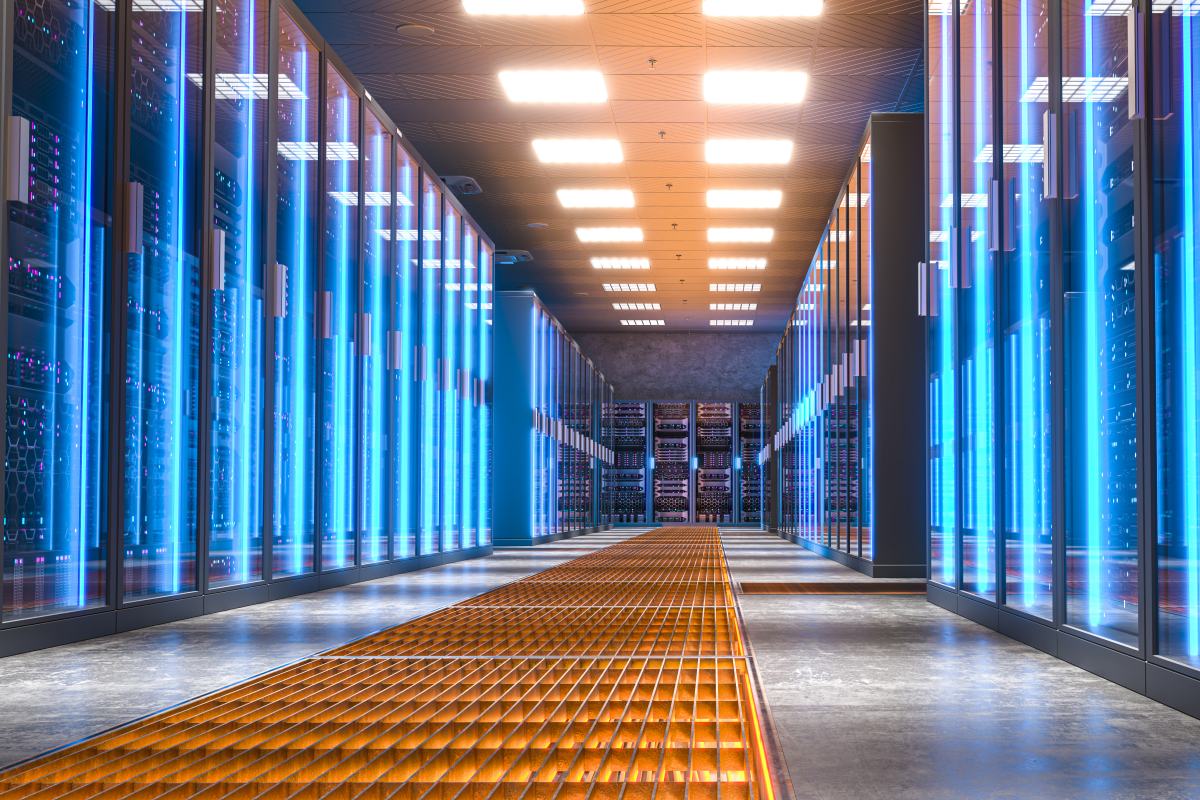
German multinational technology company Siemens has worked with NVIDIA and Fluence to develop a reference architecture aligned with NVIDIA DSX Vera Rubin, providing an electrical, power, and controls framework for hyperscalers, colocation providers, and cloud infrastructure operators deploying AI data centres.
As AI workloads continue to drive demand for larger-scale infrastructure, platforms such as NVIDIA Vera Rubin NVL72 are increasing requirements for power and cooling. Data centre operators must also address challenges including site selection, grid connectivity, capital expenditure, and deployment times while integrating emerging technologies.
The reference design, as a response to this, is based on a 136MW facility with a 100MW IT load. It covers the electrical infrastructure from the utility connection at 34.5kV through medium-voltage distribution, modular low-voltage power blocks, and rack-level interfaces.
The architecture is designed to meet Tier III concurrent maintainability requirements, allowing individual components to be taken out of service without affecting IT operations. The modular design also allows capacity to be added in phases, supporting deployments ranging from 10s of megawatts to 100s of megawatts without requiring a complete redesign.
The reference architecture incorporates electrical design parameters aligned with nVent and NVIDIA requirements, and a future update is expected to add advanced thermal management guidance.
Sara Zawoyski, President of nVent Systems Protection, says, “nVent has deployed more than two gigawatts of liquid cooling capacity globally. That operational experience is what allows us to help partners like Siemens translate reference architectures into deployable thermal solutions that perform reliably from day one at this scale.
“Platforms like NVIDIA Vera Rubin NVL72 are pushing rack densities well beyond what traditional air-cooled infrastructure can support.”
Supporting large-scale AI infrastructure
According to Siemens, the architecture is designed to support high-density AI deployments while maintaining compatibility with future IT platforms and changing energy requirements. It also supports NVIDIA DSX MaxLPS and is intended to help operators maximise computing output within fixed power limits.
Ruth Gratzke, President of Siemens Smart Infrastructure USA, states, “Siemens’ deep expertise in power systems and controls engineering, modular infrastructure, protection, and industrialised delivery is really evident in this latest joint reference architecture design.
“Our pre-engineered, prefabricated, and factory-tested medium- and low-voltage skids help minimise on-site construction complexity, shorten commissioning cycles, and improve quality, safety, and repeatability across deployments.
“Further, our automation and digital twin strategies deployed in this reference help ensure that facilities are brought online faster and with greater potential to produce tokens at scale.”
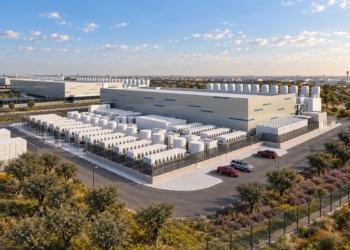
The design also incorporates battery energy storage technology from Fluence to provide additional operational flexibility and resilience.
Jeff Monday, Chief Growth Officer at Fluence, suggests, “Our Smartstack platform is central to this new architecture, transforming the grid into an accelerator for compute.
“By providing essential capabilities like voltage and frequency ride through, black start, grid demand response, and AI load smoothing, we are enabling our customers to build the AI factories of the future faster and more reliably.”
The architecture also includes integration with a centralised data centre management platform, providing visibility across power, cooling, and compute infrastructure through a single management interface.
For more from Siemens, click here.