The blueprint for tomorrow’s sustainable data centres
Author: Joe Peck
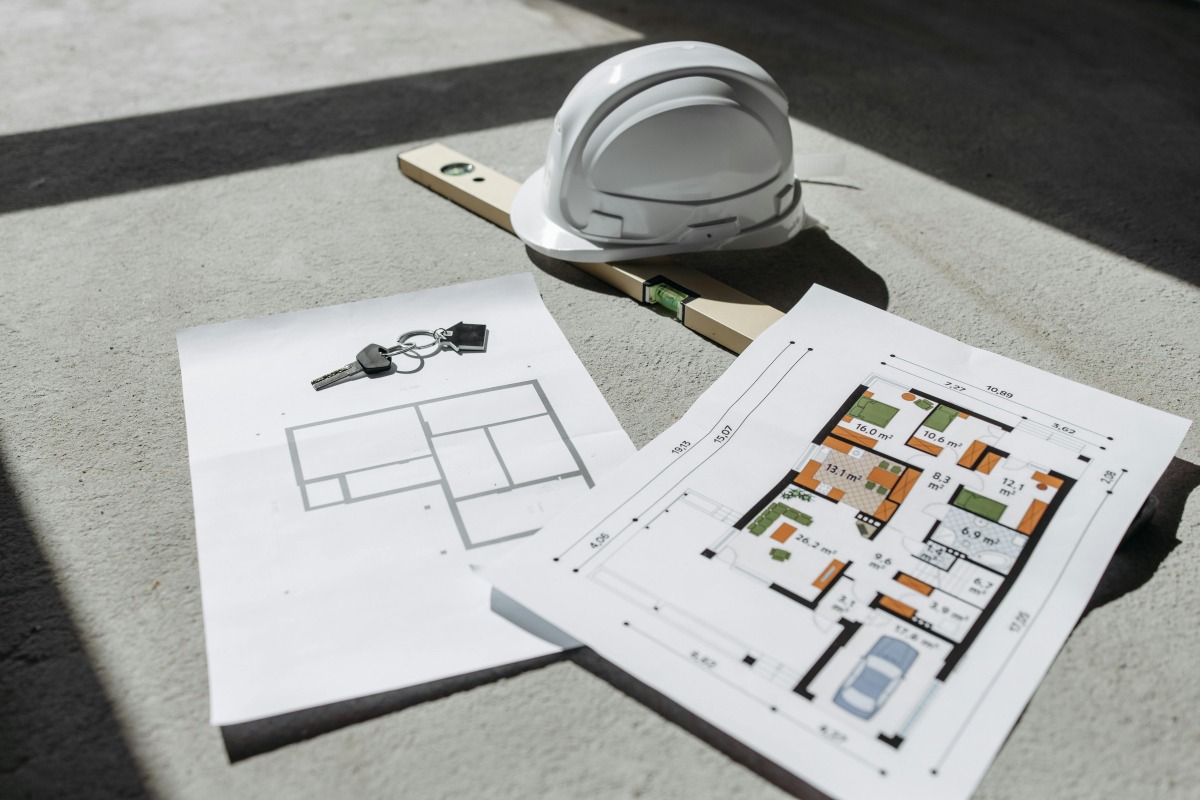
In this exclusive article for DCNN, Francesco Fontana, Enterprise Marketing and Alliances Director at Aruba, explores how operators can embed sustainability, flexibility, and high-density engineering into data centre design to meet the accelerating demands of AI:
Sustainable design is now central to AI-scale data centres
The explosive growth of AI is straining data centre capacity, prompting operators to both upgrade existing sites and plan large-scale new-builds. Europe’s AI market, projected to grow at a 36.4% CAGR through 2033, is driving this wave of investment as operators scramble to match demand.
Operators face mounting pressure to address the environmental costs of rapid growth, as expansion alone cannot meet the challenge. The path forward lies in designing facilities that are sustainable by default, while balancing resilience, efficiency, and adaptability to ensure data centres can support the accelerating demands of AI.
The cost of progress
Customer expectations for data centres have shifted dramatically in recent years. The rapid uptake of AI and cloud technologies is fuelling demand for colocation environments that are scalable, flexible, and capable of supporting constantly evolving workloads and managing surging volumes of data.
But this evolution comes at a cost. AI and other compute-intensive applications demand vast amounts of processing power, which in turn place new strains on both energy and water resources. Global data centre electricity usage is projected to reach 1,050 terawatt-hours (TWh) by 2026, placing data centres among the world’s top five national consumers.
This rising consumption has put data centres firmly under the spotlight. Regulators, customers, and the wider public are scrutinising how facilities are designed and operated, making it clear that sustainability can no longer be treated as optional. To survive amongst these new expectations, operators must balance performance with environmental responsibility, rethinking infrastructure from the ground up.
Steps to a next-generation sustainable data centre
1. Embed sustainability from day one
Facilities designed ‘green by default’ are better placed to meet both operational and environmental goals, and this why sustainability can’t be an afterthought. This requires renewable energy integration from the outset through on-site solar, hydroelectric systems, or long-term clean power purchase agreements.
Operators across Europe are also committing to industry frameworks like the Climate Neutral Data Centre Pact and the European Green Digital Coalition, ensuring progress is independently verified. Embedding sustainability into the design and operation of data centres not only reduces carbon intensity but also creates long-term efficiency gains that help manage AI’s heavy energy demands.
2. Build for flexibility and scale
Modern businesses need infrastructures that can grow with them. For operators, this means creating resilient IT environments with space and power capacity to support future demand. Offering adaptable options – such as private cages and cross-connects – gives customers the freedom to scale resources up or down, as well as tailor facilities to their unique needs.
This flexibility underpins cloud expansion, digital transformation initiatives, and the integration of new applications – all while helping customers remain agile in a competitive market.
3. Engineering for the AI Workload
AI and high-performance computing (HPC) workloads demand far more power and cooling capacity than traditional IT environments, and conventional designs are struggling to keep up.
Facilities must be engineered specifically for high-density deployments. Advanced cooling technologies, such as liquid cooling, allow operators to safely and sustainably support power densities far above 20 kW per rack, essential for next-generation GPUs and other AI-driven infrastructure.
Rethinking power distribution, airflow management, and rack layout ensures high-density computing can be delivered efficiently without compromising stability or sustainability.
4. Location matters
Where a data centre is built plays a major role in its sustainability profile, as regional providers often offer greater flexibility and more personalised services to meet customer needs.
Italy, for example, has become a key destination for new facilities. Its cloud computing market is estimated at €10.8 billion (£9.4 billion) in 2025 and is forecast to more than double to €27.4 billion (£23.9 billion) by 2030, growing at a CAGR of 20.6%. Significant investments from hyperscalers in recent years are accelerating growth, making the region a hotspot for operators looking to expand in Europe.
5. Stay compliant with regulations and certifications
Strong regulatory and environmental compliance is fundamental. Frameworks such as the General Data Protection Regulation (GDPR) safeguard data, while certifications like LEED (Leadership in Energy and Environmental Design) demonstrate energy efficiency and environmental accountability.
Adhering to these standards ensures legal compliance, but it also improves operational transparency and strengthens credibility with customers.
Sustainability and performance as partners
The data centres of tomorrow must scale sustainably to meet the demands of AI, cloud, and digital transformation. This requires embedding efficiency and adaptability into every stage of design and operation.
Investment in renewable energy, such as hydro and solar, will be crucial to reducing emissions. Equally, innovations like liquid cooling will help manage the thermal loads of compute-heavy AI environments. Emerging technologies – including agentic AI systems that autonomously optimise energy use and breakthroughs in quantum computing – promise to take efficiency even further.
In short, sustainability and performance are no longer competing objectives; together, they form the foundation of a resilient digital future where AI can thrive without compromising the planet.
For more from Aruba, click here.