Power supply options for data centres
Author: Joe Peck
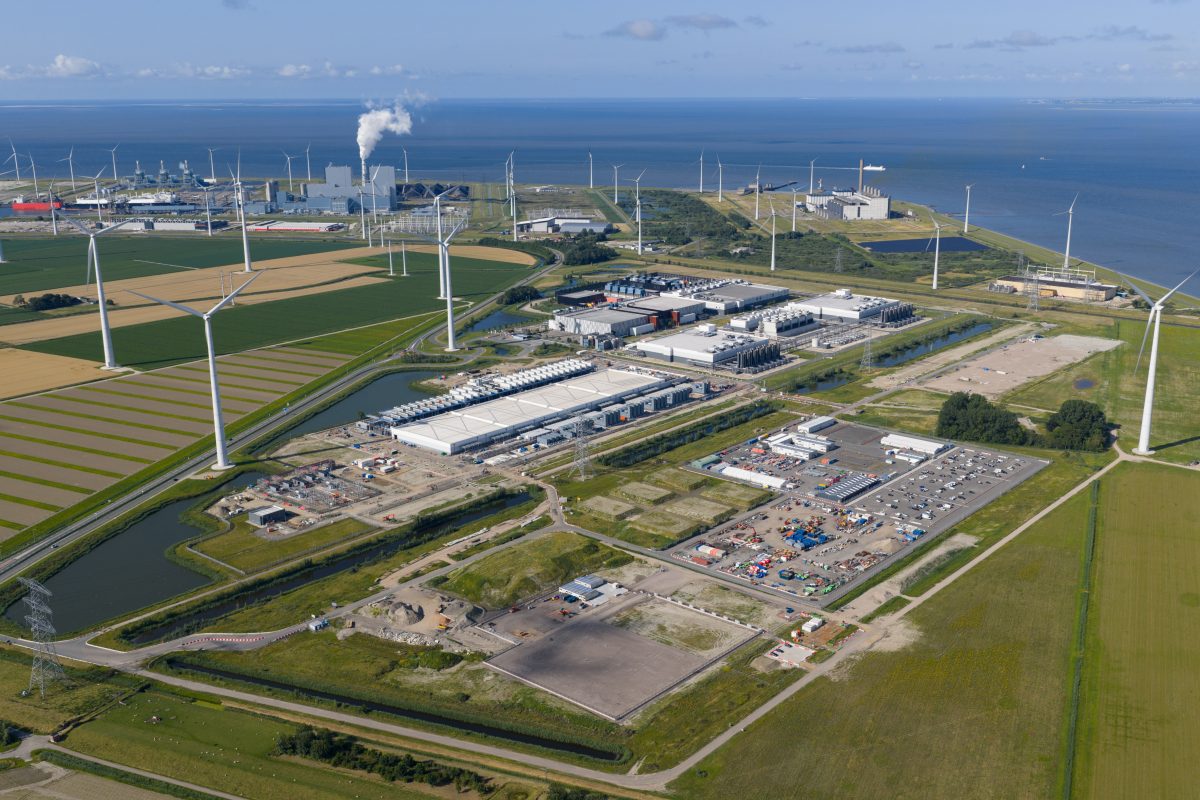
In this exclusive article for DCNN, Tania Arora and James Wyatt, Partners at Baker McKenzie (London), examine the evolving landscape of data centre power supply, highlighting why a tailored approach – blending grid connections, on-site generation, microgrids, and emerging technologies such as SMRs and battery energy storage – is increasingly essential for resilience, sustainability, and commercial optimisation:
No universal solution
Data centres presently require considerable energy resources, with projections indicating a marked increase in their consumption in the coming years. Securing a steady, sufficient, reliable, and scalable power supply is crucial for the financing, operational success, and long-term resilience of any data centre.
A universal strategy does not exist for procuring power for data centres; each project requires a tailored approach. The market offers a wide range of power supply options and these are frequently combined to address the specific requirements of each project. The exact power procurement strategy for each project is determined by several factors, most notably the location of the data centre, local regulatory frameworks, its current and future operational needs, and the strategy of the developer (particularly considering other assets / other electricity supply arrangements they own). This article considers power procurement options available in the market and how these could be combined to achieve a successful power supply strategy.
The key power supply options available at present include grid power, on-site or adjacent-site power generation, and microgrids (renewable or conventional), supported by backup generators, battery energy storage systems (BESS), and fuel cells. On-site or adjacent-site nuclear power is increasingly viewed as a panacea solution for data centre energy needs, although there are still considerable political, technological, and risk-allocation problems to solve.
Data centres usually connect to public electricity grids, but most grids were not designed for their high load. Upgrades and expansions are often needed, which can be time-consuming and expensive. Sometimes, users must pay for these improvements, and further upgrades may be required if the data centre expands. Furthermore, securing a grid connection is rarely guaranteed; capacity reservations may be needed and are often subject to legal conditions.
In some cases, installing on-site generation and microgrids can help address grid challenges. This could involve constructing solar and wind power plants (supported by BESS), gas-fired power stations, and/or combined heat and power (CHP) units adjacent to the data centre and supplying electricity directly without relying on the public grid.
Furthermore, fuel cell and linear generator systems – as well as small modular reactors (SMRs) – are emerging as low-carbon, scalable power solutions for data centres. While the ongoing costs for self-generated energy are generally much lower, building such a dedicated energy infrastructure typically entails significantly higher upfront costs compared to connecting to the public grid. Furthermore, on-site projects are often constrained by space and planning restrictions, particularly in urban or suburban markets where demand is highest.
Sustainable options
Sustainability is a key consideration for a number of data centre market participants. Even if on-site wind or solar energy is economically viable for a project, these renewables alone cannot provide a stable base load due to their intermittency. To ensure base-load coverage, additional infrastructure such as energy storage systems, fuel cells, and conventional backup generators are required.
SMRs and advanced nuclear technologies are emerging as promising solutions for the rising power needs of data centres. They offer reliable, consistent base-load power, load-following capability, scalable output, low carbon emissions, and a small physical footprint. They can operate independently of the grid or alongside renewables and are designed to be more cost-effective and quicker to deploy than traditional large-scale nuclear plants due to modular construction and established supply chains.
SMRs are becoming a tangible reality for data centres. For example, the UK Government recently provided a considerable amount of support for SMRs for data centres through planning reforms, regulatory acceleration, funding, and explicit policy direction encouraging SMR–data‑centre colocation. However, SMRs face challenges: they are largely unproven and most jurisdictions still lack regulatory frameworks tailored to their unique characteristics. Key considerations for deploying SMRs include understanding local nuclear regulations, licensing and approval processes, decommissioning requirements, nuclear waste management, fuel supply security, and site suitability. Addressing these legal and regulatory issues is essential before SMRs can be widely adopted for data centres.
BESS has become a key part of data centre power strategies, serving not only as resilience infrastructure but also helping to unlock commercial opportunities. It provides load shifting and peak shaving, thus reducing exposure to volatile wholesale prices and network charges by charging during low-cost or high-renewable periods and discharging power at peak demand. BESS also delivers instant backup power during outages and enables participation in grid services for additional revenue. Key issues include permitting and safety (especially for large-scale systems near nuclear or high-voltage facilities), complex grid connection agreements, and risk allocation where BESS is delivered via third-party energy-as-a-service contracts.
Final considerations
The near to mid-term future of data centre power lies in combined strategies. Every option in the combination presents its own distinct legal and commercial considerations. Consequently, as strategies become more complex, market participants should anticipate navigating a greater number of legal issues within the context of rapidly evolving regulatory frameworks.