Hyperscale Data Centres: Scale, Speed & Strategy


Lincoln Rackhouse and Principle Real Estate Investors acquire Atlanta data centre
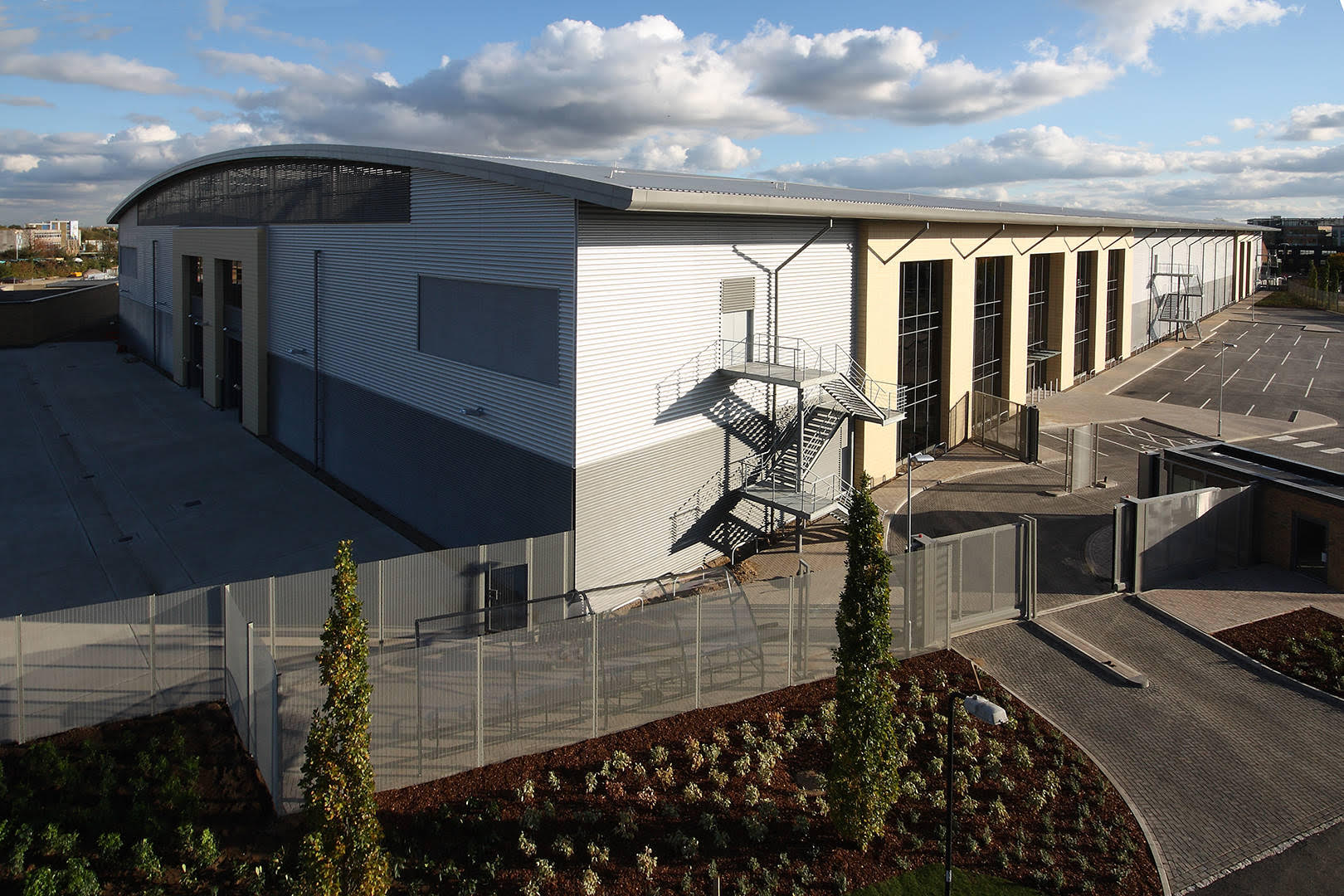
Lincoln Rackhouse has announced the acquisition of a key data centre located in the heart of Atlanta's high-tech corridor. The strategically located data centre is an enterprise-grade, highly secured facility, ready to be deployed to customers' specific design and power requirements. The 185,000 square-foot facility sits on a 38-acre parcel with more than 7MW of capacity, and a design to expand to over 13MW. Furthermore, the site can support a separate 30MW ground-up data centre development, ideal for today's hyperscalers and operators. According to Data Centre Hawk, Atlanta's data centre market continues to grow due to the favourable business climate, competitive colocation and cloud environments, reasonable power costs, low natural disaster risk and robust connectivity. The city has cultivated a tech hub, with more than 55 colocation providers and enterprises calling it home. “We're proud to partner with Principal Real Estate Investors in a market that's quickly become one of the most robust data centre regions in the US,” states Martin Peck, Executive Vice President, Lincoln Rackhouse. “Our plan is to begin the immediate development of additional turn-key critical floor space, that will ultimately align and address our customer's current and future expansion needs.” “This acquisition of a high-quality asset in such a dynamic market provides an excellent addition to our portfolio of data centres,” comments Ben Wobschall, Managing Director, Portfolio Management for Principal Real Estate Investors. “We're thrilled to be able to bring immediate availability and expansion to accommodate our customers’ growth in the South East.” St. Louis based Ascent will continue to provide facilities management, engineering and construction services to the site. Marketing and leasing will be provided by Digital Crossroad and CBRE's Atlanta based data centre solutions team.

Infinidat’s InfiniBox SSA II receives award at the Flash Memory Summit 2022
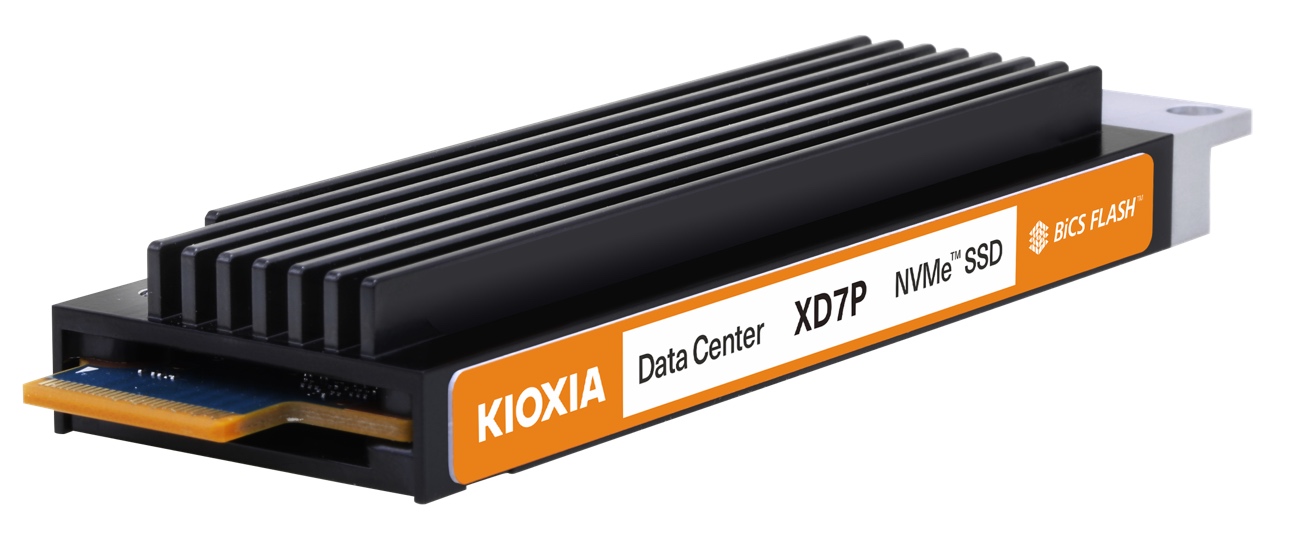
Infinidat has announced that the InfiniBox SSA II has received a Best of Show Award at the Flash Memory Summit 2022. As the next generation solid state array in the company’s broad portfolio of enterprise storage and cyber resilient solutions, the InfiniBox SSA II was recognised as the Most Innovative Hyperscaler Implementation, demonstrating that the InfiniBox SSA II meets the stringent requirements of the hyperscaler, Cloud Service Provider (CSP), Managed Service Provider (MSP), and Managed Hosting Provider (MHP) customer base. The InfiniBox SSA II stands as the industry’s fastest all-flash storage array with unprecedented low latency and unmatched cyber resilience. “Winning the Most Innovative Hyperscaler Implementation Award at the Flash Memory Summit is another validation that Infinidat has taken the all-flash storage market by storm with our continual innovation,” says Eric Herzog, CMO at Infinidat. “For the most demanding applications and workloads, the InfiniBox SSA II is a state-of-the-art storage solution built from the ground up with the highest levels of enterprise-class performance, availability, and cyber resilience at scale, providing an ideal solution for hyperscale, CSP, MSP, and MHP deployments.” “Hyperscalers, CSPs, MSPs, and MHPs set the bar very high for service level objectives as they provide Storage-as-a-Service (STaaS) for a fast-growing customer base which demands cyber resiliency and continuous access to the storage resources,” says Jay Kramer, Chairman of the Awards Program and President of Network Storage Advisors. “We are proud to recognise Infinidat for its InfiniBox SSA II, showcasing InfiniOps autonomous automation coupled with InfiniVerse AI operational set-it-and-forget-it simplicity. The solution not only exceeds its customer’s SLAs but also provides a 100% availability guarantee, unmatched real-world application performance, and powerful cyber storage resilience.” Launched in April 2022, the InfiniBox SSA II continues to raise the bar in enterprise storage performance, utilising 100% solid state technology for persistent storage, which, when coupled with Neural Cache and the company’s software advancements with autonomous automation, takes groundbreaking performance to the next level. The new InfiniBox SSA II delivers lower latency than any other comparable enterprise storage platform in the industry, delivering an unprecedented 35 microseconds of latency. In addition, the SSA II delivers the same 100% availability, white glove service, and lower total cost of ownership that defines the industry acclaimed InfiniBox customer experience. The company offers a comprehensive portfolio of enterprise storage and cyber resilient solutions powered by a common software architecture across the business’ InfiniBox, InfiniBox SSA II and InfiniGuard platforms, including Infinidat’s cyber storage resiliency solution - InfiniSafe. The InfiniBox SSA II is available with Infinidat’s flexible consumption options, as are all of Infinidat’s solutions, including Storage-as-a-Service with Infinidat’s FLX program, capacity on demand with Infinidat’s Elastic Pricing model, and traditional purchase.

Telecom veterans to drive PowerHouse Data Centers’ growth
PowerHouse Data Centers has announced two noteworthy additions to expand its leadership team. PowerHouse has appointed Luke Kipfer as Vice President of Data Centre Development and Construction and Jarrett Appleby to Data Centre Strategy Consultant and Senior Advisor. The pair will be a pivotal force behind AREP’s PowerHouse Data Centers deployment of next-generation data centres in Northern Virginia. Luke brings more than 15 years of exceptional mission-critical experience leading multi-million dollar data centre design and construction. Before joining AREP, he was Regional Director at Direct Line Global where he oversaw project management and operations for several of the world’s largest hyperscale data centre sites. Luke was also Director of Construction at Markley Group where he managed all aspects of design and construction for New England’s largest colocation, mission-critical telecommunications and data centre facility. Jarrett has successfully led strategic operational change and accelerated the profitability of some of the world’s leading digital infrastructure companies over the past 30 years. He has held a number of senior executive positions including Chief Operating Officer of Digital Realty and Coresite Realty and Chief Marketing Officer (CMO) of Equinix. Currently, he is the CEO of Appleby Strategy Group, a digital infrastructure advisory group that works with leading private equity and technology companies. He has also served as the Senior Advisor to the Blackstone Group for the last four years. “We are thrilled to welcome Luke and Jarrett to the PowerHouse Data Centers team, their expertise is a central differentiator from our competition,” says Doug Fleit, Co-Founder and CEO of AREP. “This is an exciting time for PowerHouse. We intentionally brought them on at the beginning stages to be part of developing and establishing our custom solutions that empower hyperscalers with accelerated speed to market, robust connectivity and dedicated power while bypassing limited land and leasing challenges in Data Centre Alley.”

ESR announces over $1bn first close of inaugural Data Centre Fund
ESR has announced the first close of over $1 billion in equity commitments for its inaugural vehicle, Data Centre Fund 1, dedicated to the development of its growing data centre business. ESR DC Fund 1 brings together some of the world’s largest institutional investors, including sovereign wealth and pension funds. ESR will raise a separate discretionary capital sleeve to co-invest into the fund which will likely close the balance of the fund at the hard cap of $1.5 billion. Additionally, the partners have an upsize option of an additional equity commitment of $1.5 billion, that would bring the total investment capacity to as much as $7.5 billion over time. ESR’s current data centre development portfolio comprises data centre projects primely located in major data centre clusters across Asia, including Hong Kong, Osaka, Tokyo, Seoul, Sydney, Mumbai and Singapore, delivering 300MW IT load. Amongst these projects is a key asset the group acquired in Osaka that will be developed into a multi-phase data centre campus with a development potential of up to 95MW IT load to serve both hyperscalers and colocation operators in the rapidly growing Osaka market. Jeffrey Shen and Stuart Gibson, Co-Founders and Co-CEOs of ESR, says: “APAC is the prime market for data centre development and investment in the new era of digitalisation. The substantial first close of our inaugural data centre fund marks a significant milestone for ESR as we continue to grow and scale our digital infrastructure business. We thank our capital partners for their strong support to this exciting effort. “As the largest new economy real estate platform in APAC, we are looking to play into the critical need for digital infrastructure in a big way going forward by leveraging our core competitive advantages with a singular focus to support our capital partners and customers to thrive and capitalise on the continued rise of the new economy and digital transformation in APAC.” Diarmid Massey, ESR Data Centres CEO, highlights: “With nearly $60 billion of New Economy AUM, digital infrastructure is a key strategic focus for ESR Group. Naturally, our ambition is to offset high energy consumption by aligning with our ESG strategy to refurbish, re-develop, convert some of our existing 39.8 million sqm GFA of assets into large and edge data centres, and to explore sustainable options through actual renewable energy generation from the rooftops.” Devashish Gupta, ESR Data Centres CIO, elaborates: “The APAC Data Centre fund is uniquely placed to take advantage of ESR Group’s adjacencies in land, power, fibre origination, strong pipeline of recently acquired data centre specific sites, a dedicated team of experienced data centre professionals, and partnerships with best-in-class data centre operators for co-location assets. Our ability to offer powered shells, fully fitted, and colocation assets to serve hyperscalers, enterprises as well as operators, provides a scalable solution with shorter ready-for-service timelines to our customers; and risk-adjusted strategies to our capital partners.”

Hybrid cloud: how enterprises can build resources to suit their own needs
By Jack Bedell-Pearce, CEO and Co-Founder of 4D Data Centres With so many issues that can cause inefficiency, IT leaders need to ensure the right foundations are in place in order to optimise the management of hybrid cloud. Every environment is different and there is no one-size-fits-all cloud infrastructure. So how can organisations prepare and build resources that work for them? Why is optimising hybrid cloud management important? Hybrid cloud is more than just sharing workloads between the two major hyperscale cloud providers, Azure and AWS. It also encompasses other infrastructure environments such as on-premises servers, private clouds, and servers in colocation. No one platform is necessarily better than another, but it is important to regularly evaluate them individually to make sure they are ticking the right boxes. Five essential areas platforms that need to monitor are performance (inc. compute, latency, bandwidth etc), reliability, resilience, security and cost efficiency. In addition to this, green credentials have recently become a sixth important factor, with companies realising colocation data centres and some hyperscalers are able to offer significant improvements in cooling efficiency and, in the case of colocation, high density cooling for High Performance Computer (HPC) systems. Not all platforms are equal when evaluating these criteria, so it is important for companies to consider what to prioritise in their business when matching their workloads with the relevant platforms. Public cloud is very good at providing entry level services and scaling quickly for fast growing businesses, but for more mature companies (especially those with readily available capital and potentially legacy systems), a blend of public cloud, private cloud, and colocation may be a more cost efficient and reliable option. This is demonstrated in a whitepaper by Andreeson Horrowitz, which shows the financial cost of enterprise companies miscalculating the mix and discovering significant cost savings by repatriating servers back into data centres. The right foundations and implementing good practice In the same way you wouldn’t advise someone to put all their savings into one asset class, large companies should avoid being overly dependent on a single platform. Aside from the obvious downtime risk associated with a single point of failure, there is the potential risk of being trapped and unable to avoid price inflation if your sole IT platform is provided by a third-party vendor. Once the right foundations are in place, enterprises need to become more organised and build IT resources through good practice. Examples of this include: ● Governance – how do you ensure the business is aware and being fulfilled/responsive to departmental needs (without them going off and just doing their own thing)? ● Security/Identity/Access Management – making sure that as services spread out, the right people have the right level of access. Data leaks can occur through poor basic hygiene and configuration. ● Stepping back and assessing how they’re using what is deployed; an example of this is Brandwatch doing front end visualisation in GCP (Google Cloud platform), as they had some good assets for their development team but the backend data was stored in colocation. How can optimisation pitfalls be avoided/mitigated? In order to minimise mistakes, enterprises should orchestrate across different businesses to overcome the ‘one pane of glass’ challenge for provisioning and delivery, be aware and in control of costs and recognise different approaches. The different potential costs of hyperscale cloud vs running your own vs colocation should also be considered, with the cost of the equipment etc. taken into account. Additionally, monitoring and reporting of the end-to-end solution using the right tools for multicloud/hybrid use must be factored in. This will ensure accurate and consistent alerting as well as raising awareness on what is actually being deployed and where, removing assumptions of resilience. Other areas to be aware of are the overlap or expansion of products and services, so as each provider continues to expand their product set, integration must be consistent and done at regular intervals to avoid being left behind. Integrating services and applications can also help with silos, but businesses must be careful of non-standardised interfaces to avoid future migration nightmares. Once hybrid cloud management is optimised, what should CIOs do next? Whilst CIOs might get close, it is unlikely that they will ever fully optimise their hybrid cloud setup. As with all technology, trends and advancements are happening regularly, so being up to date is not something businesses can ‘fit and forget’. Technologies will continue to evolve and part of the role of CIOs is to ensure they are not left behind and are tweaking their infrastructure accordingly and frequently. Perfecting cloud services demands a commitment to agility and change. Trends are endemic to the cloud and will continue to evolve at speed as adoption increases. Tracking and unpacking trends will help your enterprise to open doors by leveraging the expertise and knowledge of the industry. As the world continues to embrace cloud services, these opportunities will be essential to sustained growth in 2022 and beyond.

Infinidat advances partner portal and expands channel sales with STaaS
Infinidat has announced new moves to advance its strong position in partnering, supporting and co-selling with channel partners, accelerating adoption of storage-as-a-service (STaaS), and significantly enhancing partner sales enablement. Infinidat will roll out a new global version of its partner portal in July, rebuilt from the ground up, to train and equip solution providers worldwide to grow their revenue at a faster pace and deliver their customers true business and technical value with Infinidat’s platforms. In addition, the company announced that it has integrated Infinidat’s STaaS solution into Arrow Electronics’ ArrowSphere in North America. “Our latest investments for our partners to have best-in-class tools and access to leading-edge ecosystems reflect our ongoing, strong commitment to our channel-centric model for go-to-market execution,” says Eric Herzog, CMO at Infinidat. “We’re streamlining and simplifying the partner experience to boost channel participation and success. We’re making it easier for solution providers to sell Infinidat’s industry acclaimed enterprise solution portfolio, including enhanced AIOps capabilities, industry-leading real world application performance with the lowest latency, and the rollout of our innovative InfiniSafe technology across our platforms for groundbreaking levels of cyber resilience, all with the choice of flexible consumption models.” Partner portal gets a makeover Infinidat has rebuilt its partner portal to deliver an enhanced experience for the channel. It is designed to catapult partners forward with dynamic and relevant information to enable competitive advantages. The new portal features the following: Easier navigation to simplify use of the knowledgebase and enablement tools in the portal in support of new and expanding market opportunities.Refreshed, modernised, and expanded content, including detailed information about the new InfiniSafe technology on InfiniBox and InfiniGuard. In addition, localised content in different languages for its global partner ecosystem.Streamlined training experience to make partners more technically adept to sell Infinidat’s portfolio for mutual benefits. Accreditation, also, continues to be part of the program. “We have been a strong partner of Infinidat for several years, and their partner support, programs, and portal have been top-notch,” says Jan Veith, Sales Director, Hansen & Gieraths IT Solutions GmbH. “We are very excited about the new, streamlined Infinidat partner portal and how it will help us grow our business, deliver better solutions leveraging Infinidat’s award-winning platforms, and keep our teams up-to-date on all things Infinidat.” Infinidat has worked with third-party vendors to bring state-of-the-art capabilities into its new portal for channel partners. One of them is Highspot, the sales enablement platform that increases the performance of sales teams by bridging the gap between strategy and execution. “We’re proud that Infinidat has chosen Highspot's sales enablement platform to deliver the right resources to their channel partners at the right time within their new partner portal,” says Gwen Sheridan, Vice President of Customer Services, Highspot. “With Highspot, Infinidat’s partners can utilise rich content, guidance and insights to effectively engage buyers and improve sales performance.” Infinidat’s STaaS solution integrates into ArrowSphere in North America  Arrow’s ArrowSphere platform helps channel partners manage, differentiate, and scale their cloud business. Its marketplace includes leading hyperscale providers, as well as public and private IaaS, PaaS, SaaS, HaaS and cloud software offerings, such as Infinidat’s STaaS. “Infinidat is creating more value for its partners by leveraging ArrowSphere to more easily deliver to customers Infinidat’s storage-as-a-service offering,” comments Shannon McWilliams, Vice President of Supplier Alliances, Arrow. “Storage-as-a-service is a significant revenue growth opportunity for channel partners. Providing a new option for integration, automation, and streamlined ordering of enterprise storage, Infinidat’s STaaS now joins the increasing list of solutions available ‘as a service’ through Arrow’s award-winning cloud management platform, ArrowSphere.”

NTT opens its first data centre in Spain
NTT continues its expansion plans by opening its first data centre location in the Spanish market in Madrid. The high-availability, Tier 3-compliant colocation data centre is located on NTT's Európolis Business and Technology Park site 20km northwest of Madrid. It provides hyperscalers as well as enterprise clients with 3,600m2 of IT space and a maximum IT capacity of 6.3MW when fully built out. NTT is currently massively expanding its data centre capacities worldwide. The company attaches the greatest importance to creating a highly available, secure and sustainable infrastructure. At the Madrid site, the entire cooling concept of the data centre was adapted to the warm climate of central Spain: air-cooled chillers and higher cooling water temperatures reduce power consumption and ensure efficient operation of the facility. NTT’s first major client installation in the facility is powered entirely by renewable energy. Companies using the new data centre in Madrid will benefit from excellent connectivity. NTT's proprietary Global Data Centre Interconnect (GDCI) network structure makes it easy and fast to implement high-performance private connections to internet nodes such as ESpanix, NetIX and DE-CIX, as well as cloud providers such as AWS, Google, Microsoft and others. Through Lyntia's fibre network, connections exist to 2,694 cities in Spain, to interconnects in France and Portugal, and to major submarine cables. In addition, fibre links exist to NTT's Global IP Network (GIN) as well as Colt IQ, euNetworks, GTT and other international and regional providers. "The demand for data centre capacity in Spain has grown strongly in recent years. Madrid is the largest data centre hub in Spain and a European gateway to the world, and our investment in the region is another milestone on our global roadmap as we continue to expand our presence across the continent to meet the coverage, capacity and connectivity needs of our clients", says Florian Winkler, Chief Executive Officer of NTT’s Global Data Centres division in EMEA. "Spain has become a hub for communications in southern Europe in recent years, in part due to new submarine cables", adds Araceli Pedraza, Country Managing Director at NTT in Spain. "With our new data centre in Madrid, we are actively shaping the digital future of the region. Here, companies will find a reliable, secure and sustainable home for IT infrastructures. At the same time, comprehensive connectivity ensures maximum flexibility."

Lincoln Property Company and Harrison Street acquire data centre campus in Ohio
A joint venture between Lincoln Property Company (LPC) and Harrison Street has announced the acquisition of a 190-acre land site in New Albany, Ohio to construct a multi-use technology and distribution park designed for data centre and industrial users and operators. New Albany, a suburb of Columbus, OH has experienced a rapid inflow of advanced manufacturing, hyperscalers and e-commerce businesses following Intel’s recently announced $20 billion, 1,000-acre chip campus, which is located directly adjacent to the site, known as Silicon Heartland Innovation Park. LPC has secured a 15-year, 100% real estate tax abatement, with general employment zoning in order to accommodate a wide range of uses and industries including technology, life sciences, advanced manufacturing and e-commerce. Silicon Heartland Innovation Park will provide access to recently expanded road systems, dual 345 KVA transmission lines, reliable electrical service, substantial water resources, and an abundant fibre network. The Park is also strategically located near Columbus’ John Glenn Airport and the Central Ohio Transit Authority bus line, providing quick and easy transportation for employees, vendors and customers, and is in close proximity to several nearby colleges and universities, including The Ohio State University. “Silicon Heartland Innovation Park will offer everything an industrial or data centre user will need: an ideal location, expansive talent pool, and state of the art features needed to run a successful operation,” says Dan Reidy, Vice President of LPC. “New Albany is an exciting data centre market with tremendous potential for digital infrastructure growth following Intel’s planned chip factory expansion,” says Michael Hochanadel, Managing Director and Head of Digital Real Estate at Harrison Street. “This project is consistent with Harrison Street’s digital investment strategy and ability to identify strategic sites for data centre development in attractive markets with strong demand for increased connectivity options.” LPC’s Chicago-based Midwest team, will begin immediate construction on the first phase of the campus that will include a speculative 175,000 square foot clear warehouse and a modern 446,000 square foot cross dock distribution building. Both buildings will have ample parking and are expected to be delivered in the second quarter of 2023. Lincoln Rackhouse will immediately begin development of the data centre campus which will include the construction of an on-site 200MVA, electrical sub-station. The data centre campus can accommodate up to 1.2 million square feet and 144MW of critical load designed specifically for hyperscalers and other major operators. “Qualified ‘powered’ data centre sites are becoming increasingly difficult to find in Tier 1 data centre markets such as Northern Virginia and Chicago. The location in New Albany, Ohio offers the perfect environment for the next phase of large hyperscale and colocation growth,” says Martin Peck, Executive Vice President, Lincoln Rackhouse.

OADC rolls out open-access, edge data centre environment in Africa
Open Access Data Centres (OADC) has announced deployment of the continent’s first large-scale, open-access edge data centre environment, OADC Edge, in South Africa. This is the first step in a wider rollout of OADC Edge across Africa, with Nigeria expected to be the next country to benefit later this year. By consolidating edge computing, edge data centres and hyperscale connectivity within a single ecosystem, OADC is establishing an edge environment that expedites the realisation of business opportunities for its clients. The ability to locate equipment securely at remote locations is critical to 5G operators, ISPs and fibre providers looking to extend network reach into new markets. Latency improvements from serving content locally bring an enhanced end-user experience and are fundamental to the successful rollout of new, time-critical applications, whilst the ability to process large volumes of critical data before it is forwarded to larger, regional facilities, improves efficiency whilst also reducing backhaul costs. OADC Chief Technical Officer Bob Wright explains: “In recent years, Africa has seen massive investment in hyperscale data centres focused on the continent’s largest metropolitan areas. However, a presence in a single data centre is no longer sufficient to address a country or region. 5G operators, ISPs and fibre operators are seeking cost-efficient ways to extend network reach into new markets, requiring network equipment to be securely housed in remote locations. Bob continues: “At the same time, the growing desire to make content available and process ever-greater volumes of data closer to the customer is increasingly demanding implementation of a core-to-edge architecture, with meshed local and regional data centres fully connected into Africa’s network infrastructure across multiple countries and cities. OADC is building Africa’s edge data centre infrastructure to support clients seeking cost-effective network extensions, and those who are changing their infrastructure deployment strategies to fulfil demand for content closer to the network edge for improved availability and premium performance or to optimise networking and storage costs by pre-processing data locally.” Integral to OADC’s core-to-edge, open-access, edge data centre offering is the establishment of new, regional data centres covering major cities (initially across South Africa) and rollout of over 100, 0.5 MW OADC edge data centres, in the largest deployment of open-access data centres on the continent.

Can the data centre industry meet demand with supply chain issues?
By Andy Isaac, Vice President, Procurement at CyrusOne Faced with a shortage of people, equipment and materials, the supply chain is a notable and increasing concern for many industries - and the data centre industry is no exception. According to a report from the Uptime Institute, the pandemic, extreme weather, and political instability have all contributed to disrupting global supply chains. Furthermore, a survey conducted for the report indicates that suppliers believe the problems within the supply chain will continue over the next two years for critical data centre products and services. With the data centre industry experiencing significant demand and growth, the ambitions and opportunities within the sector remain high; however, the sector may be forced to alter schedules and plans if supply chain issues persist. The industry will need to demonstrate its resilience and creativity to meet the enormous demand, particularly regarding personnel, equipment and construction. Supplier relationship management With unprecedented demand within the sector, lead time within the data centre supply chain has been pushed from 10 weeks to, in some cases, over 50 weeks. The pressure within the supply chain can be felt at every step. As a result, it’s important to recognise the pain points of suppliers to create a better working relationship and ultimately, understand the impact this will have on growth and meeting demand. Collaboration with suppliers to address these challenges and mitigate risks is essential in order to identify constraints and work together to solve them. For instance, ensuring regular communication and alignment can help to identify materials that can be substituted during this period. What’s more, expanding and building relationships with more suppliers is critical to ensure variety in where the materials are sourced, in addition to the varied availability of materials across different suppliers. This broadened pool ensures we can pivot and adjust our approach to sourcing these materials as the supply chain issues fluctuate and shift.    In all instances, without fostering relationships with the suppliers, it is impossible to have a complete and accurate view of the situation or prepare for any additional sourcing shifts in the supply chain.     Stock management Given the pressures within the industry coming from both enterprise and hyperscale demand, stakeholders are purchasing in bulk to stockpile and have the materials necessary to see them through the year. This provides a cushion for data centres to fall back on, where needed. Industry cooperation Ensuring transparency across the industry - including suppliers, data centres, enterprise and hyperscalers - is crucial to manage expectations and prevent unrealistic or unachievable demands. Delivering a data centre facility on time can be a very complex and time-intensive effort for data centre providers and the supply chain issues have simply exacerbated this, without any change to external demand or pressures. To create a more efficient and resilient supply chain, it’s important that every stakeholder involved is aligned and educated on the challenges.  Pricing Not surprisingly, the pricing of materials has been significantly impacted by the supply chain challenges, with costs rapidly increasing. Related to the industry cooperation required, as noted above, the onus is on the data centre industry, as well as suppliers to identify ways to both manage and control the rising costs. Ensuring transparency in pricing fluctuations will serve all stakeholders and help to create stability within this situation. Looking to 2023 With the supply chain already at capacity throughout 2022, demand will be pushed to 2023 and beyond. Ensuring stronger relationships and transparency within the supply chain will enable the industry to tackle the increasing demand and growth, preventing it from being pushed out even further than necessary. Only by working together across the industry will we be able to deliver and future-proof the industry.


Translate »