Hyperscale Data Centres: Scale, Speed & Strategy

BDC expands data centre in Kuala Lumpur
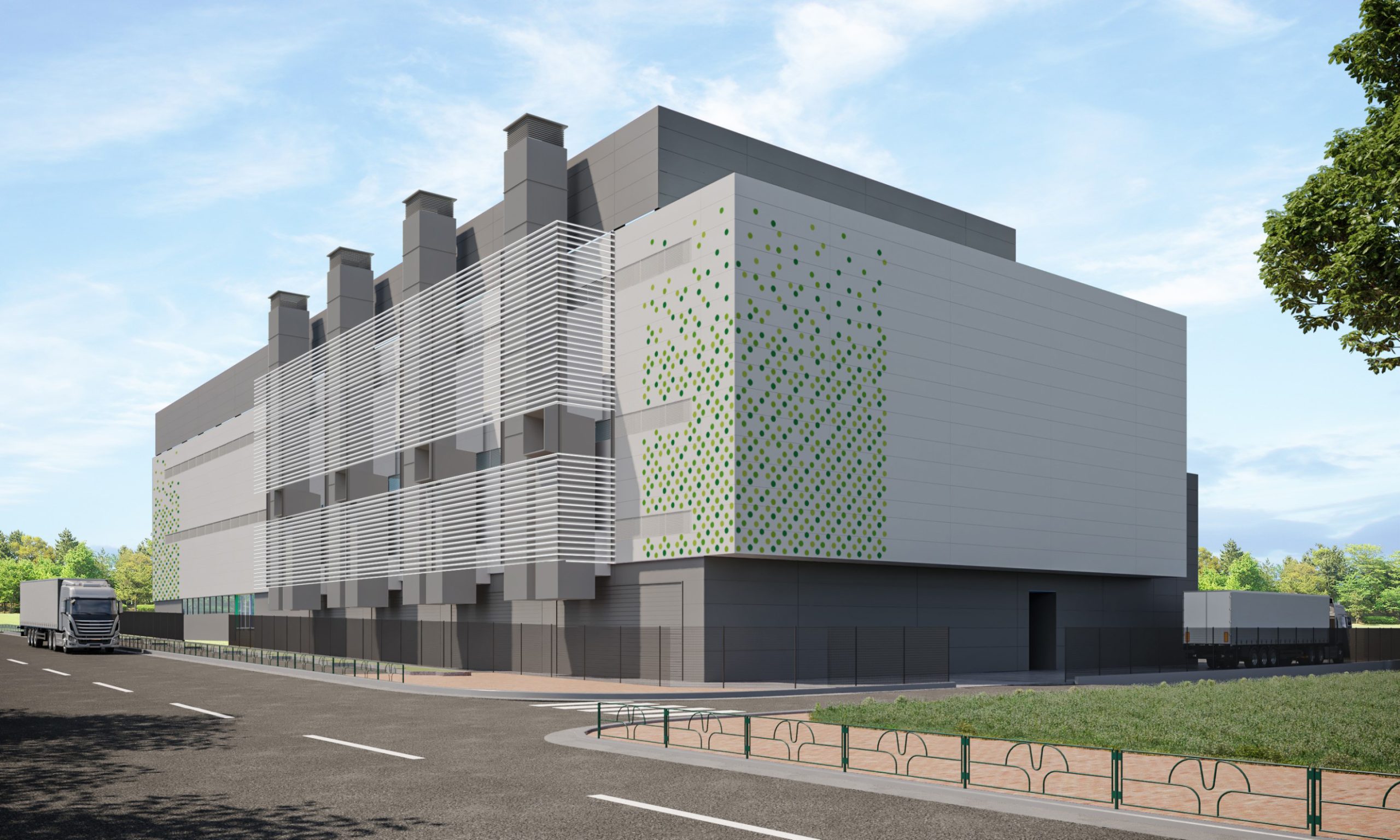
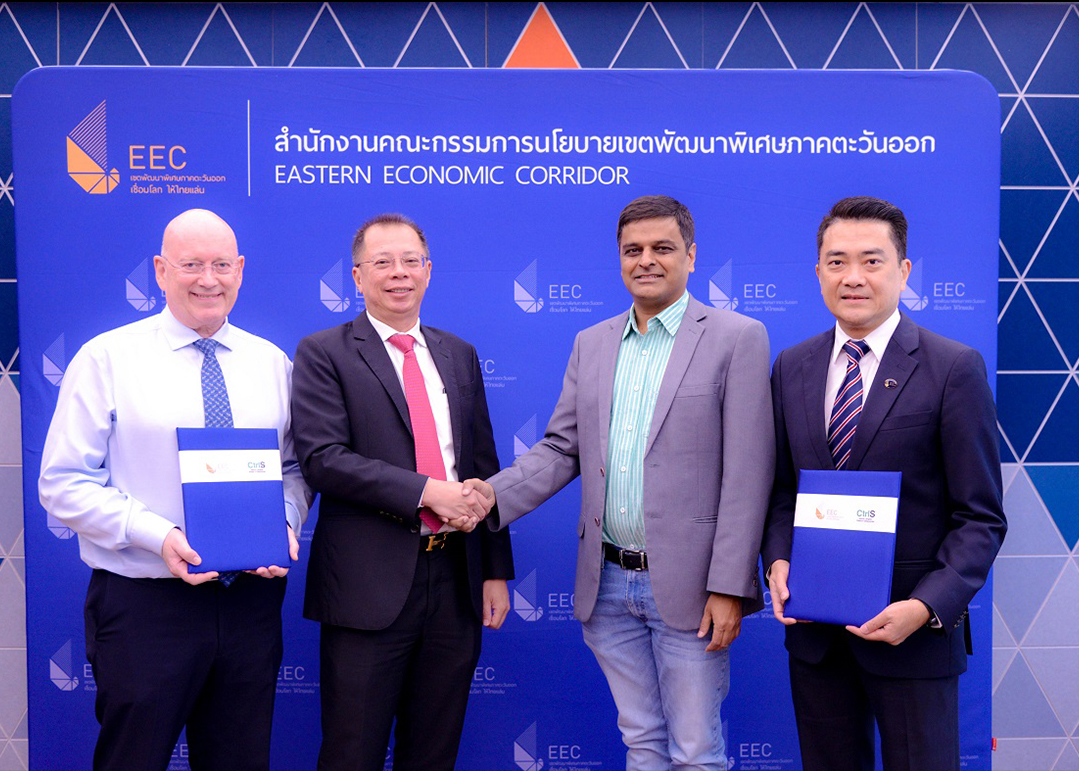
Bridge Data Centres (BDC) has announced that it will expand its hyperscale data centre campus, MY03, located at MRANTI Park, Kuala Lumpur. This expansion provides an additional 48MW of IT power to hyperscalers and enterprises in Malaysia and Asia Pacific.   BDC has signed an agreement with Malaysian Research Accelerator for Technology & Innovation (MRANTI) to develop three buildings and a 132kV substation. With the expansion, MY03 will offer a total IT power capacity of 64MW. The expansion project comprises two phases. Phase one is planned to be ready for service with 16MW by Q3, 2025. Phase two is scheduled to begin operations by Q4, 2027. BDC and MRANTI held a signing ceremony in Kuala Lumpur which was witnessed by Dzuleira Abu Bakar, Chief Executive Officer of MRANTI; Khairil Anuar Sadat Salleh, Chief Commercial Officer of MRANTI; and Dz Shing Lim, President, Bridge Data Centres. The establishment of the data centre campus entrenches Malaysia as a desired destination for data centre investment in the Asia Pacific region. Located strategically in the vicinity of central Kuala Lumpur, the park spans across a vast area of 686ac and supports the entire innovation process with a focus on driving the commercialisation of ‘impact technologies’ in key industry sectors to foster sustainable development. “Last year, we introduced a comprehensive and integrated approach to transform MRANTI Park from a property-focused sector into a leading 4IR hub in Malaysia. This master plan aims to achieve a gross development value of RM20bn, land leases worth RM2.8bn, and the creation of 8,000 jobs by 2027,” says Dzuleira Abu Bakar, CEO of MRANTI. “We recently launched the country’s national testbed for 5G through the government-led MRANTI 5G Experience Centre to fast-track new innovations in a more enriching data-driven future. Today, we are excited to announce the expansion of Bridge Data Centres within MRANTI Park, aligning perfectly with MRANTI Park’s expansion strategy,” says Dzuleira.

Cologix announces a new data centre in Northern Virginia
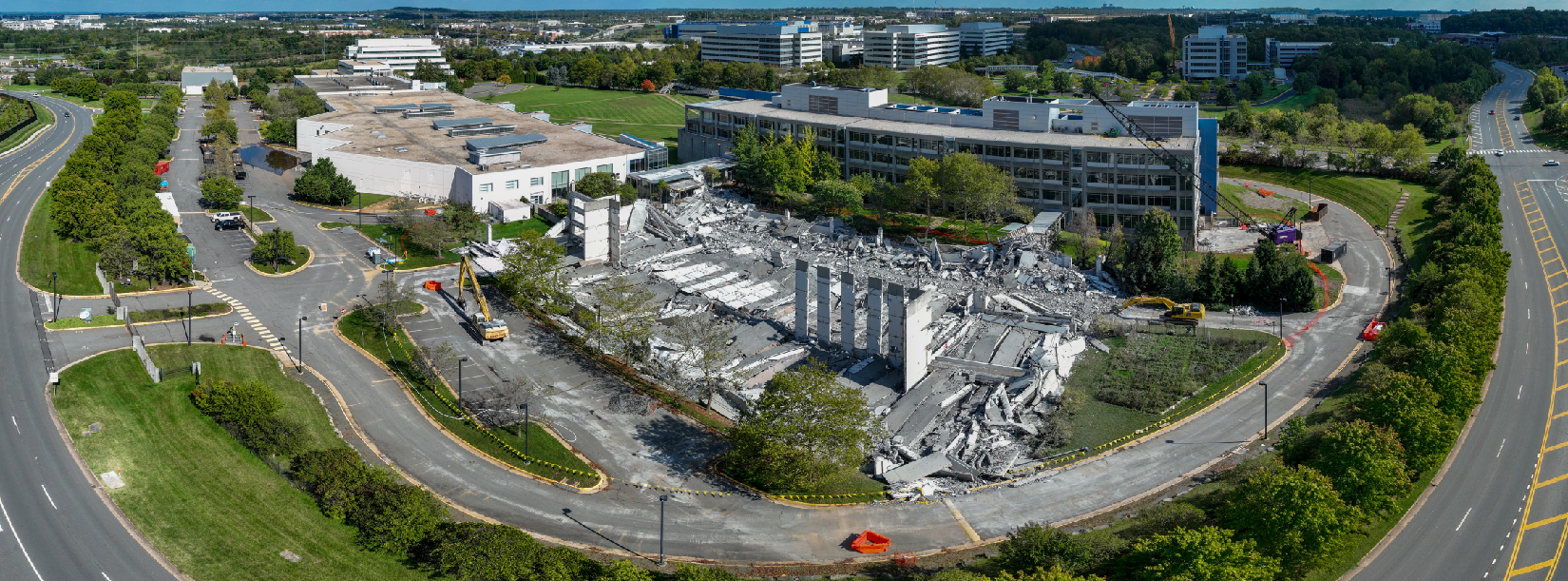
Cologix has announced the completion and pre-lease of its new 120MW Scalelogix data centre in Northern Virginia. Built within seven months, from permitting to commissioning, the three-story, 455,000ft2 Scalelogix ASH1 data centre, located in Ashburn, Virginia, is designed for hyperscalers’ massive capacity and edge traffic demands from the ground up. This facility has been pre-leased by a major global technology company and went into service in May 2023. “We are aggressively expanding our hyperscale edge portfolio across North America in response to growing demand from major global cloud providers and large digital enterprises,” says Chris Heinrich, Chief Revenue Officer, Cologix. “With their massive scale and top-tier performance, our data centres provide high-speed, ultra-low latency and highly secure access to fixed, 5G and public cloud networks that today’s businesses require for success.” The Scalelogix ASH1 facility is located in a global corridor known as ‘Data Center Alley.’ The city of Ashburn is an interconnection hub for the eastern US and a gateway to Europe with the concentration of cloud computing infrastructure. Colocation and connectivity in this area provide a strategic advantage to customers who want easy and secure access to a critical global data corridor. ASH1 is one of three new Scalelogix data centres to be launched in the next year, including facilities planned in Columbus, Ohio and Montrèal, Canada.  “Many positive factors contributed to the project’s successful and efficient timeline, including transparent partnerships and communications with all parties involved every step of the way,” says Cologix’s Chief Development Officer, Nathan Hazelwood. “I am so proud and appreciative of the entire team, our invaluable partners and vendors, as we’ve built a superior facility that will provide exceptional capabilities for our customers doing business at the digital edge.” The company’s new facility is designed with the following features: The cooling system is designed for maximum energy efficiency complete with free cooling capability designed and built-in day one. It also includes hot aisle containment with up to 35 cabinets per row. The facility provides Ashburn Meet-Me-Rooms (MMRs) designed for hyperscalers and customers. It is also part of its interconnection ecosystem of 700+ network providers, 350+ cloud providers, 30+ public cloud onramps and six internet exchanges. It includes multiple physically separated, diverse and secure MMRs while offering multiple diverse fibre entrance vaults to the campus. Its security office includes an anti-intrusion system, CCTV system, biometric scanners and badge access. 30% of the building is programmed for customers’ needs inclusive of dedicated office space, storage and other amenities. It is built with MERs, which are prefabricated modular assemblies built out with electrical infrastructure that can be rapidly deployed at a data centre facility. MERs support a wide range of equipment with varying contents dependent on customer needs and electrical topography. The facility will have several EV charging stations available for all customers, employees, vendors and partners to use while at the data centre. The majority of copper, steel, refrigerants and concrete from the prior structure that was in place while constructing ASH1 has been recycled, reducing the use of new materials and disposing of other materials in an environmentally conscience way. 

Cirion strengthens with new data centre facility in Peru
Cirion has announced that it has started construction on a new 12,000m², 20MW carrier-neutral data centre in the industrial district of Macropolis in Lurín, Peru. The new data centre is expected to open in the first quarter of 2025 and will be well-equipped to meet the needs of hyperscale cloud service providers, carriers, content providers, and enterprises that require scalable infrastructure. The facility will have access to a business-friendly environment, renewable energy, diverse metro and long-haul connectivity to major cities and tech hubs in the region, and proximity to international subsea cable networks to facilitate minimal latency between Latin America and other regions. In line with the company's Environmental, Social and Governance (ESG) strategy, and its commitment to technological innovation, the new facility will be one of the energy efficient data centres in the region, with PUE (Power Usage Effectiveness). “The development of this new data centre is another important step in our journey to grow our platform of low-latency, interconnected data centres and establish a thriving digital ecosystem across Latin America,” says Facundo Castro, CEO for Cirion Technologies. “In a world where data-driven and multi-cloud technology is advancing the way we work and live, and data is the pillar for ground-breaking business decisions, it’s important for data to be properly stored, processed, assured, and analysed. The surging popularity of IoT, 5G, AI, networks, and streaming content has fuelled an unrelenting demand for capacity, and data centres are critical to keeping these services running.” The Lurín-based data centre will be directly connected through redundant fibre to Cirion’s existing ecosystem-dense data centre in Lima, located only 35km away, and integrated into the company's broader carrier-neutral platform comprising 18 data centres across Latin America.

evroc reveals plans to build Europe's first sovereign hyperscale cloud
evroc has presented its plans to build Europe’s first secure, sovereign, and sustainable hyperscale cloud. It recently closed a seed funding round to build its launch team. The company now plans to raise and invest three billion euros over the next couple of years to develop and operate two hyperscale data centres, one in Northern Europe and one in Southern Europe. By 2028, it aims to establish eight hyperscale data centres, as well as three software development hubs, across the continent, employing over 3,000 people in total. “The lack of home-grown hyperscale cloud providers poses a serious challenge for Europe. Not only because our citizens’ data is placed under foreign ownership by companies operating under laws that conflict with European privacy legislation. It is also a real threat to our long-term competitiveness in a digital world where others are advancing much faster. Europe’s digital economy must be built on a European foundation,” says Mattias Åström, Founder and CEO, evroc. Cloud services play a key role in critical digital infrastructure. Between 2017 and 2022, the European cloud market grew five-fold. During the same time, the market share of European cloud players fell from 27% to 13%. A competitive European hyperscale cloud is critical to enable the continent’s digital economy, keeping investments, job creation, technology development and intellectual property rights within its borders. It will also give Europe digital sovereignty that is compliant with European privacy legislation, settling a long-standing problem. “evroc has spotted an exciting opportunity to make Europe a leader in cloud technologies by bringing together the continent’s brightest minds, ambitious thinkers, and experienced entrepreneurs. We believe the next generation of European tech companies will be built on evroc’s cloud services,” says Ted Persson, Partner at EQT Ventures. Data centres until now have had a significant environmental footprint, consuming about 3% of the global electricity supply, and accounting for 2% of global greenhouse gas emissions. evroc will build a clean cloud by leveraging energy-efficient technologies to maximise its sustainability impact, including a proprietary eco load balancer solution. The eco load balancer enables data to flow seamlessly and securely between evroc’s data centres based on where renewable energy is most readily available and affordable. “The data centre industry is on par with the airline industry in terms of greenhouse gas emissions. Data processing will continue to grow substantially over the coming decades, causing significant emissions and damage to our climate, unless we change direction. evroc’s holistic strategy for clean energy usage, combined with the implementation of state-of-the-art energy efficiency technology, could set the standard for the entire industry,” says Tove Larsson, Partner at Norrsken VC.

RO technology to cut water and energy consumption
The SAM50 RO system is now available to data centres. Manufactured by Te-Tech Process Solutions, the SAM50 delivers significant advantages over competing RO technologies, says the maker. Data centres have seen a steady shift away from air cooling to more efficient liquid immersion technology. However, rejecting the heat from the coolant into a recirculatory cooling system with an evaporative cooling tower consumes a lot of water, typically about 1.8L/kWh. In hyperscale data centres this could be as much as 2,000m³ per day. Now signatories to the EU’s Climate Neutral Data Centre Pact will prioritise water conservation with an aim of a maximum usage of 0.4L/kWh by 2030. One way of minimising water consumption in recirculatory cooling systems is by increasing the concentration factor, which is limited by water chemistry. Treating the cooling tower make-up water by RO allows concentration factors to be increased by up to 10 times, reducing blowdown and helping to minimise scale, corrosion and microbiological problems. But RO is traditionally energy hungry and, increasingly, expensive to operate.  SAM50 was developed by University of Birmingham spin out, Salinity Solutions. It is a batch RO system with a unique energy recovery pressure exchanger and in comparison to conventional RO systems; it can reduce energy consumption by up to 50% as well as reduce wastewater by up to 80%. The small footprint, modular units use standard 8in RO membranes and feature plug-and-play installation. “The SAM50 RO system, with proven technology, delivers unparalleled energy efficiency,” says Mike Froom, Te-Tech’s Business Development Director. “The modular and scalable system allows for easy installation and maintenance, while its high water recovery capabilities make it an environmentally-friendly and sustainable solution for companies looking to reduce their impact on the planet.”

Kohler announces new efficiency white paper for data centres
Data centre managers and users looking to find out more about energy efficiency can now download a free white paper produced by Kohler Uninterruptible Power. The free white paper is downloadable here and has been created to give an overview of the considerations that factor into a data centre improving and reducing its Power Usage Effectiveness (PUE). With a wealth of experience in providing power protection installations in data centres, Kohler’s clients range from enterprises running their own in-house systems, through modular and medium-sized colocation data centres, right up to large and hyperscale facilities. The products and systems offered by the company are highly configurable, scalable and efficient, enabling clients to buy for immediate requirements and easily grow their systems later. Advanced technologies such as Kohler’s XTRA VFI mode enable certain modular systems to put spare modules into standby mode when not required to support the load, but always maintain the required level of active redundancy. Alex Emms, Operations Director at KUP, says, “A 2022 global survey found the average data centre achieves a PUE of 1.55. In the UK, a PUE of less than 1.5 can be expected, but the lower the better. Newer, larger data centres tend to be more efficient but there is still a need for older data centres to be aware of the changes they can make that will influence their critical power support and their energy efficiency, particularly as they replace legacy systems. “This white paper is packed full of information about how newer modular systems can improve a data centre’s efficiency, some information on best practice, what’s meant by managing the load and ensuring that critical power is covered - along with built in redundancy. We’ve created it because there is a lot of inconsistency in material that references different modes - particularly with reference to energy efficiency. And newer technology means more efficient design and operation in our experience. We thought a handy white paper which informs and challenges customers’ thinking about what’s possible now would be useful. “Our team has extensive experience in understanding system architecture, regulations and what a system can achieve. We also offer consultancy to help customers and prospects calculate their energy efficiency. Downloading the white paper will be a good first step if you are looking to find out the latest information.”

Princeton Digital Group to develop data centre campus in Malaysia
Princeton Digital Group (PDG) has entered into a definitive agreement with JLand Group (JLG) for the acquisition of 31 acres of land in Sedenak Tech Park (STeP), Johor, to build a 150MW hyperscale campus. With an investment of RM 2 billion, the first phase of 60MW is planned to be ready for commencement of operations by Q2 2024. The project marks PDG’s entry into Malaysia, its sixth country after Singapore, China, Indonesia, India, and Japan. Named JH1, the data centre will be one of the largest DC campuses in Southeast Asia to serve the infrastructure needs of customers across the region. “At this point, the focus for JLG is expanding data centre opportunities as investors and operators are prioritising the sector’s fast-growing prospects. Through our integrated offerings at Sedenak Tech Park (STeP), we remain committed to strengthening Johor’s position as a regional data centre hub given its capability to meet the accelerating demand. PDG’s entry into Johor and STeP is a strong validation of JLG’s strategy and offerings,” says Datuk Syed Mohamed, President and Chief Executive of Johor Corporation and Chairman of JLG. “With more companies and communities to introduce next-gen digital tools and strategies, the demand for reliable, smart, and resilient data storage will grow exponentially. Therefore, the drive is on for us to improve the sustainability performance of data centres through Industrial Internet of Things (IIoT) platforms, energy and power monitoring, and innovative cooling technologies,” adds Datuk. “Our entry into Malaysia adds to PDG’s growing footprint in Asia, further strengthening our presence as the pan-Asia digital infrastructure leader,” says Rangu Salgame, Chairman and CEO of Princeton Digital Group. Asher Ling, Chief Technology Officer, and Managing Director of PDG, Singapore, further adds, “We have a deep understanding of hyperscale needs as they expand their presence in Southeast Asia while requiring access to best in class digital infrastructure. Sedenak Tech Park, with its strong power and connectivity infrastructure and other enabling factors, is the ideal site for our hyperscale development and campus. Our data centre will utilise next-generation, cutting-edge sustainable technology solutions. We are also actively collaborating with local partners and regulators to integrate renewable energy initiatives for powering our facility.”

ST Telemedia Global Data Centres to build data centre in the Philippines
ST Telemedia Global Data Centres has announced that it is expanding its footprint in Asia with the development of what it says will be the largest and most interconnected carrier-neutral data centre in the Philippines.       This announcement comes as the company celebrates its first anniversary milestone since the formation of the JV. The data centre campus also marks STT GDC’s single largest data centre project development to date across its global portfolio. “With the Philippine digital industry set to grow at a projected compounded annual growth rate (CAGR) of 20% through to 2030, we are seeing rapidly growing demand for high-quality colocation services in the Philippines as both cloud service providers and enterprises alike continually expand their business platforms to meet consumers' evolving demand for low-latency digital services,” says Carlo Malana, Chief Executive Officer, STT GDC Philippines. “We are confident that we will be able to capture new demand while helping our customers meet their own sustainability ambitions with this new and differentiated data centre capacity. This also presents an opportunity to nurture local talent in digital and green skills that will be much needed in the future.” Sustained growth is projected across ASEAN and the Philippines' digital economy is seen to be a forerunner, with e-commerce expected to propel the country’s gross merchandise value (GMV) to US$35 billion in 2025. The Philippine digital economy is also expected to grow twice as fast as GDP through to 2030.  “With the Philippines’ digital transformation gaining headway, STT GDC’s new facility will be an important addition in the data centre space in the country, where the market is underserved. This will provide crucial support for the growing digital industry not just in the country, but also in the region, and will set a new standard of environmentally-friendly data centres in the Philippines,” says Globe Group President and CEO Ernest Cu. The new data centre campus, STT Fairview, will comprise over 83,000m2 of gross floor area across four buildings, offering a development potential of 124MW of IT load capacity once fully built out. It is strategically positioned within Quezon City with access to nearby substations, as well as critical telecommunications, transportation links, and logistics, business and industry hubs.  This new data centre campus will cater to both hyperscalers and enterprises, providing flexible and scalable low-latency colocation options that are also sustainably built and operated.  In line with STT GDC’s group-wide focus and commitment towards carbon neutral data centre operations by 2030, STT Fairview will support the company’s sustainability goals with power usage effectiveness (PUE) and a host of sustainable features. ● Embodied carbon reductions - the use of innovative solutions such as hollow core concrete slabs, recycled steel and HDPE piping are among the many topics being explored which will lead to reductions in embodied carbon of the development.  ● Liquid cooling-readiness - the new data centre will have the ability to house liquid cooled solutions and servers based on customer requirements. Liquid immersion cooling supports high performance computing applications such as AI, and can offer data centres and their customers, particularly those operating in the tropics, a sustainability boost by substantially reducing energy consumption and water consumption.  ● AI readiness - the facility will be ready to leverage AI and machine learning (ML) technology and advanced analytics to improve the data centre’s operational efficiency, as well as optimise energy use to reduce its overall carbon footprint. ● Built to global industry standards - this new data centre will be built to specifications that will meet international standards such as a LEED Gold certification from the US Green Building Council (USGBC), Uptime Institute Tier III, and TIA-942 Rated 3.  STT Fairview will include ready network connections to STT Makati, one of the most interconnected data centres in the Philippines, providing customers of the new data centre campus immediate access to a rich selection of local and international network service providers, internet exchanges and submarine cable systems. “The Philippine data centre colocation market is poised for growth with a five-year CAGR of 25% through 2027 and hyperscale demand is on the uptrend. This is an opportune moment to support the Philippines’ digital growth agenda with core data centre infrastructure that is the linchpin of a digital society,” says Lionel Yeo, Chief Executive Officer - Southeast Asia, ST Telemedia Global Data Centres. “With its complex design and scale requirements, this new data centre will offer market-leading efficiencies without the reliability trade-offs, bringing a new standard in data centre capacity to the Philippines that will serve the country’s digital and sustainability ambitions with its future-ready features.”

Nlyte Software’s data centre optimisation lifecycle solution adds security and architecture enhancements
Nlyte Software has announced its latest software release, Nlyte R14, which includes new architecture features and security enhancements to improve the efficiency and security of data centre management. Nlyte Software is a part of Carrier Global Corporation, an intelligent climate and energy solutions provider. “Cross-platform compatibility and cloud-friendly architecture make Nlyte R14 an excellent tool for businesses looking to improve their data centre management and sustainability,” says Enzo Greco, President, Nlyte. With the new cross-platform poller that increases flexibility and introduces new architecture, Nlyte R14 can be installed on Windows servers and as a Docker container on Linux hosts, reducing the need for additional hardware. Linux users can enjoy the benefits of Nlyte Software without added license costs. The latest poller increases the security of the system by reducing the number of open inbound system ports. The cloud-friendly architecture makes Nlyte R14 an ideal solution for businesses operating in the cloud. The update offers support for Nlyte deployments in Microsoft Azure Platform as a Service, as well as German language support. Nlyte R14 also provides application performance improvements to support the largest hyperscale customer environments. With these latest features, businesses can better manage and optimise their data centre operations, resulting in increased productivity and cost savings.

Dr Kelley Mullick joins Iceotope Technologies
Iceotope Technologies has announced the appointment of Kelley A. Mullick PhD, as Vice President, Technology Advancement and Alliances. Recognised for her expertise in immersion and cold plate liquid cooling, Kelley joins the company from Intel Corporation where she worked in product management and strategy for the data centre and AI group, where she developed Intel’s first immersion cooling warranty, announced at Open Compute Project (OCP) 2022. Kelley also holds a BSc in Chemistry and Biology from Walsh University, an MSc in Chemical Engineering from the University of Akron and a PhD in Chemical Engineering from Ohio State University. David Craig, CEO, Iceotope Technologies says, “Kelley is a welcome addition to the Iceotope team. She joins us as the market is turning increasingly to liquid cooling to solve a range of challenges from increasing processor output and efficiency to delivering greater data centre space optimisation and reducing the energy waste and inefficiencies associated with air-cooling for greater data centre sustainability. Kelley is a dynamic and results-oriented problem solver who brings solid systems engineering know-how. With many industry accolades, she is also a champion for diversity and inclusion having personally developed initiatives for women and under-represented minorities.” Kelley says, “As a systems engineer I fixate on technical requirements in tandem with business requirements to drive solutions. Today, existing challenges to mitigate against the climate emergency are joined by the technological expedients of AI applications such as ChatGPT. These compute-intensive operations need the support of compute-intensive infrastructure. The limitations and inefficiencies of air cooling are well known. Only precision immersion liquid cooling can meet the environmental needs of all processor board components in a familiar form factor that fits with the way we design data centres and carry out moves, adds and changes. “With the focus on sustainability at Intel, I became familiar with all types of liquid cooling. When I appraised Iceotope’s technology, I saw complete differentiation from anything else in the market. In addition to all the benefits of liquid cooling, it offers high levels of heat reuse, almost completely eliminates the use of water, and offers greater compute density and scalability than other solutions like cold-plate and tank immersion. It is the technology of the future that I want to invest my calories in.” Kelley to build out Iceotope’s ecosystem With responsibilities for building and maintaining alliances with OEMs and technology partnerships, Kelley’s role will also make Iceotope technology more accessible to the wider market. The company currently has alliances with leading global vendors including IT giants, HPE and Lenovo, as well as physical infrastructure manufacturers, nVent and Schneider Electric, and technology supply chain specialists, Avnet. As things stand, Iceotope precision liquid cooling solutions can be supplied with a warranty almost anywhere around the globe. By augmenting its ecosystem with additional technology and channel partners, Iceotope can build upon its aptitude for ease of installation and use, to make precision liquid cooling the first choice for new data centre developments as well as upgrading existing facilities as operators strive for greater cooling efficiency and reliability, and increased operational sustainability. Engineered to cool the whole IT stack from hyperscale to the extreme edge, Iceotope’s patented chassis-level precision liquid cooling offers up to 96% water reduction, up to 40% power reduction, and up to 40% carbon emissions reduction per kW of ITE . Kelley, a champion for minorities in tech Kelley is passionate about diversity and inclusion. She has worked throughout her career to help prepare and resource women as well as other underrepresented minorities to be confident and successful in their own careers. In addition to creating programmes in the workplace, she has also invested her personal time in developing free-to-access online materials in support of greater equality in the workforce.


Translate »