Eastern Light expands Nordic fibre capacity
Author: Joe Peck
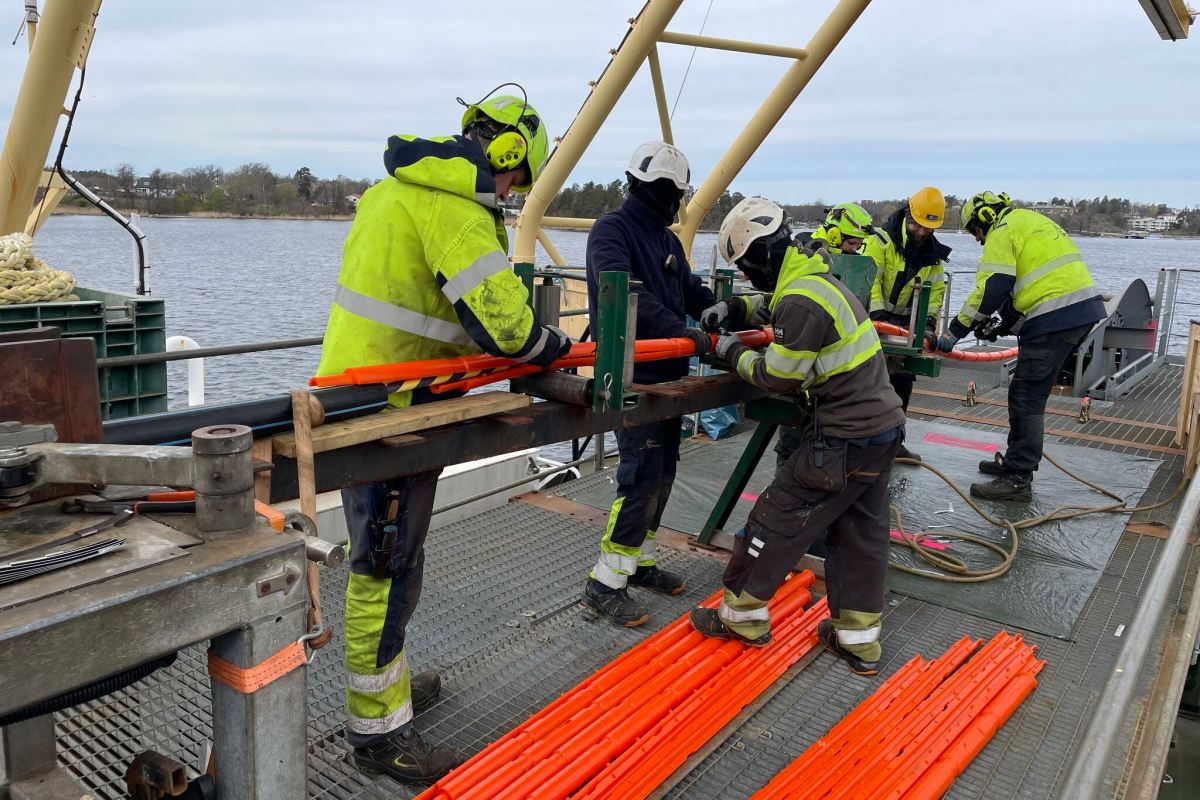
Eastern Light, a Stockholm-based independent operator building and owning long-haul dark fibre submarine cable routes, has started construction of the Nordic Corridor, a new subsea fibre cable system connecting Sweden and Finland.
The project includes the SF-II subsea connection and represents an investment of approximately €30 million (£26 million). Combined with the company’s existing SF-I cable system, the Nordic Corridor is intended to increase digital communications capacity between the two countries.
Eastern Light currently operates the SF-I subsea cable between Sweden and Finland, which contains 144 fibres. The new SF-II system will add a further 288 fibres through a combination of terrestrial and subsea infrastructure.
According to the company, the expanded system is designed to meet increasing demand for digital capacity across the Nordic and Baltic regions, particularly as data centre development accelerates.
Mikael Vesterlund, COO of Eastern Light, says, “We are seeing rapidly growing demand for digital capacity in the Baltic Sea region, driven primarily by investments in data centres across the Nordics.
“Several of the existing cable systems are old and are beginning to reach full utilisation. That is why we need to expand digital capacity between the countries. The Nordic Corridor is an important step in meeting this development.”
New cable route designed around resilience
Eastern Light says the SF-II deployment will take place in several phases. The first stage, extending to Finnish territorial waters near the Åland archipelago, was completed in May.
The company states that the cable route has been designed to remain within national waters, reducing risks associated with international routes and simplifying future repair work if required.
Eastern Light also says the Nordic Corridor is owned and financed by Nordic stakeholders.
Mikael continues, “The Nordic Corridor is a project of critical importance to society. In the event of security incidents, data must be able to take alternative routes.
“That is why we are now strengthening the robustness of the system by building a new fibre connection between Sweden and Finland. More cables are needed.”
The SF-II project will span approximately 480km and has an estimated operational lifespan of around 50 years. The subsea cable itself will weigh approximately 566 metric tonnes.