Aggreko: Power supply will decide AI winners and losers
Author: Joe Peck
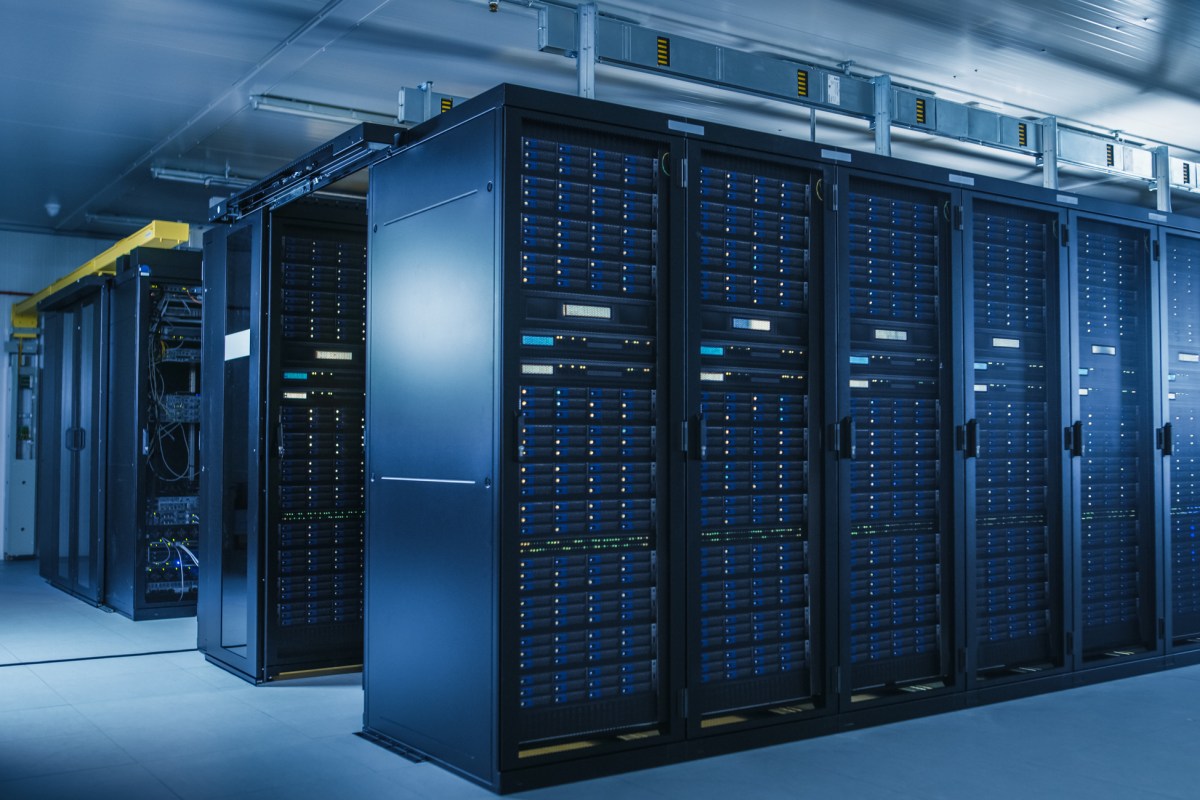
Following the publication of a report that states up to a third of US data centres are expected to be fully off-grid by 2030, Aggreko, a British multinational temporary power generation company, is warning that the European market could follow the same trend, noting that the provision of power will be the deciding factor in the companies and markets that draw the biggest benefit from the ongoing AI boom.
Bloom Energy’s 2026 power report, which looks specifically at developments in the US data centre market, also indicates that data centres are already beginning to move from areas where the grid is strained to those that can offer more ample supply. For instance, Texas’s data centre load is set to double by 2028, while traditionally leading areas like California and Oregon are set to lose 50% of their relative market share.
Billy Durie, Global Sector Head of Data Centres at Aggreko, believes that these findings are a sign of what is to come in Europe, stating, “I am not surprised by the findings of Bloom’s latest report. Securing a reliable power supply has long been the bugbear of data centre operators across the world, though increasing power demand driven by the development of AI is now taking this challenge to new extremes in the US and Europe.
“Depending on which source you look at, AI is set to increase power demand by as much as 150% by 2035, which is why operators are either relocating or taking power provision into their own hands in an attempt to find a permanent solution.
“In my experience, these trends tend to emerge earlier in the US than in Europe, though we can certainly expect this market to follow suit. While this is a global challenge, with older grid infrastructure and more severe strain in Europe, you could even argue that we will see an even more acute response on this side of the pond very soon.”
Moving off-grid in Europe
The effects of grid strain on European data centre development have been well documented. In Scotland, a recent study has indicated that AI data centres could consume up to 75% of the nation’s electricity, while in Switzerland, there are fears that Zurich’s grid no longer has capacity to deal with additional demand.
With comparatively limited options for relocation in Europe, many data centre operators have already turned to decentralised energy, though fully off-grid facilities are yet to be realised on a wider scale.
Among the most popular solutions available on the market today are stage-V generators for short-term projects, while gas generators, microgrids, and renewables coupled with battery energy storage systems (BESS) are all in-demand options for energy provision and bridging power during upgrades.
Small modular reactors (SMRs) also hold a place in the plans of many stakeholders, though are not expected to be commercially available until the end of the next decade, requiring effective bridging solutions in the interim.
Billy concludes, “For European data centre operators who don’t have the same power of relocation that their US counterparts do, the ability to reduce dependence on the grid will be critical. Fortunately, there are already many solutions already available to help them do this, and even more exciting technologies in development.
“Whatever option they choose to deploy, one thing is certain: the ability to source a stable power supply will dictate the winners and losers of the AI boom.”
For more from Aggreko, click here.