Warnings of drone‑enabled cyber threats to critical infrastructure
Author: Joe Peck
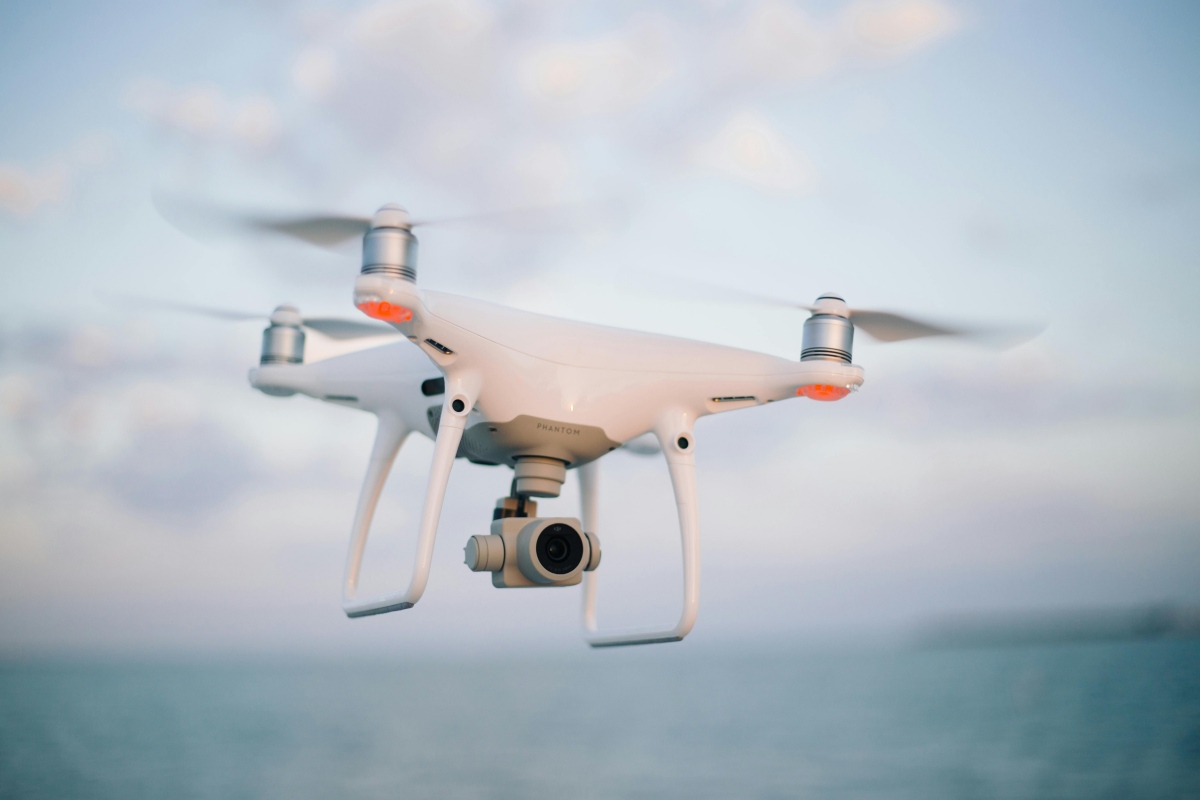
As drone technology becomes more sophisticated and accessible across the globe, researchers from Innovation Central Canberra (ICC) at the University of Canberra have teamed up with Australian tech company DroneShield to understand the risk profile of cyber attacks to critical infrastructure.
With the rapid expansion of drone tech reshaping Australia’s security landscape, Defence, national security, and critical infrastructure are facing new challenges; meeting these requires capability that is not only technologically advanced, but also assessed and refined through rigorous, independent research environments.
“We know how drones have changed traditional warfare, but are we oblivious of the role they play in cyber security?” questions Professor Frank den Hartog, Cisco Research Chair in Critical Infrastructure at the University of Canberra. “That’s a worry, and an opportunity for our drone and cyber industry.”
The project began with a team comprising Professor den Hartog and ICC students – namely Andrew Giumelli and Simone Chitsinde – undertaking targeted analysis and interviewing critical infrastructure operators to further understand the cyber threat environment through the use of drones.
Increasing threats to critical infrastructure
In the independent report, researchers found no recorded domestic cyber incidents using drones to date, but also noted that limited drone detection capabilities and awareness, minimal government guidance, and rising drone use are creating vulnerabilities.
This highlights a gap in reporting on drone-enabled cyber threats in Australia. The findings warn that the combinations of steadily increasing drone capability, limited awareness across industries, and a lack of targeted government guidance is creating a widening gap.
The report emphasises that drones are no longer emerging technology. Their capability, affordability, and accessibility have increased dramatically in recent years, and malicious actors are experimenting with drone-borne cyber techniques overseas.
Within the next five years, as drone and cyber capabilities continue to evolve, operators may need to reassess the likelihood and relevance of drone-enabled cyber threats.
Professor den Hartog continues, “This research highlights the need for greater education, more industry collaboration, improved knowledge sharing, and broader consideration of counter-drone capabilities across critical infrastructure sectors.
“We need to encourage operators to periodically and critically review how drones are used within their operations, assess the cybersecurity implications of increased adoption, and explore strategies to integrate drone risk into existing security and resilience programs.”
DroneShield’s engagement with ICC highlights the broader importance of research-industry collaboration in strengthening countries’ sovereign capabilities. Acknowledging this, both organisations say they are exploring opportunities to continue the partnership.