Data Centre Projects: Infrastructure Builds, Innovations & Updates

atNorth to develop 230MW data centre in Finland
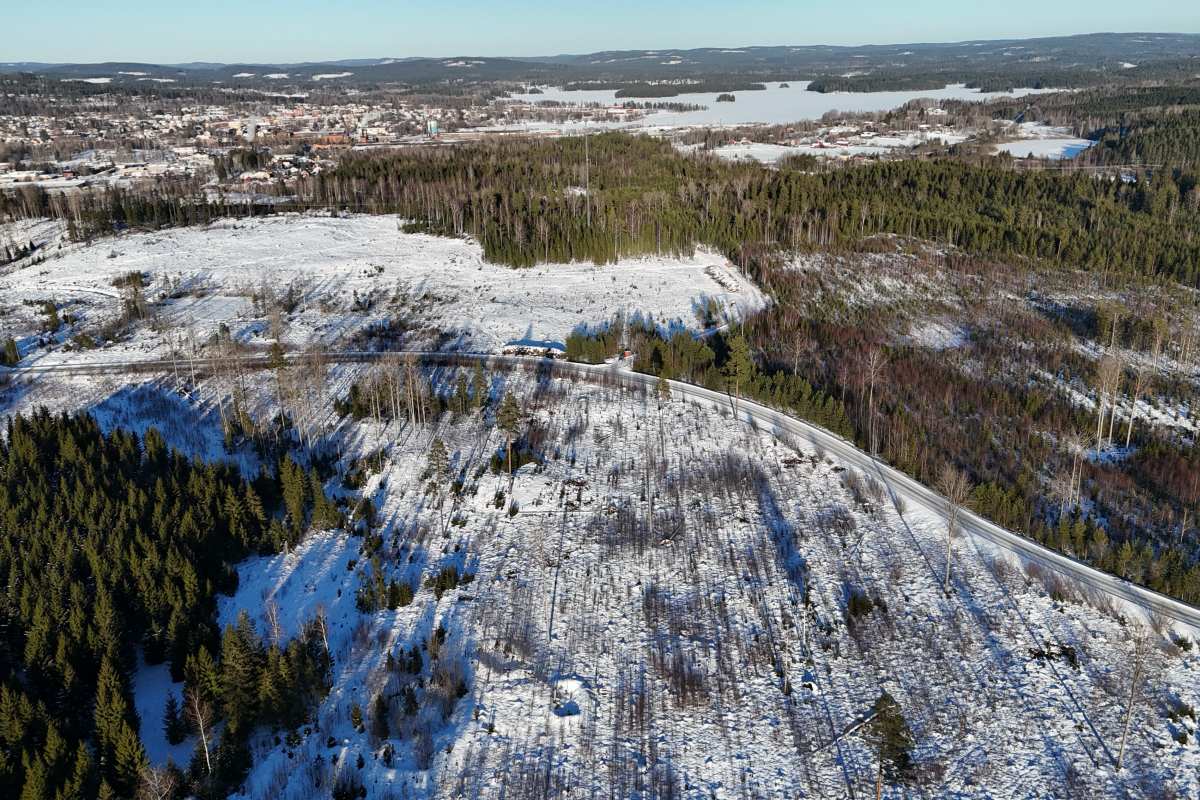
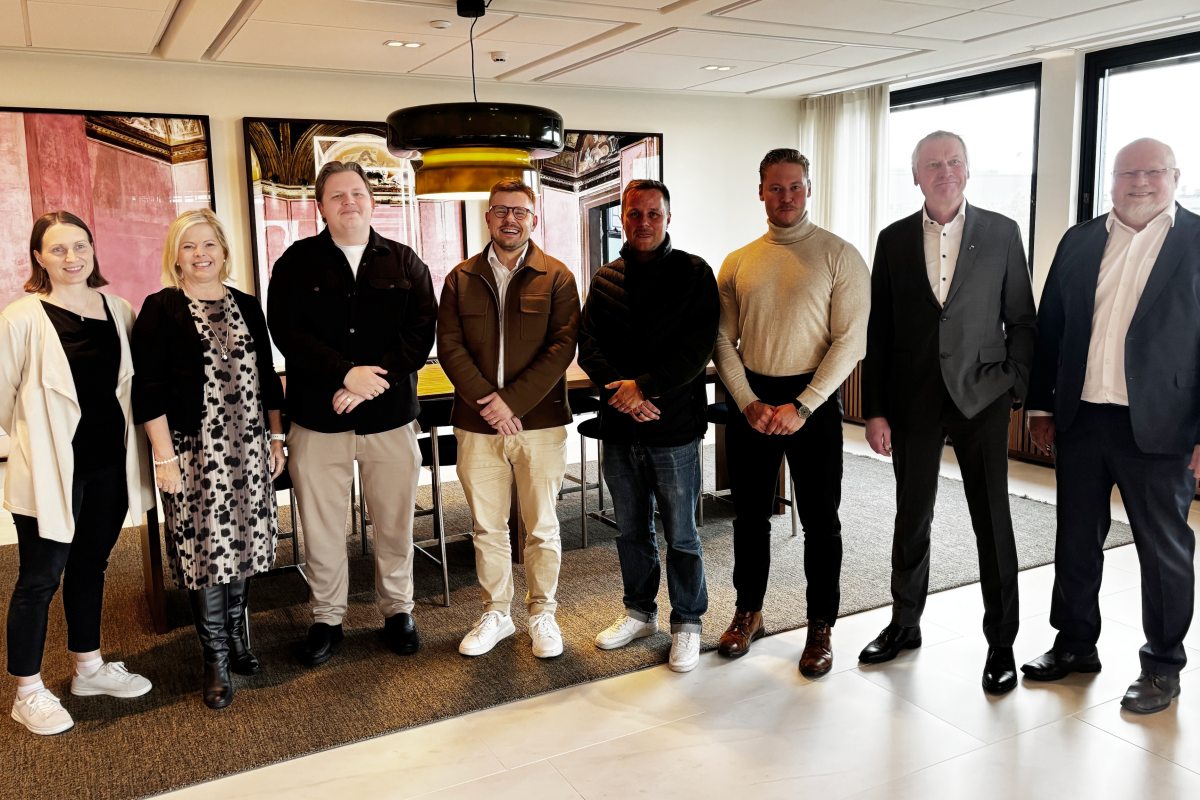
atNorth, a Nordic high-density data centre provider, has announced plans to develop a new data centre in Salo, Finland, with 75MW of power secured for the first phase and a potential capacity of up to 230MW across the wider site. The FIN05 data centre will be developed on a 28.6-hectare site, which will connect through a Fingrid substation. atNorth says Salo offers access to connectivity, resilience, and Finland’s digital talent pool, as well as proximity to Helsinki. The company expects to invest approximately €2 billion (£1.6 billion) in the site, excluding customer-owned servers and their installation, which could represent a further investment of up to €10 billion (£8.4 billion). atNorth plans to enter into long-term power purchase agreements (PPAs) with local energy suppliers, alongside flexibility measures intended to support the operation of Fingrid’s transmission grid. It will also work with local stakeholders to explore opportunities to reuse heat generated by the data centre. Supporting local energy and economic development The project builds on atNorth’s existing heat reuse collaborations with Kesko Corporation in Finland, Stockholm Exergi in Sweden, and Vestforbrænding and Selected Group in Denmark. Eyjólfur Magnús Kristinsson, CEO of atNorth, says, “FIN05 is an opportunity to develop critical digital infrastructure while working with the region to create lasting local value. “We are exploring how local energy partnerships, flexibility solutions, and heat reuse can contribute to the wider energy system and community. We look forward to working with Salo and regional partners as the project develops.” Salo Mayor Anna-Kristiina Korhonen has suggested the development would create employment opportunities during construction and ongoing operations, whilst also generating wider economic benefits for local businesses. Matti-Juho Ervasti, Partner at Regant Oy, has noted that the project demonstrates Salo’s potential for major digital infrastructure investment, adding that the site has the scale, planning readiness, and power roadmap required for large data centre projects. FIN05 is part of atNorth’s wider Nordic investment programme, alongside developments in Stockholm and Sollefteå in Sweden, Haugaland in Norway, Ølgod in Denmark, and Kouvola in Finland. For more from atNorth, click here.

Datum progresses Farnborough data centre build
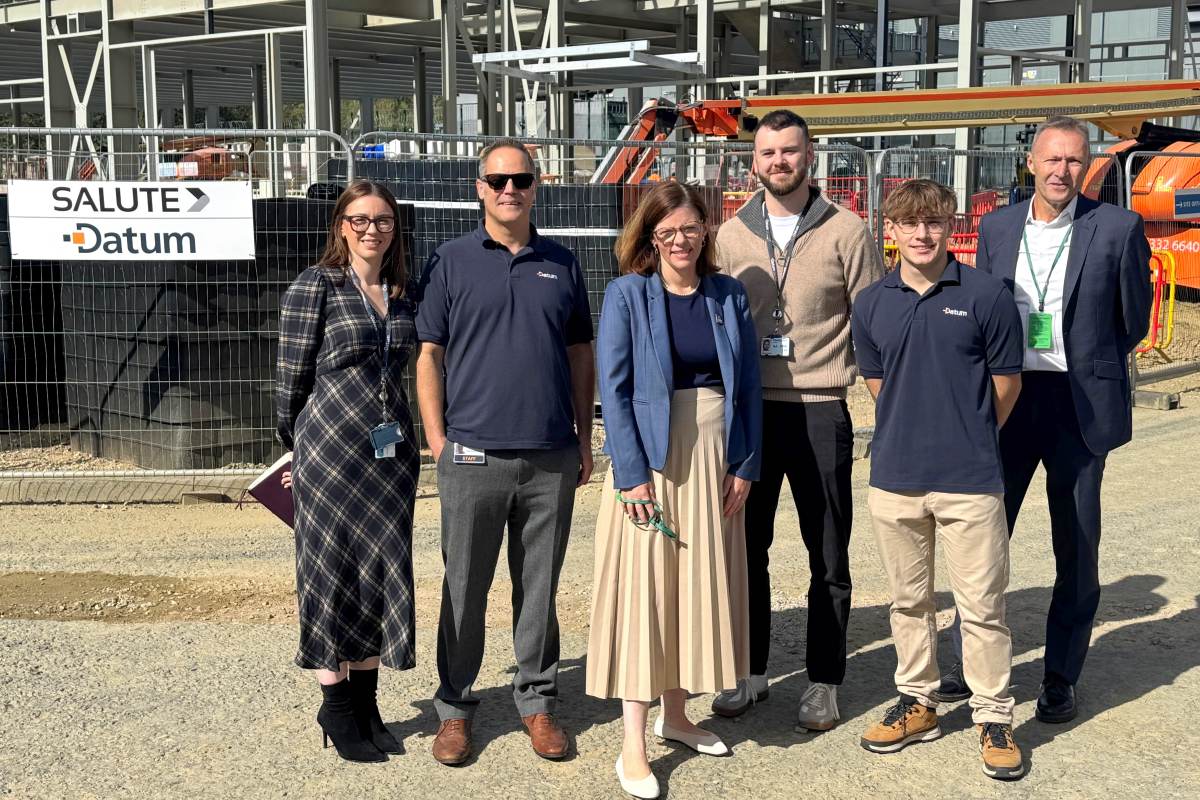
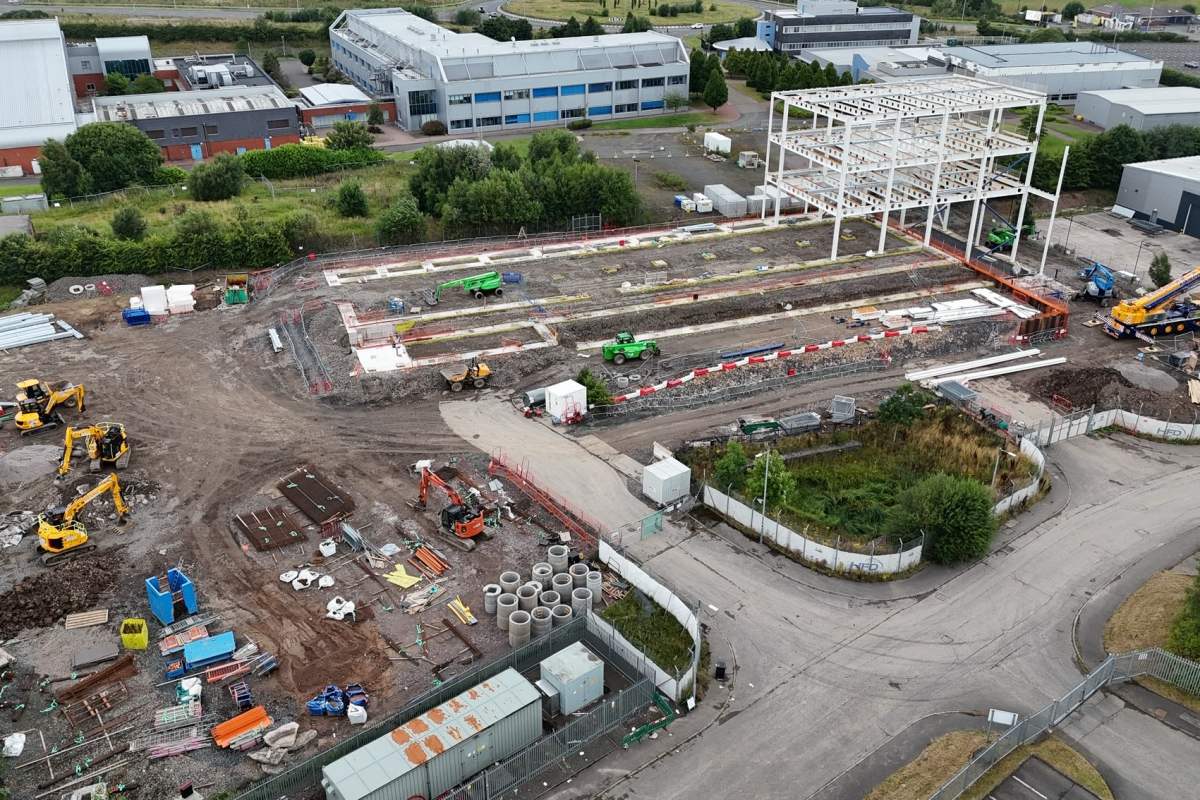
Alex Baker, Labour MP for Aldershot, has toured UK data centre provider Datum Datacentres' Cody Technology Park campus to see progress on FRN2, the company's second Farnborough data centre. The steel frame is now complete, with construction having moved to the roof. FRN2 is targeted to become operational in 2027, adding 22,000ft² (2044m²) of technical space and supporting up to 30kW per rack. The project is being delivered at Cody Technology Park, which Datum describes as one of the UK's most secure technology campuses. The development is expected to create skilled jobs during construction and operation. Alex Baker MP comments, “This is a hugely significant project for Farnborough which will help to provide the digital services that businesses in our area need to grow. "Datum’s business creates skilled jobs and valuable training opportunities for local people - directly and indirectly - while showing how investment in our digital infrastructure can support a more sustainable future. I look forward to returning when the new data centre opens its doors.” FRN2 construction reaches roof stage Mark Richards, Chief Financial Officer at Datum Datacentres, notes, “There aren't many places in the UK where you could build a facility like FRN2, and we're fortunate that one of them is our home. "The frame is up, the roof is underway, and, by 2027, this building will be supporting organisations across the country. It matters to us that our MP took the time to see the work while it's happening, because construction is the part of a data centre's life the public never usually sees.” The development follows construction of a similarly specified facility at Datum's northern campus in Manchester. Launched in June 2025, MCR2 is providing data centre capacity for the North West's digital economy. For more from Datum Datacentres, click here.

T5 Services creates EverOn data centre business
T5 Services has announced changes to its construction and operations businesses, with T5 Construction becoming EverOn Data Center Services (EverOn DCS), while T5 Operations is set to join Salute. Effective from 1 September, EverOn DCS will operate as an independent data centre construction company focused on mission-critical digital infrastructure. At the same time, T5 Operations has entered into a definitive agreement to join Salute, bringing the two organisations' operations businesses together. EverOn DCS has grown from $87 million (£64 million) in revenue in 2021 to $1.7 billion (£1.2 billion) in 2025, with 83% of its 2025 revenue coming from third-party construction projects. The business was originally established within T5 Data Centers and now works with hyperscale, developer, enterprise, and AI customers across North America. According to T5 Services, establishing EverOn DCS as an independent company will allow it to focus on its third-party construction activities as demand for data centre capacity increases. The company has completed more than 260 construction projects, delivering more than 12 million square feet (1.1 million square metres) of data centre space across the United States. Its activities include ground-up campus construction, data hall fit-outs, retrofits and upgrades, design-build delivery, LLE equipment procurement, commissioning oversight, QA/QC, owner advisement, and preconstruction services. EverOn also has experience with direct liquid cooling, high-density AI infrastructure, and construction in live, energised mission-critical environments. T5 Operations to join Salute Salute has announced an agreement to acquire T5 Operations, which will bring the operations teams together and aims to give customers access to a broader range of technical resources and geographic coverage, according to the companies. EverOn and Salute will continue to work together as strategic partners, with the companies stating that collaboration between construction and operations will support operational readiness and long-term facility performance. Pete Marin, CEO and Chairman of T5 Data Centers, comments, "This is a strategic evolution that strengthens both businesses. Our construction business has grown significantly beyond its original mandate, earning the trust of third-party developers and hyperscalers, and establishing EverOn gives [the] organisation the independence and focus to continue scaling. "At the same time, bringing our T5 Operations team together with Salute creates an even stronger platform dedicated to helping customers maximise uptime and operational excellence. We’re incredibly proud of what both teams have built and excited about what comes next.”

Pure DC begins final build phase of 90MW LON01 campus
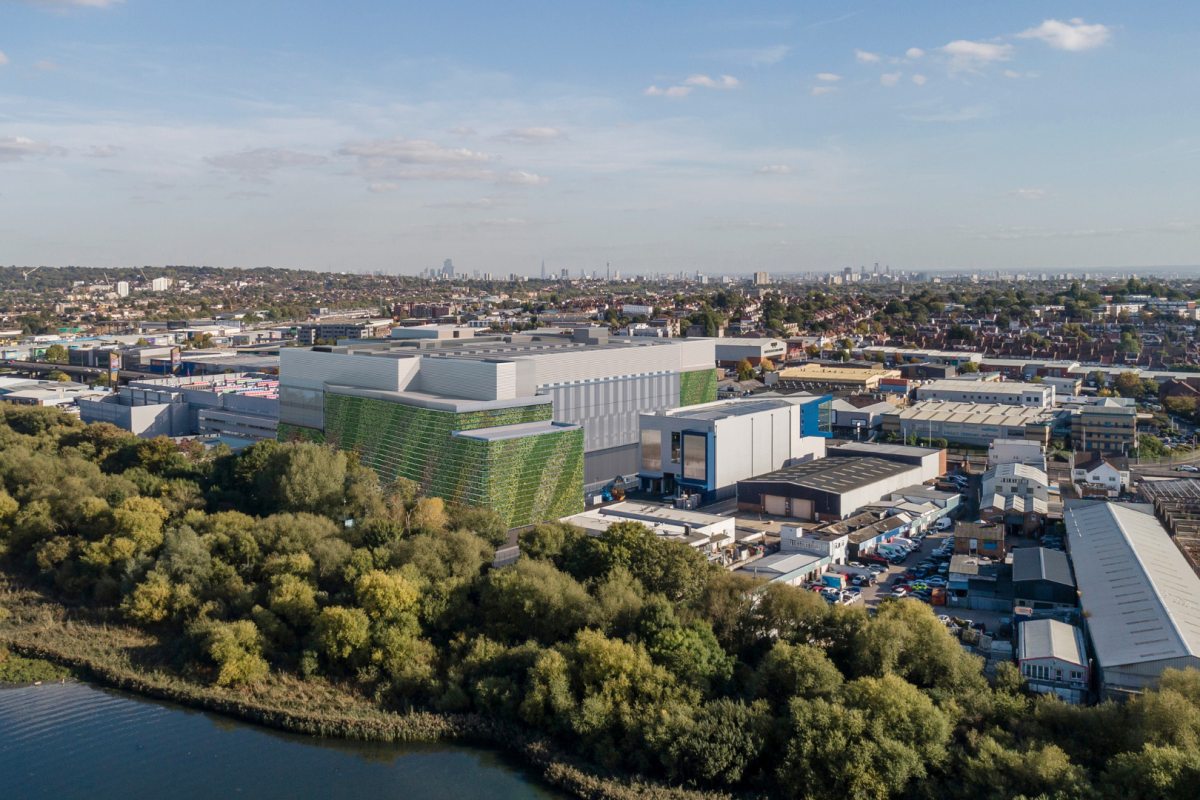
Pure Data Centres Group (Pure DC), a designer, developer, and operator of hyperscale data centres, has begun the final major construction phase of its £1 billion LON01 Brent Cross data centre campus in North London. General contractor Glencar has started piling works for the West Shell of the 70MW LON01B2 facility, with the development set to add more than 23,000m² to the campus. Completion is scheduled for Q2 2029, bringing total capacity to 90MW. LON01B2 will form part of a closed-loop, liquid-cooled data centre designed to support high-density AI inference and cloud workloads. The development includes recycled steel and other low-carbon materials. Once complete, more than 750,000 plants will be used to create a living wall around B2, intended to reduce noise and air pollution while also supporting biodiversity near Brent Reservoir’s Site of Special Scientific Interest. Dan Priest, Campus Delivery Director at Pure DC, notes, “Piling commencement represents an important milestone in the continued development of our Brent Cross campus. "LON01B2 is a major part of our investment in London’s digital infrastructure, and it is encouraging to see the final stage of construction now progressing on site.” Glencar is delivering the West Cold Shell, including piling and foundations, underground services, structural works, the building envelope, and roofing. Construction is taking place alongside operations and fit-out activity across the live campus. For more from Pure DC, click here.

Yamna reserves land for 250MW Brazil data centre
Yamna, a green hydrogen and derivatives platform, has signed a land reservation agreement at the Port of Açu in Brazil to support the development of a hyperscale, AI-ready data centre campus. The agreement secures an initial 20-hectare site within the Port of Açu industrial complex, 280km northeast of Rio de Janeiro, with a preferential right to expand by a further 20 hectares. The proposed campus is planned to have an initial capacity of 250MW in its first phase, with the potential to scale over time. Brazil is Latin America’s largest data centre market, with Microsoft, AWS, Google, and Oracle operating cloud regions in the country. Installed data centre IT capacity is approximately 1GW and is projected to triple by 2030, driven by AI workloads, cloud adoption, and hyperscale expansion. The Port of Açu site provides access to power, land within an established industrial complex, and potential subsea cable connectivity. What's more, Brazil’s national grid is approximately 85% renewable. The project builds on Yamna’s existing presence at the Port of Açu through its green hydrogen initiatives, as well as its relationships with local stakeholders and experience with the region’s regulatory environment. Abdelaziz Yatribi, CEO of Yamna, comments, “Securing this site at the Port of Açu is a major milestone in the expansion of [the] Yamna Digital Infrastructure global development platform. This project positions us to deliver hyperscale, AI-ready capacity at scale. "By combining our development expertise, power and large infrastructure development experience, strong local partnerships, and disciplined approach to project execution, we are creating a platform that can move quickly from development to delivery while providing an attractive opportunity for future partners and customers.” Port of Açu site offers expansion potential Eugenio Figueiredo, CEO of Porto of Açu, adds, “Yamna’s decision to expand its presence at the Port of Açu by reserving land for a future data centre reaffirms the company’s confidence in our assets and our long-term development vision. "We offer a unique combination of advantages for this type of project, including ample land availability, water from multiple sources, clean energy connected to Brazil’s National Interconnected System (SIN), and the potential for subsea cable connectivity through maritime routes. "These competitive strengths, combined with our industrial and logistics infrastructure, position the Port of Açu as one of the most attractive locations in Brazil for investments in digital infrastructure.” Yamna says it will now continue development work on the project, with further activities intended to reduce project risk and support the planned delivery timeline.

DataVita submits plans for third Chapelhall data centre
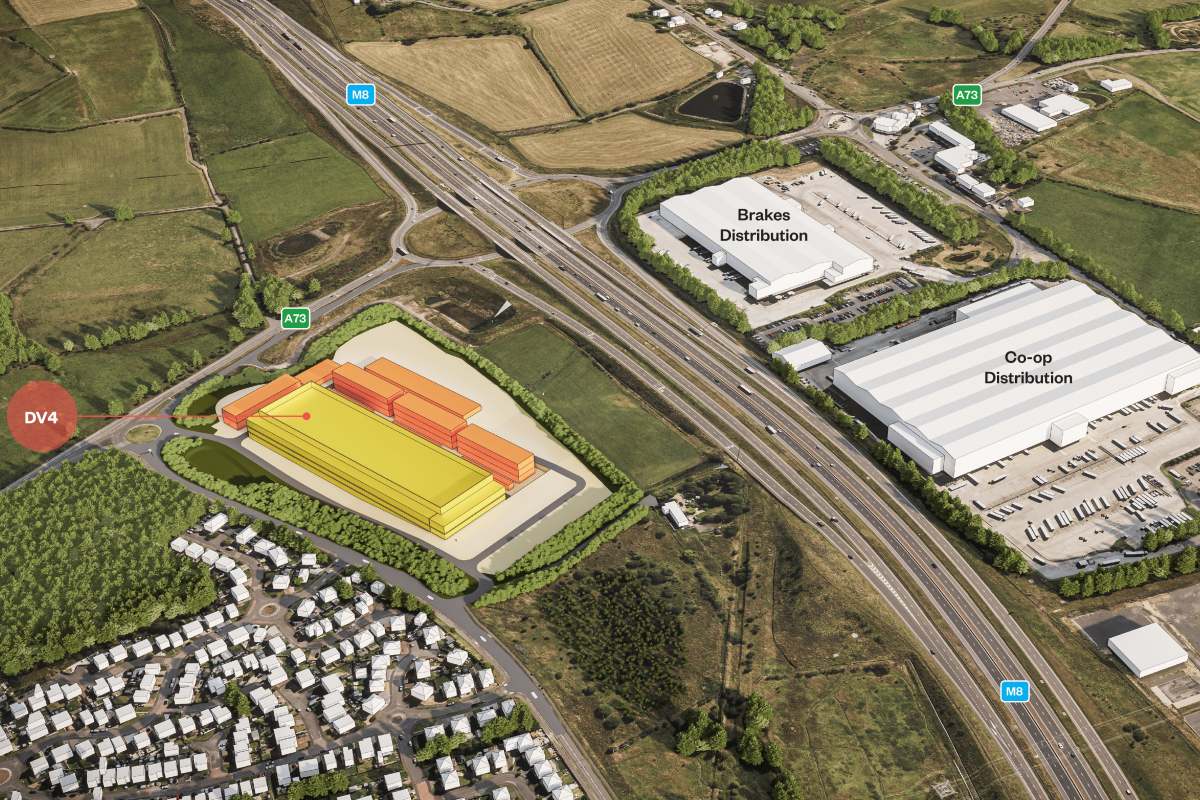
DataVita, a UK data centre and cloud services provider, has submitted a planning application to North Lanarkshire Council for DV4, a proposed data centre at Chapelhall, as the company expands its existing campus. The site forms part of the Lanarkshire AI Growth Zone, designated by the UK Government in January 2026 as the first AI Growth Zone in Scotland. DataVita has operated at Chapelhall for more than 10 years. It owns and operates DV1, which the company describes as Scotland’s largest purpose-built Tier III-certified data centre, and is constructing DV3 next door. The company also operates a second facility in Glasgow. The application for planning permission in principle is supported by technical assessments covering energy and decarbonisation, noise, air quality, transport, flood risk and drainage, ecology and landscape, heritage, ground conditions, economic impact, and construction environmental management. DataVita also held four public consultation events, compared with the two required, and published exhibition material and a public FAQ online. The company says feedback from the consultation influenced the development design. Changes include reducing the maximum building height from 30m to 26m; moving an operational plant to the south of the building, away from homes; and planting around 1 kilometre of new native hedgerow, at least twice the length being removed. A feasibility study is also under way for a community garden and greenhouse heated using surplus data centre heat. DataVita says the proposal was raised by residents during consultation and would be funded through a community investment fund. Danny Quinn, Managing Director of DataVita, comments, "We have seen a lot of data centre speculation in Scotland recently, and the vast majority of it will never be built. "DataVita has been operating in Scotland for more than 10 years, and we already underpin a lot of the critical services used day in, day out, across Scotland. We built DV1 at Chapelhall, we are building DV3, and we run them ourselves with a Scottish team. DV4 is the next stage of that campus. "Not all data centres are the same, and we are keen to change the public perception. Scotland has an opportunity not only to become a data centre location, but an exporter of intelligence via low-carbon data centres. We don't think of exporting barley when we talk about the success of our whisky industry, and data centres should be no different. "The application is now with the council and open for comment, and I would encourage people to look at the detail." DV4 targets renewable power and low water use DataVita says DV4 has been designed around four criteria recommended by the Scottish Government for green data centres. The facility is planned to operate using 100% renewable electricity backed by certificated Scottish generation, with a target power usage effectiveness (PUE) of below 1.25. Its liquid cooling system will use a sealed, closed loop, with no evaporative cooling. DataVita has set a water usage target of 0.05 litres per kilowatt hour or lower. Heat recovery will also be incorporated from the outset, with DataVita in discussions with the Monklands Replacement Hospital and neighbouring BioCity campus about potential uses for surplus heat. The company has submitted an air quality assessment covering what it describes as deliberately extreme operating scenarios. These include all standby generators across DV1, DV3, and DV4 operating simultaneously, as well as a continuous 72-hour emergency. The DV4 generators will use renewable HVO fuel and advanced emissions controls. The installation will operate under a SEPA permit, which applies the best available techniques standard. The development represents £849.6 million of construction investment over two years, supporting 2,650 construction job years and 120 permanent skilled roles on site. DataVita also plans to provide apprenticeships, with at least 40% of capital contracts expected to be delivered by local suppliers. DV4 is expected to generate more than £30 million in business rates for North Lanarkshire Council over 25 years. DataVita also plans to invest £75 million over 15 years through a DV4 Community Investment Fund, which will be governed by an independent board and used for locally generated and led projects. The Lanarkshire AI Growth Zone is part of the UK Government’s Modern Industrial Strategy and is expected to bring £8.2 billion of private investment, more than 3,400 jobs, and a community fund of up to £543 million to the region. Scotland’s AI Strategy 2026-2031, published by the Scottish Government in March 2026, includes a commitment to promote Scotland as a centre for green data centres and to maximise the economic potential of the Lanarkshire AI Growth Zone. Data centres of this type are recognised as a national development under National Planning Framework 4. The application will be available through North Lanarkshire Council’s planning portal once validated, with members of the public able to make representations as part of the statutory planning process. For more from DataVita, click here.

Pulsant invests £1m in Birmingham data centre
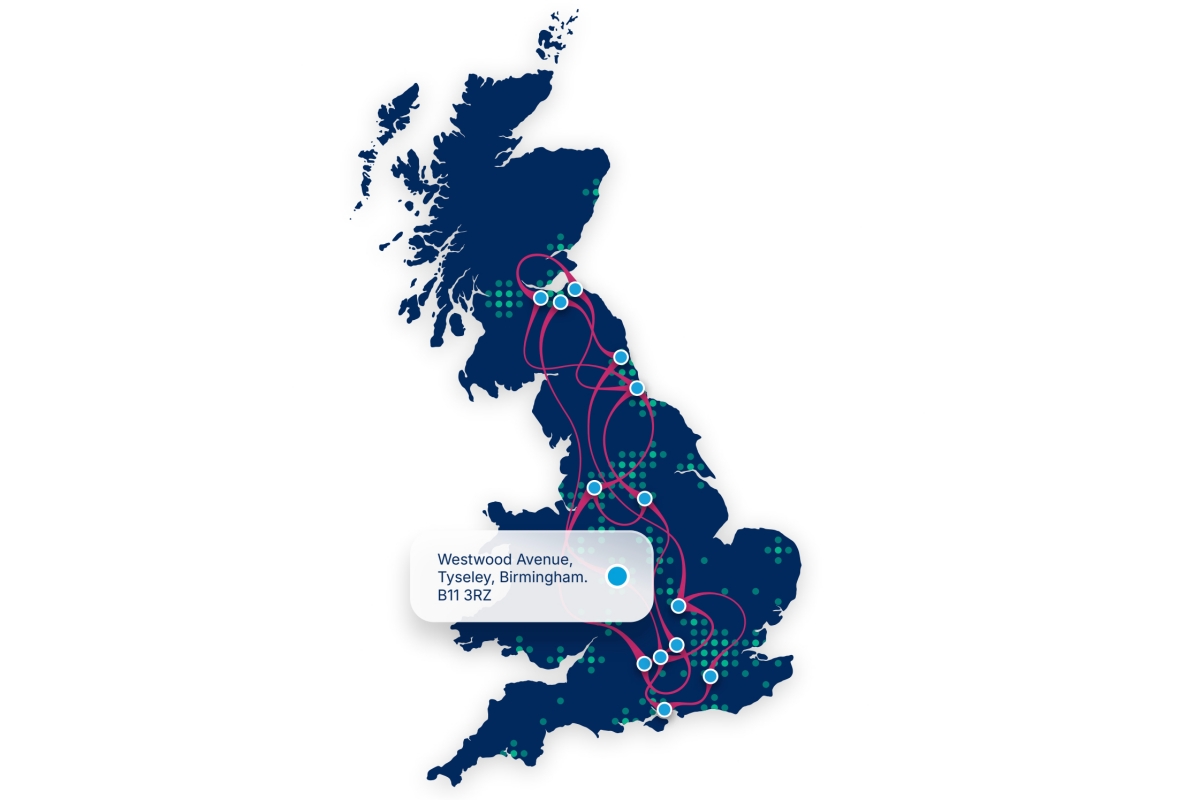
UK data centre operator Pulsant is investing £1 million in its Birmingham data centre to support growing demand for AI and advanced computing in the UK’s "second city". The investment will fund infrastructure upgrades at the 2,405m² facility, which Pulsant acquired from IT services provider Specialist Computer Centres (SCC) last year. Located five miles southeast of the Birmingham city centre, the site has been integrated into Pulsant’s UK-wide edge infrastructure platform, which connects 14 regional data centres from Edinburgh to Fareham on the south coast. The facility provides local businesses with access to data centre infrastructure and more than 1,600 technology providers, including international carriers. The investment also includes security upgrades and a refurbishment of the facility for Pulsant staff and regional businesses that maintain their own infrastructure on site. Rob Coupland, CEO of Pulsant, says, “A year on from our acquisition in Birmingham, we’re excited to unveil powerful new capabilities in the UK’s second city - an economic powerhouse which has traditionally been underserved in terms of digital infrastructure. “We’re investing in our data centres to meet the urgent need for ultra low-latency, sovereign compute power across the UK. Our platform is here to support inference AI workloads today, and now we’re all set to scale in Birmingham as demand grows. “Businesses can move, store, and process their data securely close to where they’re based, rather than relying on public internet or routing through [an] increasingly constrained London, while also gaining access to a global ecosystem of tech partners.” Midlands businesses plan technology investment Recent Pulsant research found that the Midlands was the most data-confident region in the UK, with the most ambitious investment plans. More than 60% of Midlands businesses expect to make significant increases in technology investment within two years, compared with a national average of 47%. Russell Brown, CEO of SCC UK, comments, "We've worked closely with Pulsant over the last year and welcome this continued investment in UK digital infrastructure. "As organisations adopt AI and manage increasingly critical workloads, they are placing greater importance on resilience, security, and knowing where their data is stored and processed. "Investments like this help strengthen regional capability, give organisations more choice, and support the long-term growth of businesses across the Midlands and the wider UK." Pulsant worked with European fibre network provider Zayo Europe to connect the Birmingham site to its nationwide platform. Colman Deegan, CEO of Zayo Europe, notes, “Industry leaders constantly focus on compute power, but raw capacity is only half the equation. "Pulsant’s Birmingham upgrade solves the local power and space challenge, but heavy AI workloads will continue to stall if the underlying fibre networks can’t handle the traffic. That’s where this strategic partnership comes in. “By plugging the facility directly into our national backbone, we’re removing the infrastructure guesswork for Midlands businesses. It cuts out the London bottleneck entirely, delivering the seamless, low-latency connection required to run real-world AI applications across the region.” For more from Pulsant, click here.

EcoDataCenter to establish third data centre in Sweden
Swedish sustainable data centre operator EcoDataCenter has signed an agreement with Smedjebacken Municipality to purchase 52 hectares of land for its third data centre campus in Sweden’s Dalarna region. The agreement follows a letter of intent between the company and municipality that has been in place since 2019. Construction is expected to begin once building and environmental permits are finalised, which is anticipated in early 2027. The campus has an initial planned capacity of 150MW, with potential for further expansion. Once fully developed, it is expected to support 125–150 permanent jobs, alongside several hundred additional roles during construction. As EcoDataCenter’s third site in Dalarna, the development follows its original campus in Falun and a second facility in Borlänge. Smedjebacken campus adds Swedish capacity The company says the new campus will expand its data centre capacity in a region that already hosts several hyperscale operators. Peter Michelson, CEO of EcoDataCenter, comments, "We have our roots in the region, and being able to continue to grow here is very important to us. We've had many productive discussions with Smedjebacken since 2019, and we are now taking the next step in this establishment." Fredrik Rönning, Chair of the Municipal Executive Board at Smedjebacken Municipality, adds, "This is a major step towards breaking ground. An establishment of this scale means a great deal for the local labour market. EcoDataCenter's high ambitions on sustainability were a decisive factor in the municipality's decision." For more from EcoDataCenter, click here.

DataVita secures £300m for Scottish data centres
DataVita, a UK data centre and cloud services provider, has secured approximately £300 million in debt financing to expand its existing data centre and also build a second facility in North Lanarkshire’s AI Growth Zone, supported by a £202 million guarantee from the National Wealth Fund. The financing has been provided by ING, ABN AMRO, Santander, the Scottish National Investment Bank, and Siemens Financial Services through Siemens Bank. The National Wealth Fund guarantee covers £202 million of a £252.5 million lending tranche provided by ING, ABN AMRO, and Santander. Financing from the Scottish National Investment Bank and Siemens Financial Services is not covered by the guarantee. The investment will expand DataVita’s existing DV1 data centre and fund construction of DV3. Capacity at both facilities has been contracted to AI cloud provider CoreWeave under a 15-year lease agreement. The two projects are expected to create around 600 construction jobs and approximately 100 permanent skilled roles once completed. North Lanarkshire AI campus takes shape The developments are intended to form the first stage of a larger planned data centre campus in North Lanarkshire, following the site’s designation as Scotland’s first AI Growth Zone earlier this year. DataVita has operated in Scotland’s digital infrastructure sector for more than 10 years, providing data centre infrastructure, cloud services, and connectivity for customers including government bodies, local authorities, and universities. The project is the National Wealth Fund’s first support for domestic compute capacity and is intended to contribute to the UK Government’s Compute Roadmap and Scotland’s five-year AI strategy. Oliver Holbourn, CEO of the National Wealth Fund, says, “New compute capacity is key to unlocking the UK’s future, yet private finance can be difficult to secure for emerging infrastructure at this scale. The National Wealth Fund’s guarantee is helping address that gap, giving lenders the confidence to invest.” Danny Quinn, Managing Director at DataVita, comments, “There is plenty of talk about AI infrastructure just now. This project is being delivered: work is well advanced on site, every megawatt is contracted, and the first facility completes this year. “The UK needs its own AI capability, built here and run here, and we are grateful to the National Wealth Fund and our lenders for backing a project that is already delivering it.” UK AI Minister Kanishka Narayan adds, “The countries that build the infrastructure behind this technology will be the ones that attract investment, create jobs, and help shape the industries of the future.” The Scottish Government’s Economy Secretary Stephen Flynn suggests that the investment will contribute to more than 3,400 jobs and more than £8 billion in private investment associated with the North Lanarkshire AI Growth Zone. For more from DataVita, click here.

EdgeMode, BlackBerry to merge into BLACK AI
Data centre developer EdgeMode and investment firm BlackBerry Alternative Investment Fund (AIF) have signed a memorandum of understanding (MOU) outlining plans to merge and establish BLACK AI, a publicly listed AI infrastructure development platform. The proposed merger remains subject to final commercial terms, due diligence, definitive agreements, and customary closing conditions. The two organisations have worked together for almost 12 months and intend to combine EdgeMode's public company platform and AI infrastructure portfolio with BlackBerry AIF's experience in project development, renewable energy, infrastructure, and commercial execution. BLACK AI will initially focus on AI infrastructure projects in Spain and Panama, with plans to consider opportunities in additional international markets. Vision 2035 strategy BLACK AI's long-term strategy, Vision 2035, will focus on developing AI infrastructure projects, potentially monetising selected assets at the 'ready-to-build' stage, and progressing other projects through development and construction. The strategy also includes the potential to retain selected infrastructure assets as part of a portfolio intended to generate recurring cash flow. Charlie Faulkner, CEO of EdgeMode, comments, "What excites me most isn't the transaction itself; it's the partnership behind it. "Over the past year, Jose, Simon, and I have built enormous trust, respect, and friendship. The more we worked together, the more obvious it became that we weren't trying to build competing businesses; we were trying to build the same company. "Jose has assembled an outstanding team with exceptional technical and commercial expertise and, together, we believe we have the opportunity to build something truly special. "BLACK AI combines project development capability, strategic partnerships, and access to the public capital markets in a way that positions us to pursue a genuinely long-term vision. "AI infrastructure is one of the defining investment themes of our generation, and we believe BLACK AI has the opportunity to become a significant international platform over the decade ahead." Jose Mora, CEO of BlackBerry AIF, adds, "This partnership is built on a shared vision, complementary expertise, and a common ambition to build something exceptional. "By bringing together our development capability with EdgeMode's public-market platform, we believe BLACK AI will be well positioned to develop large-scale AI infrastructure across multiple international markets. "We believe speed, execution, and long-term thinking will define the winners in this industry and, together, we are creating a platform designed to achieve exactly that." For more from EdgeMode, click here.


Translate »