Exclusive
Data Centre Architecture Insights & Best Practices
Data Centre Build News & Insights
Exclusive
Exploring Modern Data Centre Design
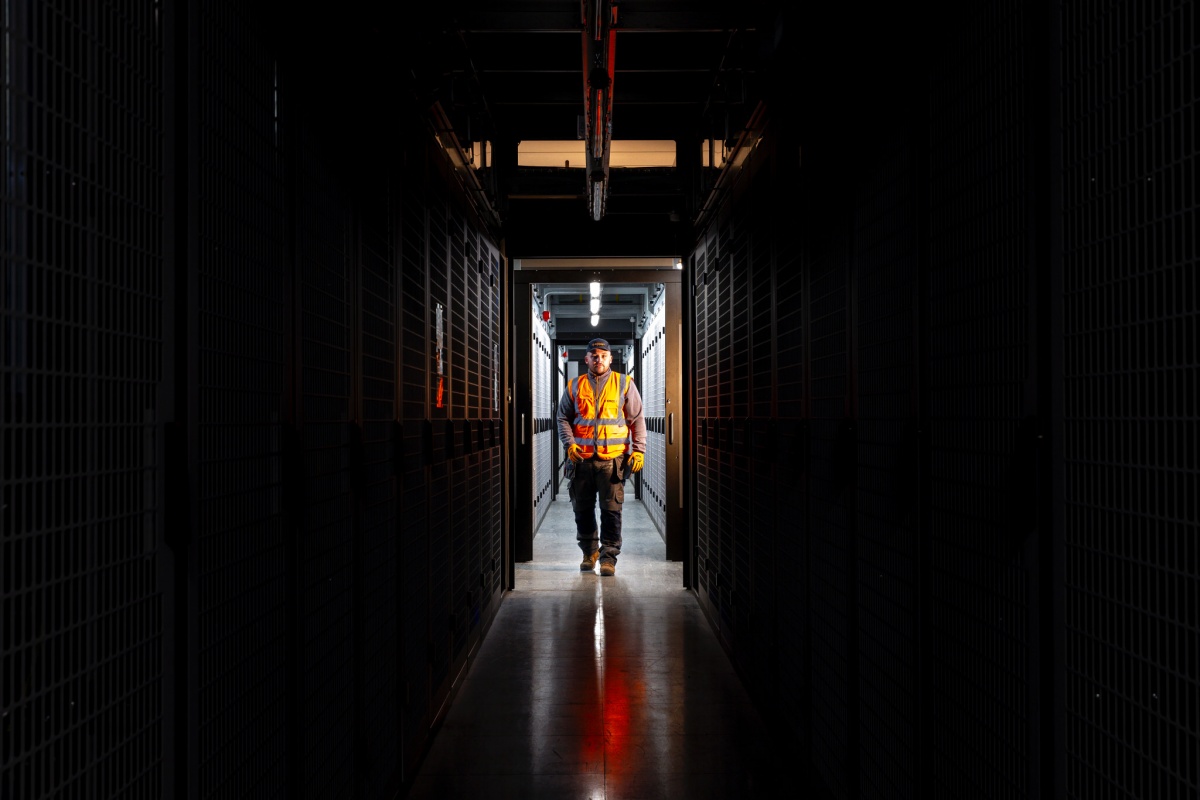
Data centre delivery: How consistency endures
In this exclusive article for DCNN, Steve Clifford, Director of Data Centres at EMCOR UK, describes how end-to-end data centre design, building, and maintenance is essential for achieving data centre uptime and optimisation:
Keeping services live
Resilience and reliability. These aren’t optional features of data centres; they are essential requirements that require precision and a keen eye for detail from all stakeholders. If a patchwork of subcontractors are delivering data centre services, that can muddy the waters by complicating supply chains. This heightens the risk of miscommunication, which can cause project delays and operational downtime.
Effective design and implementation are essential at a time when the data centre market is undergoing significant expansion, with the take-up of capacity expected to grow by 855MW - or a 22% year-on-year growth - in Europe alone.
In-house engineering and project management teams can prioritise open communication to help build, manage, and maintain data centres over time. This end-to-end approach allows for continuity from initial consultation through to long-term operational excellence so data centres can do what they do best: uphold business continuity and serve millions of people.
Designing and building spaces
Before a data centre can be built, logistical challenges need to be addressed. In many regions, grid availability is limited, land is constrained, and planning approvals can take years. Compliance is key too: no matter the space, builds should align to ISO frameworks, local authority regulations, and - in some cases - critical national infrastructure (CNI) standards.
Initially, teams need to uphold a customer’s business case, identify the optimal location, address cooling concerns, identify which risks to mitigate, and understand what space for expansion or improvement should be factored in now.
While pre-selection of contractors and consultants is vital at this stage, it makes strategic sense to select a complementary delivery team that can manage mobilisation and long-term performance too. Engineering providers should collaborate with customer stakeholders, consultants, and supply chain partners so that the solution delivered is fit for purpose throughout its operational lifespan.
As greenfield development can be lengthy, upgrading existing spaces is a popular alternative option. Called 'retrofitting', this route can reduce cost by 40% and reduce project timelines by 30%.
When building in pre-existing spaces, maintaining continuity in live environments is crucial. For example, our team recently developed a data hall within a contained 1,000m² existing facility. Engineers used profile modelling to identify an optimal cooling configuration based on hot aisle containment and installed a 380V DC power system to maximise energy efficiency.
This resulted in a 96.2% achievement across rectifiers and converters. The project delivered 136 cabinets, against a brief of 130, and, crucially, didn’t disrupt business-as-usual operations, using a phased integration for the early deployment of IT systems.
Maintaining continuity
In certain spaces like national defence and highly sensitive operations, maintaining continuity is fundamental. Critical infrastructure maintenance in these environments needs to prioritise security and reliability, as these facilities sit at the heart of national operations.
Ongoing operational management requires a 24/7 engineering presence, supported by proactive maintenance management, comprehensive systems monitoring, a strategic critical spares strategy, and a robust event and incident management process.
This constant presence, from the initial stages of consultation through to ongoing operational support, delivers clear benefits that compound over time; the same team that understands the design rationale can anticipate potential issues and respond swiftly when challenges arise. Using 3D modelling to coordinate designs and time-lapse visualisations depicting project progress can keep stakeholders up to date.
Asset management in critical environments like CNIs also demands strict maintenance scheduling and control, coupled with complete risk transparency to customers. Total honesty and trust are non-negotiable so weekly client meetings can maintain open communication channels, ensuring customers are fully informed about system status, upcoming maintenance windows, and any potential risks on the horizon.
Meeting high expectations
These high-demand environments have high expectations, so keeping engineering teams engaged and motivated is key to long-term performance. A holistic approach to staff engagement should focus on continuous training and development to deliver greater continuity and deeper site expertise. When engineers intimately understand customer expectations and site needs, they can maintain the seamless service these critical operations demand.
Focusing on continuity delivers measurable results. For one defence-grade data centre customer, we have maintained 100% uptime over eight years, from day one of operations. Consistent processes and dedicated personnel form a long-term commitment to operational excellence.
Optimising spaces for the future
Self-delivery naturally lends itself to growing, evolving relationships with customers. By transitioning to self-delivering entire projects and operations, organisations can benefit from a single point of contact while maintaining control over most aspects of service delivery.
Rather than offering generic solutions, established relationships allow for bespoke approaches that anticipate future requirements and build in flexibility from the outset. A continuous improvement model ensures long-term capability development, with energy efficiency improvement representing a clear focus area as sustainability requirements become increasingly stringent.
AI and HPC workloads are pushing rack densities higher, creating new demands for thermal management, airflow, and power draw. Many operators are also embedding smart systems - from IoT sensors to predictive analytics tools - into designs. These platforms provide real-time visibility of energy use, asset performance, and environmental conditions, enabling data-driven decision-making and continuous optimisation.
Operators may also upgrade spaces to higher-efficiency systems and smart cooling, which support better PUE outcomes and long-term energy savings. When paired with digital tools for energy monitoring and predictive maintenance, teams can deliver on smarter operations and provide measurable returns on investment.
Continuity: A strategic tool
Uptime is critical – and engineering continuity is not just beneficial, but essential. From the initial stages of design and consultation through to ongoing management and future optimisation, data centres need consistent teams, transparent processes, and strategic relationships that endure.
The end-to-end approach transforms continuity from an operational requirement into a strategic advantage, enabling facilities to adapt to evolving demands while maintaining constant uptime. When consistency becomes the foundation, exceptional performance follows.

Joe Peck - 6 October 2025
Data Centre Architecture Insights & Best Practices
Data Centre Infrastructure News & Trends
Exclusive
Innovations in Data Center Power and Cooling Solutions
Rethinking fuel control
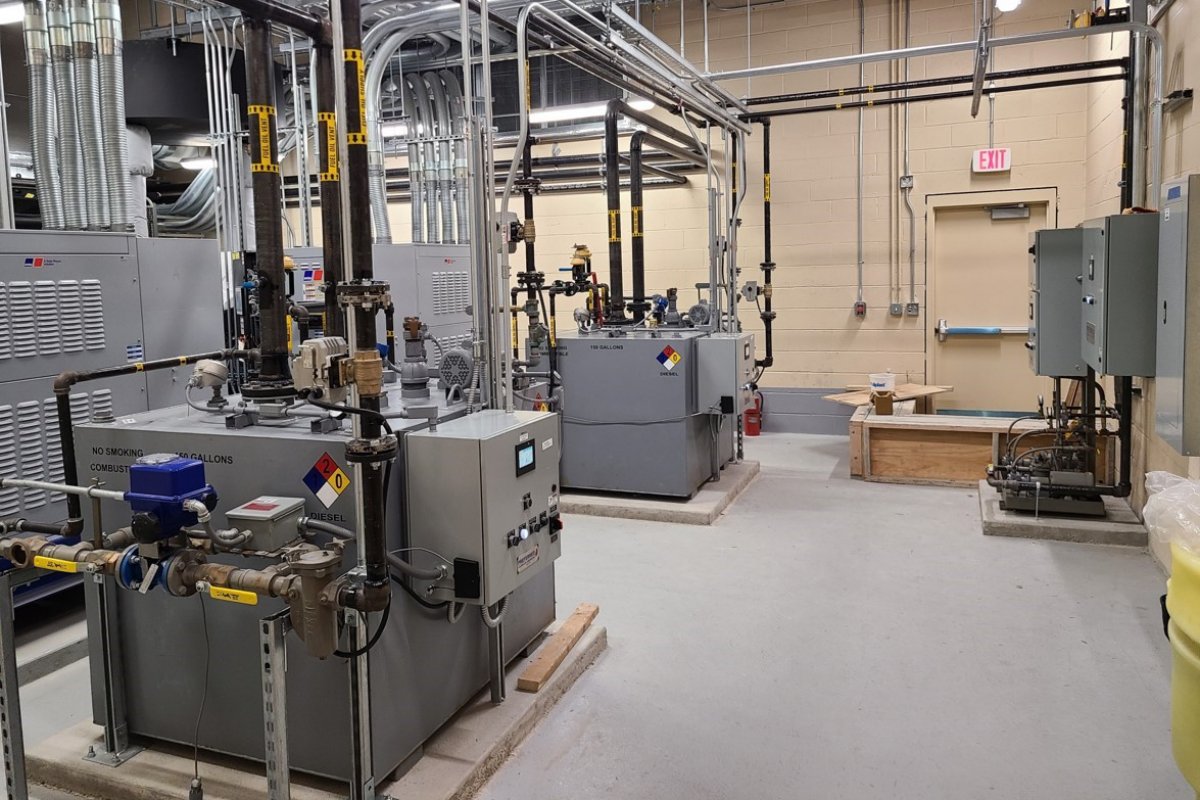
In this exclusive article for DCNN, Jeff Hamilton, Fuel Oil Team Manager at Preferred Utilities Manufacturing Corporation, explores how distributed control systems can enhance reliability, security, and scalability in critical backup fuel infrastructure:
Distributed architecture for resilient infrastructure
Uninterrupted power is non-negotiable for data centres to provide continuity through every possible scenario, from extreme weather events to grid instability in an ageing infrastructure. Generators, of course, are central to this resilience, but we must also consider the fuel storage infrastructure that powers them. The way the fuel is monitored, delivered, and secured by a control system ultimately determines whether a backup system succeeds or fails when it is needed most.
The risks of centralised control
A traditional fuel control system typically uses a centralised controller such as a programmable logic controller (PLC) to manage all components. The PLC coordinates data from sensors, controls pumps, logs events, and communicates with building automation systems. Often, this controller connects through hardwired, point-to-point circuits that span large distances throughout the facility.
This setup creates a couple of potential vulnerabilities:
1. If the central controller fails, the entire fuel system can be compromised. A wiring fault or software error may take down the full network of equipment it supports.
2. Cybersecurity is also a concern when using a centralised controller, especially if it’s connected to broader network infrastructure. A single breach can expose your entire system.
Whilst these vulnerabilities may be acceptable in some industrial situations, modern data centres demand more robust and secure solutions. Decentralisation in control architecture addresses these concerns.
Distributed logic and redundant communications
Next-generation fuel control systems are adopting architectures with distributed logic, meaning that control is no longer centralised in one location. Instead, each field controller—or “node”—has its own processor and local interface. These nodes operate autonomously, running dedicated programs for their assigned devices (such as tank level sensors or transfer pumps). These nodes then communicate with one another over redundant communication networks.
This peer-to-peer model eliminates the need for a master controller. If one node fails or if communication is interrupted, others continue operating without disruption. This means that pump operations, alarms, and safety protocols all remain active because each node has its own logic and control.
This model increases both uptime and safety; it also simplifies installation. Since each node handles its own logic and display, it needs far less wiring than centralised systems. Adding new equipment involves simply installing a new node and connecting it to the network, rather than overhauling the entire system.
Built-in cybersecurity through architecture
A system’s underlying architecture plays a key role in determining its vulnerability to cybersecurity hacks. Centralised systems can provide a single entry point to an entire system.
Distributed control architectures offer a fundamentally different security profile. Without a single controller, there is no single target. Each node operates independently and the communication network does not require internet-facing protocols. In some applications, distributed systems have even been configured to work in physical isolation, particularly where EMP protection is required.
Attackers seeking to disrupt operations would need to compromise multiple nodes simultaneously, a task substantially more difficult than targeting a central controller. Even if one segment is compromised or disabled, the rest of the system continues to function as designed. This creates a hardened, resilient infrastructure that aligns with zero-trust security principles.
Safety and redundancy by default
Of course, any fuel control system must not just be secure; it must also be safe. Distributed systems offer advantages here as well. Each node can be programmed with local safety interlocks. For example, if a tank level sensor detects overfill, the node managing that tank can shut off the pump without needing permission from a central controller.
Other safety features often include dual-pump rotation to prevent uneven wear, leak detection, and temperature or pressure monitoring with response actions. These processes run locally and independently. Even if communication between nodes is lost, the safety routines continue.
Additionally, touchscreens or displays on individual nodes allow on-site personnel to access diagnostics and system data from any node on the network. This visibility simplifies troubleshooting and provides more oversight of real-time conditions.
Scaling with confidence
Data centres require flexibility to grow and adapt. However, traditional control systems make changes like upgrading infrastructure, increasing power, and installing additional backup systems costly and complex, often requiring complete rewiring or reprogramming.
Distributed control systems make scaling more manageable. Adding a new generator or day tank, for example, involves connecting a new controller node and loading its program. Since each node contains its own logic and communicates over a shared network, the rest of the system continues operating during the upgrade. This minimises downtime and reduces installation costs.
Some systems even allow live diagnostics during commissioning, which can be particularly valuable when downtime is not an option.
A better approach for critical infrastructure
Data centres face incredible pressure to deliver continuous performance, efficiency, and resilience. Backup fuel systems are a vital part of this reliability strategy, but the way these systems are controlled and monitored is changing. Distributed control architectures offer a smarter, safer path forwards.
Preferred Utilities Manufacturing Corporation is committed to supporting data centres to better manage their critical operations. This commitment is reflected in products and solutions like its Preferred Fuel System Controller (FSC), a distributed control architecture that offers all the features described throughout this article, including redundant, masterless/node-based communication, providing secure, safe, and flexible fuel system control. With Preferred’s expertise, a distributed control architecture can be applied to system sizes ranging from 60 to 120 day tanks.
Joe Peck - 2 October 2025
Data Centre Infrastructure News & Trends
Enterprise Network Infrastructure: Design, Performance & Security
Exclusive
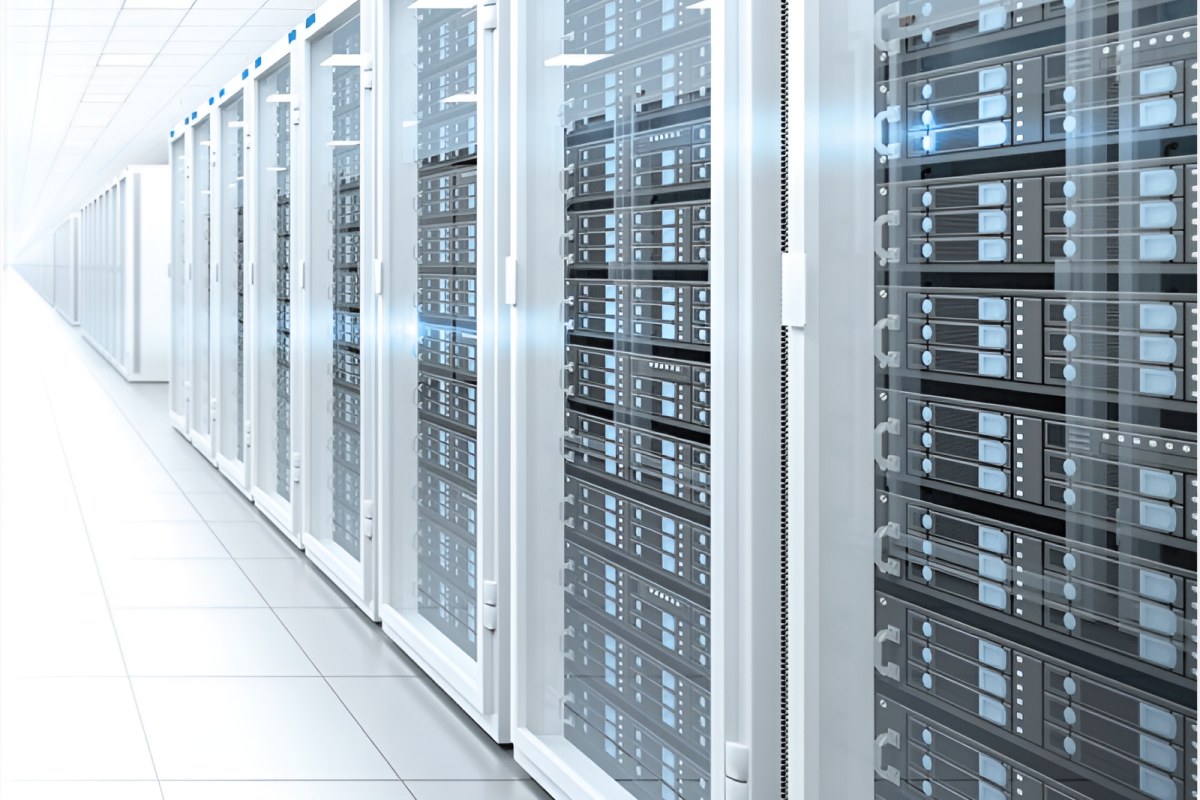
Future-proofing network infrastructure
In this exclusive article for DCNN, Warren Aw, Chief Commercial Officer at Epsilon Telecommunications, highlights why agile, high-capacity connectivity is the critical ingredient for resilience in an era of relentless digital demand:
Colocation, connectivity, and continuity
In today’s digital landscape, business IT environments are becoming increasingly sophisticated and, with that, more complex. Whether it’s an enterprise working to stay ahead of increasingly digitally savvy consumers, or a service provider keeping those enterprise services and workloads up and running, network downtime is no longer an option.
Downtime is more than just an inconvenience; it’s a major threat to revenue and reputation. For 90% of mid-to-large-sized enterprises, just one hour offline can cost more than $300,000 (ITIC) (£221,000). Despite this, many businesses are still relying on infrastructure that wasn’t built for the scale, speed, or strain of today’s digital demands.
Whether the services are mission-critical or not, a bad online experience can make or break customer relationships in an instant. Customers now expect always-on availability for a wide range of services, such as streaming video content, collaborating in the workplace, performing financial transactions, or accessing cloud services. Business continuity was once a contingency plan, but it has now become a competitive advantage.
That being said, ensuring continuity is also becoming more difficult due to growing data volumes, AI workloads, rising user expectations, and a more distributed business application ecosystem. This, coupled with real-world constraints like power limitations, infrastructure strain, and inconsistent SLAs, is making it more important than ever for businesses to re-evaluate their network and business continuity strategies to stay resilient, particularly if legacy infrastructure is still in play.
Colocation, when combined with agile, high-capacity connectivity, can provide a simpler, smarter way for businesses to keep service access and delivery both online and ahead in a competitive market. Colocation really is more than just racks and servers; it’s an opportunity to future-proof network infrastructure with adaptability, scalability, and reliability at the core.
Legacy infrastructure limitations
As businesses deploy more data-intensive applications, compact edge computing devices, and AI workloads, rising demands are putting increased strain on legacy infrastructure and on-premises environments. This includes:
• Power constraints – Modern applications require newer, high-density equipment, which significantly increases power requirements.• Downtime risks – Legacy infrastructure and single points of failure raise the likelihood of outages, damaging SLAs, revenue, and brand reputation.• Business continuity gaps – Without resilient infrastructure and built-in redundancy, organisations face growing challenges in maintaining always-on availability.• Scalability challenges – On-premises infrastructure can be slow and expensive to scale in response to customer demands or new market opportunities.• High costs – Cooling, power, staffing, and maintenance are stretching budgets and internal team resources.• Inter-provider complexity – Managing connectivity across multiple clouds, partners, and carriers is complex, time-consuming, and prone to performance issues without the right interconnect fabric.
These limitations are pushing IT leaders to look for modern, flexible infrastructure strategies that can grow with their business.
Colocation for business continuity
Colocation is more than just renting space in a data centre; it’s a strategic way to strengthen business continuity while simplifying IT infrastructure. Instead of maintaining costly on-premises facilities, organisations can host critical infrastructure in purpose-built, third-party data centres.
This shift not only reduces capital expenditure, but also enables teams to focus on innovation rather than infrastructure. Colocation provides robust power, security, and carrier-neutral connectivity to a global network ecosystem designed to prioritise uptime, resilience, and reach.
One of the key advantages of colocation is dual-site access, which allows businesses to distribute their infrastructure across two geographically separate, interconnected facilities. This setup is vital for disaster recovery and redundancy planning. If one site experiences a disruption – whether due to a power failure, natural disaster, or hardware issue – traffic and workloads can seamlessly fail over to the second site, minimising downtime and ensuring uninterrupted service delivery.
Colocation also supports business continuity by offering high-speed, low-latency connectivity to clouds, carriers, and partners. On top of this, it offers physical security and environmental controls that exceed most in-house capabilities, as well as power and cooling infrastructure designed for high-density, mission-critical workloads.
Beyond continuity, it brings cost-efficiency, operational simplicity, and access to a broader ecosystem of services. Colocation enables enterprises and service providers to focus on delivering value, rather than managing infrastructure.
Mitigating risk, maximising uptime
With increasingly complex IT environments and 24/7 availability becoming the new norm, having the right infrastructure in place is crucial. Colocation offers a practical, scalable way to support business continuity, reduce risk, and stay flexible in a changing landscape.
Epsilon offers colocation services across key hubs in London, Singapore, New York, and South Korea. Each facility provides 99.999% uptime and robust power backup, as well as direct access to our global network fabric of over 500 data centres, clouds, and internet exchanges via our NaaS platform, Infiny.
By future-proofing network infrastructure, colocation can maximise uptime, improve customer experiences, and build new competitive advantages that can support long-term business goals.
Ultimately, colocation provides the stable foundation that organisations need to safeguard operations in an unpredictable world. Business continuity is no longer a backup plan; it’s a competitive differentiator.
For more from Epsilon, click here.
Joe Peck - 30 September 2025
Cyber Security Insights for Resilient Digital Defence
Data Centre Security: Protecting Infrastructure from Physical and Cyber Threats
Exclusive
Manufacturing in the digital age
In this article, Eric Herzog, CMO at Infinidat, explores how to protect your enterprise with cyber resilient storage:
A significant transformation is underway in manufacturing enterprises, as traditional boundaries between Operational Technology (OT) and Information Technology (IT) systems rapidly dissolve. This convergence, driven as a result of ongoing digital transformation and the adoption of Industry 4.0 technology, is enabling manufacturers to achieve new levels of efficiency, productivity, and visibility across their operations.
However, as these systems become increasingly integrated, the risks - particularly in the realm of cyber security - are also escalating.
Understanding the changing landscape
Historically, manufacturers have relied on OT systems to manage their core physical processes and machinery on the factory floor, focusing on real-time control and automation. In contrast, IT systems have taken care of data processing, business operations, and enterprise resource planning requirements.
Initially, these systems would have been running independently, but in recent years, manufacturers have invested in more integrated manufacturing environments, where data flows seamlessly between shop floor equipment and enterprise systems. This integration is essential for efficiency. It enables real-time monitoring, advanced analytics, and data-driven decision-making, leading to optimised production processes and vastly improved business outcomes.
At the heart of a manufacturing business is the Manufacturing Execution System (MES). The MES connects production equipment with business applications, supporting the planning, monitoring, documentation, and control of manufacturing processes in real time. It also acts as a bridge to higher-level ERP systems and industrial automation platforms, providing comprehensive visibility and enabling enterprises to make informed, data-driven decisions. But herein lies the risk, because integration is also a somewhat double-edged sword. There are plenty of upsides, but the cyber security risks can grind an enterprise to a halt.
Integration upsides
Here are three of the immediate benefits realised through OT and IT system integration:
• Potential for real-time data analysis — Integrated OT/IT systems allow for immediate feedback and adjustments, reducing downtime and waste.
• Enhanced communication — Seamless data exchange between shop floor and enterprise systems leads to better coordination and a faster response to all issues.
• Optimised production — Enterprises can fine-tune their processes based on live data, improving quality and throughput.
Integration downsides
These operational advantages also expose manufacturers to additional cyber security threats. This question of cyber risk is for all industry sectors. The UK government’s 2024 Cyber Security Breaches Survey found that half of UK businesses experienced a cyber breach or attack in the past year, with the rate even higher among medium (70%) and large (74%) businesses.
Manufacturing enterprises are an especially attractive target for cyber criminals for multiple reasons. They rely on complex, interconnected supply chains. They tend to be running a larger number of legacy systems than other industry sectors and this can create security blind spots. They also provide a high-impact target, because a successful cyberattack can disrupt an entire supply chain.
Dealing with a cyberattack is also very costly. According to Make UK, an organisation representing manufacturers, nearly half of British manufacturers suffered cyberattacks in the previous year. A quarter reported losses between £50,000 and £250,000, and 65% experienced production downtime.
But the true costs of a cyberattack run much deeper, because many attacks involve data exfiltration. In these cases, sensitive intellectual property or customer information is stolen and potentially sold or leaked. Data breaches are one of the biggest security threats, and new research from Deloitte - conducted with the Manufacturing Leadership Council in 2024 - quantifies this. The study reported that 48% of manufacturers experienced at least one data breach in the past 12 months, at an average cost of £2.1 million per breach.
The devastating impact of storage targeted attacks
A ransomware attack on enterprise storage systems can cripple a manufacturer, potentially completely halting production processes as data and files become encrypted and inaccessible. Such an attack can also compromise the entire manufacturing operation, from design and engineering data to supply chain management information.
If key files are encrypted, the enterprise may not have access to product specifications, production schedules, and customer orders. Operations can be brought to a stand-still and the implications are far reaching, potentially also damaging long-term projects, customer relationships, and the business reputation.
Investing in cyber resilience is not just business best practice; it is mandated by law. The EU’s NIS2 directive (2024) sets strict requirements for cyber risk management in critical sectors including manufacturing. And although no longer bound by EU laws, the UK will be releasing its own regulations with the forthcoming Cyber Security and Resilience Bill, expected to be ratified later in 2025.
It is now widely accepted that, these days, it’s not a case of 'if my enterprise will be attacked', but 'when will I be attacked, how often will I be attacked, and, most importantly, how quickly can I recover?'
Cyberattacks are occurring constantly. They have become an inevitable part of being in business. As the likelihood of an attack has evolved, so too have the techniques used, and completely preventing any form of cyber security breach is no longer realistic. Instead, manufacturers should focus on building cyber storage resilience into their enterprise storage and maximising their ability to detect, respond to, and recover quickly from attacks.
Six foundations for cyber resilient storage
A cyber resilient storage infrastructure to support manufacturing business continuity is built on six key principles:
1. Immutable snapshots — Rather than creating simple backups, manufacturers need secure, unalterable data copies taken at specific intervals. These immutable snapshots ensure that critical production and business data remains unchanged after creation, providing a reliable recovery source regardless of attack sophistication.
2. Logical and remote air-gapping — Effective cyber resilient storage requires logical isolation of immutable snapshots from network access. Air-gapping - implemented locally, remotely, or both - creates an additional protection layer that keeps recovery data segregated from potential infection vectors.
3. Automated detection and response — The speed of modern cyberattacks renders manual monitoring insufficient. Manufacturing companies need automated cyber security capabilities: Automated Cyber Protection (ACP) that integrates seamlessly with their existing security stack, including Security Operations Centres (SOC); Security Information and Event Management (SIEM); and Security Orchestration, Automation, and Response (SOAR) platforms. These systems should automatically trigger immutable snapshots when security incidents are detected.
4. Fenced forensic environment — Recovery from cyberattacks requires a completely isolated network environment for forensic analysis. This 'fenced' area allows for thorough data testing and integrity verification, ensuring that recovered data isn't compromised before reintroduction to production systems.
5. Near-instantaneous recovery — Critical for manufacturing operations is the ability to retrieve clean data copies within minutes, regardless of dataset size. Manufacturing processes are particularly time-sensitive, making rapid recovery capabilities essential for minimising production disruption and financial losses.
6. Scanning for cyber threats in your storage estate — Leveraging advanced AI and ML technology, you can scan your storage at regular intervals to see if there is a cyber threat. This gives you two different advantages: First, by scanning on a regular basis, you may uncover a cyber threat. Then, you can report that to the cyber security elements in your data centre as an 'early warning system.' Second, if you have an attack, the ability to search your immutable snapshots for a dataset free from any cyberattack gives you much faster and more reliable recovery.
Road to proactive cyber storage resilience
The integration of OT and IT is transforming manufacturing and unlocking new efficiencies, but it is also heightening the cyber security risk. As cyberattacks become more frequent and sophisticated, manufacturers must adopt a proactive, resilience-focused approach to their cyber security and enterprise storage. This means investing in advanced, cyber resilient storage, with robust defences and rapid data recovery capabilities.
By prioritising these investments, manufacturing enterprises can reap all the benefits that integration offers, safeguard their operations, and protect data and intellectual property - even in the face of an increasingly hostile cyber threat landscape.
For more from Infinidat, click here.
Joe Peck - 11 September 2025
Colocation Strategies for Scalable Data Centre Operations
Data Centre Operations: Optimising Infrastructure for Performance and Reliability
Exclusive
Colocation's role in an AI world
In this article, Mark Pestridge, Executive Vice President & General Manager, Telehouse Europe, explores colocation’s dual role in supporting today’s transformation and tomorrow’s artificial intelligence (AI):
Behind the curtain of AI
The proliferation of AI solutions is a source of headlines which can easily obscure the critical role of data centres as ever more workloads run in the background. Recent research by S&P Global Market Intelligence, commissioned by Telehouse, shines a light on what is going on behind the scenes. It reveals that 76% of AI workloads are hosted in the cloud or in data centres, including colocation facilities.
AI, however, is not the sole focus of every organisation. Many are undertaking technical transformations that data centres must be capable of supporting, while also providing infrastructure with the flexibility to scale for future AI integrations. This question of flexibility is becoming central to how colocation providers serve a growing market.
The growth of AI and its processing needs
The research shows between 16% and 20% of overall workloads are AI-related. While hyperscalers lead with 35% of these workloads, third-party colocation data centres hold a 10% share. Within this space, several factors are shaping buying decisions, including GPU-as-a-Service (18%), access to specialised cooling (15%), and GPU-based compute installation (13%).
One key issue is becoming increasingly important as AI workloads grow: effective cooling. The GPUs used in AI processing are only as reliable as the cooling systems that support them, which demands a more advanced set of cooling technologies to cope with the heat generated by their higher power densities. This brings liquid technology into play, as it requires less power than traditional air cooling, making it a more efficient, reliable method.
Liquid cooling may be essential for AI growth, but it also has more immediate gains for data centre operators. By enabling higher rack densities – some reaching up to 100KW – it can accommodate a wider range of power-hungry workloads within a smaller footprint. At the same time, its lower energy requirements help to reduce costs and improve PUE ratings. These efficiency gains contribute directly to the reduction of carbon footprints and boost attainment of environmental, social, and governmental (ESG) goals.
Cloud on-ramps for AI lift-off
As well as meeting present-day digital demands from customers, data centre operators must consider cloud on-ramps for AI workloads. More than 90% of companies view on-ramps as either critical or quite important to AI/ML architecture, with the potential for multiple AI-related functions. This includes moving data in and out of the cloud for training inferencing purposes, alongside the transportation of AI-related data for analysis.
Cloud on-ramps are also important for digital transformation strategies. As a direct, secure connection, they enable faster, more reliable access to cloud services from a data centre. Low-latency connectivity between business networks and other cloud services via a private connection is enabled by cloud exchanges with links to the leading cloud providers, such as Amazon Web Services and Microsoft Azure. If they provide access to cloud on-ramps and cloud exchanges, colocation services should be at the centre of distributed AI workloads that make use of public cloud services.
The value of consultancy and expertise
The research is also clear about the role of expertise in guiding the data centre choices for both transformation strategies and longer-term AI plans. A fifth of respondents (20%) cite AI/ML consulting services as the main differentiator when considering a colocation provider. This is especially true for healthcare and life sciences companies which value the availability of IT skills and expertise.
Remote and smart-hands services offered by leading data centre operators clearly have an important role in offering guidance on how organisations meet their goals. In colocation centres, smart-hands services make it easier to configure changes to equipment and to install new equipment.
Colocation has a central role
As AI workloads grow to power dramatic new use cases, colocation is expanding its critical support. It offers the infrastructure, connectivity, and expertise that organisations require to achieve their current targets and the requirements of the AI-shaped future. The combination of advanced cooling systems, direct cloud connectivity, and value-added services makes colocation fundamental to evolving workloads, whether focused on digital transformation or AI.
For more from Telehouse, click here.
Joe Peck - 29 August 2025
Exclusive
Features
News
Sustainable Infrastructure: Building Resilient, Low-Carbon Projects
Feature - Data centre growth requires sustainable thinking
The development of AI is having a huge impact on almost every industry, and none more so than within data centres. It is expected that global data centre electricity demand will have doubled by 2026 due to the growth in AI. So, how do we ensure our data centres are operating as efficiently as possible? Russell Dailey, Global Business Development Manager, Data Centres at Distech Controls, explains.
We are generating more and more data in all aspects of lives, whether that’s through our business operations, the use of social media and even our shopping habits with the growth of e-commerce.
Our new dependence on web services and digital infrastructure requires a greater number of data centres, and we need them to operate more reliably and efficiently than ever before.
According to the International Energy Agency (IEA), in 2022, data centres used 460 terawatt hours of electricity, and it expects this figure to double in just four years. Data centres could be using a total of 1,000 terawatt hours annually by 2026.
This demand for electricity has a lot to do with the growth in AI technology. In a similar way to how the growth of e-commerce drove uptake for large industrial warehouses, AI is expected to more than double the need for global data centre storage capacity by 2027, according to JLL’s Data Centres 2024 Global Outlook.
As data centres contribute substantially to global electricity consumption, more facilities are seeking to adopt enhanced sustainability strategies. To achieve net zero emissions targets or other environmental objectives, data centre companies must invest heavily in energy efficiency measures. A Building Management System (BMS) can form the cornerstone of these efforts, providing insights into energy usage and helping to reduce unnecessary energy waste with enhanced operational efficiency.
Data centres are unique buildings, and a BMS within this environment requires careful planning and implementation.
Let’s be open
In the past, building systems have traditionally been proprietary and not flexible like open systems. Proprietary systems speak different languages, resulting in incomplete visibility, data, and reliability, and leave you tied to one, often expensive, service provider.
However, that is changing, and open systems are becoming ever more popular in commercial buildings and have numerous benefits for data centres.Systems offer monitoring and analytics at the local controller, reducing network complexity, increasing redundancy and security.
With Distech Controls, operators can keep their facility at optimal performance through a proven IP-based solution that creates a more secure and flexible network enabling easy integration of systems with a wide range of IT and business applications. Distech Controls’ commitment to open protocols and industry IT standards, combined with its best-in-breed technology, creates a sustainable foundation that supports and evolves with a building system’s life cycle.
Efficient and forward thinking
Open systems also have an effect on the sustainability of a data centre. They can bring everything together in a cohesive and centralized fashion allowing users to visualise information, assess relationships, establish benchmarks and then optimise energy efficiency accordingly.
Distech Controls’ solutions meet even the most demanding data centre control requirements (even remotely) via fully programmable controls and advanced graphical configuration capabilities. They leverage technology such as RESTful API, BACnet IP, connected controllers, and unified systems, to help future-ready your data centre as technology continues to advance.
The importance of security
The smarter buildings become, the greater the importance of cyber security. There are some fundamentals that building owners and system integrators need to consider when it comes to the security of their BMS.
As a starting point, the devices or operational technology (OT) should be on a different network to the IT system as they have separate security requirements and various people need to access them. As an example, contractors overseeing BMS devices do not need access to HR information. Each device should be locked down securely so they can only communicate in the way that is required. There should be no unnecessary inbound or outbound traffic from the devices. This links neatly to monitoring. It is vital to monitor the devices after installation and commissioning to ensure there is no untoward traffic to the devices that could threaten a buildings or company’s security.
Some manufacturers, such as, Distech Controls, are ensuring its products are secure straight out of the box. Security features are built directly into hardware and software like TLS 256- bit encryption, built-in HTTPS server and HTTPS certificates. For instance, the ECLYPSE APEX incorporates a secure boot and additional physical security measures to help overcome today’s security challenges.
Distech Controls’ solutions are specified by leading web service providers because of their high resiliency, flat IP system architecture and open protocol support. They also incorporate the right technologies to comply with the most stringent cybersecurity standards as well as RESTful API / MQTT for OT/IT interoperability purposes. These attributes allow data centre operators, integrators, and contractors the freedom to choose the best-in-class solutions for their data centre’s infrastructure management services. These advanced features enable significant operational efficiency improvements and energy cost reductions for data centre owners and managers.
AI technology is already having a revolutionary effect in business and our personal lives. At Distech Controls, we are utilising its capabilities, and it is clear that this revolution is going to require more data centres. We need to look at ways we can make these specialist buildings as efficient as possible. Utilising an intelligent and open BMS is essential.

Simon Rowley - 19 August 2024
Exclusive
How Telehouse is bridging the gap for new industry entrants
Recently, a group of computer science students from Lycée International de Londres Winston Churchill embarked on a unique journey. Their destination? Telehouse’s data centre.
Unravelling the mystery
In the ever-evolving landscape of technology, data centres stand as the silent guardians of our digital lives. Behind every video call, every cloud-based service, and every online transaction, there lies a complex network of data centres ensuring seamless connectivity.
Yet, for many people, data centres remain shrouded in mystery and symbolically imperceptible. And this has created a gap between people and the access to these digital warehouses. What that means for the data centre industry is a sprouting, yet pressing challenge: A lack of people in the industry to operate and maintain data centres.
The industry is grappling with skills shortages and the need for fresh talent, while searching for ways to actively bridge the gap for new entrants. Judy Gosnell, HR Director at Telehouse, shares that some organisations in the data centre sector have found themselves unable to deploy workers in critical functions and push forward with technological progress.
To understand this situation further, Isha Jain, Editor of DCNN visited Telehouse, a global colocation provider, on its mission to tackle the challenge.
A day at Telehouse’s data centre
Telehouse invited a group of computer science students to embark on a day trip to its data centre campus. The aim was to inspire, empower and engage the next generation of employees, and to bridge the gap by helping more people pursue fulfilling data centre careers.
As these students stepped inside, their initial confusion gave way to awe. Who knew that behind the whirring boxes and blinking lights, there was a world of purpose? Interestingly, not all of the students were fully aware of the role data centres play in society – and how they contribute to their daily lives.
All confusion faded when the students learned how data centres facilitate the most critical digital functions that we have all come to rely on. The Telehouse team showcased how behind every video conferencing application is a server powering it, and behind every server is an IT professional that maintains it, an electrical engineer to ensure the right level of power, and a mechanical engineer maintaining the cooling system to prevent overheating. Data centre buildings like theirs operate 24/7 and require different skills to ensure everything runs smoothly, which means there’s a variety of career options and pathways to get involved.
How graduates can become involved
Denis Coskun, a graduate mechanical engineer at Telehouse was one of the people who did not fully grasp the range of options for mechanical engineers in the data centre industry. Only four months new, he had joined Telehouse after his degree from Nottingham University.
Denis shares, “People have a preconceived, stereotypical idea of what engineers do. I’m from Hackney, and I know that in many neighbourhoods, an engineer is seen as someone who fixes the digital box of tricks for the TV. A career in engineering isn’t linear – it can open so many opportunities. For example, my own interest came through work experience at a multi-discipline engineering firm, where I worked from mechanical to electrical, and everything in between.”
He also elaborated on how no two days at his job are alike. Some days, Denis is on-site, working on benchmarks and walk-arounds, and on others he could be doing scoping work. He gets a mixture of learning and hands-on experience.
Denis is currently doing computational fluid dynamics work for one of the data halls in the building, ensuring cooling airflows are properly distributed around the equipment.
There’s no hiding from the scale of the digital skills shortage we currently face, says Judy. But when asked about the anxieties of starting out in an industry that feels distant for students, Denis shares, “I’m very glad I joined Telehouse. I’m one of the youngest people in the company, and like to ask a lot of questions, but everyone here is ready to share their expertise with me. The data centre industry will play a crucial role in the way societies develop and solve some of the human race’s biggest challenges. I’m looking forward to being part of it.”
The future beckons
As Telehouse continues to innovate and expand, it remains committed to nurturing talent. The data centre industry, at the nexus of our data-driven universe, holds immense potential. For Denis and others like him, it’s not just a job — it’s a chance to shape the digital landscape, enhance well-being, and tackle humanity’s greatest challenges.
So, the next time you hear about data centres, remember the unseen heroes behind the screens—the engineers, the IT professionals, and the visionaries. Telehouse is opening doors and windows, inviting new entrants to join this exciting journey. Are you ready to step inside?

Isha Jain - 20 March 2024

Head office & Accounts:
Suite 14, 6-8 Revenge Road, Lordswood
Kent ME5 8UD
T: +44 (0)1634 673163
F: +44 (0)1634 673173