Data Centre Build News & Insights


Could smarter monitoring reduce data centre wastewater?
Liquid waste removal experts at BusinessWaste.co.uk say operators will need to think more carefully about how water is used across their sites, where wastewater is being created, and what can be done to reduce it: Water use depends on how sites are designed Water demand can vary considerably between data centres, depending on the cooling systems and infrastructure in place. Some cooling systems rely much more heavily on water, whilst others are designed to recirculate more of it. That means decisions made during site planning can have an impact on how much water it eventually uses. For new developments, that could mean considering cooling systems, local water availability, and whether any water reuse opportunities exist before construction begins. Existing sites can also get a clearer picture of where water is going by using meters and sensors to track usage over time. A sudden rise in consumption could prompt checks for a leak, an equipment problem, or another change in the site. Where cooling or maintenance processes produce wastewater, cutting unnecessary water use and reusing more of it could also help reduce the amount that eventually needs to be treated or discharged. Could AI help operators spot problems earlier? As large data centres already produce a huge amount of operational data, AI could help operators make more sense of it. Used alongside existing monitoring systems, AI could pull together information from water meters, cooling equipment, and other parts of a site, which could make unusual changes or any emerging patterns easier to spot. This could help operators investigate problems sooner, especially on large sites where it may be difficult to track everything manually. Where a site generates wastewater through cooling or maintenance, the same monitoring could also help operators track changes in the amount being produced and understand where those changes originate. There is still a lack of clear evidence around how much water data centres use and how AI could affect that demand. The Environment Agency has faced difficulties gathering reliable water-use data from the sector, which has made it difficult to assess future demand. Research into AI-led cooling is also developing, although much of the focus so far has been on energy efficiency. A recent review of 64 studies found that only three reported water usage effectiveness (WUE), suggesting there is still more to understand about how AI optimisation could affect water consumption. That means water use will need to be measured more consistently if operators are going to understand whether these systems are actually making a difference. Could data centres rely on less drinking water? As demand for AI continues to grow, there will likely come a point when operators will need to look beyond using drinking water as a means of cooling. Depending on the site and the type of cooling system being used, some options include rainwater harvesting, recycled wastewater, and other non-drinking water sources. Government research has already identified these as possible ways to ease pressure on public water supplies. Closed-loop cooling could also help, as it allows water to circulate through a system several times rather than constantly bringing in fresh supplies. The Environment Agency has pointed to this as a more water-efficient option and says reuse should be considered when new data centres are planned. There may also be opportunities to reuse some of the wastewater created on site. Water removed from cooling systems, for example, can sometimes be treated and fed back into the system instead of being discharged straight away. For future sites, the wider aim could be to get more use out of the water already available, rather than relying so heavily on fresh supplies each time. Calls for more transparency Mark Hall, Liquid Waste Removal Expert at BusinessWaste.co.uk, comments, “Data centres are becoming a bigger part of everyday infrastructure, and the relationship between them and water is becoming a bigger part of discussions. “As more sites are proposed, operators are likely to face more questions from local communities, councils, and regulators about the pressure they could place on water supplies. Being able to explain that is going to become increasingly important. “There needs to be more openness across the sector, because if we don’t know how much water data centres are using, it becomes much harder to judge what further growth could mean for local water supplies. “For businesses planning new sites, water should be treated as a key part of the decision-making process from the beginning. The availability of land and power will always matter, but access to water could also play a bigger role in where these facilities can realistically operate.”

Phinergy scales up aluminium-air generator for data centres
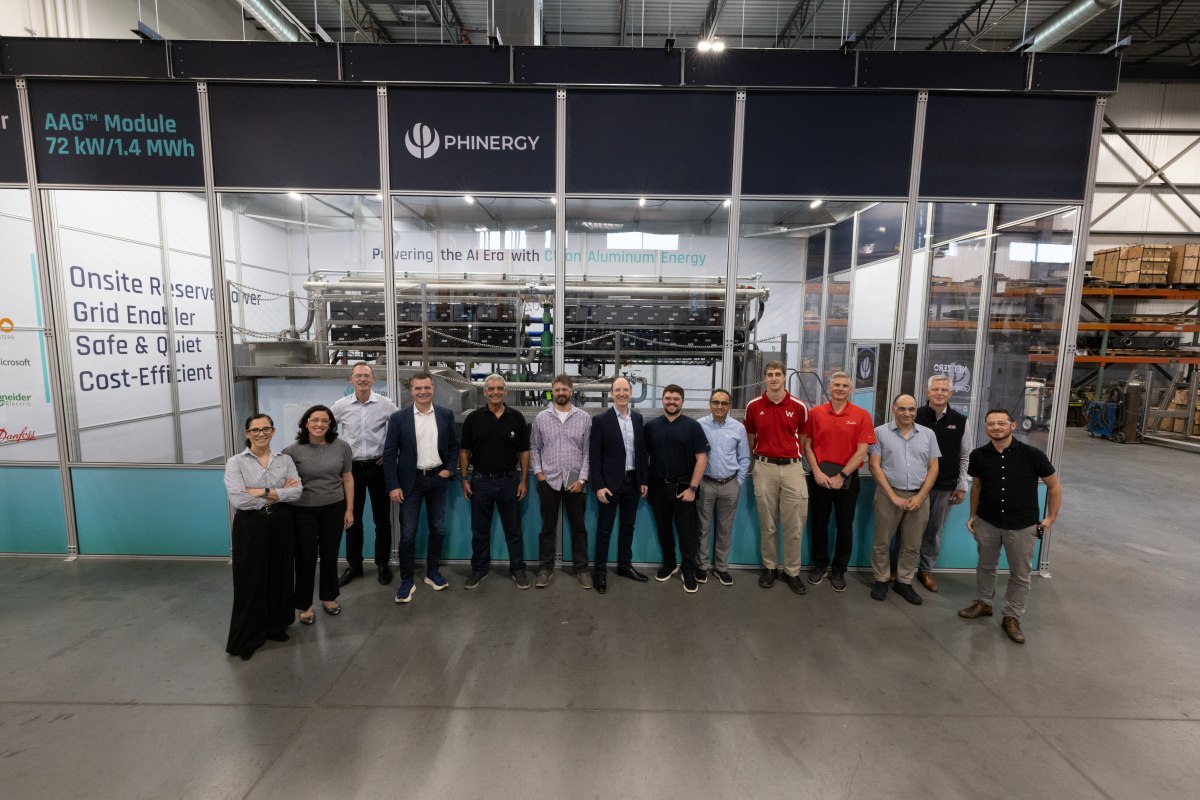
Phinergy, a clean energy technology company, and the Net Zero Innovation Hub for Data Centers (NZIH), a pan-European industry consortium working to cut data centres’ carbon emissions, have tested a 72kW aluminium-air generator (AAG) module designed for long-duration backup power in data centres. The module was unveiled on 9 October 2026 at a partner facility near Madison, Wisconsin, USA, as part of a collaborative testing programme involving the data centre industry. Technical experts from Microsoft, Danfoss, Schneider Electric, and Vertiv attended the testing and agreed on the next steps for validation and further development. The project aims to assess the technology’s suitability for integration into large-scale data centre infrastructure, with the partners targeting eventual commercial deployment. Testing advances towards megawatt-scale system Phinergy’s AAG uses aluminium to generate electricity and is intended to provide backup power without the on-site emissions associated with conventional diesel generators. The 72kW module has an energy capacity of 1.4MWh and represents a building block for a planned 500kW system with a capacity of 10MWh. The larger system is currently being assembled. The partners say the technology could provide backup power whilst helping data centre operators manage grid constraints. It is also intended to support power availability by temporarily reducing reliance on the grid during periods of peak demand. Phinergy and the NZIH announced their partnership in October 2025. Following a global request for information on low-carbon backup power technologies, the generator was selected from more than 70 submissions for megawatt-scale validation. Emmanuel Levy, CEO of Phinergy, comments, “Reaching AAG Module stage is a defining achievement in the AAG's commercialisation roadmap. The AAG Module design has now demonstrated, through a formal validation process endorsed by hyperscalers and leading data centre operators, that it meets the technical standards required for data centre operation, and we move forward with confidence towards full AAG system validation and deployment.” Industry collaboration continues The NZIH brings together data centre industry organisations to assess technologies intended to support the transition towards net zero. Its members include APL Data Centers, Danfoss, Data4, Engie, Google, Microsoft, Schneider Electric, and Vertiv. Alberto Ravagni, CEO of the NZIH, says, “This is an important milestone of the validation and scale-up program the Hub is conducting with its members. It confirms aluminum-air as a promising clean backup power technology and demonstrates how the Hub’s collaborative approach accelerates the adoption of innovative solutions across the data center industry.” The partners state they will continue evaluating the technology against the requirements of cloud and AI data centres as development progresses towards validation of the full-scale system.

FiveNines partners on 20MW Morocco data centre
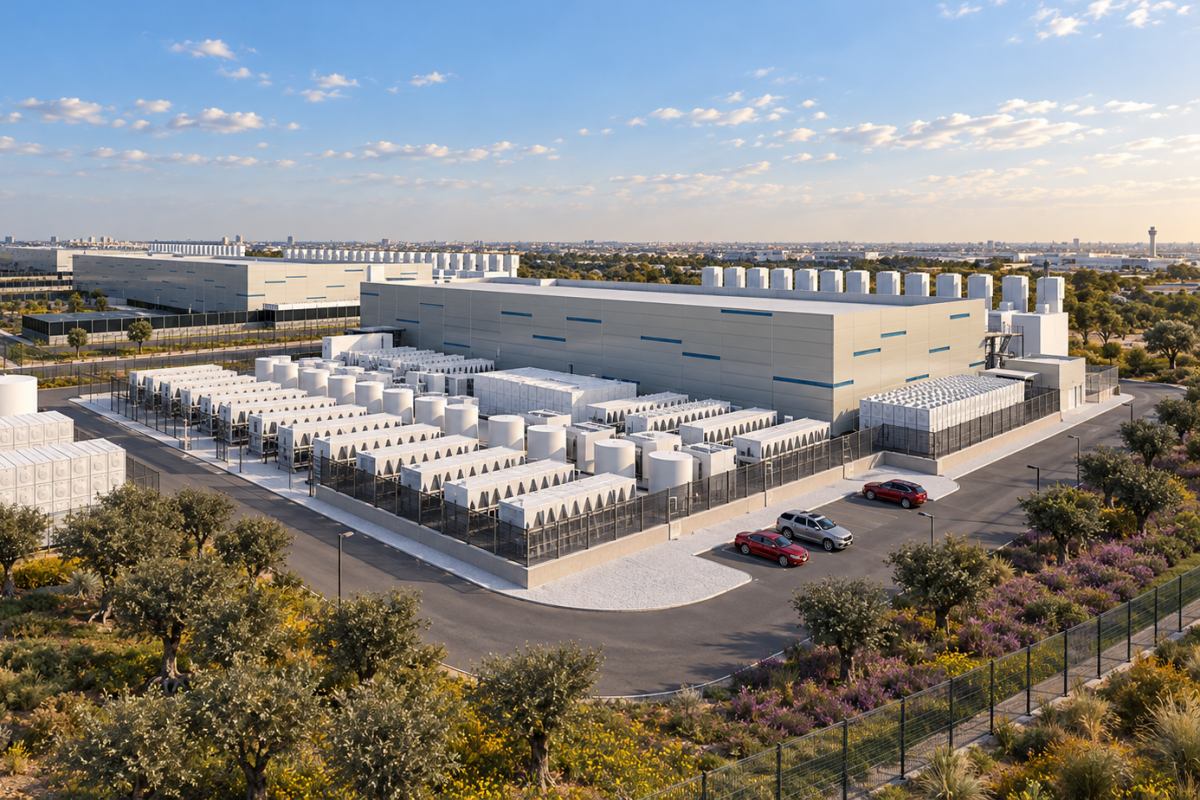
FiveNines Group, a London-based data centre design, engineering, and construction firm, has partnered with Nexus Core Systems to oversee the development of a 20MW data centre near Casablanca, Morocco, designed for high-density AI computing. The facility will use Nvidia’s Vera Rubin Cloud Partner Reference Architecture. FiveNines has been appointed to lead design management, technical governance, consultant coordination, constructability, and procurement strategy. Gerry Curran, CEO of FiveNines Group, says, “We are delighted to partner with Nexus Core Systems in order to construct an advanced data centre in North Africa. "This project will bring together our international data centre expertise with Moroccan architects, engineers, technical advisers, and relevant authorities. It further demonstrates the capability of FiveNines Group to undertake critical infrastructure projects of the highest standard alongside global industry leaders.” FiveNines will coordinate the early-stage development process, covering briefing, feasibility, design strategy, and concept design. The aim is to prepare a coordinated design package for engagement with the relevant authorities and submission of permit applications. Bastian Remmlinger, Head of Infrastructure at Nexus Core Systems, comments, “We are very pleased with the cooperation and services FiveNines Group has provided so far. "Their team has supported us well as we shape the design and delivery approach for the Morocco data centre. We look forward to continuing our work together on this ambitious project.” The project team will also work with lead design consultant Zutari; mechanical, electrical, and plumbing (MEP) consultant R&B MEP; and substation delivery partner Fonto Energy. Data centre forms part of wider AI development The 20MW facility will form part of the wider Nexus AI Factory Platform, which is being developed by Nexus Core Systems and its international partners. The platform has a target capacity of 180MW and is intended to run entirely on renewable energy. The Nexus AI Factory was announced in April 2026 at GITEX Africa Morocco in Marrakesh, following the signing of a memorandum of understanding with the Moroccan authorities. The project forms part of Morocco’s plans to establish itself as a regional centre for artificial intelligence. FiveNines Group, meanwhile, operates across several international markets, including northern and central Europe. The UK-headquartered company recently announced the completion of a 9.6MW data centre in Austria for a hyperscale client.

Navitas, Microchip develop 800V reference design
Navitas Semiconductor, a US maker of gallium nitride and silicon carbide power chips for AI data centres, and semiconductor manufacturer Microchip Technology have collaborated on an 800V DC-to-6V DC reference design for AI data centre rack power applications. As AI data centres scale to support high-power GPU clusters, the industry is moving towards 800V DC rack power architectures to improve distribution efficiency, increase power density, and support higher-power server designs. The reference design combines Microchip’s digital power control and security technologies with Navitas’s gallium nitride (GaN) power devices. The companies say it provides developers with a route to implementing power conversion aligned with the Open Compute Project (OCP) 800V DC standard. The reference platform includes hardware, software, and design documentation intended to support the development of 800V DC power conversion systems. Joe Thomsen, Corporate Vice President of Microchip's Digital Signal Controller Business Unit, says, "AI infrastructure optimisation is driving one of the most significant power architecture transitions the data centre industry has experienced in decades. "As the ecosystem moves towards higher-voltage rack power systems, developers need proven building blocks that help reduce design risk and accelerate innovation. "Our collaboration with Navitas brings together complementary technologies to help customers navigate this transition and bring next-generation power solutions to market more quickly." Direct 800V-to-6V conversion The reference platform uses Microchip’s digital signal controllers and hardware security technology alongside Navitas’s GaN power devices. The primary side uses 16 GaN FETs in a stacked half-bridge topology. The dual-side-cooled package is designed to reduce thermal resistance, supporting higher continuous power operation. The power delivery board targets peak efficiency of up to 96% at full load, with a switching frequency of 1MHz and a power density of 2,100W/in³. The low-profile design is intended to enable close integration with GPU boards, supporting transient performance and power distribution efficiency. The design uses direct conversion from 800V DC to 6V DC, combining the 800V DC-to-50V DC and 50V DC-to-6V DC conversion stages into a single converter. The reference design also incorporates Microchip’s hardware-based security technology to support authentication and protection within power infrastructure. The technology supports functions including secure boot, Message Authentication Code generation, trusted firmware updates, key management protocols including Transport Layer Security (TLS), and other root-of-trust operations. It will be showcased at Microchip’s OCP Event in San Jose, California, USA, from 12–15 October 2026, and a reference board, software, and supporting documentation will also be provided to help developers evaluate 800V DC power conversion systems for AI data centre applications.

atNorth to develop 230MW data centre in Finland
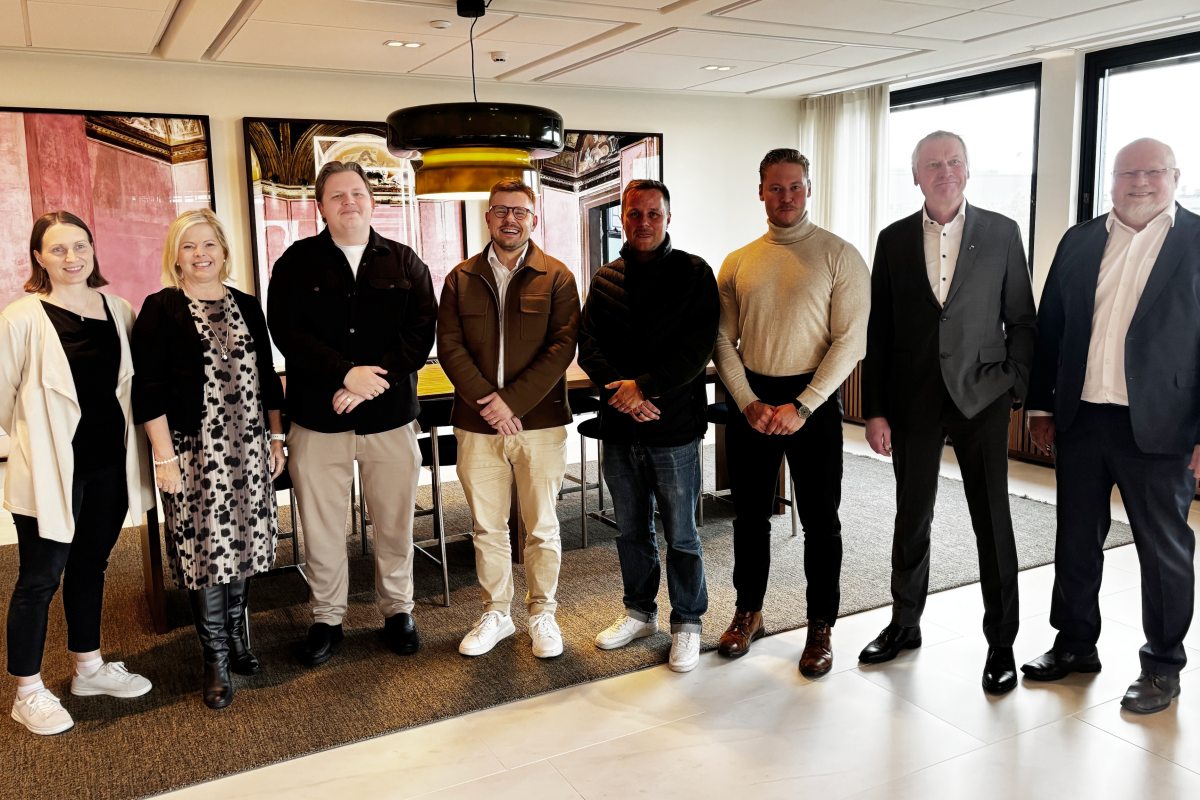
atNorth, a Nordic high-density data centre provider, has announced plans to develop a new data centre in Salo, Finland, with 75MW of power secured for the first phase and a potential capacity of up to 230MW across the wider site. The FIN05 data centre will be developed on a 28.6-hectare site, which will connect through a Fingrid substation. atNorth says Salo offers access to connectivity, resilience, and Finland’s digital talent pool, as well as proximity to Helsinki. The company expects to invest approximately €2 billion (£1.6 billion) in the site, excluding customer-owned servers and their installation, which could represent a further investment of up to €10 billion (£8.4 billion). atNorth plans to enter into long-term power purchase agreements (PPAs) with local energy suppliers, alongside flexibility measures intended to support the operation of Fingrid’s transmission grid. It will also work with local stakeholders to explore opportunities to reuse heat generated by the data centre. Supporting local energy and economic development The project builds on atNorth’s existing heat reuse collaborations with Kesko Corporation in Finland, Stockholm Exergi in Sweden, and Vestforbrænding and Selected Group in Denmark. Eyjólfur Magnús Kristinsson, CEO of atNorth, says, “FIN05 is an opportunity to develop critical digital infrastructure while working with the region to create lasting local value. “We are exploring how local energy partnerships, flexibility solutions, and heat reuse can contribute to the wider energy system and community. We look forward to working with Salo and regional partners as the project develops.” Salo Mayor Anna-Kristiina Korhonen has suggested the development would create employment opportunities during construction and ongoing operations, whilst also generating wider economic benefits for local businesses. Matti-Juho Ervasti, Partner at Regant Oy, has noted that the project demonstrates Salo’s potential for major digital infrastructure investment, adding that the site has the scale, planning readiness, and power roadmap required for large data centre projects. FIN05 is part of atNorth’s wider Nordic investment programme, alongside developments in Stockholm and Sollefteå in Sweden, Haugaland in Norway, Ølgod in Denmark, and Kouvola in Finland. For more from atNorth, click here.

GreenScale publishes data centre grid design guidance
GreenScale, a developer of hyperscale data centre campuses, has published open-source design requirements to help data centre operators adapt mechanical and electrical (M&E) infrastructure to variable AI loads and evolving grid codes. The document, Grid & AI Load Compatibility: System Design Requirements for AI Load, Grid Code & Fault Ride-Through, was developed with contributions from vendors, partners, and independent experts. It outlines considerations for managing variable AI power demand, meeting grid connection requirements, complying with fault ride-through rules, supporting demand response, and adapting to future changes in grid codes and tenant load profiles. GreenScale says the guidance is intended to give operators a practical starting point for developing their own designs, reducing duplicated work and helping the industry progress towards compliance. Fault ride-through requirements are emerging as data centres become more significant participants in the electricity system, where grid stability is a shared objective. However, grid codes vary by region and continue to evolve, leaving no widely adopted common specification for data centre power systems to be designed and tested against. Liam Newcombe, SVP Product, Energy Strategy and Innovation at GreenScale, notes, “The deployment of AI requires data centres to move from being simple customers of the electricity grid to participants in the grid. "Data centres as a class are now large enough to impact grid stability, which means facilities need to adapt, incorporating capabilities such as fault ride-through to ensure this impact is positive, resulting in a resilient, stable grid. "The task is no longer simply to protect the IT equipment from the grid, but to meet the combined requirements of the IT equipment, data centre infrastructure, and electricity grid. “This document is published as a work in progress. It provides an initial approach that we hope others in the industry will test, challenge, and improve. By publishing it open-source, we hope to provide a useful starting point for others, sharing our learnings both direct and from our contributors.” Addressing evolving grid requirements The guidance promotes a base system design that accounts for foreseeable operating conditions, including load- and site-specific constraints that affect design, equipment selection, and specification. Examples include specifying uninterruptible power supply (UPS) systems with fault ride-through capabilities and mechanical equipment able to operate across required voltage and frequency ranges. Liam says adaptability was a central principle, as AI load profiles, grid codes, and flexibility requirements continue to develop. The guidance aims to help project teams make proportionate decisions now and reduce the risk of costly equipment changes later. GreenScale suggests that modelling, technical data, and design knowledge developed through early projects could also be transferable to future data centre developments. The document is released under a Creative Commons Zero (CC0) licence, allowing companies and individuals to use and build upon it under the licence terms. GreenScale is inviting data centre operators, designers, engineering consultants, utilities, technology providers, and independent experts to review and reuse the document, as well as to contribute to further industry discussion. For more from GreenScale, click here.

Using data centre waste heat with aquatherm piping systems
Data centres generate large amounts of waste heat as servers and cooling systems operate around the clock. Instead of discharging this heat into the environment, it can be captured and used as an energy source for nearby buildings or heating networks. To make this technically and economically viable, a reliable piping infrastructure is required to transport the thermal energy from the data centre to heat pumps, heat exchangers, and external consumers with low losses. aquatherm offers suitable solutions for this task: aquatherm blue for the internal data centre circuits, connecting servers, cooling equipment, and heat exchangers, and aquatherm energy, a pre-insulated PP piping system designed for underground distribution (for example, to local or district heating networks). Both systems are corrosion-free, durable, and designed for closed-loop operation, supporting the long-term use of data centre waste heat as a local energy resource. More details are available at Using Waste Heat from Data Centres: Turning Digital Heat into Community Warmth. For more from aquatherm, click here.

A-Gas at Chillventa: Discover the LRM journey for data centres
A-Gas is a company specialising in the lifecycle management of refrigerants, which is increasingly relevant as the industry looks to reduce its carbon emissions and move away from high global warming potential (GWP) gases. For over 30 years, A-Gas has supported clients and partners, including those in the data centre sector, on their environmental journey as an enabler of lifecycle refrigerant management (LRM) and circularity in the industry, with world-class processes for the safe recovery, reclamation, and destruction of used refrigerants. This LRM circular approach is the opposite of the 'take, make, and dispose' model that has dominated the refrigerant industry for decades. By recovering used refrigerant gases and reclaiming them to AHRI 700 standards, A-Gas makes better use of existing resources and reduces the need for virgin production. Re-supplying these products to the market helps the wider heating, ventilation, air conditioning, and refrigeration (HVAC-R) industries embrace circular economy principles. Where no future reuse is possible, A-Gas uses United Nations-approved destruction technology to eliminate the gases in a safe and environmentally responsible way. During the three days of Chillventa, A-Gas will take visitors on a journey through the different phases of Lifecycle Refrigerant Management (LRM). A-Gas will highlight how each phase impacts the refrigerant lifecycle and demonstrate how its products and services support customers at every stage. • Recovery — featuring globally renowned services such as Rapid Recovery and Rapid Exchange• Supply — showcasing its expertise in multiple refrigerants, including low and ultra-low GWP refrigerants, as well as the new blends• Reclaim — highlighting world-class reclamation capabilities that restore refrigerants to AHRI 700 standards for re-supply Why Rapid Recovery is important for data centres For data centre operators, Rapid Recovery is a key part of this approach. The sector has specific requirements in terms of speed and efficiency, which A-Gas is able to address promptly, keeping server downtime to a minimum. In this context, one aspect that is often underestimated is the logistical complexity involved in challenging environments such as hyperscale data centres and edge infrastructure. In these cases, decommissioning or retrofit operations may involve large quantities of refrigerant and require rapid intervention to minimise disruption to operations, which could otherwise result in significant inconvenience and substantial financial losses. Rapid Recovery is a high-speed, on-site refrigerant recovery programme delivered by highly specialised technicians using purpose-built proprietary technologies, lorries equipped with 120-metre flexible recovery hoses and other company assets, including 1,000-litre drums and high-performance vacuum pumps. The service removes refrigerant at speeds of up to 10 times those of traditional recovery processes, while operating in full compliance with local and international regulations. It also includes comprehensive support with all required documentation. The service can be adapted to applications of any size and is available 24 hours a day, seven days a week. A-Gas meets visitors at Chillventa Discover A-Gas solutions and more by visiting A-Gas in Hall 1 - Booth 1-332. The team looks forward to welcoming you and guiding you through the LRM journey. For more from A-Gas, click here.

Datum progresses Farnborough data centre build
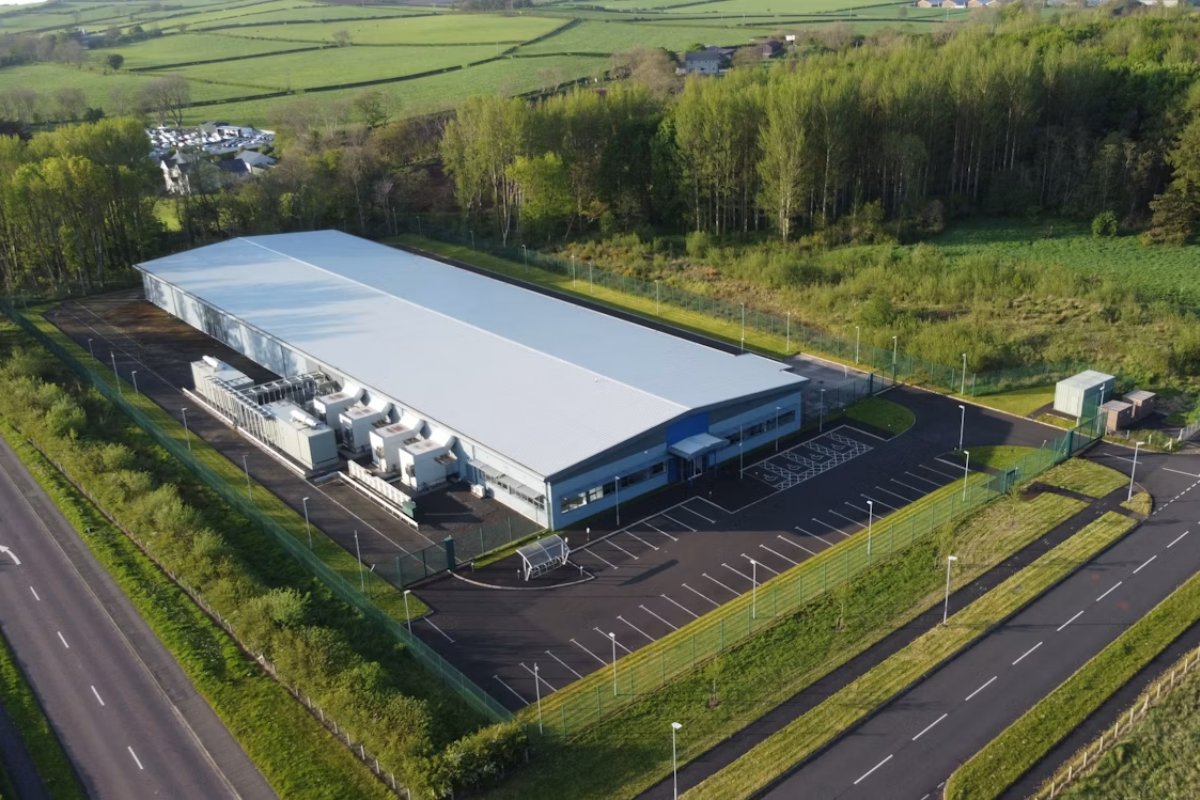
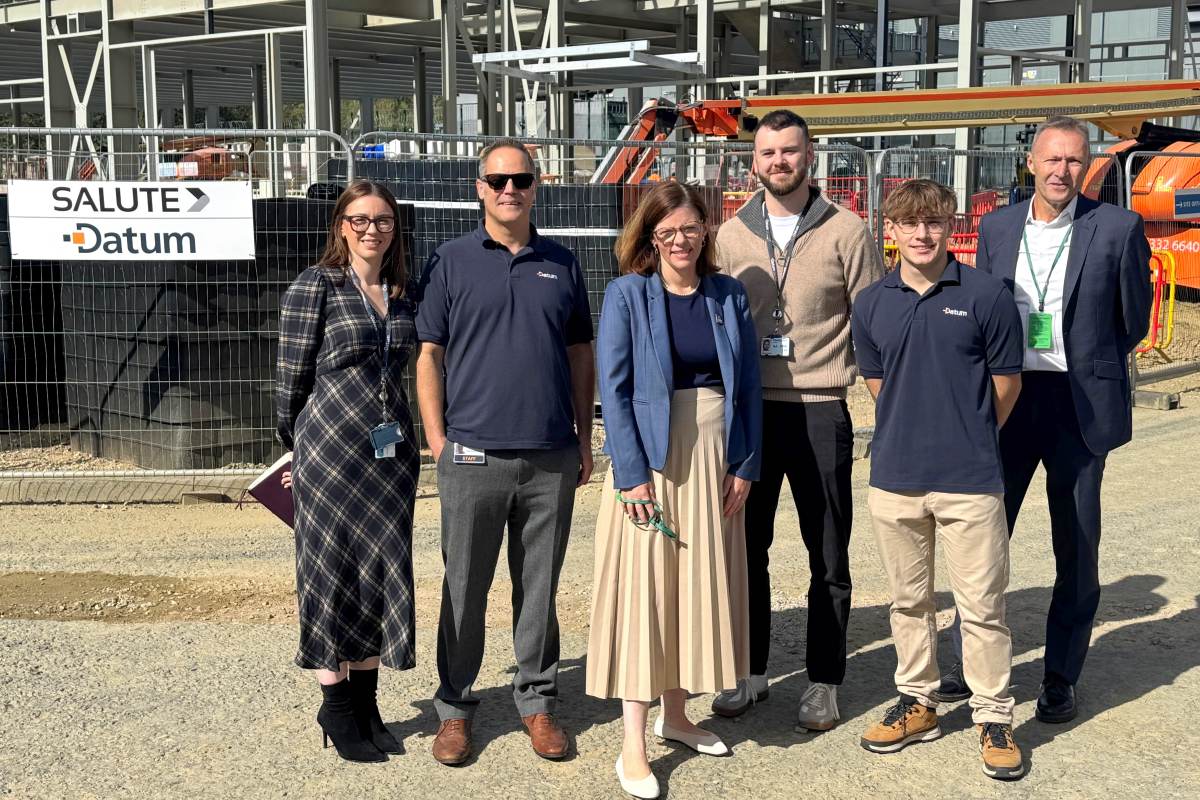
Alex Baker, Labour MP for Aldershot, has toured UK data centre provider Datum Datacentres' Cody Technology Park campus to see progress on FRN2, the company's second Farnborough data centre. The steel frame is now complete, with construction having moved to the roof. FRN2 is targeted to become operational in 2027, adding 22,000ft² (2044m²) of technical space and supporting up to 30kW per rack. The project is being delivered at Cody Technology Park, which Datum describes as one of the UK's most secure technology campuses. The development is expected to create skilled jobs during construction and operation. Alex Baker MP comments, “This is a hugely significant project for Farnborough which will help to provide the digital services that businesses in our area need to grow. "Datum’s business creates skilled jobs and valuable training opportunities for local people - directly and indirectly - while showing how investment in our digital infrastructure can support a more sustainable future. I look forward to returning when the new data centre opens its doors.” FRN2 construction reaches roof stage Mark Richards, Chief Financial Officer at Datum Datacentres, notes, “There aren't many places in the UK where you could build a facility like FRN2, and we're fortunate that one of them is our home. "The frame is up, the roof is underway, and, by 2027, this building will be supporting organisations across the country. It matters to us that our MP took the time to see the work while it's happening, because construction is the part of a data centre's life the public never usually sees.” The development follows construction of a similarly specified facility at Datum's northern campus in Manchester. Launched in June 2025, MCR2 is providing data centre capacity for the North West's digital economy. For more from Datum Datacentres, click here.

Sustainable Data Center Summit arrives in Dubai
The Sustainable Data Center Summit is a focused industry platform bringing together data centre operators, developers, infrastructure specialists, technology providers, consultants, government stakeholders, and other key decision-makers to examine the evolving requirements of sustainable digital infrastructure. As demand for cloud services, AI, high-performance computing, and digital connectivity continues to accelerate, data centres are facing increasing pressure to expand capacity whilst managing energy consumption, cooling requirements, power resilience, water use, and environmental impact. The summit provides a platform to address these challenges and explore practical approaches to developing more efficient, resilient, and sustainable facilities. The summit will explore key areas including energy efficiency and optimisation, advanced cooling and thermal management, resilient power infrastructure, renewable energy integration, sustainable data centre design and operations, water efficiency, carbon reduction, AI-ready infrastructure, and high-density computing. Through expert presentations, panel discussions, and industry networking, the event will bring together professionals from across the data centre ecosystem to exchange knowledge, examine emerging technologies, and discuss the strategies required to support the industry's next phase of growth. Taking place on 13 October 2026 at Millennium Airport Hotel Dubai, the Sustainable Data Center Summit will provide a dedicated platform for meaningful conversations around how the industry can meet rising digital demand whilst moving towards more efficient, resilient, and sustainable data centre infrastructure.


Translate »