Data Centre Build News & Insights


EcoDataCenter to establish third data centre in Sweden
Swedish sustainable data centre operator EcoDataCenter has signed an agreement with Smedjebacken Municipality to purchase 52 hectares of land for its third data centre campus in Sweden’s Dalarna region. The agreement follows a letter of intent between the company and municipality that has been in place since 2019. Construction is expected to begin once building and environmental permits are finalised, which is anticipated in early 2027. The campus has an initial planned capacity of 150MW, with potential for further expansion. Once fully developed, it is expected to support 125–150 permanent jobs, alongside several hundred additional roles during construction. As EcoDataCenter’s third site in Dalarna, the development follows its original campus in Falun and a second facility in Borlänge. Smedjebacken campus adds Swedish capacity The company says the new campus will expand its data centre capacity in a region that already hosts several hyperscale operators. Peter Michelson, CEO of EcoDataCenter, comments, "We have our roots in the region, and being able to continue to grow here is very important to us. We've had many productive discussions with Smedjebacken since 2019, and we are now taking the next step in this establishment." Fredrik Rönning, Chair of the Municipal Executive Board at Smedjebacken Municipality, adds, "This is a major step towards breaking ground. An establishment of this scale means a great deal for the local labour market. EcoDataCenter's high ambitions on sustainability were a decisive factor in the municipality's decision." For more from EcoDataCenter, click here.

UK data centre lighting market to reach £130m
The UK data centre lighting market is projected to reach around £130 million by 2030, more than doubling from approximately £54 million in 2024, according to UK commercial lighting manufacturer Whitecroft Lighting. As the UK has become a major location for European data centre development, the company notes there has been an increasing demand for lighting and mechanical and electrical (M&E) infrastructure. Data centre lighting currently represents around 6% of the UK commercial lighting market. Based on the projected 2030 market value, this could rise to around 14%, exceeding the shares attributed to commercial offices and entertainment and leisure lighting (both at 13%) and education lighting (at 11%). Whitecroft estimates that the wider market will grow from £13 billion to £32 billion over the next four years, with the expansion of AI contributing to demand. “The unprecedented growth of the UK data centre market presents both big opportunities and challenges to lighting manufacturers,” says Richard Williams, Head of Strategic Projects at Whitecroft Lighting. “It’s impossible to ignore a growing £32 billion market on your doorstep. To put that in perspective, the entire capital investment budget for NHS estates is around £10 billion this year. “However, data centres present a unique environment, both in their complexity and scale, with developers facing systemic challenges, such as access to the grid and renewable energy, technical resilience, and access to water for cooling all taking precedence over more traditional construction and M&E.” Data centre projects create larger lighting contracts Richard explains that the value of data centre lighting relative to construction costs is lower than in typical commercial buildings. He continues, “As a result, Whitecroft’s Strategic Projects team have calculated that the value of data centre lighting, when compared to the overall cost of construction, is 60% lower than for a typical commercial building. “However, such is the size of the latest multi-billion-pound hyperscale data centres that larger manufacturers, such as Whitecroft Lighting, can offset this by fulfilling big, varied contracts.” Whitecroft says it has increasingly focused on large infrastructure projects where security and resilience are key considerations. In 2022, it secured a contract to design and manufacture LED lighting for Hinkley Point C, supplying 40,000 luminaires. The company also supplied £3 million of lighting for Manchester Airport’s Terminal 2 redevelopment, providing 25,000 lights. Whitecroft has since secured contracts to supply lighting for two data centres, one in Portugal and another near Frankfurt, Germany. The company is one of 13 specialist lighting brands within the European Fagerhult Group. Several brands within the group are collaborating on data centre projects across Europe, including Veko Lightsystems in the Netherlands.

euNetworks sets new sustainability loan targets
euNetworks, a European bandwidth infrastructure company, has introduced two environmental performance targets through its Sustainability-Linked Loan (SLL), linking sustainability measures to the design and development of new network infrastructure. The revised framework introduces Network Development Impact by Design Plans for major network projects, alongside a target for continuous improvement in the company’s GRESB infrastructure benchmark score. euNetworks first established its €760 million (£650 million) SLL in 2021 to support the expansion of its fibre network across Europe. The facility was then refinanced and expanded to €1.26 billion (£1 billion) in 2024. The Impact by Design Plans will now apply to major projects requiring significant new network construction. These projects account for a large proportion of euNetworks’ annual capital investment and approximately two thirds of its current greenhouse gas emissions. The plans will assess lower-carbon materials, construction techniques, and supplier options during the design stage, before project specifications are finalised. The approach is intended to incorporate environmental considerations into commercial and engineering decisions alongside cost, delivery times, and customer requirements. New targets added to €1.26bn loan The GRESB target will measure continuous improvement against an infrastructure-focused benchmark covering governance, environmental management, and operational performance. Marisa Trisolino, CEO of euNetworks, says, “Our new SLL targets mark an important step in euNetworks’ commitment to growing our business sustainably, focusing our efforts on the areas where we can deliver the greatest impact. “The introduction of our NetDev Impact by Design Plans represents a significant evolution in how we approach major network development projects, embedding sustainability considerations from the very beginning of the design and planning process.” The targets complement euNetworks’ existing sustainability commitments, including its validated Science Based Targets, net zero by 2040 commitment, supplier engagement programme, and carbon measurement tools. For more from euNetworks, click here.

DataVita secures £300m for Scottish data centres
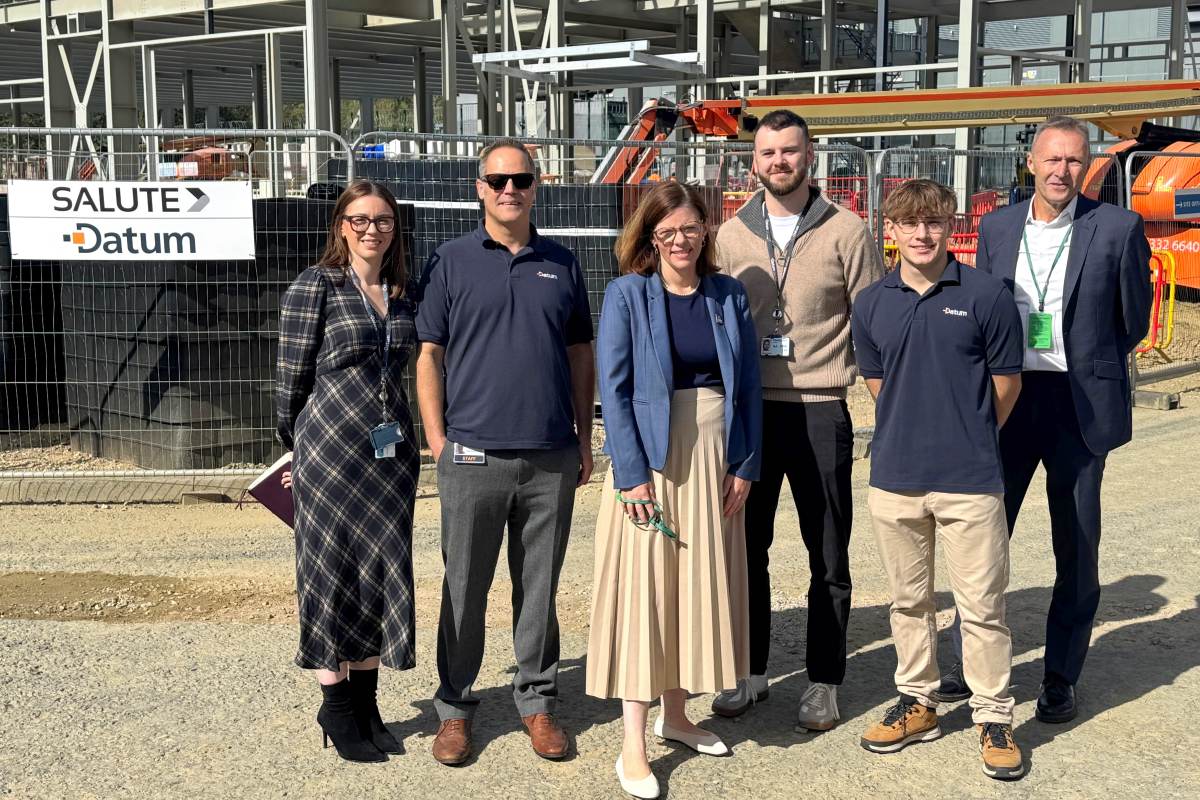
DataVita, a UK data centre and cloud services provider, has secured approximately £300 million in debt financing to expand its existing data centre and also build a second facility in North Lanarkshire’s AI Growth Zone, supported by a £202 million guarantee from the National Wealth Fund. The financing has been provided by ING, ABN AMRO, Santander, the Scottish National Investment Bank, and Siemens Financial Services through Siemens Bank. The National Wealth Fund guarantee covers £202 million of a £252.5 million lending tranche provided by ING, ABN AMRO, and Santander. Financing from the Scottish National Investment Bank and Siemens Financial Services is not covered by the guarantee. The investment will expand DataVita’s existing DV1 data centre and fund construction of DV3. Capacity at both facilities has been contracted to AI cloud provider CoreWeave under a 15-year lease agreement. The two projects are expected to create around 600 construction jobs and approximately 100 permanent skilled roles once completed. North Lanarkshire AI campus takes shape The developments are intended to form the first stage of a larger planned data centre campus in North Lanarkshire, following the site’s designation as Scotland’s first AI Growth Zone earlier this year. DataVita has operated in Scotland’s digital infrastructure sector for more than 10 years, providing data centre infrastructure, cloud services, and connectivity for customers including government bodies, local authorities, and universities. The project is the National Wealth Fund’s first support for domestic compute capacity and is intended to contribute to the UK Government’s Compute Roadmap and Scotland’s five-year AI strategy. Oliver Holbourn, CEO of the National Wealth Fund, says, “New compute capacity is key to unlocking the UK’s future, yet private finance can be difficult to secure for emerging infrastructure at this scale. The National Wealth Fund’s guarantee is helping address that gap, giving lenders the confidence to invest.” Danny Quinn, Managing Director at DataVita, comments, “There is plenty of talk about AI infrastructure just now. This project is being delivered: work is well advanced on site, every megawatt is contracted, and the first facility completes this year. “The UK needs its own AI capability, built here and run here, and we are grateful to the National Wealth Fund and our lenders for backing a project that is already delivering it.” UK AI Minister Kanishka Narayan adds, “The countries that build the infrastructure behind this technology will be the ones that attract investment, create jobs, and help shape the industries of the future.” The Scottish Government’s Economy Secretary Stephen Flynn suggests that the investment will contribute to more than 3,400 jobs and more than £8 billion in private investment associated with the North Lanarkshire AI Growth Zone. For more from DataVita, click here.

EdgeMode, BlackBerry to merge into BLACK AI
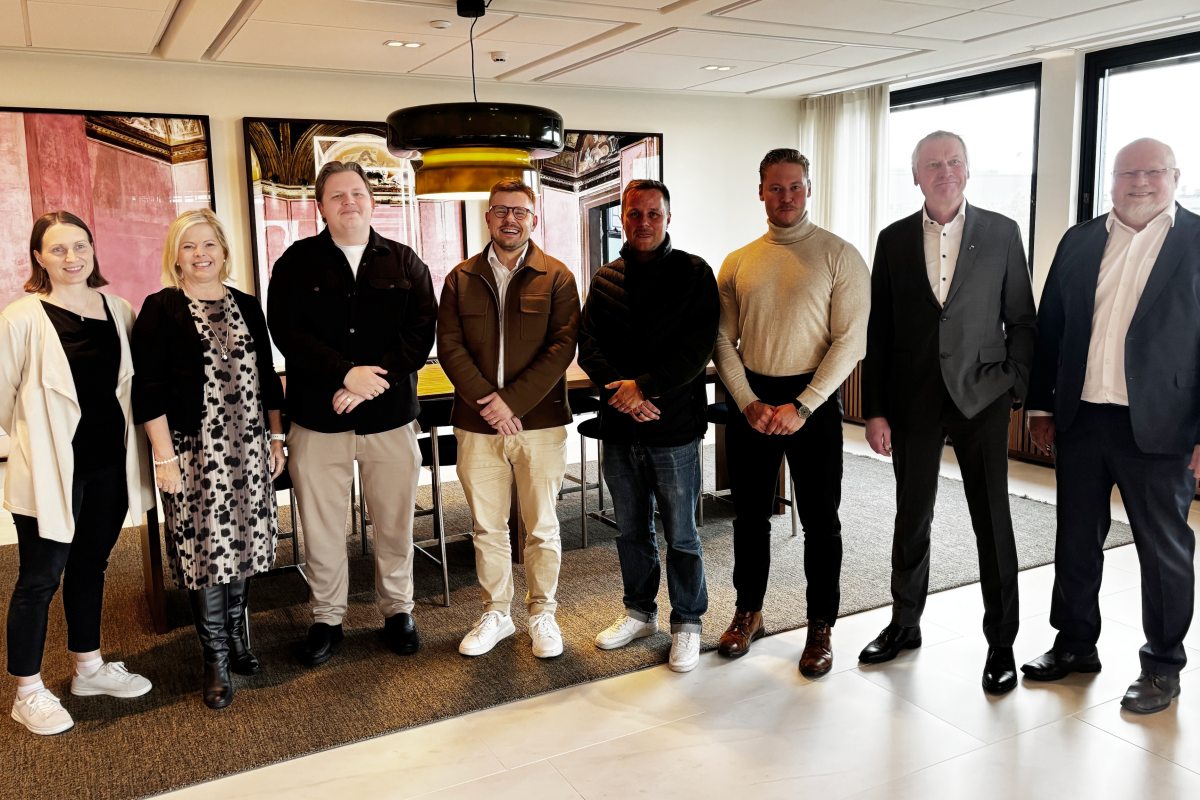
Data centre developer EdgeMode and investment firm BlackBerry Alternative Investment Fund (AIF) have signed a memorandum of understanding (MOU) outlining plans to merge and establish BLACK AI, a publicly listed AI infrastructure development platform. The proposed merger remains subject to final commercial terms, due diligence, definitive agreements, and customary closing conditions. The two organisations have worked together for almost 12 months and intend to combine EdgeMode's public company platform and AI infrastructure portfolio with BlackBerry AIF's experience in project development, renewable energy, infrastructure, and commercial execution. BLACK AI will initially focus on AI infrastructure projects in Spain and Panama, with plans to consider opportunities in additional international markets. Vision 2035 strategy BLACK AI's long-term strategy, Vision 2035, will focus on developing AI infrastructure projects, potentially monetising selected assets at the 'ready-to-build' stage, and progressing other projects through development and construction. The strategy also includes the potential to retain selected infrastructure assets as part of a portfolio intended to generate recurring cash flow. Charlie Faulkner, CEO of EdgeMode, comments, "What excites me most isn't the transaction itself; it's the partnership behind it. "Over the past year, Jose, Simon, and I have built enormous trust, respect, and friendship. The more we worked together, the more obvious it became that we weren't trying to build competing businesses; we were trying to build the same company. "Jose has assembled an outstanding team with exceptional technical and commercial expertise and, together, we believe we have the opportunity to build something truly special. "BLACK AI combines project development capability, strategic partnerships, and access to the public capital markets in a way that positions us to pursue a genuinely long-term vision. "AI infrastructure is one of the defining investment themes of our generation, and we believe BLACK AI has the opportunity to become a significant international platform over the decade ahead." Jose Mora, CEO of BlackBerry AIF, adds, "This partnership is built on a shared vision, complementary expertise, and a common ambition to build something exceptional. "By bringing together our development capability with EdgeMode's public-market platform, we believe BLACK AI will be well positioned to develop large-scale AI infrastructure across multiple international markets. "We believe speed, execution, and long-term thinking will define the winners in this industry and, together, we are creating a platform designed to achieve exactly that." For more from EdgeMode, click here.

Rubicon surpasses 1GW battery storage milestone
Rubicon Professional Services (RPS), a US design and construction firm for critical facilities, says it has surpassed 1GW of installed battery energy storage capacity across projects in the United States, as demand for data centre power infrastructure grows alongside AI. The company says the capacity is distributed across projects supporting data centres, telecommunications networks, healthcare facilities, manufacturers, educational institutions, housing developments, retail operations, and utilities. Battery energy storage can provide additional power resilience, help manage electricity costs, and reduce demand on the electrical grid during periods of peak consumption. For data centres and other critical facilities, storage can also support continuity of power during disruptions. RPS says the 1GW milestone represents battery storage capacity comparable with the output of a large utility-scale power plant. William Pirrone, Founding Principal at RPS, comments, "Surpassing one gigawatt of installed battery energy storage capacity represents more than a company milestone; it reflects years of helping customers solve increasingly complex power challenges. "Today, and into the foreseeable future, the rapid growth of AI compute will place unprecedented demand on our nation's electrical grid. Organisations need experienced partners who can deliver resilient, scalable power alternatives, efficiently and on schedule." Battery storage for rising power demand The company says its battery energy storage projects are being deployed across a range of sectors as electricity demand increases. RPS has worked on energy infrastructure projects across the US since 2019, including projects supporting data centres and other critical facilities. The company has 20 years of experience delivering electrical infrastructure projects and says around 95% of its business comes from repeat customers. It also says the growth of AI computing is increasing demand for electrical infrastructure and is contributing to greater interest in battery energy storage as part of power planning for data centres. The 1GW milestone covers installed battery energy storage capacity across RPS projects nationwide.

Macquarie, Microsoft sign A$278m data centre deal
Macquarie Cloud Services, an Australian cloud services provider for business and government, part of Macquarie Technology Group, has signed a Microsoft Datacentre Optimisation (DCO) agreement covering Azure consumption over the next three years. The agreement is the third DCO agreement signed by Macquarie and builds on its work with Microsoft supporting Australian organisations with cloud migration and infrastructure modernisation. Under the agreement, Microsoft forecasts that Macquarie's Azure consumption spend could reach up to A$278 million (£145 million) over three years, based on its roadmap and performance to date. Microsoft DCO is an initiative intended to support partners in expanding their Azure practices and helping customers with hybrid cloud transformation. Macquarie Cloud Services is a Microsoft cloud service provider (CSP) in Australia and has used the DCO programme to support customer workload migration. Azure demand grows in Australia The agreement comes as Australia's public cloud market is forecast to reach around A$220 billion (£114 billion) by 2034, according to Macquarie. The company attributes the expected growth to AI, cyber security, systems modernisation, and regulatory requirements affecting major industries, which include APRA's CPS 230 and CPS 234 standards, the Security of Critical Infrastructure (SOCI) Act, and Essential Eight (E8) maturity requirements. Vincent Texcier, Global DCO Centre of Excellence at Microsoft, comments, “Macquarie Cloud Services continues to demonstrate strong leadership in helping Australian organisations modernise with Microsoft Azure. “Through this agreement, Macquarie Cloud Services can continue helping customers migrate and modernise infrastructure, strengthen their cloud foundations, and prepare for future data and AI opportunities.” Macquarie has held Microsoft's Expert MSP status for six years. The company says it has delivered average cloud cost savings of 26% and reduced operational risk for thousands of Australian organisations. Naran McClung (pictured above), Executive Head of Azure at Macquarie Cloud Services, notes, “By combining our capabilities with the DCO framework, we are enabling customers to move to Azure at scale, while building a foundation for data, AI, and next-generation applications that will ultimately drive the Australian economy. “Increasingly, our growth is being driven by customers expanding into new workloads and more sophisticated capabilities as their cloud maturity develops, as well as organisations moving to Azure for the first time. "This agreement reflects continued confidence in our Azure capability, experience, and customer outcomes. We look forward to continuing to work closely with Microsoft as it continues its own significant investment into Australia.” For more from Macquarie, click here.

atNorth to power Danish food production with surplus heat
atNorth, a Nordic high-density data centre provider, is partnering with investment firm Selected Group to reuse surplus heat from its DEN02 data centre campus in Ølgod, Denmark, to support a large-scale greenhouse development. The project will use heat generated by the data centre to support local food production, with the first phase of the greenhouse development expected to be completed in Q3 2028. The development will be located on land adjacent to the DEN02 site and is intended to support year-round production of fresh fruit and vegetables in Denmark. Most fresh fruit and vegetables sold in Denmark are currently imported, particularly during winter when domestic production is limited by the climate. The project is intended to reduce reliance on imported produce and support a more resilient local food supply. The partnership forms part of atNorth's approach to incorporating heat reuse into data centre developments, connecting digital infrastructure with local agriculture. Surplus heat to support local production The first phase of the greenhouse development intends to use surplus heat from DEN02 to reduce the carbon emissions associated with conventional fossil-fuelled greenhouse heating. The project is also expected to create jobs during construction and ongoing operations, whilst providing additional economic activity in the Ølgod area. The greenhouse development is designed to expand alongside the DEN02 campus, creating an integrated site combining data centre infrastructure with agricultural production. Eyjólfur Magnús Kristinsson, CEO at atNorth, says, “This partnership demonstrates exactly what responsible digital infrastructure should look like. "By collaborating with forward-thinking organisations like Selected Group, we can transform surplus heat into a valuable resource that supports local food production, reduces carbon emissions, and strengthens community resilience. DEN02 is designed to integrate into Ølgod's community, and this project exemplifies this.” Peter Nielsen, CEO of Selected Group, adds, “Every unit of surplus heat should create value. By partnering with atNorth to convert surplus heat into local food production, we are demonstrating how digital infrastructure can strengthen food security while reducing emissions. "Reducing dependence on imported produce strengthens national food resilience, shortens supply chains, and removes the emissions associated with transporting fresh produce across borders. We believe this model can be replicated wherever large-scale data centers are built.” The announcement follows atNorth's partnership with Vestforbrænding to reuse surplus heat from its DEN01 data centre for the local district heating network. atNorth also works with Kesko Corporation in Finland to provide heat for a local shop, and with Stockholm Exergi at its SWE01 campus to supply heat for local homes and businesses. For more from atNorth, click here.

Yondr acquires site for Northern Virginia data centre
Yondr Group, a global developer, owner, and operator of hyperscale data centres, has acquired a 40-acre (16.2-hectare) site in Manassas, Virginia, USA - in partnership with funds and accounts managed by Cerberus Capital Management and its affiliates - which is expected to support the construction of a 72MW data centre campus, with operations planned to begin in 2029. The project is intended to provide additional capacity for hyperscale customers in Northern Virginia, supporting applications including cloud, enterprise, and artificial intelligence workloads. Northern Virginia is already an established data centre market, with a significant presence of hyperscale and cloud operators, extensive fibre connectivity, and connections to major hubs across the northeastern United States. Aaron Wangenheim, CEO of Yondr, comments, "We continue to see strong demand for well-located capacity across our global portfolio, including Northern Virginia, and this acquisition marks another important step in growing our North American footprint. "Bringing a project of this scale online in a market like Northern Virginia takes deep operational expertise and strategic, sophisticated capital, and our partnership with Cerberus brings both together to deliver the capacity hyperscale customers increasingly need." 72MW campus planned for 2029 The project is expected to have power available in the near term, with a target ready-for-service date of 2029. Tom Wagner, Senior Managing Director and Head of North American Real Estate at Cerberus, says, "We are pleased to partner with Yondr to deliver a high-quality project in Northern Virginia that is well positioned to support hyperscale demand. "With near-term power availability in a historically constrained market and a 2029 ready-for-service date, this project will be well positioned to support continued customer demand while creating long-term value for our partners and investors. "We look forward to advancing this project alongside Yondr and identifying compelling opportunities to invest in high-quality real assets supported by the strong fundamentals in the digital economy." For more from Yondr, click here.

NTT, ENGIE sign multi-market renewable energy deal
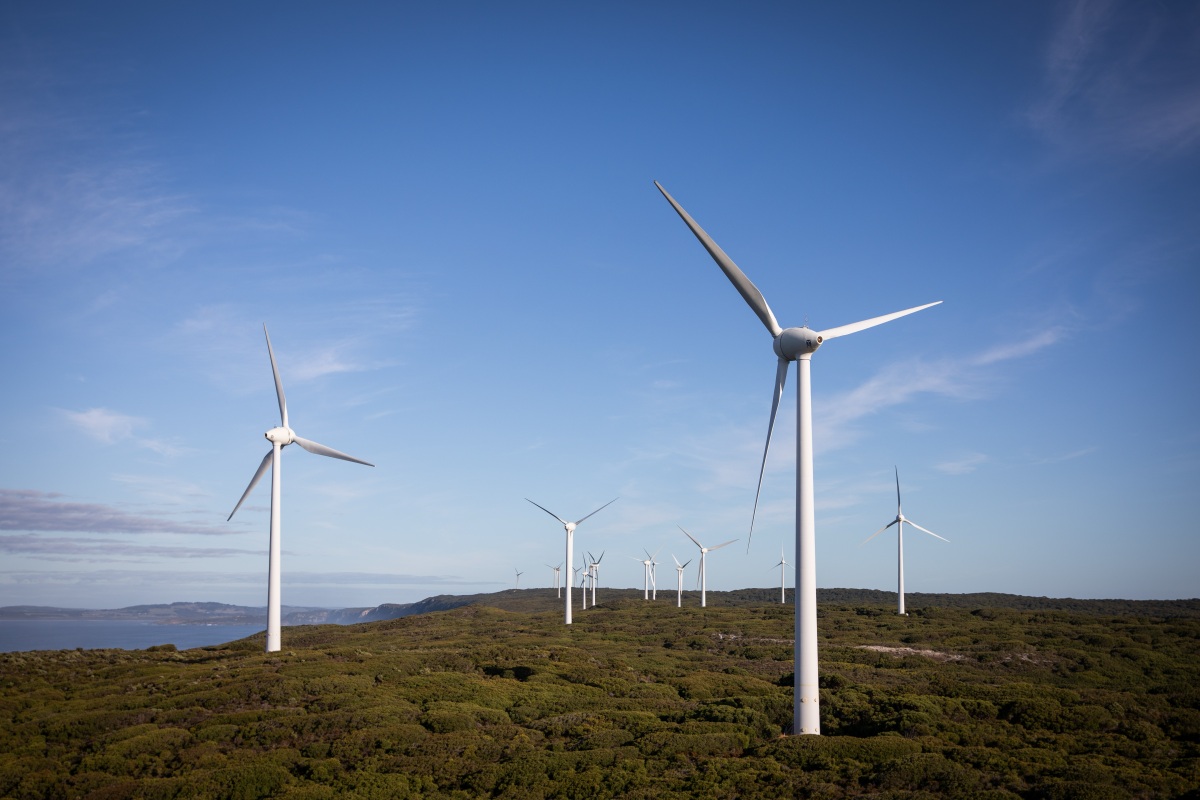
NTT DATA, a Japanese IT services and consulting group, and ENGIE, a French multinational energy company, have announced a strategic partnership aimed at supporting the long-term energy needs of NTT DATA's global data centre portfolio and expanding AI infrastructure using renewable energy. The agreement focuses on renewable energy procurement, power supply, and integrated energy services to support the continued growth of the company's data centres while contributing to its net zero objectives. Working agreements have already been signed in the UK, the Netherlands, and Germany as part of the multinational partnership. In the UK, NTT DATA has entered into a Corporate Power Purchase Agreement (CPPA) with ENGIE for renewable electricity supplied from a 24MW wind farm in South Wales. The agreement will provide power to NTT DATA's UK data centres until September 2030. Partnership supports AI infrastructure growth The companies say the partnership is intended to address increasing demand for reliable, long-term energy supplies as AI and cloud infrastructure continue to expand. David Costa, Chief Sustainability Officer at NTT DATA, comments, "AI is transforming every industry, and long-term success depends on ensuring that AI is sustainable. Sustainability is both a competitive differentiator and a value creator. "This partnership with ENGIE reflects our belief that energy transition and AI transformation must advance together, enabling us to innovate and scale responsibly while delivering long-term value for our clients and society." Doug Adams, CEO of NTT Global Data Centers, adds, "This partnership gives us the energy foundation we need to keep pace with accelerating AI demand without compromising on our sustainability commitments. "Securing long-term access to renewable power at scale is one of the defining challenges for our industry right now, and working with a partner like ENGIE lets us continue our growth with confidence - for our clients, for our company, and for the environment." Nicolas Lefèvre-Marton, Group Vice President Data Center Acceleration & Strategy Partnerships at ENGIE, notes, "Our partnership with NTT DATA is an exciting synergy between our industries, with both parties working to address the energy requirements of the data and AI revolution with renewable and sustainable solutions." Miya Paolucci, CEO of ENGIE UK, concludes, "This CPPA is the result of a deep understanding of NTT DATA's needs, demonstrating how a collaborative approach can deliver innovative solutions and sustainable infrastructure to support long-term growth and decarbonisation ambitions." For more from NTT DATA, click here.


Translate »