Expert warns of extreme weather disruption to data centres
Author: Joe Peck
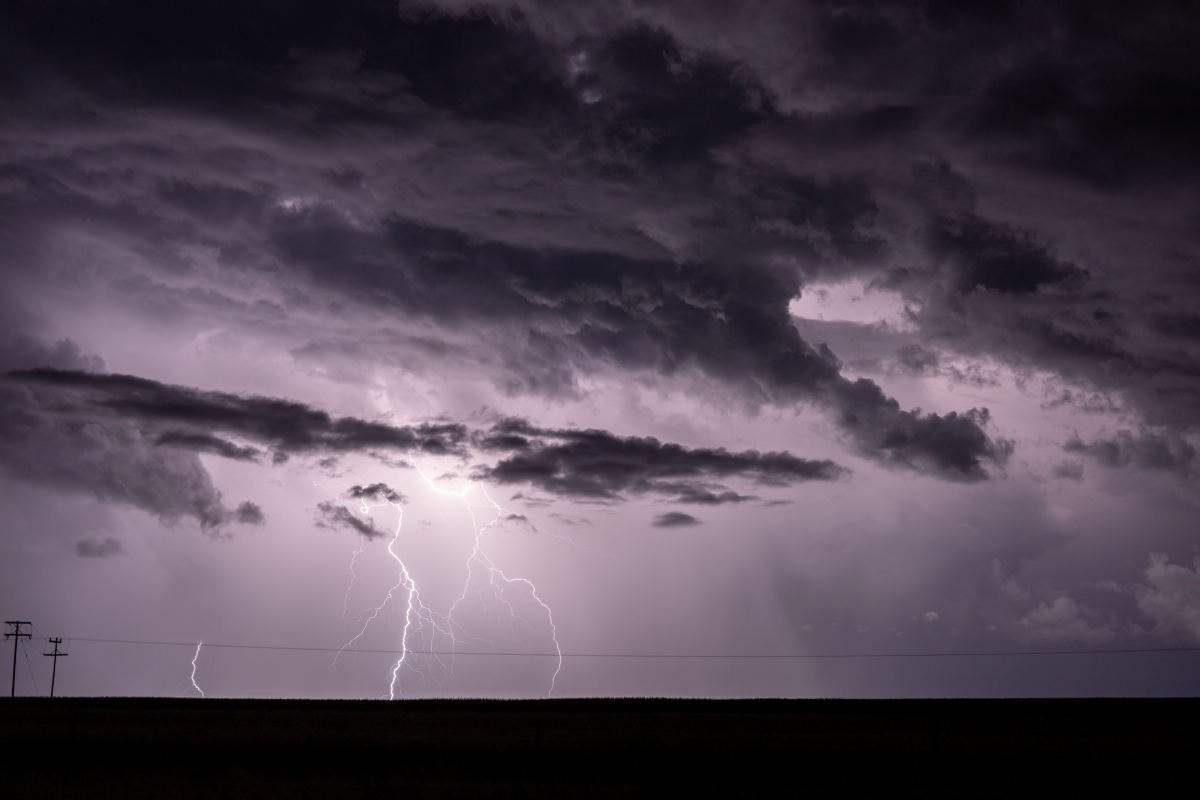
A recent warning from the UN about a “supersized” El Niño has made it clear that extreme weather events will become more common, coming as the UK braces for a stormy autumn of heavy rain and strong winds.
Murray Gates, CEO at Westgate Global and a protection risk expert for data centre builds, warns that El Niño will have a significant and costly impact on data centre construction across the UK for the rest of 2026 (and into 2027) if the industry doesn’t evolve its approach to weather risk management.
He argues, “The UK’s predictably ‘unpredictable’ weather pattern isn’t anything new. However, with autumn and early winter likely to be wetter and more stormy, it will become virtually impossible to deliver data centre builds on time and within budget without the right planning and infrastructure.
“Due to an uncharacteristically warm summer, many data centre build projects will already be playing catch-up due to the delays incurred by extreme heat. The prospect of now dealing with heavy rainfall and high winds over the autumn months will be a cause for concern on projects taking a reactive approach to weather risk management.”
Adapting as growth accelerates
Two years on from the Government announcing data centres as critical national infrastructure (CNI), the expansion of data centres across the UK has increased at pace.
Murray continues, “Failing to prepare for these harsher weather conditions from the outset will have a detrimental impact on the UK’s ability to meet its AI ambitions and keep pace with global competition.
“Unfortunately, engineered weathering is too often seen as what you reach for ‘if the weather turns’, rather than a planned, budgeted part of the build programme. This must change if data centre builds want to stay on track.
“From the outset, data centre operators, contractors, and quantity surveyors must consider how to mitigate against the challenge of building in live – and increasingly unpredictable – environments.
“When it comes to weather protection during the build process, procurement decisions are often boiled down to cost. Should the weather suddenly change, this leaves projects susceptible to delays that could have been avoided had the right infrastructure been installed from the start.”