Innovations in Data Center Power and Cooling Solutions


BCS Consultancy launches data centre power division
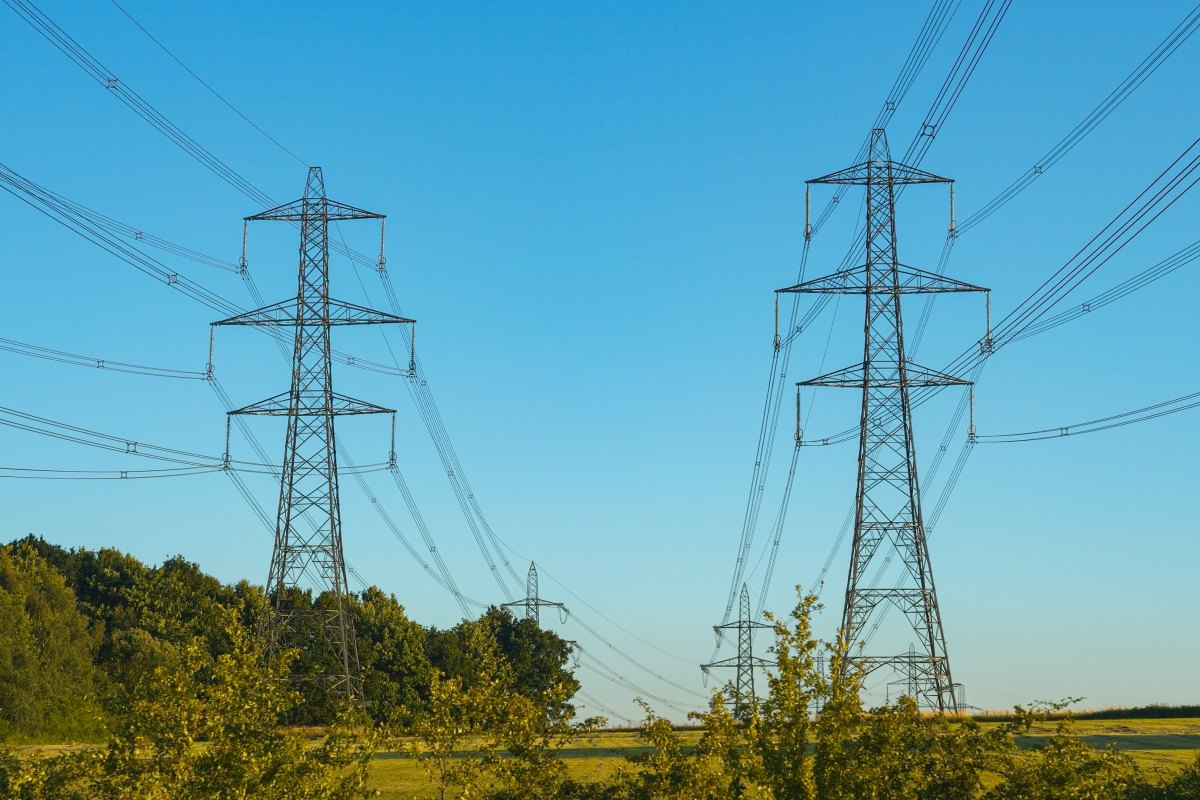
BCS Consultancy, a global data centre consultancy, has launched a new Power Infrastructure division to help investors, developers, and operators address power requirements for data centre developments. Formerly operating as BCS’s Utilities team, the division reflects changes in the scale and complexity of power requirements as data centre development increases, driven in part by AI and more power-intensive workloads. Electricity network capacity, grid connection times, planning requirements, and infrastructure delivery are increasingly influencing whether proposed data centre developments can progress from the pipeline to operational capacity. BCS’s Data Centre Truths 2026 research found that 93% of industry respondents expect demand to continue rising, despite power supply becoming harder to secure. The consultancy says power availability is increasingly influencing site selection and investment decisions, with grid access alone no longer sufficient. Developers also need to establish whether power can be delivered to a site within a commercially viable timeframe. The Power Infrastructure division builds on more than 50 power infrastructure projects across Europe, the Middle East, and Africa, as well as other regions. Its work covers power strategy and grid connections through to substations, cable routes, microgrids, and other power infrastructure. Led by Cameron Thompson (pictured above), previously Head of Utilities and now Head of Power Infrastructure at BCS Consultancy, the team will work with investors, landowners, developers, and operators from early-stage power planning through to infrastructure delivery. With some grid connection offers now extending into the 2030s, BCS is also working on alternative and transitional power strategies, including combinations of on-site generation, solar, and battery storage alongside longer-term grid connections. Power planning moves earlier in development Cameron Thompson, Head of Power Infrastructure at BCS Consultancy, says, “Power has always been fundamental to data centre development, but the conversation has shifted. Clients are coming to us much earlier, asking how they can make sites viable within the timeframes they need. “Power Infrastructure reflects that shift. By bringing strategy and delivery together, we can give clients a clear route to power, from early planning through to an energised site.” The division will coordinate power programmes across network operators, designers, original equipment manufacturers, contractors, land and planning teams, and other stakeholders. BCS says this coordination is becoming more important as power programmes increase in complexity, with delays often arising at the interfaces between grid connections and delivery. These can include design approvals, cable routes and land rights, long-lead equipment, civil engineering readiness, commissioning, and network witnessing. Chris Coward, COO of BCS Consultancy, comments, “Power increasingly determines where and when data centre projects can happen and, ultimately, whether they are commercially viable. "As the market shifts from announcing capacity to proving what can actually be delivered, clients need much greater certainty earlier in the development process. “Expanding our Power Infrastructure capability is a direct response to that shift. By combining specialist power strategy with our data centre land intelligence and delivery expertise, we can help clients make better decisions from the outset and support them all the way through to delivery and energisation.” For more from BCS Consultancy, click here.

Why water hygiene is key to data centre efficiency
AI is driving higher rack densities and increasing thermal loads, placing unprecedented demands on cooling infrastructure. In this exclusive article for DCNN, Gary Nicholls (pictured above), Managing Director of Swiftclean, discusses how proactive water quality management can help data centres maximise the efficient life of critical assets whilst improving operational resilience: According to the Uptime Institute, average rack power density increased by 38% between 2022 and 2024, largely down to the launch of generative AI to a mainstream audience. We are now on an irreversible trajectory that will continue to compound thermal and energy pressures on data centres and the systems that keep them cool. As the margin for error shrinks, cooling infrastructure must be managed with the same focus on reliability and resilience as other mission-critical systems. Many data centres are moving to liquid-based cooling systems that can manage rising thermal loads, so water quality plays a fundamental role in maintaining performance and reliability. With 40% of power usage in a data centre going towards cooling on average, and with water increasingly becoming the primary means of achieving appropriate temperatures, water hygiene is essential and can have a significant impact on operational efficiency and cost. Water quality: The hidden performance factor Closed-loop water systems are a critical part of many data centre cooling infrastructures, circulating treated water through chillers, heat exchangers, cooling distribution units, and associated pipework. Although these systems are designed to operate continuously for long periods, they remain vulnerable to gradual deterioration. Oxygen ingress, depleted corrosion inhibitors, microbiological activity, and the accumulation of suspended solids can all affect water quality over time. The result is a gradual decline in system performance, with corrosion, scale, and fouling reducing heat transfer efficiency and increasing the workload placed on pumps and other components. Equally as important, poor water hygiene can also affect system reliability. Corrosion and contamination can contribute to component degradation, increasing the potential for leaks, equipment damage, and unplanned downtime. Investing in advanced cooling technology is one part of the solution, but it does not guarantee long-term performance alone. Protecting both efficiency and reliability requires ongoing water testing and treatment to maintain the condition of the water circulating through the system. Why water sampling matters Because closed-loop cooling systems often operate quietly in the background, changes in water condition can go unnoticed until cooling performance begins to decline. By this stage, deterioration may already be affecting heat transfer efficiency or the condition of critical components. Regular water testing for microbial activity provides operators with visibility into system health, allowing changes in water quality to be identified before they become operational issues. Samples can be analysed for key indicators including poor water chemistry and a range of different bacteria. Water treatment is a lifecycle process Water Treatment for Closed Heating and Cooling Systems (BG 50/2021) provides best practice guidance for monitoring and maintaining closed circuits, including chilled water systems and closed condenser water systems. The guidance highlights the importance of corrosion control, pH management, dissolved gases, suspended solids, filtration, and microbiological control in maintaining system performance. BG 50 also reinforces that water treatment is not a one-off activity but a lifecycle process involving commissioning, testing, monitoring, and adjustment throughout the operational life of the system. For mission-critical environments such as data centres, this proactive approach supports equipment protection, energy efficiency, and operational resilience. Specialist expertise in mission-critical environments The increasing complexity of data centre infrastructure also places greater demands on those responsible for maintaining cooling systems. In high-security facilities, access to critical infrastructure is tightly controlled and maintenance windows are often limited. Specialist contractors must, therefore, combine technical expertise with robust security procedures and careful planning to ensure essential water treatment and testing activities can be completed efficiently without affecting site security or operational continuity. As AI continues to increase the demands placed on data centre cooling systems, water hygiene should be treated as an operational risk control measure rather than a routine maintenance activity. Through regular water testing, effective treatment strategies, and proactive maintenance, operators can preserve thermal performance, extend equipment life, and reduce the likelihood of cooling-related downtime.

Navitas, Microchip develop 800V reference design
Navitas Semiconductor, a US maker of gallium nitride and silicon carbide power chips for AI data centres, and semiconductor manufacturer Microchip Technology have collaborated on an 800V DC-to-6V DC reference design for AI data centre rack power applications. As AI data centres scale to support high-power GPU clusters, the industry is moving towards 800V DC rack power architectures to improve distribution efficiency, increase power density, and support higher-power server designs. The reference design combines Microchip’s digital power control and security technologies with Navitas’s gallium nitride (GaN) power devices. The companies say it provides developers with a route to implementing power conversion aligned with the Open Compute Project (OCP) 800V DC standard. The reference platform includes hardware, software, and design documentation intended to support the development of 800V DC power conversion systems. Joe Thomsen, Corporate Vice President of Microchip's Digital Signal Controller Business Unit, says, "AI infrastructure optimisation is driving one of the most significant power architecture transitions the data centre industry has experienced in decades. "As the ecosystem moves towards higher-voltage rack power systems, developers need proven building blocks that help reduce design risk and accelerate innovation. "Our collaboration with Navitas brings together complementary technologies to help customers navigate this transition and bring next-generation power solutions to market more quickly." Direct 800V-to-6V conversion The reference platform uses Microchip’s digital signal controllers and hardware security technology alongside Navitas’s GaN power devices. The primary side uses 16 GaN FETs in a stacked half-bridge topology. The dual-side-cooled package is designed to reduce thermal resistance, supporting higher continuous power operation. The power delivery board targets peak efficiency of up to 96% at full load, with a switching frequency of 1MHz and a power density of 2,100W/in³. The low-profile design is intended to enable close integration with GPU boards, supporting transient performance and power distribution efficiency. The design uses direct conversion from 800V DC to 6V DC, combining the 800V DC-to-50V DC and 50V DC-to-6V DC conversion stages into a single converter. The reference design also incorporates Microchip’s hardware-based security technology to support authentication and protection within power infrastructure. The technology supports functions including secure boot, Message Authentication Code generation, trusted firmware updates, key management protocols including Transport Layer Security (TLS), and other root-of-trust operations. It will be showcased at Microchip’s OCP Event in San Jose, California, USA, from 12–15 October 2026, and a reference board, software, and supporting documentation will also be provided to help developers evaluate 800V DC power conversion systems for AI data centre applications.

Schneider Electric appoints new SVP in Europe
Global energy technology company Schneider Electric has appointed Damien Dhellemmes as Senior Vice President of its Secure Power and Data Center business in Europe. Damien has more than 30 years of experience at Schneider Electric, including senior operational and supply chain roles in Europe, Asia, and the Middle East. Most recently, he served as Senior Vice President of Schneider Electric’s Digital Energy business globally, where he worked on digital transformation through software, automation, and energy management. During his time in Digital Energy, the business saw reported growth and demand across areas including healthcare, public administration, real estate, and data centres. Having recently relocated to Paris, Damien will lead Schneider Electric’s Secure Power and Data Center business across Europe, working with customers, partners, and regional teams as demand for AI infrastructure continues to grow. His responsibilities will include Schneider Electric’s prefabricated power and three-phase UPS technologies, its EcoStruxure Data Center portfolio, Motivair by Schneider Electric liquid cooling systems, and EcoStruxure Software and Services. He will also work with the company’s existing AI ecosystem partnerships, including NVIDIA and AMD. New appointment for data centre growth Damien comments, "The data centre industry has entered one of the most exciting and demanding periods in its history and Europe has a unique opportunity to lead the next wave of AI leadership. "As the global energy technology partner for data centres and AI, Schneider Electric is perfectly positioned to help partners and customers capture demand. By combining our expertise across power, cooling, software, and services with our longstanding ecosystem partnerships, our customers can build infrastructure that is not only faster and more resilient from inception, but more efficient and sustainable.” Schneider Electric says Damien's operational and customer experience will support its work with customers deploying AI infrastructure, including efforts to reduce project risk and integrate power, cooling, software, and services. His tenure as Senior Vice President, Secure Power and Data Centers for Europe begins with immediate effect. For more from Schneider Electric, click here.

GreenScale publishes data centre grid design guidance
GreenScale, a developer of hyperscale data centre campuses, has published open-source design requirements to help data centre operators adapt mechanical and electrical (M&E) infrastructure to variable AI loads and evolving grid codes. The document, Grid & AI Load Compatibility: System Design Requirements for AI Load, Grid Code & Fault Ride-Through, was developed with contributions from vendors, partners, and independent experts. It outlines considerations for managing variable AI power demand, meeting grid connection requirements, complying with fault ride-through rules, supporting demand response, and adapting to future changes in grid codes and tenant load profiles. GreenScale says the guidance is intended to give operators a practical starting point for developing their own designs, reducing duplicated work and helping the industry progress towards compliance. Fault ride-through requirements are emerging as data centres become more significant participants in the electricity system, where grid stability is a shared objective. However, grid codes vary by region and continue to evolve, leaving no widely adopted common specification for data centre power systems to be designed and tested against. Liam Newcombe, SVP Product, Energy Strategy and Innovation at GreenScale, notes, “The deployment of AI requires data centres to move from being simple customers of the electricity grid to participants in the grid. "Data centres as a class are now large enough to impact grid stability, which means facilities need to adapt, incorporating capabilities such as fault ride-through to ensure this impact is positive, resulting in a resilient, stable grid. "The task is no longer simply to protect the IT equipment from the grid, but to meet the combined requirements of the IT equipment, data centre infrastructure, and electricity grid. “This document is published as a work in progress. It provides an initial approach that we hope others in the industry will test, challenge, and improve. By publishing it open-source, we hope to provide a useful starting point for others, sharing our learnings both direct and from our contributors.” Addressing evolving grid requirements The guidance promotes a base system design that accounts for foreseeable operating conditions, including load- and site-specific constraints that affect design, equipment selection, and specification. Examples include specifying uninterruptible power supply (UPS) systems with fault ride-through capabilities and mechanical equipment able to operate across required voltage and frequency ranges. Liam says adaptability was a central principle, as AI load profiles, grid codes, and flexibility requirements continue to develop. The guidance aims to help project teams make proportionate decisions now and reduce the risk of costly equipment changes later. GreenScale suggests that modelling, technical data, and design knowledge developed through early projects could also be transferable to future data centre developments. The document is released under a Creative Commons Zero (CC0) licence, allowing companies and individuals to use and build upon it under the licence terms. GreenScale is inviting data centre operators, designers, engineering consultants, utilities, technology providers, and independent experts to review and reuse the document, as well as to contribute to further industry discussion. For more from GreenScale, click here.

Schneider Electric unveils software-defined MV switchgear
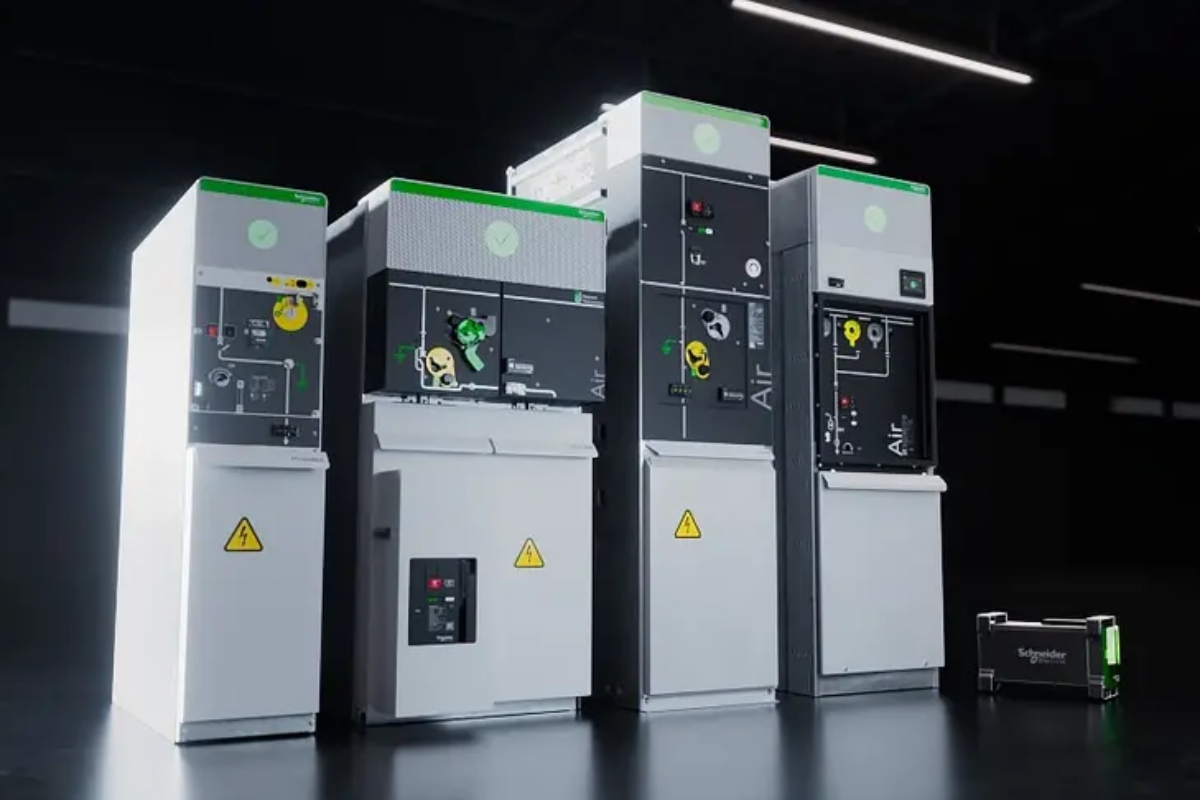
Global energy technology company Schneider Electric has unveiled what it describes as the world's first fully software-defined medium-voltage (MV) switchgear, designed to change how electrical distribution systems are deployed and operated for AI factories and other applications. Announced at YOTTA 2026 in Las Vegas, USA, the equipment forms part of Schneider Electric's Software Defined Energy approach, which separates system intelligence from hardware and uses software to add functionality and performance updates. Traditional MV systems often rely on engineered-to-order designs, which can result in longer lead times and complex procurement. Schneider Electric's software-defined approach uses standardised hardware platforms and over-the-air software updates, allowing functionality to be changed without physical modifications. The company says the modular architecture can reduce system complexity, with less wiring and fewer components. Based on Schneider Electric's studies and estimates, the approach can deliver up to three times faster ordering and manufacturing, whilst digital commissioning processes can enable up to twice as fast commissioning and on-site acceptance testing. Software-defined approach to medium-voltage equipment The equipment includes connectivity and analytics for real-time system monitoring, alongside AI-powered predictive maintenance through EcoCare Services. Schneider Electric says this can provide greater visibility into system performance and help reduce unplanned downtime. Melton Chang, Executive Vice President, Power Systems Division at Schneider Electric, notes, “Data centres are being asked to build faster than traditional power infrastructure can move. “With Software Defined MV switchgear, we are bringing the logic of software to medium-voltage equipment so customers can deploy in a fraction of the time, standardise across regions, and add new capabilities with zero downtime.” The equipment has already been deployed through a pilot with Equinix in a live colocation data centre environment. Greg Metcalf, Senior Director, Global Data Center Design and Innovation at Equinix, comments, “Software Defined MV Equipment transform the way we design, procure, build, and operate MV switchgear, allowing increased standardisation for multiple use cases whilst maintaining the highest standards of safety, quality, and reliability. “We look forward to deepening our collaboration with Schneider Electric as we continue to innovate and scale for the future.” Schneider Electric plans to extend the software-defined MV architecture across its medium-voltage portfolio and, progressively, other parts of the powertrain. Pilot programmes are expected to continue through 2027, with broader availability planned from 2028. The company says the approach is intended to support faster project execution, greater operational visibility, and lifecycle-based service models for electrical infrastructure. For more from Schneider Electric, click here.

A-Gas at Chillventa: Discover the LRM journey for data centres
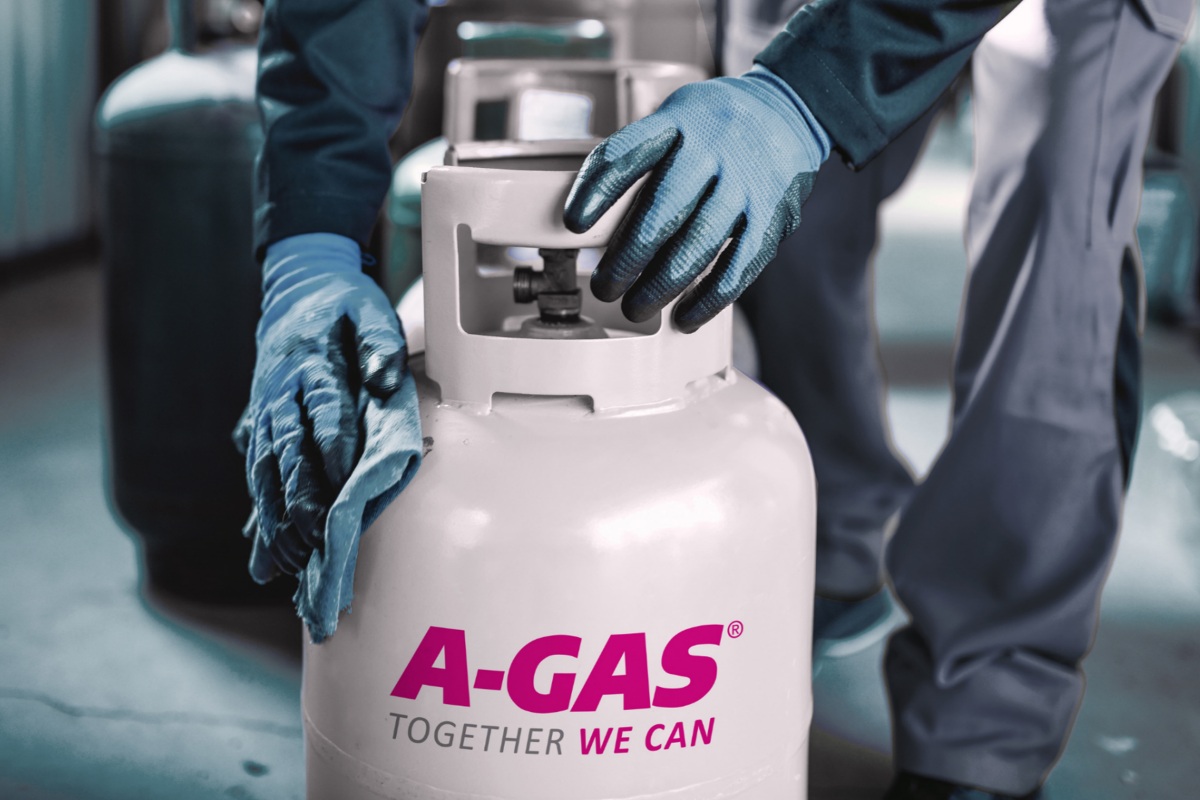
A-Gas is a company specialising in the lifecycle management of refrigerants, which is increasingly relevant as the industry looks to reduce its carbon emissions and move away from high global warming potential (GWP) gases. For over 30 years, A-Gas has supported clients and partners, including those in the data centre sector, on their environmental journey as an enabler of lifecycle refrigerant management (LRM) and circularity in the industry, with world-class processes for the safe recovery, reclamation, and destruction of used refrigerants. This LRM circular approach is the opposite of the 'take, make, and dispose' model that has dominated the refrigerant industry for decades. By recovering used refrigerant gases and reclaiming them to AHRI 700 standards, A-Gas makes better use of existing resources and reduces the need for virgin production. Re-supplying these products to the market helps the wider heating, ventilation, air conditioning, and refrigeration (HVAC-R) industries embrace circular economy principles. Where no future reuse is possible, A-Gas uses United Nations-approved destruction technology to eliminate the gases in a safe and environmentally responsible way. During the three days of Chillventa, A-Gas will take visitors on a journey through the different phases of Lifecycle Refrigerant Management (LRM). A-Gas will highlight how each phase impacts the refrigerant lifecycle and demonstrate how its products and services support customers at every stage. • Recovery — featuring globally renowned services such as Rapid Recovery and Rapid Exchange• Supply — showcasing its expertise in multiple refrigerants, including low and ultra-low GWP refrigerants, as well as the new blends• Reclaim — highlighting world-class reclamation capabilities that restore refrigerants to AHRI 700 standards for re-supply Why Rapid Recovery is important for data centres For data centre operators, Rapid Recovery is a key part of this approach. The sector has specific requirements in terms of speed and efficiency, which A-Gas is able to address promptly, keeping server downtime to a minimum. In this context, one aspect that is often underestimated is the logistical complexity involved in challenging environments such as hyperscale data centres and edge infrastructure. In these cases, decommissioning or retrofit operations may involve large quantities of refrigerant and require rapid intervention to minimise disruption to operations, which could otherwise result in significant inconvenience and substantial financial losses. Rapid Recovery is a high-speed, on-site refrigerant recovery programme delivered by highly specialised technicians using purpose-built proprietary technologies, lorries equipped with 120-metre flexible recovery hoses and other company assets, including 1,000-litre drums and high-performance vacuum pumps. The service removes refrigerant at speeds of up to 10 times those of traditional recovery processes, while operating in full compliance with local and international regulations. It also includes comprehensive support with all required documentation. The service can be adapted to applications of any size and is available 24 hours a day, seven days a week. A-Gas meets visitors at Chillventa Discover A-Gas solutions and more by visiting A-Gas in Hall 1 - Booth 1-332. The team looks forward to welcoming you and guiding you through the LRM journey. For more from A-Gas, click here.

Schneider Electric expands prefabricated power portfolio
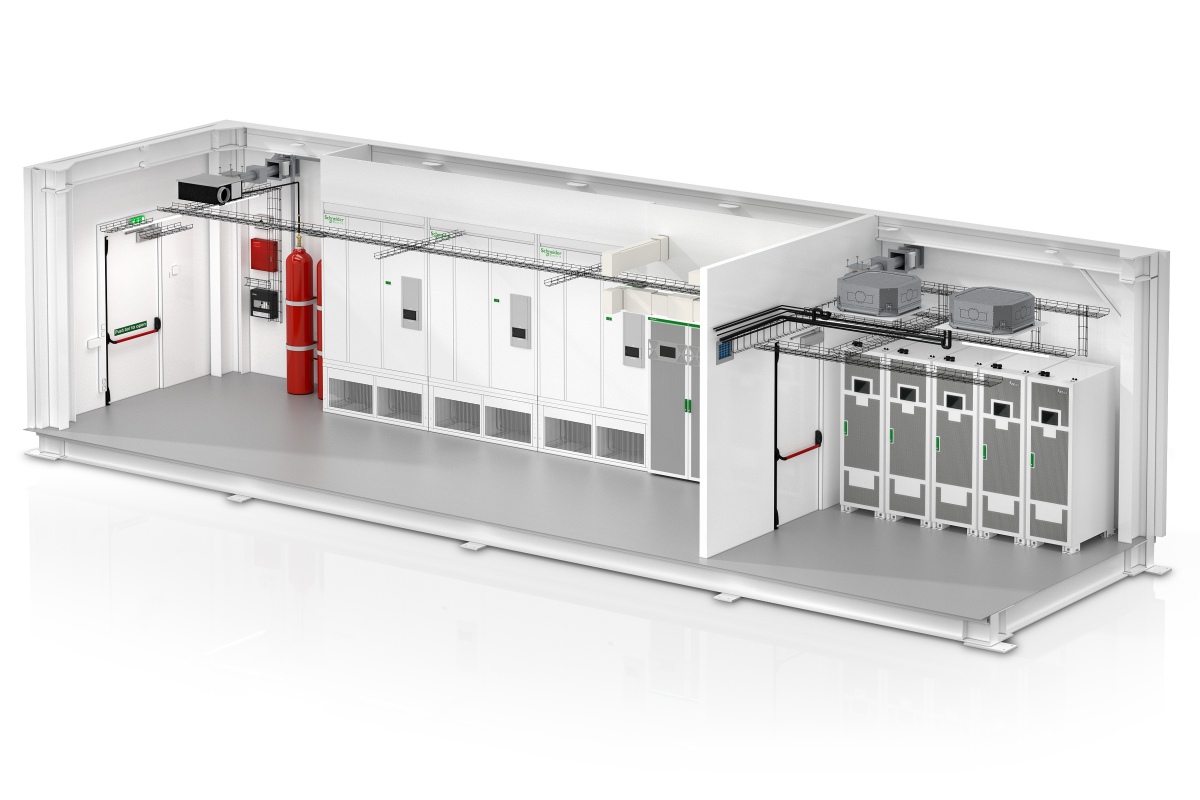
Global energy technology company Schneider Electric has launched a range of standardised Prefabricated Power Modules and Power Skids for hyperscale, neocloud, and colocation data centres supporting AI and high-performance computing workloads. Powered by the company’s Galaxy VXL UPS technology, the prefabricated power modules provide up to 2.5MW of capacity per module. Standard configurations are available at 2MW, 2.25MW, and 2.5MW, allowing multiple units to be deployed as repeatable power blocks across larger data centre campuses. The systems are based on Schneider Electric’s reference designs with NVIDIA, including integrated power management and liquid cooling controls for the GB300 NVL72 platform. They are intended to support AI training clusters and other GPU-intensive workloads. Standardised systems target faster deployment Schneider Electric says traditional customised prefabricated power systems can require lead times of 12–14 months. Its standardised approach is intended to simplify specification, design, and manufacturing, with production possible in as little as six months. The modules combine UPS, switchgear, cooling systems, lithium-ion batteries, busway, and power distribution within a factory-tested enclosure. The power skids provide similar electrical infrastructure in an open format for indoor deployment. Tarunjeet Sarao, SVP Data Center Systems at Schneider Electric, says, “Today’s data centre operators are under immense pressure to deploy AI-ready infrastructure faster, more efficiently, and at greater scale. “By standardising our prefabricated power systems and incorporating our leading Galaxy VXL UPS technology, we are enabling hyperscale, neocloud, and colocation providers to deploy scalable, high-density power infrastructure in months rather than years.” The modules and skids are engineered, manufactured, and tested at Schneider Electric’s facility in Sant Boi de Llobregat, Barcelona. The products are available immediately in Europe, with North American availability planned later this year, followed by other international markets and APAC. For more from Schneider Electric, click here.

AVK launches capital business for on-site data centre power
AVK, a provider of power systems and electrical infrastructure for data centres, has launched AVK Capital, a funding entity that will finance and own on-site power infrastructure for data centres, with customers accessing the capacity through long-term power purchase agreements (PPAs). The business houses investment secured by AVK from Partners Group in August 2026. The model is intended to give data centre developers access to on-site power without carrying the infrastructure costs on their own balance sheets. Under the model, AVK selects and engineers the power infrastructure for each site, whilst AVK Capital funds and owns the assets. The customer then pays for the power as an operating cost rather than making the upfront capital investment. The infrastructure can incorporate microgrids, AVK PowerPods, fuel cells, renewable energy, and standby generation. AVK will remain responsible for the delivery, commissioning, operation, and maintenance throughout the asset’s operating life. Funding aims to accelerate power delivery AVK says the model addresses two barriers facing data centre development: constrained grid capacity and the capital cost of providing on-site generation. Ben Pritchard, Chief Executive Officer at AVK, explains, “Access to power is the single biggest constraint on data centre development in Europe, and the cost of solving it is the second. AVK Capital takes both off the table. “We already design, build, operate, and maintain on-site power at commercial scale, and being able to fund and own it as well means a developer can contract for power in the same way they contract for any other service.” AVK Capital will sit alongside AVK’s existing business, which will continue to deliver standby, prime, and modular power infrastructure for customers that choose to fund projects themselves. Bob Downing, VP of Sales, Energy Solutions at AVK, suggests that bringing financing and engineering together can reduce the number of handovers during a project. He notes, “We can sit down with a developer, agree what the site needs, agree how it is paid for, and then go and build it, without a chain of handovers in between.” AVK Capital is set to be introduced to the market this month. For more from AVK, click here.

Aggreko achieves grid code compliance across Europe
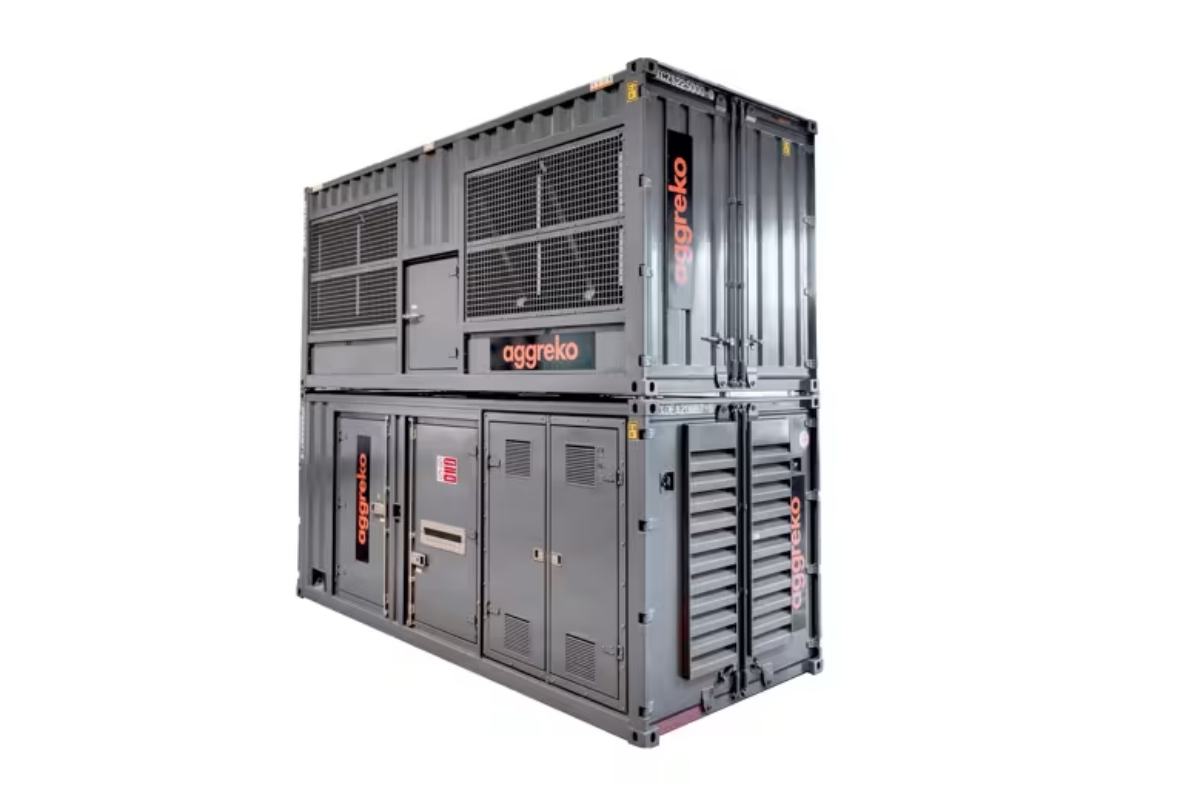
Aggreko, a British multinational temporary power generation company, has achieved grid code compliance for its 1.5MW generator fleet across 11 European countries, allowing the company to support data centres and other large power projects facing grid capacity constraints. The certification covers the UK, Ireland, Germany, France, Italy, Spain, the Netherlands, Belgium, Poland, Romania, and Czechia. It allows Aggreko’s generators to integrate with public electricity networks for applications including additional generation capacity, peak demand management, exporting power to the grid, and grid balancing. Aggreko says the certification can also help accelerate large-scale power projects, with gas-powered generation of more than 50MW potentially deployed within months while longer-term grid infrastructure is developed. Generation supports grid capacity The company says decentralised generation can help address capacity shortfalls, support renewable energy integration, and reduce pressure on electricity networks. Aggreko has previously supplied 43MW of power to Romania’s national grid over four years, using a combined heat and power system while providing grid balancing services. Connor Docherty, Head of Product for Gas at Aggreko, suggests, “Decentralised energy will have a critical role to play during this critical period, which is where grid code compliance comes into play. “With the ability to integrate with grid infrastructure, we can support grid operators and high energy users alike through decentralised energy generation. This will help to balance the grid, make up capacity shortfalls to ensure that large power projects can go ahead, assist increased renewable integration, and avoid blackouts.” Aggreko says that its fleet also incorporates remote monitoring and control systems for equipment diagnostics and plant-level analytics. For more from Aggreko, click here.


Translate »