Infrastructure Management for Modern Data Centres


Green decentralised energy solutions could help bridge expansion gap
As recent reports show rapidly escalating data centre supply in the FLAP markets, construction site stakeholders need to identify energy solutions to keep powering this rapid expansion, says Aggreko. According to a recent CBRE report, new supply surged in 2021, with 397MW coming online across the FLAP markets. With this momentum expected to continue into 2022, Aggreko is encouraging data centre owners and operators to get ahead of the curve when it comes to energy scarcity and powering increasing amounts of space. “Though the European market’s continued boom is undoubtedly good news, certain worrying trends can be identified by delving through the data behind this continued growth,” says Billy Durie, Global Head for Data Centres at Aggreko. “Nowhere is this more apparent than in the fact that the FLAP markets have experienced its two largest quarters for take-up in the second half of the year, with 105MW in Q3 and 96MW in Q4 respectively. Taking this into account, the question must be asked- how is all of this going to be powered? “Such scale, coupled with the fact the CBRE has anticipated higher costs caused by energy price rises, will pose challenges for those building new facilities to service this growth. Namely, data centre stakeholders may find themselves unable to power expanded halls or increased take-up in existing premises due to grid constraints.” The effects of grid strain can be clearly seen in Amsterdam, where a moratorium has been in place since July 2019 on data centre construction in both the city and nearby Haarlemmermeer’s municipalities. Though not as extreme, other areas are experiencing similar issues. For example, the CBRE has identified government-imposed restrictions on build activity as a key challenge for the rapidly expanding Frankfurt market. Such limitations highlight the role decentralised energy solutions could play in meeting data centre construction demand. Specifically, by using generator technology as a bridging solution during both the project and when facilities come online, power provision can be maintained while grid capacity is increased for these new or expanded facilities. Billy says: “Looked upon from the outside, it could be argued that the European data centre sector is experiencing what might be regarded as an enviable problem. Yet this remains a pressing concern, and one that must be addressed if the FLAP markets’ upward trajectory is to continue unabated. The provision of green distributed energy equipment on a hired basis is one such way to bridge this gap between ever-growing data centre demand and increasingly unreliable and constrained grid infrastructure. “Whether through the use of alternative fuels such as HVO, alongside Stage V generators for larger sites or hybrid battery systems for smaller loads, the technology is already there to sustainably assist this transition. Considering these facilities are increasingly situated in built-up areas subject to emissions controls, this is also a vital concern.”

Kao Data expands Harlow campus with second 10MW data centre
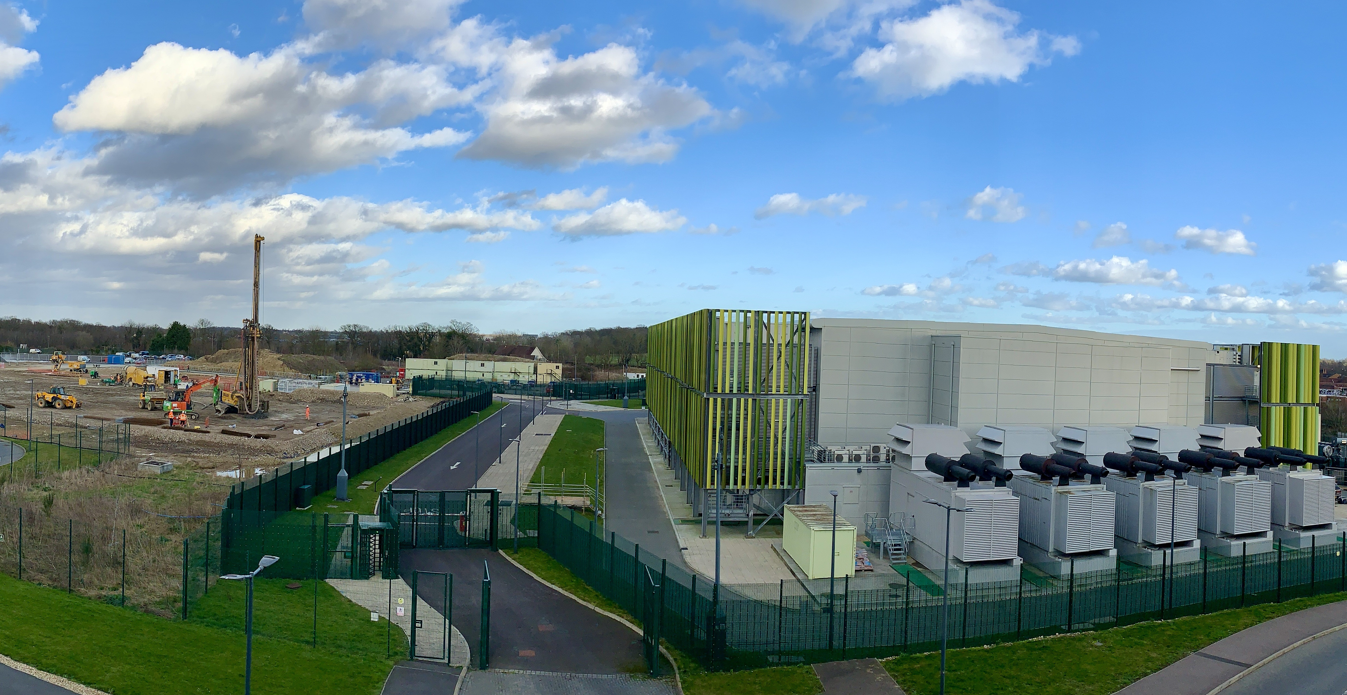
Kao Data has announced the expansion of its Harlow data centre campus, with construction now underway on its second 10MW facility, underpinning infrastructure in the UK innovation corridor. Following a recent investment from Infratil (and the launch of its Slough data centre last month) the new facility, named KLON-02, will build upon the company’s infrastructure, energy efficiency and sustainability capabilities, providing customers with a reduced carbon footprint and low Total cost of ownership (TCO) over the lifecycle. KLON-02 will offer up to 10MW of capacity and provide an energy efficient home for almost 1,800 racks of IT equipment across 3,400m2 of technical space and via four Technology Suites. Once fully operational, the facility will be NVIDIA DGX-Ready data centre certified and OCP-Ready, enabling High Performance Computing (HPC), Artificial Intelligence (AI), and enterprise computing users to scale quickly and efficiently by deploying pre-populated OCP Accepted racks, or bespoke high density architectures within its hyperscale-inspired design. In similar fashion to KLON-01, the new carrier-neutral data centre will benefit from access to resilient, low-latency connectivity via major multiple networks including BT Openreach, euNetworks, Jisc/Janet, the London Internet Exchange (LINX), LUMEN and Vorboss. Furthermore, Kao Data's continued partnership with Megaport will deliver high-performance connectivity to all major Tier I and Tier II cloud service providers, including Amazon Web Services (AWS), Google Cloud, Microsoft Azure and Alibaba Cloud. Central to the design and build of KLON-02 will be the highest sustainability features, from ensuring the new architecture is BREEAM ‘Excellent’ certified and both its Technology Suites and related cooling infrastructure configure to hyperscale design principles, to ensuring customers’ mission critical workloads are delivered with an SLA-backed PUE of <1.2. These will be complimented by using 100% renewable energy and 100% sustainable, Hydrotreated Vegetable Oil (HVO) in its backup generators. “The expansion of our Harlow campus is another strategic milestone in Kao Data’s evolution as we continue to scale the business’s high performance data centre offering across the UK and Europe”, says Lee Myall, CEO, Kao Data. “With our second 10MW facility in Harlow following the launch of our 16MW data centre in Slough closely, Kao Data is bringing advanced colocation capacity at industrial scale to the west and east of London.” “KLON-02 will build on the award-winning design and build principles of our KLON-01 facility, offering greater efficiencies for our customers’ colocation environments,” adds Paul Finch, COO, Kao Data. “It’s exciting to be able to continue to innovate within our construction, engineering, and technical principles, and I am confident our second facility at Harlow will raise the bar again for sustainable, energy efficient data centres.”

Airedale launch data centre chiller range, with Enhanced Free Cooling
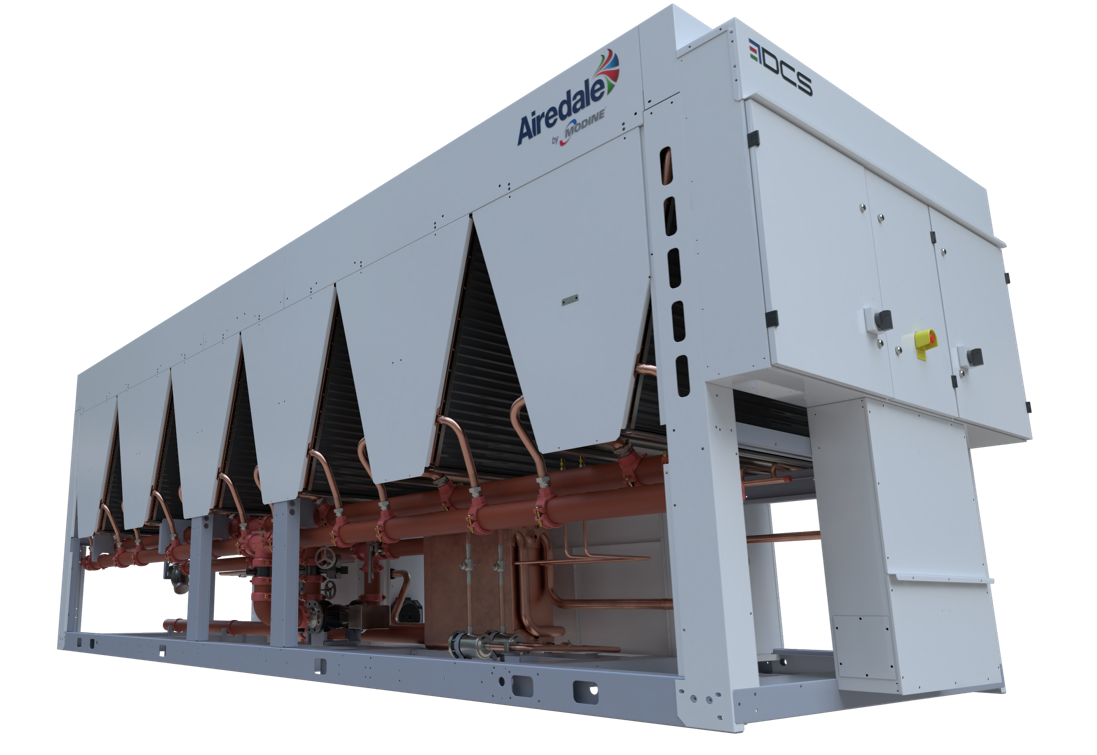
Airedale has announced the launch of the DCSTM range, a family of air-cooled chillers specifically optimised for demanding data centre environments, featuring ground-breaking Enhanced Free Cooling technology. With uptime and energy efficiency hard-wired into every facet of their design, the DCSTM range has evolved from decades of worldwide data centre experience. The range has been specifically designed by the Data Centre Solutions team, based at Airedale’s global headquarters in Leeds, UK, to deliver powerful, reliable and sustainable cooling in the most demanding of environments. Utilising existing Airedale chiller platforms, DeltaChill, TurboChill and OptiChill, the DCS team has implemented multiple upgrades to meet the unique requirements of the data centre market. Enhanced controls functionality, such as compressor fast-start and optimised head pressure control, has been added along with hardware upgrades such as battery-free UPS and Automatic Transfer Switches to conserve uptime. The chillers are also designed to operate at increased supply / return water temperatures (20/32oC), in line with data centre trends and to maximise free cooling potential. Available with a range of compressor technologies and refrigerants, including low GWP option R1234ze, and featuring the Enhanced Free Cooling package, this range of super-high efficiency chillers offers unparalleled energy savings and a much reduced carbon footprint. Enhanced Free Cooling With a complete redesign of the V-block condenser coils and the implementation of larger EC fans to maximise air flow, the Enhanced Free Cooling package is able to deliver a higher percentage of full free cooling over the course of a year. The mechanical upgrades, coupled with the ability of the DCS chillers to operate at increased maximum supply / return water temperatures, can deliver up to 39% annual energy cost savings over traditional free cooling methods. The reduced requirement for less mechanical cooling in turn reduces the stress on components such as compressors, thus reducing maintenance requirements and increasing longevity of the unit. Over its full life cycle, the combination of reduced energy consumption and lower approach temperatures leads to improved PUEs, allowing data centre operators to more easily meet their environmental targets. • Larger 910mm EC fans delivering increased air flow (compared to 800mm on standard units)• 5 rows of free cooling coils for increased free cooling capacity (compared to 3 rows on standard units)• Increased maximum supply/return water temperatures, up to a maximum of 20/32oC (68/90oF)• Closer approach temperatures Patrick Cotton, Product Manager for chillers at Airedale, says, “In modern high-capacity data centres, balancing performance with sustainability, without compromising, is a priority, as data centre operators work hard to reduce their carbon footprint whilst maintaining availability during a global surge in demand for data.” Patrick continues, “Working closely with some of the world’s largest data centre operators, we have been able to design and deliver our DCS range of chiller products to meet worldwide efficiency targets, whilst delivering the future of data centre cooling.” The DCSTM chiller range includes TurboChill DCSTM (200kW to 1830kW), DeltaChill DCSTM (110kW to 1100kW) and OptiChill DCS (1850kW). Enhanced Free Cooling is available on TurboChill DCS and DeltaChill DCS.

Keysight extends digital 800G test portfolio to improve power efficiency in data centres
Keysight Technologies has expanded the company's portfolio of high-speed digital 800G test solutions to enable the optical transceiver ecosystem to improve the power efficiency of components and modules used in data centre equipment.  Hyperscale data centres are adopting 800G, the latest data centre connectivity technology, to address a rise in the use of cloud-native, 5G, artificial intelligence (AI) and internet of things (IoT), as well as data-hungry applications such as video conferencing, streaming and digital entertainment. The latest addition to Keysight's existing portfolio of 800G test solutions are new design and validation solutions that support multimode interfaces, which are critical for an energy efficient data centre infrastructure. The 800G multimode test solutions uniquely support high-speed data interconnect speeds of up to 100 gigabit per second (Gbps). "An ever-increasing growth in data traffic, compounded with data centres’ need to reduce their energy footprint, has prompted Keysight to launch the new 800G multimode test solutions," says Dr. Joachim Peerlings, vice president of Network and Data Centre solutions at Keysight Technologies. "These new solutions will help reduce power consumption in data centre equipment. Energy conservation and efficiency in data centres has a significant positive impact on the health of the planet." In December 2020, Keysight launched industry-first 800G test solutions to help speed development of next generation data centre technologies. The 800G multimode test solutions enable users to verify the performance of a wide range of optical transceiver modules and components, including vertical-cavity surface-emitting lasers (VCSELs), photodiodes, modulator drivers, transimpedance amplifiers (TIAs) and physical layer (PHY) chips. The extended portfolio supports 400G and 800G design validation, in accordance with standards defined by the Institute of Electrical and Electronics Engineers (IEEE), across the entire product lifecycle, from early research and development to manufacturing. Industry-leading test capabilities from Keysight include: Multimode component characterisation using Keysight's N4373E lightwave component analyserConformance and interoperability validation using Keysight's N1077B 64Gbaud multimode optical and electrical clock recovery solutionsTransceiver module performance evaluation using Keysight's A400GE-QDD and G800GE layer 1 multiport test solutions.

Telehouse and Zayo team up to future-proof network infrastructure
Telehouse has announced a collaboration with Zayo to deliver a high-capacity and agile network across Europe. Driven by the growing demand for fast connectivity and hybrid IT infrastructure, the collaboration will connect Telehouse’s network of European data centres on Zayo’s high-performance fibre network to create a unique connected digital ecosystem and enable customers to benefit from fast, seamless access to multiple cloud providers. Zayo will deliver a robust cross-connect infrastructure across Telehouse’s iconic London Docklands campus, providing enhanced and resilient connectivity to customers globally. The company will also help Telehouse connect Telehouse South – its newest data centre set to open in February 2022 - into the Docklands campus, enabling customers to benefit from the same low latency and highly-connected ecosystem of more than 800 connectivity partners for which the campus is known. As a long-time partner of Telehouse, Zayo already has core network nodes in place within seven of Telehouse’s ten European sites, with the remainder to be added in 2022. Through the new partnership agreement, Telehouse customers can benefit from up to 100Gbps bandwidth across European sites, while Zayo customers can tap into the Telehouse ecosystem to benefit from stronger connections and unrivalled access to multiple cloud and connectivity providers. “Our goal at Telehouse is not to sell real estate but to build connected ecosystems and increase connectivity for customers looking to connect across sites or to the cloud,” says Nick Layzell, Client Services Director at Telehouse Europe. “By combining our secure, connected ecosystem with Zayo’s innovative fibre solutions, we are not only providing customers with a trusted environment to host their infrastructure, but a reliable, scalable and high-capacity network to meet evolving business demands.” With this partnership, Zayo is expanding its network to cater to growing connectivity demands driven by the shift to hybrid work. By establishing core network nodes and placing equipment within Telehouse’s strategically located data centres, Zayo will strengthen its high-speed global fibre network, while also enhancing its mission-critical fibre bandwidth capability within the Telehouse data centre facilities. “Telehouse was an obvious choice for us due to its established reputation for building highly-secure and connected data centre ecosystems and close proximity to Europe’s growing financial ecosystem,” says Ed Wheeler, Data Centre Partner Manager at Europe Zayo. “Together we can meet  increased customer demand for connectivity to support hybrid working and facilitate crucial connections for Zayo clients, including large global banks and hyperscalers.”

Secure I.T. Environments completes data centre projects for Hospital
Secure I.T. Environments has announced the completion of data centre infrastructure upgrades at two hospitals in South West England. Both projects entailed updating 20-year old data centres, one with new air conditioning systems projected to save £13,684 in annual running costs. One of the upgrades was to a hospital responsible for many of the trust’s acute services based there including an emergency department and Minor Injuries Unit. The data centre upgrade was taking place on a live data centre, so great care was taken to minimise the impact on hospital services.  The end of life air conditioning system was replaced with 4 x GEA Multi-Denco energy efficient downflow units in an N+1 configuration. Works took place in a phased approach to ensure the data centre could continue to operate at full capacity. SITE also completed a large power upgrade, which had to be carefully managed as several critical care supplies had to be briefly taken offline as part of the planned switch over. At the second hospital site, the 20-year old UPS and environmental systems were replaced with a 50kVA/kW modular energy efficient UPS solution, which includes air conditioning to prolong the lifespan of the batteries. All works were completed without any shutdown and allowed for a seamless transition between the old and new UPS systems. The new Jacarta DCIM EMS system ensures there is now EMS continuity across the trust’s three data centre sites with monitoring for UPS, AC fail, water leak detection, fire panels, humidity and temperature. This data is fed into a centralised building monitoring system that the IT team can monitor remotely. No down time was required for the upgrade. Chris Wellfair, projects director at Secure I.T. Environments, says “Healthcare settings are some of the most challenging environments that we work in. We have built up decades of experience within the NHS sector, which enables us to ensure a minimum impact on patients and staff, and reduce the risks of unplanned downtime.”

Telehouse unveils predictions for IT infrastructure in 2022
Telehouse has revealed five top trends it expects to impact the world of IT infrastructure during 2022. Edge data centres will start to spring up nationwide Recent Telehouse research showed that already more than two-thirds (68%) of UK IT decision-makers have implemented a strategy for edge. As we move into 2022, and 5G is deployed more widely, we will see even greater demand for edge data centres and an increase in acquisitions, mergers and the launch of new data centres across the UK. Edge computing, delivered from this fast-emerging network will provide the capacity to support smart cities, and a latency of less than one millisecond. Colocation will more than hold its own against hyperscale Despite challenges from hyperscalers, the colocation market will continue to thrive in 2022. Telehouse research shows that 99% of UK enterprise IT decision-makers are using colocation, with 40% of enterprise IT infrastructure outsourced. This is set to rise to 46% in five years’ time, with significant growth set to take place in 2022 as companies lay the foundations for edge computing and shift IT infrastructure from on-premise to colocation in response to remote and hybrid working models. Uptake will increase particularly in sectors such as financial services, who are under pressure to transform and migrate away from legacy infrastructure rapidly, enabling them to benefit from fast, secure and direct connections to cloud service providers while maintaining strong security. Connections will be more important than location Rising data volumes and increasing demands for advanced technologies like artificial Intelligence (AI) and machine learning (ML) will force businesses to find ways to ingest and process data quicker, and to do in a scalable and flexible cloud environment. Greater focus will be placed on the route data takes and the number of connections it has, rather than its geographical home. Building connected ecosystems and low-latency connectivity with network and connectivity partners will be critical to success. Growing data volumes will overwhelm businesses and lead to IT burnout A third of enterprises already say growing data volumes is a serious problem, according to Telehouse’s  Race to the Connected Future and this will rise further in 2022 as data demands increase. Businesses will continue to focus on unlocking and analysing data to increase agility, inform strategy, launch new services quickly and inform decision making for digital transformation., but increasing pressure on IT teams, many of whom are not data literate, will lead to rising levels of burnout across the sector. Growing data volumes will also continue to drive the adoption of edge to deliver a more efficient way of moving and processing large volumes of data in real time.  Sustainability will become non-negotiable Sustainable IT Infrastructure will become a mandatory requirement for most businesses in 2022, driven by pressure from customers, partners and increasing regulation. Reducing environmental footprint is already a top five challenge and will be the second biggest challenge by 2030 according to Telehouse research. As a result, monitoring of environmental footprint of IT operations will increase and steps taken to reduce carbon impact in 2022, particularly when it comes to infrastructure strategy. Edge computing and colocation are already considered the most sustainable infrastructure models, and as more enterprises adopt hybrid and multi-cloud, adoption of colocation will rise as companies seek to offload sustainability responsibilities and reduce carbon impact of cloud connectivity by connecting to multiple cloud services through a single, dedicated private connection from a data centre. Mark Pestridge, Senior Director Customer Experience at Telehouse Europe says: “2021 was another significant year for IT Infrastructure, driven largely by response to the pandemic. As things settle in 2022, the focus will move away from building infrastructure foundations, to tackling issues such as data growth and sustainability, which in turn will further drive the need for colocation. Having the right partner, to help future-proof and remove risk from IT infrastructure will be critical to success.” 

How enclosure suppliers are adding value and engineered excellence
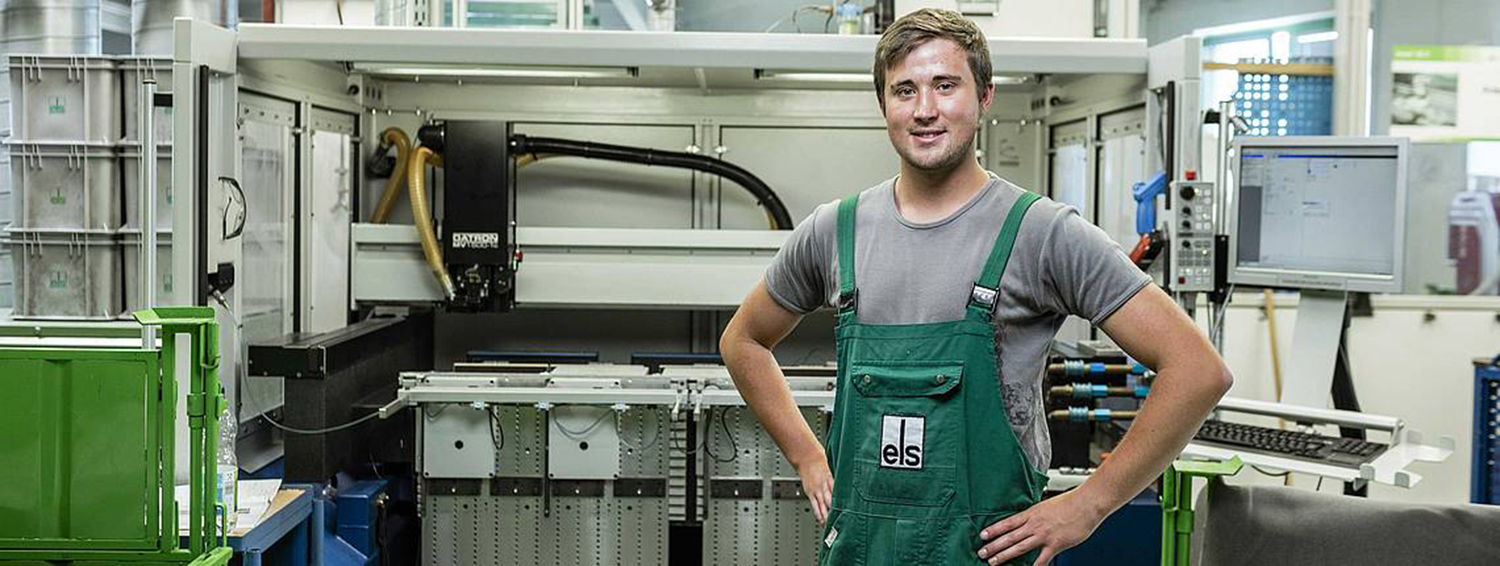
The most significant shift in the industrial enclosure market over recent years has been the demand for increased customisation and fulfilment. From CNC machining to pre-assembled electrical terminals, additional services save the customer time and money. In some cases, turnkey solutions are provided and this bespoke approach has also had a knock-on effect for enclosure technology, which is becoming ever more specific to task. Chris Lloyd, Managing Director, Spelsberg UK, explains the trend in the enclosure market and where it’s heading. The most significant change for industrial enclosure manufacturers over the past 10 years has been the requirement to provide not just the enclosure itself, but a customised, partially complete or even a finished unit. This means that customers, typically OEMs but also end-users, increasingly request components to be assembled by the enclosure manufacturer, providing a product that’s ready – or almost ready - for installation. Driving this trend is the reduction in the time and cost of labour for the customer. Shifting this aspect of manufacturing production to the enclosure manufacturer also speeds up project completion, meaning faster time to market. Enclosure assembly and customisation In addition to providing the actual enclosure, this means that manufacturers are typically requested to fit components such as electrical terminals and cable glands, through to membrane keypads and overlays. Part of the pre-assembly process can also include customisation. Using CNC machining, this can mean drilling specific sizes and locations of holes for optimal cable routing, through to countersinking and tapping to increase mounting flexibility. Today, the enclosure manufacturer has the skills and technology that the OEM or end user doesn’t have available in-house, in order to provide customised and assembled units. This increases the accountability demanded from the enclosure manufacturer - instead of sharing it with third-party machinists or fulfilment houses - which improves the speed and reliability of project completion. The shift to complete finished products The extent of progression in the one-stop-shop demands placed on current industrial enclosure manufacturers also includes complete finished products that are ready to install. For example, as a result of the rise in electric-powered vehicles, including cars as well as bicycles and scooters, manufacturers like Spelsberg have been tasked to provide OEMs and local and municipal authorities with complete charging units. Spelsberg’s e-bike charging station, the BCS, is a complete battery charging unit, ready for public installation and use by an e-bike rider. The BCS includes not only a durable IP54/IK08 industrial enclosure, but also the electrical charging sockets, ready for connection direct to a 230/400 V power grid. Providing completed products like an electric battery charging station means close partnership with electronic component specialists, such as PCB designers and manufacturers, as well as wider technology specialists such as mobile app developers. Each BCS unit can be located by an e-bike rider thanks to the connection of a smartphone app. The demand on enclosure manufacturers for complete products is increasingly seeing a need for wider skills recruitment as well as additional partnerships with new types of suppliers. Manufacturers like Spelsberg are not only investing more in terms of electronic component development and manufacture, but system design is increasingly coming to the fore. Where previously a customer may have presented their design for the enclosure manufacturer to produce, increasingly the customer gives only their challenge or desired outcome, tasking the manufacturer with the design and development of the solution. Rapid delivery of turn-key projects Particularly for end users such as large utilities suppliers, their requirements are increasingly for turn-key solutions. The enclosure of switchgear for solar farms is a tested example, and the renewable energy sector is also creating further demand for complete solutions for wind and tidal power. Telecommunications networks also have similar requirements. Providing major utilities with ready-to-install, completed units, not only gives them benefits in terms of speed and cost reduction, it also improves the efficiency of their procurement process by reducing their supplier count. While customers increasingly want a near-ready or ready product, this hasn’t reduced the demand on timescale. Producing a customised prototype as a customer sample is often needed on a same-day basis. When it comes to providing the manufactured batch, the operation might typically be required within one to two weeks. This not only means fast production, including customised aspects such as CNC machining, but also involves carrying a flexible stock of items such as membrane keypads, in addition to the actual enclosures. Specialised enclosure technology In terms of the industrial boxes themselves, as customer requests become increasingly specific, so do the enclosures. To suit the varied nature of demanding applications, the range of standard enclosures has had to grow to accommodate products such as enclosures for concrete installation for the construction industry, through to fire-proof boxes for security devices such as alarms and sprinkler systems. More specialised still, applications for the military can require non-reflective, self-extinguishing, radar-proof, ‘stealth’ enclosures. While there will remain a need for providing enclosures alone, for example to electrical installers, from the perspective of OEMs and end-users, the electrical enclosure industry will continue to move towards partially assembled and complete solutions for specialised applications. Not only is this approach saving the customer cost and time, ultimately it’s helping to create better completed projects.

DAMAC and Dataplex partner to develop data centre facilities in Europe
DAMAC Group has entered a partnership with Dataplex Group. The partnership will focus on brownfield projects involving retrofitting existing structures and larger greenfield projects, with specific focus on hyperscale and wholesale colocation customers.  DAMAC Group has also invested in Dataplex, which will result in a shareholding of up to 45% of the company over time.  Dataplex’s primary shareholders DAMAC Group and Chirisa have acquired a land parcel in Abbotstown for a greenfield 70 MW+ data centre and industrial campus development in Dublin, Ireland.  The DAMAC Group of companies is the private investment arm of Hussain Sajwani, the Dubai-based billionaire known for his successful global property development company, DAMAC Properties. The group has a diverse portfolio across various sectors including real estate, capital markets, fashion, and more. Earlier this year, DAMAC Group made its foray into the data centre industry by launching Edgnex, a global digital infrastructure company headquartered in Dubai. “DAMAC Group, through its global digital infrastructure company Edgnex, is developing data centre facilities to support the growth of digital economies across the globe. Our work with Dataplex enables us to serve exponential demand coming from local markets, driven by rapid digital transformation, booming digital economies, and growing internet users,” says Hussain Sajwani.  Edgnex, a global digital infrastructure provider, identifies and invests in the next digital hubs and aims to disrupt the local data centre market. Over the coming months, Edgnex will be announcing acquisitions, building projects and partnerships focused on developing local data centre facilities in emerging or underserved markets globally. Its mission is to bring new speed and agility to the data centre market so that more local and regional economies, enterprises and end users can benefit from digital infrastructure. “We have a track record of recognising opportunities, making significant investments and capturing a first mover advantage. We are driven by market dynamics, not just by who needs capacity now. Where we go, others follow,” Sajwani adds. DAMAC Group’s footprint extends across the Middle East with projects in the UAE, Saudi Arabia, Qatar, Jordan, Lebanon and Iraq. Its success has allowed the company to expand global presence to places such as Canada, the Maldives, Italy and the UK. “DAMAC Group has a unique vision for the data centre market, and we look forward to helping it to bring its disruptive model to more cities around the world. Together with DAMAC Group, we can deliver digital infrastructure in underserved markets and support the growth of local digital economies,” comments Eddie Kilbane, co-founder and CEO of Dataplex Group. “Our partnership will enable our organisations to grow together, and it will be great to work with the team at DAMAC Group.”

Tips on how to commission a data centre for a successful operation
Today, data centres underpin many of the mission and business-critical digital services that we take for granted. Such services vary greatly from streaming platforms to healthcare and bio-medical research, while also supporting key segments, such as enterprise, finance and retail. No matter their intended purpose, today’s data centres must perform with efficiency and resiliency, and while much of this responsibility falls on the operational staff once a facility is up and running, the burden can be eased if, from the outset, the data centre is commissioned for optimum performance. Deployment strategy undoubtedly remains crucial, and a primary way to ensure successful operations is to conduct a commissioning exercise before a data centre is built. This process, which is often carried out by an external commissioning agent, reviews the physical design of a new facility and tests it as a holistic system. When done properly, it will anticipate potential difficulties, verify that the design meets the expected end-user objectives or industry standards, and will ensure that the build takes place according to the desired schedule and budget. Communication and expertise are essential For a commissioning exercise to be successful, however, it must avoid a number of pitfalls. This includes bringing the agent into the process at too late of a stage to be effective. Here, it’s important that the agent should be engaged weeks or months before the data centre is constructed, in order to overcome complications such as incomplete testing and poor communications between stakeholders. It’s also important to align testing procedures with the specific technologies deployed, as all too frequently, procedures for testing legacy infrastructure may not be appropriate for use with newer more advanced equipment. By ensuring they utilise updated testing procedures consistent with current technology, agents can avoid confusion among personnel and mitigate malfunction or downtime once the facility is up and running. As with any successful project management exercise, there must also be a clear identification and allocation of roles between the various stakeholders. Greater coordination and clear communication between all groups will prevent duplication, confusion, and delays. Validation of the project plan is also important, especially in terms of work schedules and delivery dates, so that all partners are clear on what is expected of them and by when. Preparation remains critical, and greater validation can help to anticipate problems caused by differences of interpretation between siloed teams, or inconsistencies in timing. Driving efficiency With cooling a fundamental component of data centre design and operation, and with greater needs to maximise energy efficiency and keep operating expenses (opEx) or costs low, it is essential that the agent carry out a detailed analysis of the potential heat loads once a data centre environment is deployed and live. Fortunately, many data centre infrastructure management (DCIM) tools and other software systems can quickly analyse a facility based on its design and hardware systems, and deliver accurate simulations that will ensure the facility is performing both adequately and efficiently. Avoiding human error The task of a commissioner can often be complex, as they must also identify any weak links in a design, which are likely to surface in real-world conditions. However, this more stringent approach will avoid having to diagnose problems at a later stage and here a simple checklist of anticipated inputs and outputs for critical components can help to quickly rectify any issues. More often than not, the people responsible for designing a data centre and anticipating any potential events are not usually the same professionals responsible for its operation. Should an unexpected event such as equipment failure or outage be experienced, it’s crucial that a comprehensive list of emergency procedures, alongside other documentation, is kept up-to-date, as the technologies within a data centre may change over time. Finally, every effort must be made to reduce human error during the commissioning process. It may be inevitable that as demands increase and deadlines loom, those fitting out a data centre may be expected to work long hours or consecutive days to meet the desired schedule. Here, over burdening personnel at such a crucial stage can lead to simple mistakes with potentially costly problems such as equipment malfunction. Ensuring that you have access to adequate technical experts during commissioning and testing, while insisting that there is proper rotation of key personnel, will help to avoid potential human errors caused by fatigue. Overall a commissioning agent’s role is a bit like that of a conductor of an orchestra: all of their hard work is done before the system goes live and is critical to delivering operational reliability. Ensuring proper coordination and communication between key stakeholders, alongside the strict adherence to a meticulously verified plan can ensure the success of a data centre deployment strategy. By Patrick Donovan, Senior Research Analyst, Data Centre Science Centre, Schneider Electric.


Translate »