Sustainable Infrastructure: Building Resilient, Low-Carbon Projects

Using data centre waste heat with aquatherm piping systems
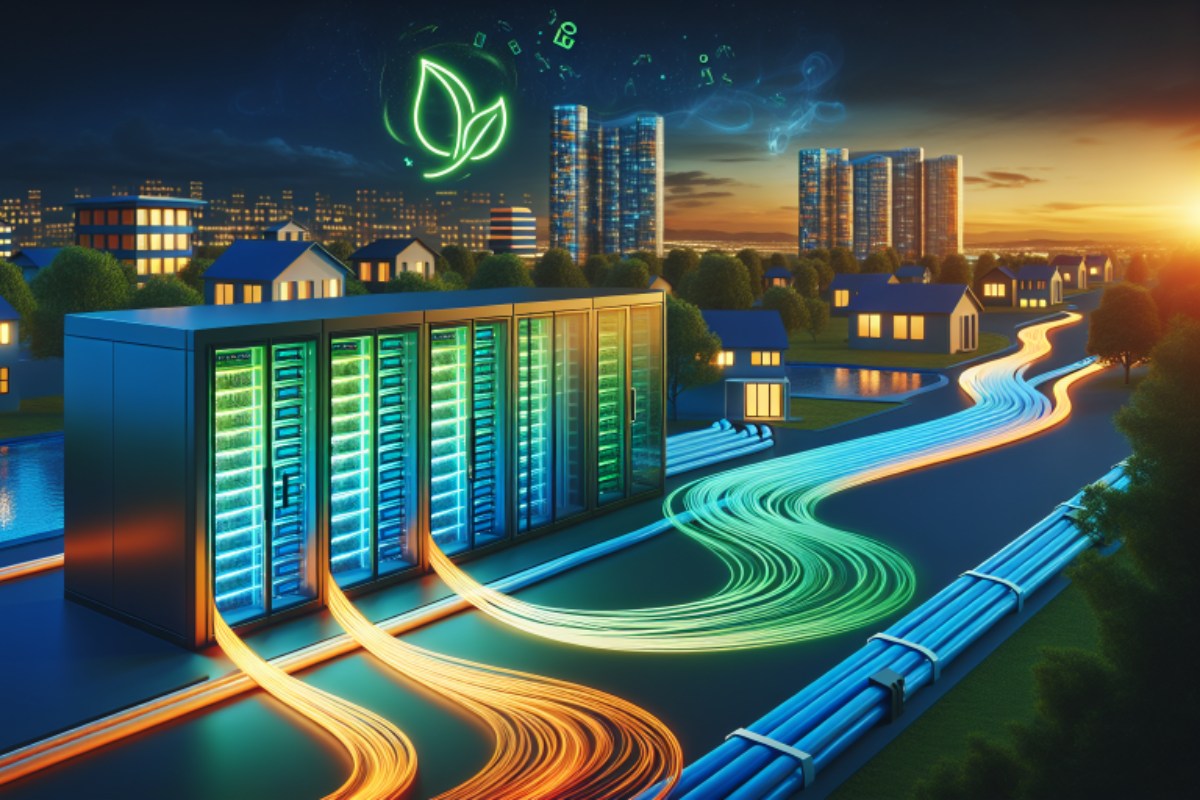
Data centres generate large amounts of waste heat as servers and cooling systems operate around the clock. Instead of discharging this heat into the environment, it can be captured and used as an energy source for nearby buildings or heating networks. To make this technically and economically viable, a reliable piping infrastructure is required to transport the thermal energy from the data centre to heat pumps, heat exchangers, and external consumers with low losses. aquatherm offers suitable solutions for this task: aquatherm blue for the internal data centre circuits, connecting servers, cooling equipment, and heat exchangers, and aquatherm energy, a pre-insulated PP piping system designed for underground distribution (for example, to local or district heating networks). Both systems are corrosion-free, durable, and designed for closed-loop operation, supporting the long-term use of data centre waste heat as a local energy resource. More details are available at Using Waste Heat from Data Centres: Turning Digital Heat into Community Warmth. For more from aquatherm, click here.

A-Gas at Chillventa: Discover the LRM journey for data centres
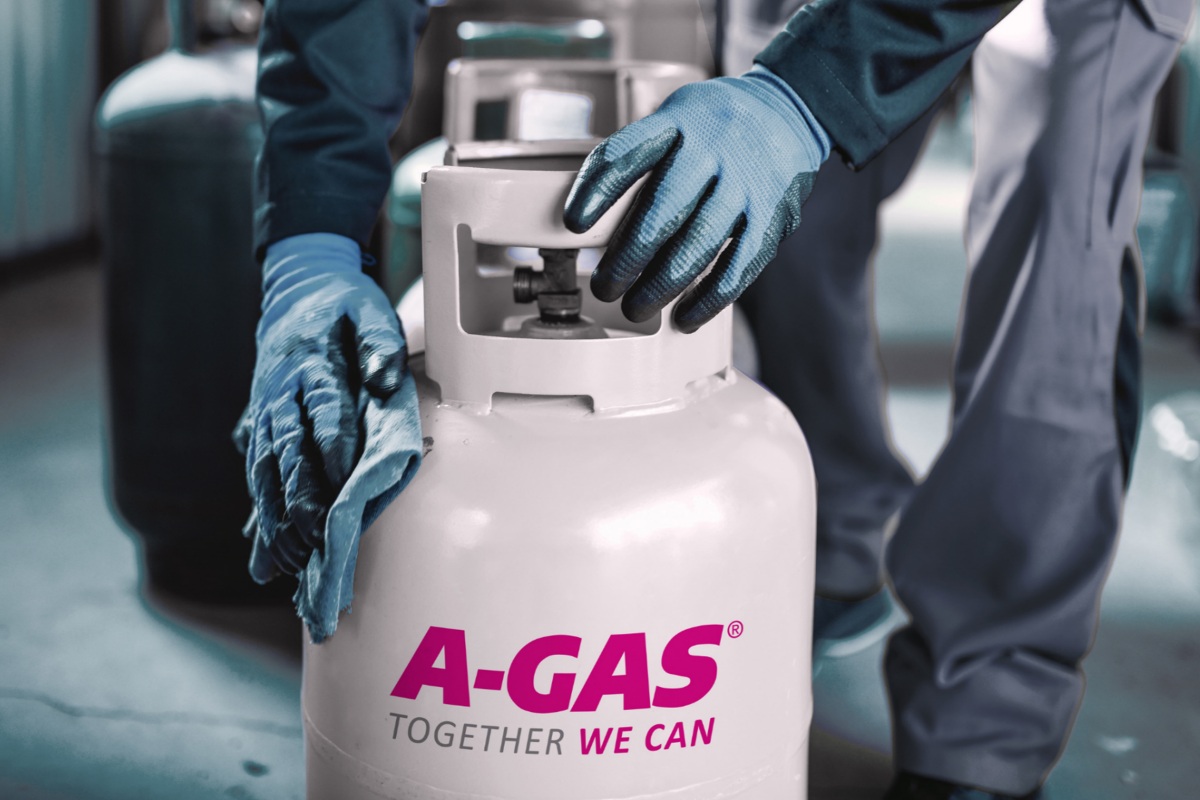
A-Gas is a company specialising in the lifecycle management of refrigerants, which is increasingly relevant as the industry looks to reduce its carbon emissions and move away from high global warming potential (GWP) gases. For over 30 years, A-Gas has supported clients and partners, including those in the data centre sector, on their environmental journey as an enabler of lifecycle refrigerant management (LRM) and circularity in the industry, with world-class processes for the safe recovery, reclamation, and destruction of used refrigerants. This LRM circular approach is the opposite of the 'take, make, and dispose' model that has dominated the refrigerant industry for decades. By recovering used refrigerant gases and reclaiming them to AHRI 700 standards, A-Gas makes better use of existing resources and reduces the need for virgin production. Re-supplying these products to the market helps the wider heating, ventilation, air conditioning, and refrigeration (HVAC-R) industries embrace circular economy principles. Where no future reuse is possible, A-Gas uses United Nations-approved destruction technology to eliminate the gases in a safe and environmentally responsible way. During the three days of Chillventa, A-Gas will take visitors on a journey through the different phases of Lifecycle Refrigerant Management (LRM). A-Gas will highlight how each phase impacts the refrigerant lifecycle and demonstrate how its products and services support customers at every stage. • Recovery — featuring globally renowned services such as Rapid Recovery and Rapid Exchange• Supply — showcasing its expertise in multiple refrigerants, including low and ultra-low GWP refrigerants, as well as the new blends• Reclaim — highlighting world-class reclamation capabilities that restore refrigerants to AHRI 700 standards for re-supply Why Rapid Recovery is important for data centres For data centre operators, Rapid Recovery is a key part of this approach. The sector has specific requirements in terms of speed and efficiency, which A-Gas is able to address promptly, keeping server downtime to a minimum. In this context, one aspect that is often underestimated is the logistical complexity involved in challenging environments such as hyperscale data centres and edge infrastructure. In these cases, decommissioning or retrofit operations may involve large quantities of refrigerant and require rapid intervention to minimise disruption to operations, which could otherwise result in significant inconvenience and substantial financial losses. Rapid Recovery is a high-speed, on-site refrigerant recovery programme delivered by highly specialised technicians using purpose-built proprietary technologies, lorries equipped with 120-metre flexible recovery hoses and other company assets, including 1,000-litre drums and high-performance vacuum pumps. The service removes refrigerant at speeds of up to 10 times those of traditional recovery processes, while operating in full compliance with local and international regulations. It also includes comprehensive support with all required documentation. The service can be adapted to applications of any size and is available 24 hours a day, seven days a week. A-Gas meets visitors at Chillventa Discover A-Gas solutions and more by visiting A-Gas in Hall 1 - Booth 1-332. The team looks forward to welcoming you and guiding you through the LRM journey. For more from A-Gas, click here.

Sustainable Data Center Summit arrives in Dubai
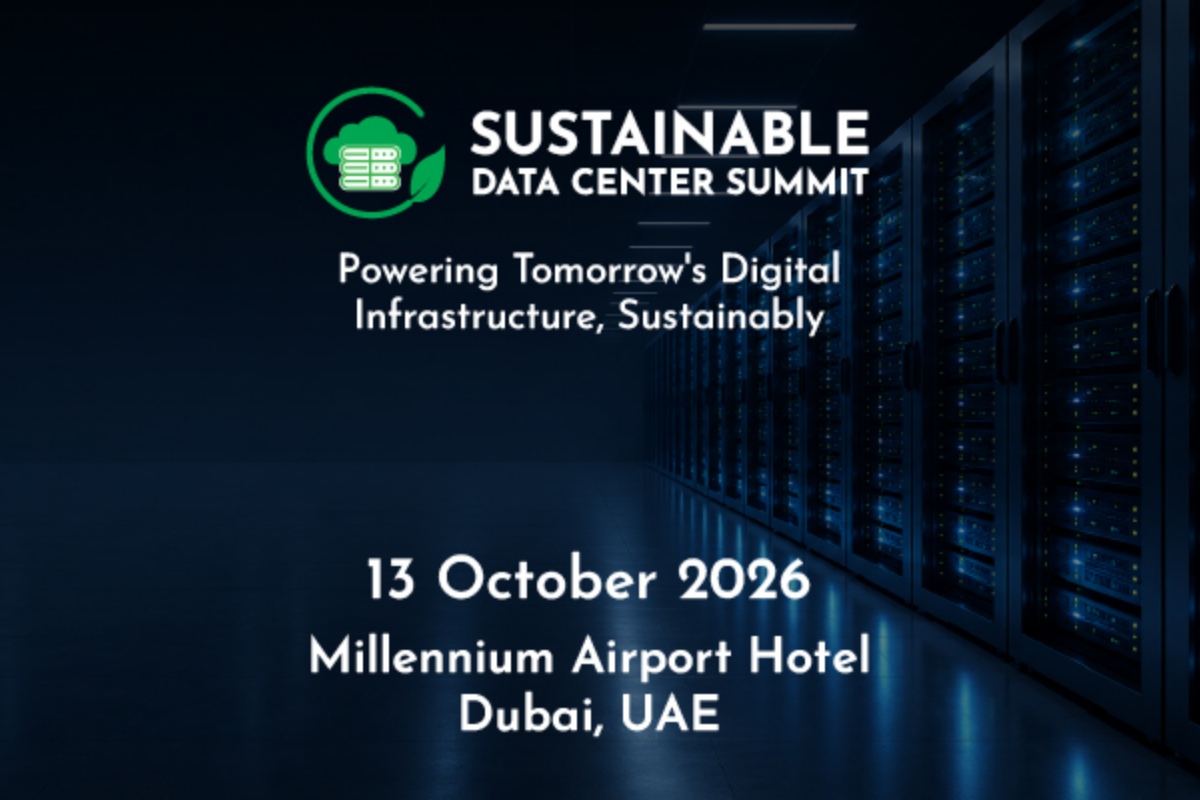
The Sustainable Data Center Summit is a focused industry platform bringing together data centre operators, developers, infrastructure specialists, technology providers, consultants, government stakeholders, and other key decision-makers to examine the evolving requirements of sustainable digital infrastructure. As demand for cloud services, AI, high-performance computing, and digital connectivity continues to accelerate, data centres are facing increasing pressure to expand capacity whilst managing energy consumption, cooling requirements, power resilience, water use, and environmental impact. The summit provides a platform to address these challenges and explore practical approaches to developing more efficient, resilient, and sustainable facilities. The summit will explore key areas including energy efficiency and optimisation, advanced cooling and thermal management, resilient power infrastructure, renewable energy integration, sustainable data centre design and operations, water efficiency, carbon reduction, AI-ready infrastructure, and high-density computing. Through expert presentations, panel discussions, and industry networking, the event will bring together professionals from across the data centre ecosystem to exchange knowledge, examine emerging technologies, and discuss the strategies required to support the industry's next phase of growth. Taking place on 13 October 2026 at Millennium Airport Hotel Dubai, the Sustainable Data Center Summit will provide a dedicated platform for meaningful conversations around how the industry can meet rising digital demand whilst moving towards more efficient, resilient, and sustainable data centre infrastructure.

Australia could cut AI emissions through data centres
Australia could reduce global AI emissions by hosting more data centre infrastructure and using renewable energy to power computing, according to a study by economics research and advisory firm Mandala Partners (commissioned by Australian industry body Data Centres Australia). The report argues that Australia could capture AI demand that might otherwise be hosted in Southeast Asia, where more carbon-intensive energy generation is used. Hosting a 1.9GW AI compute export opportunity in Australia could produce an estimated 3.2 million tonnes of CO2 emissions, compared with 11.9 million tonnes if the same capacity were hosted in Indonesia. Mandala says Australia is well positioned to become a regional hub for lower-emission AI compute, effectively exporting renewable energy through computing services rather than physical electricity infrastructure. Data centres could deliver economic benefits Capturing the AI export market could generate up to $4.1 billion (£3 billion) in additional annual economic activity, support up to 17,120 jobs, and drive up to $52 billion (£38.5 billion) in new investment. Mandala Partner Tom McMahon says, “We know Australia is capable of producing abundant clean energy, but the challenge is how to export that energy to the world. "Exporting clean energy via compute takes advantage of existing subsea cables that are responsible for carrying data and internet traffic in and out of Australia.” Belinda Dennett, Chief Executive Officer of Data Centres Australia, also notes that investment in digital infrastructure could strengthen Australia's role in the energy transition while supporting economic growth and sovereign capability. The report forecasts that Australia's data centre industry could generate $5.6 billion (£4.1 billion) in annual economic activity and support 23,040 ongoing jobs by 2030, with construction activity contributing a further $19.8 billion (£14.6 billion) and 18,930 jobs. The full report is available to view via Data Centres Australia's website.

euNetworks sets new sustainability loan targets
euNetworks, a European bandwidth infrastructure company, has introduced two environmental performance targets through its Sustainability-Linked Loan (SLL), linking sustainability measures to the design and development of new network infrastructure. The revised framework introduces Network Development Impact by Design Plans for major network projects, alongside a target for continuous improvement in the company’s GRESB infrastructure benchmark score. euNetworks first established its €760 million (£650 million) SLL in 2021 to support the expansion of its fibre network across Europe. The facility was then refinanced and expanded to €1.26 billion (£1 billion) in 2024. The Impact by Design Plans will now apply to major projects requiring significant new network construction. These projects account for a large proportion of euNetworks’ annual capital investment and approximately two thirds of its current greenhouse gas emissions. The plans will assess lower-carbon materials, construction techniques, and supplier options during the design stage, before project specifications are finalised. The approach is intended to incorporate environmental considerations into commercial and engineering decisions alongside cost, delivery times, and customer requirements. New targets added to €1.26bn loan The GRESB target will measure continuous improvement against an infrastructure-focused benchmark covering governance, environmental management, and operational performance. Marisa Trisolino, CEO of euNetworks, says, “Our new SLL targets mark an important step in euNetworks’ commitment to growing our business sustainably, focusing our efforts on the areas where we can deliver the greatest impact. “The introduction of our NetDev Impact by Design Plans represents a significant evolution in how we approach major network development projects, embedding sustainability considerations from the very beginning of the design and planning process.” The targets complement euNetworks’ existing sustainability commitments, including its validated Science Based Targets, net zero by 2040 commitment, supplier engagement programme, and carbon measurement tools. For more from euNetworks, click here.

Rubicon surpasses 1GW battery storage milestone
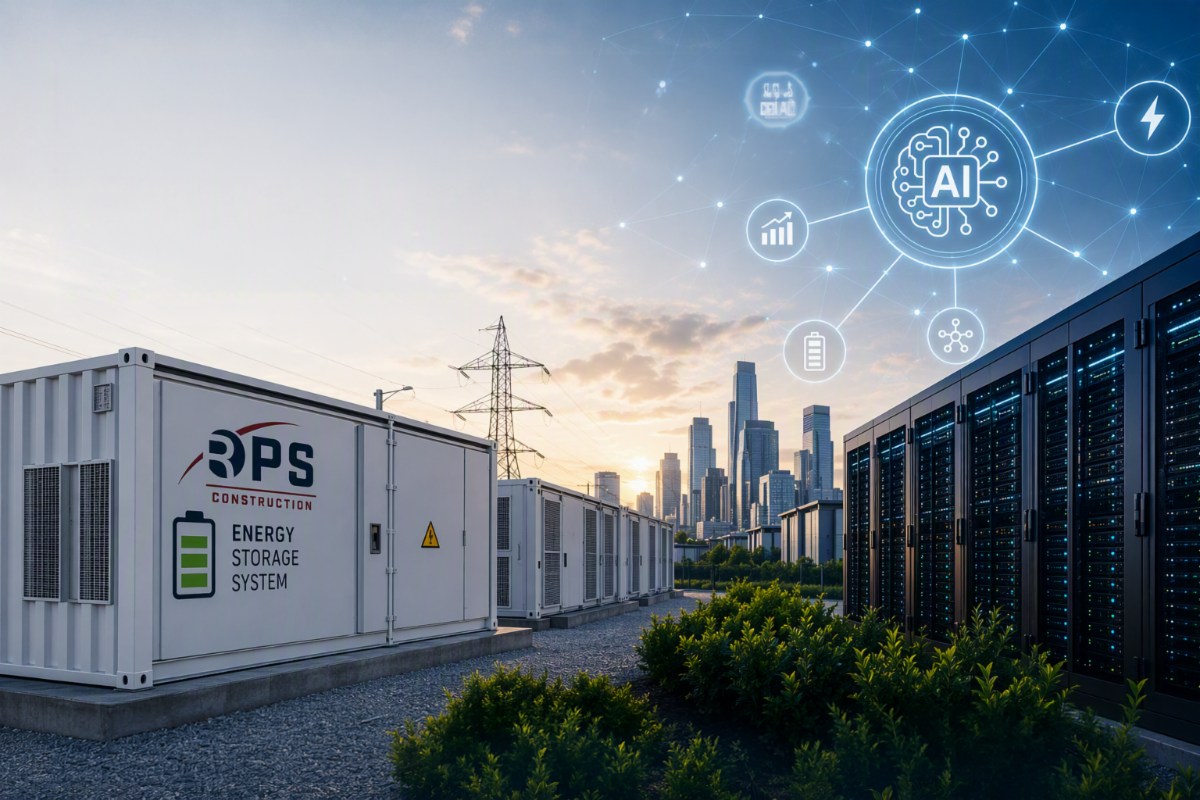
Rubicon Professional Services (RPS), a US design and construction firm for critical facilities, says it has surpassed 1GW of installed battery energy storage capacity across projects in the United States, as demand for data centre power infrastructure grows alongside AI. The company says the capacity is distributed across projects supporting data centres, telecommunications networks, healthcare facilities, manufacturers, educational institutions, housing developments, retail operations, and utilities. Battery energy storage can provide additional power resilience, help manage electricity costs, and reduce demand on the electrical grid during periods of peak consumption. For data centres and other critical facilities, storage can also support continuity of power during disruptions. RPS says the 1GW milestone represents battery storage capacity comparable with the output of a large utility-scale power plant. William Pirrone, Founding Principal at RPS, comments, "Surpassing one gigawatt of installed battery energy storage capacity represents more than a company milestone; it reflects years of helping customers solve increasingly complex power challenges. "Today, and into the foreseeable future, the rapid growth of AI compute will place unprecedented demand on our nation's electrical grid. Organisations need experienced partners who can deliver resilient, scalable power alternatives, efficiently and on schedule." Battery storage for rising power demand The company says its battery energy storage projects are being deployed across a range of sectors as electricity demand increases. RPS has worked on energy infrastructure projects across the US since 2019, including projects supporting data centres and other critical facilities. The company has 20 years of experience delivering electrical infrastructure projects and says around 95% of its business comes from repeat customers. It also says the growth of AI computing is increasing demand for electrical infrastructure and is contributing to greater interest in battery energy storage as part of power planning for data centres. The 1GW milestone covers installed battery energy storage capacity across RPS projects nationwide.

atNorth to power Danish food production with surplus heat
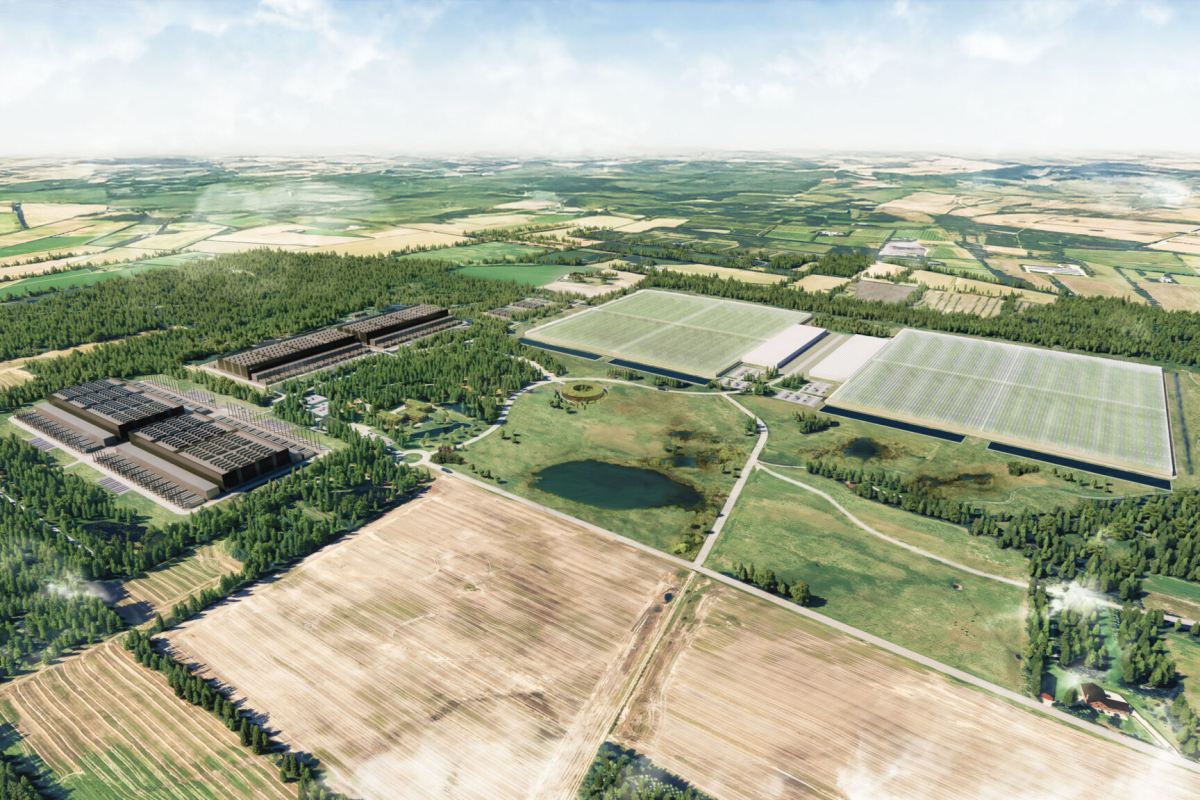
atNorth, a Nordic high-density data centre provider, is partnering with investment firm Selected Group to reuse surplus heat from its DEN02 data centre campus in Ølgod, Denmark, to support a large-scale greenhouse development. The project will use heat generated by the data centre to support local food production, with the first phase of the greenhouse development expected to be completed in Q3 2028. The development will be located on land adjacent to the DEN02 site and is intended to support year-round production of fresh fruit and vegetables in Denmark. Most fresh fruit and vegetables sold in Denmark are currently imported, particularly during winter when domestic production is limited by the climate. The project is intended to reduce reliance on imported produce and support a more resilient local food supply. The partnership forms part of atNorth's approach to incorporating heat reuse into data centre developments, connecting digital infrastructure with local agriculture. Surplus heat to support local production The first phase of the greenhouse development intends to use surplus heat from DEN02 to reduce the carbon emissions associated with conventional fossil-fuelled greenhouse heating. The project is also expected to create jobs during construction and ongoing operations, whilst providing additional economic activity in the Ølgod area. The greenhouse development is designed to expand alongside the DEN02 campus, creating an integrated site combining data centre infrastructure with agricultural production. Eyjólfur Magnús Kristinsson, CEO at atNorth, says, “This partnership demonstrates exactly what responsible digital infrastructure should look like. "By collaborating with forward-thinking organisations like Selected Group, we can transform surplus heat into a valuable resource that supports local food production, reduces carbon emissions, and strengthens community resilience. DEN02 is designed to integrate into Ølgod's community, and this project exemplifies this.” Peter Nielsen, CEO of Selected Group, adds, “Every unit of surplus heat should create value. By partnering with atNorth to convert surplus heat into local food production, we are demonstrating how digital infrastructure can strengthen food security while reducing emissions. "Reducing dependence on imported produce strengthens national food resilience, shortens supply chains, and removes the emissions associated with transporting fresh produce across borders. We believe this model can be replicated wherever large-scale data centers are built.” The announcement follows atNorth's partnership with Vestforbrænding to reuse surplus heat from its DEN01 data centre for the local district heating network. atNorth also works with Kesko Corporation in Finland to provide heat for a local shop, and with Stockholm Exergi at its SWE01 campus to supply heat for local homes and businesses. For more from atNorth, click here.

GreenScale sets data centre sustainability commitments
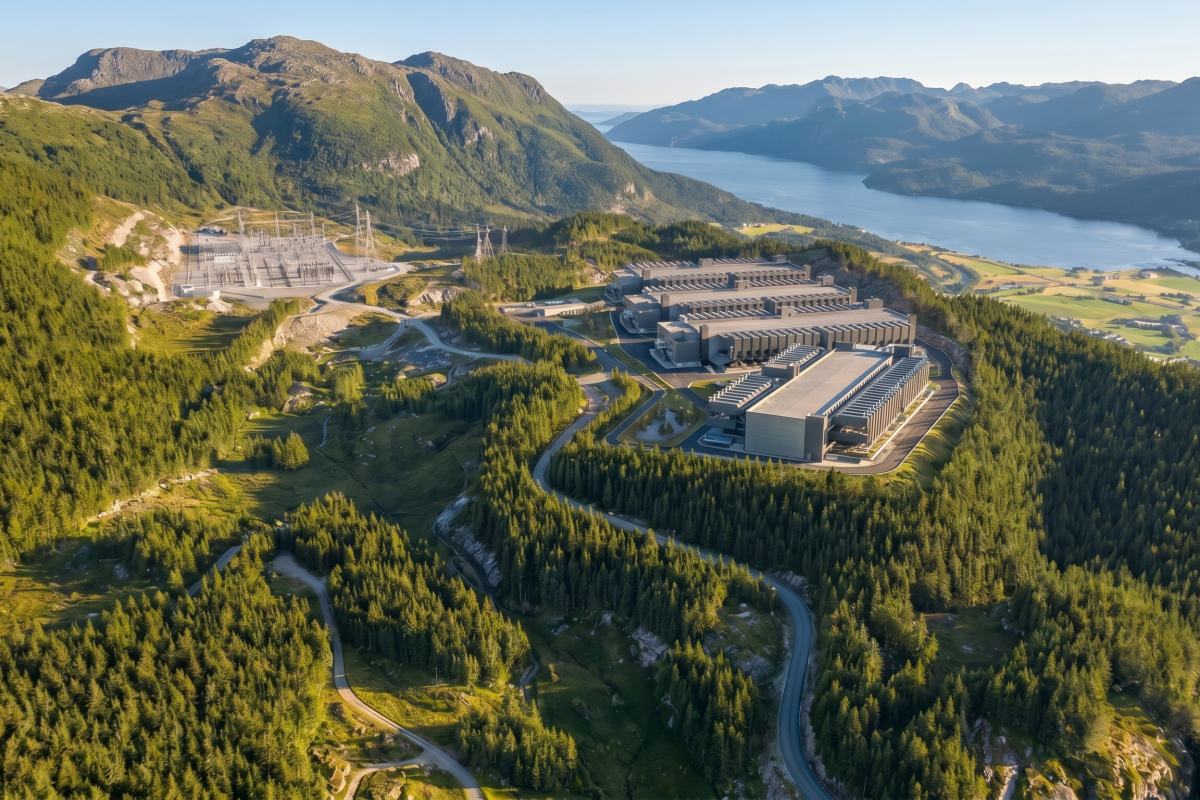
GreenScale, a developer of hyperscale data centre campuses, has published 12 sustainability commitments that will guide the development and long-term operation of its data centre campuses. The commitments conclude a 12-week campaign that began on Earth Day 2026, with one commitment announced each week. Together, they set measurable targets covering areas including renewable energy, embodied carbon, water stewardship, local communities, and responsible supply chains. GreenScale says it will report publicly on progress against each commitment as its developments move forward. Among the commitments are designing all data centres to enable heat export whilst seeking opportunities to reuse waste heat, operating backup generators using hydrotreated vegetable oil (HVO) fuel, targeting a water usage effectiveness (WUE) score of 0.4 or below, and requiring major design and construction suppliers to achieve an EcoVadis rating of "Good" or higher. Campus designed around renewable power GreenScale says its sustainability strategy is linked to developing data centre campuses in locations with renewable energy resources and resilient connectivity. The company points to its planned Tonstad Campus in southern Norway as an example of this approach. New visualisations show the proposed 300MW campus, which is planned to comprise four data centre buildings across a 420,000m² site, representing more than €2.5 billion (£2.1 billion) in planned investment. Located next to the Ertsmyra substation and supplied by electricity from the nearby Tonstad Power Plant, one of Norway's largest hydropower facilities by annual electricity generation, the campus has been selected to take advantage of the region's renewable energy resources. Anna Dowson, Senior Director of Sustainability at GreenScale, says, "These commitments reflect the areas where we believe GreenScale can make the greatest positive impact. "By setting clear, measurable targets from the outset, we're creating a transparent way to track our progress over time and hold ourselves accountable as our campuses move through development and into operation." Dan Thomas, CEO of GreenScale, adds, "Data centre campuses are long-term infrastructure assets that will operate for decades. The decisions made before construction begin influence their performance throughout their lifetime. "That's why we've embedded sustainability into every stage of our approach, from selecting the right locations to designing, building, and operating our campuses. These commitments provide the framework that will guide that journey." GreenScale says the commitments were developed following a materiality assessment aligned with the European Sustainability Reporting Standards (ESRS), the Sustainability Accounting Standards Board (SASB), and the Global Real Estate Sustainability Benchmark (GRESB). For more from GreenScale, click here.

Equinix, A2A to heat Milan via district heating
Equinix, a US global data centre and interconnection services provider, and A2A, Italy’s second-largest energy operator, have announced a partnership to recover waste heat from a data centre campus near Milan and use it to supply the city's district heating network. The project will recover heat generated by servers at Equinix's campus in Settimo Milanese and transfer it to a new energy centre developed by A2A. The recovered heat will then be used to provide heating across parts of Milan. Equinix will design and manage the system used to export heat from the campus, working with customers whose IT equipment generates the thermal energy. A2A's new energy centre will use four large-scale heat pumps with a combined capacity of 72MW, together with two thermal storage systems capable of storing 6,000m³ of water. The facility will connect to Milan's district heating network via dedicated heat transport infrastructure. Once fully operational, the project is expected to recover up to 225GWh of thermal energy each year. According to the companies, this will increase the amount of heat distributed through A2A's district heating network by around 20%, providing enough energy to heat more than 21,000 homes. The partners also estimate the scheme will avoid more than 345,000 tonnes of CO₂ emissions. Heat recovery supports district heating expansion As part of the project, A2A will expand Milan's district heating network, enabling recovered heat from the data centre to be supplied across a wider area of the city, including the Duomo and Palazzo Reale, which are already connected to the network. Adaire Fox-Martin, CEO and President of Equinix, comments, "Equinix has a long and proud history of aligning the needs of our business with the needs of the communities we call home. "Our collaboration with A2A is a clear example of how essential digital infrastructure and local sustainability goals can work in service of each other. By putting thermal energy from our operations to use for local homes and residents, we're eliminating waste and moving Milan towards a low-carbon future." Emanuela Grandi, Managing Director of Equinix Italy, adds, "Excess heat is a by-product of the processing power required for digital transformation and AI, but when we redistribute it to the areas surrounding our data centres, we can create tremendous value for our communities while reducing the overall energy needed to heat the area. "We are very proud of the efforts and achievements Equinix has done in blazing a trail for data centre heat export in Europe and we're applying learnings from our successes to our efforts in Italy. "By scale, this initiative in Italy is expected to become among the largest data centre heat export projects in Europe outside the Nordics." Renato Mazzoncini, CEO of A2A, concludes, "Data centres are strategic infrastructure for the competitiveness of the country and for supporting the digital transformation of the economy. "Their growth requires models capable of combining technological innovation, energy efficiency, and environmental sustainability. From this perspective, heat recovery is a key lever for maximising the value of digital hubs and accelerating the decarbonisation of cities. "The collaboration with Equinix is fully aligned with our strategy to develop an integrated ecosystem where energy, infrastructure, and innovation operate synergistically." The companies say the partnership forms part of wider efforts to support the decarbonisation of urban energy systems through the reuse of waste heat generated by digital infrastructure. For more from Equinix, click here.

EUDCA reaffirms sustainability commitment
The European Data Centre Association (EUDCA), the representative body of the European data centre community, has reaffirmed its commitment to supporting climate-neutral data centres and the sustainable growth of Europe's digital infrastructure. The organisation says it remains focused on developing a digital economy that balances increasing demand for digital services with environmental sustainability and closer integration with Europe's energy system. Founded in 2012, the EUDCA works with the data centre industry, policymakers, and other stakeholders to support the development of Europe's digital infrastructure. As a co-founder of the Climate Neutral Data Centre Pact, the association has committed to helping the sector achieve climate neutrality by 2030. This includes improving energy efficiency, increasing the use of renewable energy, reducing water consumption, supporting circular economy initiatives, and encouraging the reuse of waste heat. Over recent years, the EUDCA has worked with the European Commission and industry partners on policies intended to support both digital infrastructure growth and environmental objectives. Energy integration and grid capacity On 3 June 2026, the EUDCA joined the European Commission, Commissioner Dan Jørgensen, and organisations from across the energy sector in signing a Declaration of Intent to support the sustainable integration of data centres into the European energy system. The declaration highlights the need for reliable low-carbon electricity, closer collaboration between data centre operators, grid operators, and public authorities, and a stable regulatory environment to support future investment. The association also says that expanding Europe's digital infrastructure will depend on addressing wider challenges within the electricity system, including reinforcing transmission and distribution networks, streamlining planning and permitting processes, and improving access to low-carbon electricity. Michael Winterson, Secretary General of the EUDCA, comments, "We reaffirm our commitment to sustainability, irrespective of technological developments or changing demands. A liveable, equitable, and sustainable future remains our utmost goal." The EUDCA's annual State of European Data Centres report also tracks the sector's sustainability and environmental, social, and governance (ESG) performance using member data and information collected under the European Energy Efficiency Directive. For more from the EUDCA, click here.


Translate »