Sustainable Infrastructure: Building Resilient, Low-Carbon Projects

Airsys backs ThermAI heat reuse for home heating
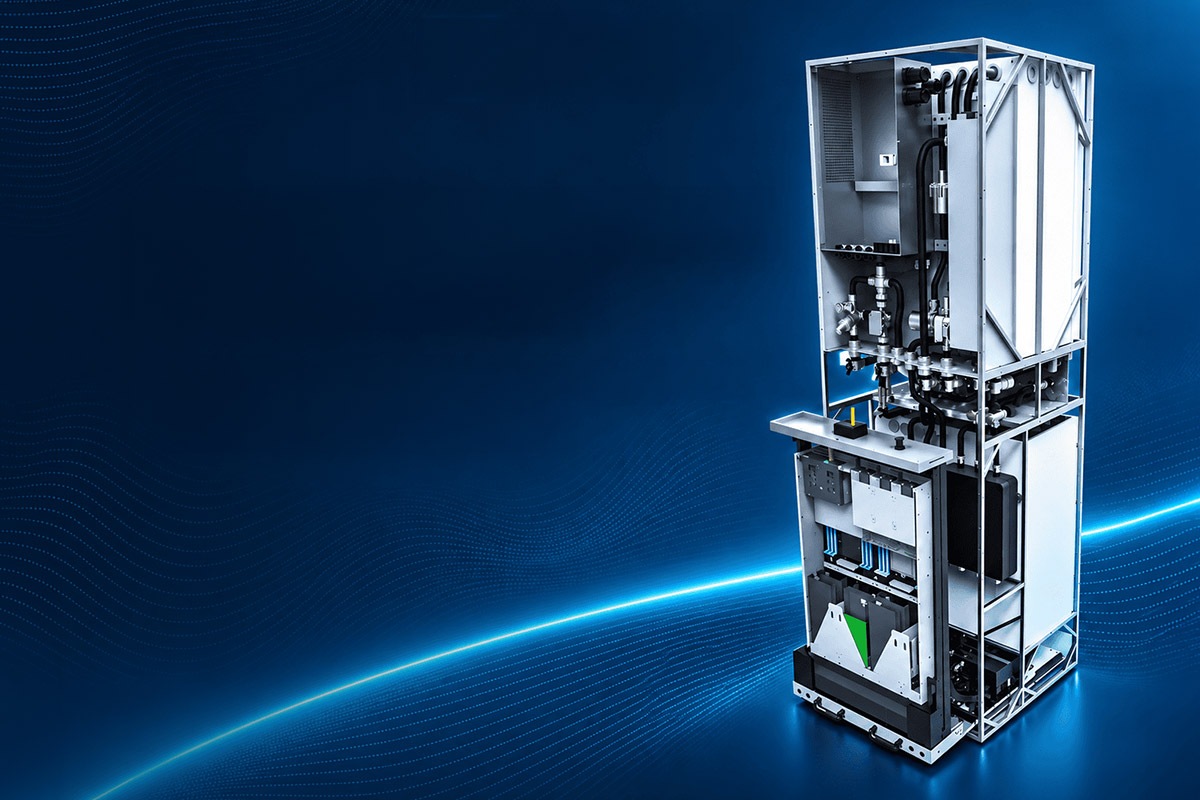
Airsys, a provider of data centre cooling systems, has become the lead investor in, and technical partner of, UK GPU computing company ThermAI, supporting the development of infrastructure that uses waste heat from computing equipment to provide domestic heating and hot water. ThermAI's HeatBridge system uses its LiquidDock server cassette, incorporating Airsys's LiquidPack spray cooling technology, to recover heat generated by AI and research computing. The recovered heat is then used to provide heating and hot water to participating households at no cost. The company has also developed FlightDeck, a GPU computing platform providing access to UK-hosted computing resources for AI, research, and engineering workloads. It intends to use the platform to establish a distributed network of computing installations that can also supply domestic heating. ThermAI has now closed a pre-seed funding round led by Airsys, with participation from venture capital firm Augur VC and angel investors. “We’re designing the computing platform and the heating system together so heat reuse is part of the infrastructure from the start,” says Christopher Smart, founder and CEO of ThermAI. “Our aim is to make that work as a commercially viable model that can scale.” Domestic heating from recovered server heat Participating households will receive heating and hot water at no cost, while ThermAI will also cover the cost of backup heating where required. The initial deployment will focus on social housing, with the company targeting installations in 100 homes in partnership with UK social housing providers during 2027. The initiative comes as landlords work towards bringing all social rented homes in England to EPC band C by 2030, supported by the Government's £15 billion Warm Homes Plan. Augur VC is also backing the project, with its President, Dan Chapman, stating, “ThermAI brings together a commercial opportunity in GPU computing and a practical way to make homes more affordable to heat. We see strong potential in the model and are pleased to support Chris and the team.” University research pilot planned Professor Jonathan Hirst of the University of Nottingham's School of Chemistry has signed a letter of intent to participate in a ThermAI computing pilot. The project would support GPU-intensive research applications, including drug discovery and molecular dynamics. Jonathan notes, “ThermAI’s approach is a highly sustainable one that would benefit local communities. Initiatives like this could play an important role in maintaining and improving the sustainability of organisations such as ours.” For Airsys, the project also provides an opportunity to explore how recovered heat could be used beyond individual homes, including in larger data centre deployments supplying district heating networks. Yunshui Chen, founder and CEO of Airsys, comments, “Heat reuse is the next frontier for thermal infrastructure, and ThermAI shows what it looks like when you design for circularity from the server up. “For the first time, our spray cooling technology is not only keeping servers cool but turning their heat into a vital utility for the home. If we can prove this circular model in a single household, the same approach can scale to data centres feeding district heating. That is what ‘Balance the Environment’ demands of us: treating every watt of energy as a resource that does double duty.” How the HeatBridge system works Each installation combines a custom six-GPU ThermAI Node with the HeatBridge system, which has a UK patent application pending. Universities, research centres, AI start-ups, and engineering companies access the computing resources remotely through FlightDeck, with the hardware hosted in the UK. LiquidPack uses an electrically non-conductive fluid sprayed directly onto server components inside a sealed cassette, rather than immersing the hardware in liquid. The system recovers heat into a water circuit at temperatures of up to 60°C, making it suitable for domestic heating and hot water. A heat exchanger transfers the recovered energy into the water circuit, whilst Sunamp heat batteries store it until required by the household. Christopher Smart explains, “When we saw spray cooling and higher coolant temperatures, it instantly clicked. For something that has to live inside a home, it suits what we’re building.” The servers are manufactured by 2CRSi through its Manchester-based subsidiary and use NVIDIA RTX PRO 6000 Blackwell Server Edition GPUs, each with 96GB of memory. ThermAI is also a member of the NVIDIA Inception programme. Its wider partner network includes Sunamp, Oleon, ESBE, Roedan, OCF, Inta, InstaGen, and Savar Brass, alongside the University of Nottingham. For more from Airsys, click here.

3Flash plans 480MW data centre in Finland
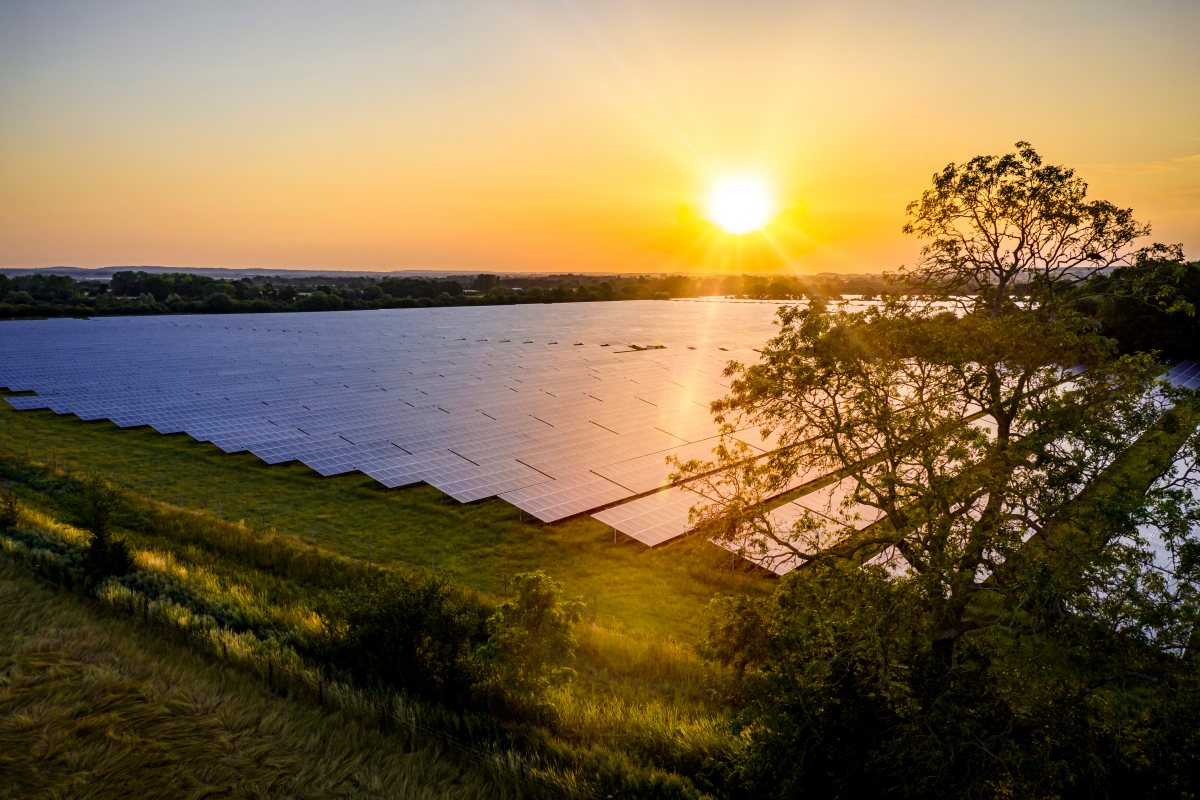
3Flash Finland, a Finnish developer of industrial-scale solar, green hydrogen, and energy storage projects, is planning a 480MW data centre at Huuhansuo in Lappeenranta, Finland, alongside on-site solar power generation, battery storage, and a gas engine power plant. The project is designed to include up to 200MWp of solar generation, a battery energy storage facility with capacity of up to 320MW/2,560MWh, and a gas engine power plant with capacity of up to 720MW. The on-site generation is intended to reduce the data centre's reliance on the electricity grid during periods of limited supply. The plans were presented to local residents and landowners at Vilkjärvi village hall on Monday, 9 November 2026. The project's environmental impact assessment (EIA) programme is expected to be made available for public review at the end of November. On-site generation and energy storage The gas engine power plant would be capable of starting within minutes when wind and solar generation are insufficient. The engines could operate using natural gas, biomethane, or hydrogen. The data centre would occupy a site of up to approximately 105 hectares, with no lake or river water used for cooling. The final project scope will be determined through the EIA and land-use planning processes, which will also assess a smaller development option. Miko Huomo, Chairman of the Board at 3Flash Finland, says, “Dozens of data centres are being planned in Finland, and many rightly ask whether there is enough electricity for everyone and who pays for the peak hours. "At Huuhansuo, the answer is built into the project: the data centre brings its own balancing power. When electricity is in short supply, it does not take it from the grid at the expense of others. Here, the combination of a data centre and energy production is more than the sum of its parts.” Huuhansuo comprises former peat production land and commercial forest, and it is already zoned for energy production. Fingrid's Yllikkälä substation is located a few kilometres away, whilst a Gasgrid gas transmission pipeline runs alongside the site. Noise, water, nature, and landscape impacts will be assessed through the EIA process, with the findings made publicly available. 3Flash Finland states that it intends to keep noise levels at the nearest homes below permitted guideline values and will manage stormwater appropriately. Questions and answers from the public meeting are due to be published on the company's website within a week. Permits targeted for 2028 The Finnish Supervisory Agency will announce the EIA programme's public consultation period and a further public event. A master plan amendment and detailed local plan will also be prepared in cooperation with the City of Lappeenranta. The project aims to secure permits in 2028, with construction of the first phase potentially beginning in 2029 at the earliest. 3Flash Finland is developing the project towards permit readiness and is seeking a data centre operator and investor. Arctic Securities is acting as financial adviser, with further project partners to be announced once agreements have been finalised.

Centriforce targets £30m sales as data centre demand grows
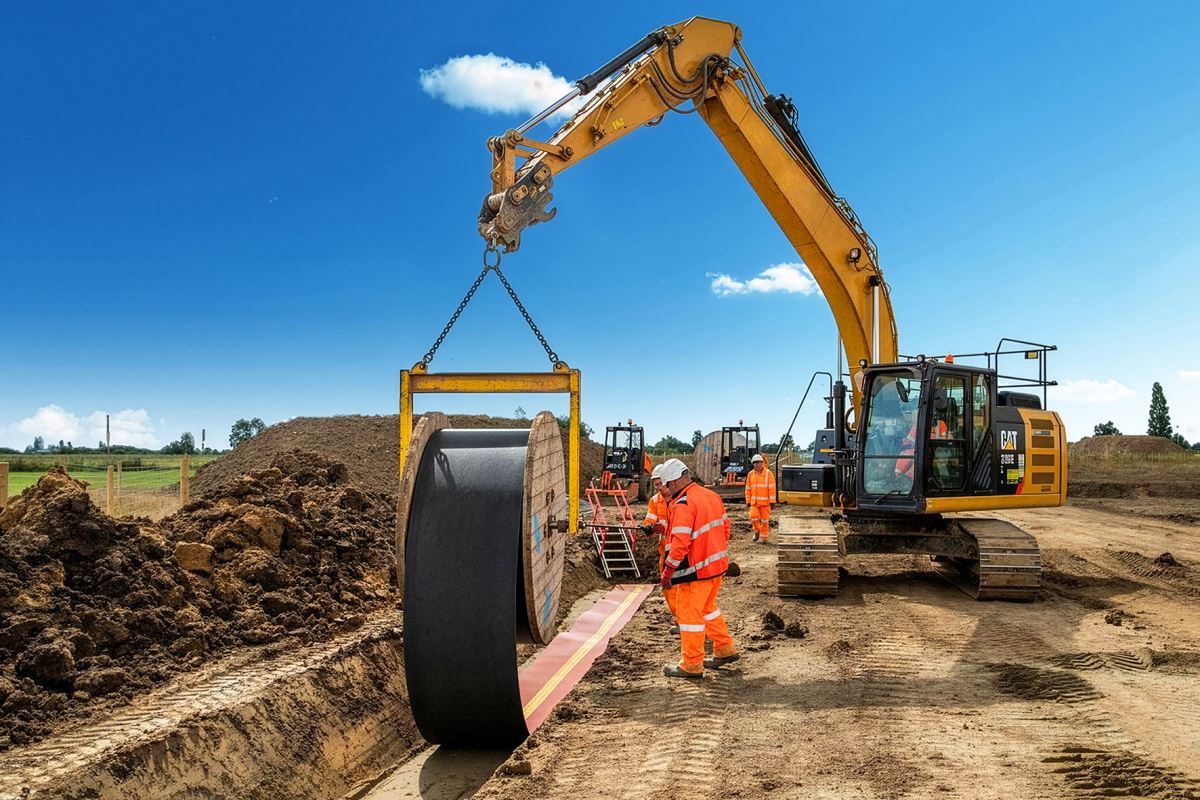
Liverpool-based recycled plastics manufacturer Centriforce Products says it expects sales to exceed £30 million in 2026, up from £28 million in 2025, as investment in data centres, power networks, and renewable energy drives demand for infrastructure protection products. The company reportedly processes more than 20,000 tonnes of discarded plastic annually into products including its Stokbord cable protection boards. It manufactures more than nine million metres of recycled products each year and is expanding its European presence into eight markets: Germany, the Netherlands, France, Spain, Portugal, Romania, the Baltic states, and the Balkans. The expansion comes as investment in data centres and energy infrastructure increases demand for underground cable protection. Centriforce says UK specifications typically require protection boards around 10mm thick, compared with products of 2mm or less still used in some European markets. The company argues that higher protection standards are needed as power networks expand and the consequences of cable damage become more significant. Centriforce has supplied its Stokbord product in roll-out format for more than 10 years, protecting cable routes connecting offshore wind farms to onshore substations. Its Protrack heavy-duty mats provide temporary and permanent access routes across construction sites and sensitive ground, and its customers and project partners have included Ørsted, Iberdrola, NKT, Nexans, Balfour Beatty, and VolkerInfrastructure. European expansion targets infrastructure markets Eleanor Young, Commercial Director at Centriforce, notes, “Europe is building infrastructure at a pace not seen since post-war reconstruction. Every metre of cable in the ground and every access route across sensitive habitat now has to be sustainable in both senses of the word: long-lasting and low-carbon. That's what we've been doing for 50 years.” The company explains that it has manufactured products from 100% post-consumer recycled plastic since 1976. It also holds ISO 14001 accreditation, achieved in 2014, and publishes an environmental, social, and governance (ESG) report. The European expansion forms part of Centriforce’s 'Force of 50' international growth programme, launched to mark its 50th anniversary, and the company is currently recruiting distribution partners in its target markets.

Downing expands into data centres with 500MW pipeline
Downing Renewable Developments (DRD), a UK developer of solar, battery storage, and onshore wind projects, has expanded into data centre development, establishing an initial pipeline of more than 500MW of advanced projects in Sweden and Finland. The most advanced sites are in central Sweden and southern Finland, with land secured and grid connections anticipated before 2030. Permitting for the first projects is expected to begin shortly, with the sites targeting Powered Land status by Q4 2027. This means securing both the land and power capacity needed for future data centre development. Linking data centre development with renewable energy The move builds on DRD’s experience developing renewable energy projects across the UK and Nordics. The company says it is using this expertise to identify suitable data centre locations whilst exploring opportunities to supply clean energy to sites throughout their operational lives. Tony Gannon, Head of Downing Renewable Developments, comments, “Data centres and energy infrastructure are becoming increasingly interconnected. Access to power is a fundamental consideration when identifying where new data centre capacity can be developed, which makes this a natural extension of our existing renewable energy development capabilities.” Tom Williams, Head of Energy and Infrastructure at Downing, adds that the company aims to provide firmed power from portfolios of renewable generation assets to its data centre developments, offering long-term supply security while reducing their impact on the grid and the environment.

Could smarter monitoring reduce data centre wastewater?
Liquid waste removal experts at BusinessWaste.co.uk say operators will need to think more carefully about how water is used across their sites, where wastewater is being created, and what can be done to reduce it: Water use depends on how sites are designed Water demand can vary considerably between data centres, depending on the cooling systems and infrastructure in place. Some cooling systems rely much more heavily on water, whilst others are designed to recirculate more of it. That means decisions made during site planning can have an impact on how much water it eventually uses. For new developments, that could mean considering cooling systems, local water availability, and whether any water reuse opportunities exist before construction begins. Existing sites can also get a clearer picture of where water is going by using meters and sensors to track usage over time. A sudden rise in consumption could prompt checks for a leak, an equipment problem, or another change in the site. Where cooling or maintenance processes produce wastewater, cutting unnecessary water use and reusing more of it could also help reduce the amount that eventually needs to be treated or discharged. Could AI help operators spot problems earlier? As large data centres already produce a huge amount of operational data, AI could help operators make more sense of it. Used alongside existing monitoring systems, AI could pull together information from water meters, cooling equipment, and other parts of a site, which could make unusual changes or any emerging patterns easier to spot. This could help operators investigate problems sooner, especially on large sites where it may be difficult to track everything manually. Where a site generates wastewater through cooling or maintenance, the same monitoring could also help operators track changes in the amount being produced and understand where those changes originate. There is still a lack of clear evidence around how much water data centres use and how AI could affect that demand. The Environment Agency has faced difficulties gathering reliable water-use data from the sector, which has made it difficult to assess future demand. Research into AI-led cooling is also developing, although much of the focus so far has been on energy efficiency. A recent review of 64 studies found that only three reported water usage effectiveness (WUE), suggesting there is still more to understand about how AI optimisation could affect water consumption. That means water use will need to be measured more consistently if operators are going to understand whether these systems are actually making a difference. Could data centres rely on less drinking water? As demand for AI continues to grow, there will likely come a point when operators will need to look beyond using drinking water as a means of cooling. Depending on the site and the type of cooling system being used, some options include rainwater harvesting, recycled wastewater, and other non-drinking water sources. Government research has already identified these as possible ways to ease pressure on public water supplies. Closed-loop cooling could also help, as it allows water to circulate through a system several times rather than constantly bringing in fresh supplies. The Environment Agency has pointed to this as a more water-efficient option and says reuse should be considered when new data centres are planned. There may also be opportunities to reuse some of the wastewater created on site. Water removed from cooling systems, for example, can sometimes be treated and fed back into the system instead of being discharged straight away. For future sites, the wider aim could be to get more use out of the water already available, rather than relying so heavily on fresh supplies each time. Calls for more transparency Mark Hall, Liquid Waste Removal Expert at BusinessWaste.co.uk, comments, “Data centres are becoming a bigger part of everyday infrastructure, and the relationship between them and water is becoming a bigger part of discussions. “As more sites are proposed, operators are likely to face more questions from local communities, councils, and regulators about the pressure they could place on water supplies. Being able to explain that is going to become increasingly important. “There needs to be more openness across the sector, because if we don’t know how much water data centres are using, it becomes much harder to judge what further growth could mean for local water supplies. “For businesses planning new sites, water should be treated as a key part of the decision-making process from the beginning. The availability of land and power will always matter, but access to water could also play a bigger role in where these facilities can realistically operate.”

Phinergy scales up aluminium-air generator for data centres
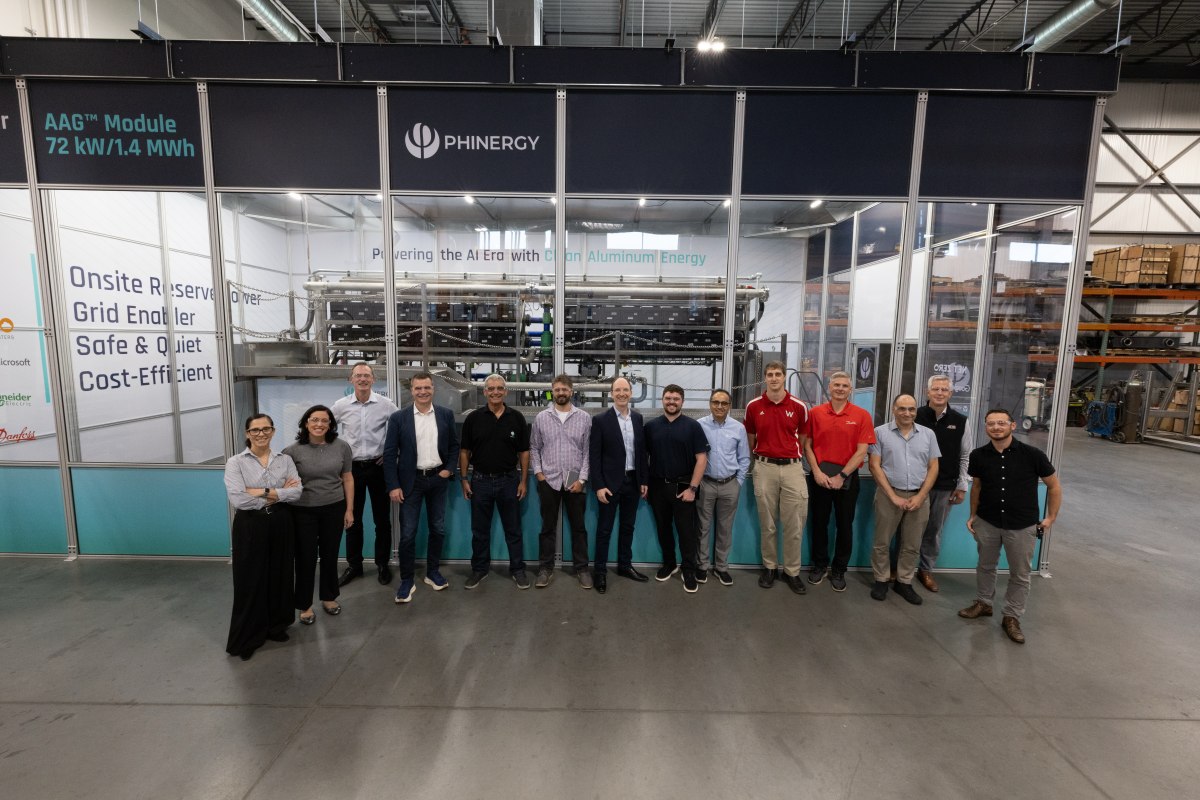
Phinergy, a clean energy technology company, and the Net Zero Innovation Hub for Data Centers (NZIH), a pan-European industry consortium working to cut data centres’ carbon emissions, have tested a 72kW aluminium-air generator (AAG) module designed for long-duration backup power in data centres. The module was unveiled on 9 October 2026 at a partner facility near Madison, Wisconsin, USA, as part of a collaborative testing programme involving the data centre industry. Technical experts from Microsoft, Danfoss, Schneider Electric, and Vertiv attended the testing and agreed on the next steps for validation and further development. The project aims to assess the technology’s suitability for integration into large-scale data centre infrastructure, with the partners targeting eventual commercial deployment. Testing advances towards megawatt-scale system Phinergy’s AAG uses aluminium to generate electricity and is intended to provide backup power without the on-site emissions associated with conventional diesel generators. The 72kW module has an energy capacity of 1.4MWh and represents a building block for a planned 500kW system with a capacity of 10MWh. The larger system is currently being assembled. The partners say the technology could provide backup power whilst helping data centre operators manage grid constraints. It is also intended to support power availability by temporarily reducing reliance on the grid during periods of peak demand. Phinergy and the NZIH announced their partnership in October 2025. Following a global request for information on low-carbon backup power technologies, the generator was selected from more than 70 submissions for megawatt-scale validation. Emmanuel Levy, CEO of Phinergy, comments, “Reaching AAG Module stage is a defining achievement in the AAG's commercialisation roadmap. The AAG Module design has now demonstrated, through a formal validation process endorsed by hyperscalers and leading data centre operators, that it meets the technical standards required for data centre operation, and we move forward with confidence towards full AAG system validation and deployment.” Industry collaboration continues The NZIH brings together data centre industry organisations to assess technologies intended to support the transition towards net zero. Its members include APL Data Centers, Danfoss, Data4, Engie, Google, Microsoft, Schneider Electric, and Vertiv. Alberto Ravagni, CEO of the NZIH, says, “This is an important milestone of the validation and scale-up program the Hub is conducting with its members. It confirms aluminum-air as a promising clean backup power technology and demonstrates how the Hub’s collaborative approach accelerates the adoption of innovative solutions across the data center industry.” The partners state they will continue evaluating the technology against the requirements of cloud and AI data centres as development progresses towards validation of the full-scale system.

Using data centre waste heat with aquatherm piping systems
Data centres generate large amounts of waste heat as servers and cooling systems operate around the clock. Instead of discharging this heat into the environment, it can be captured and used as an energy source for nearby buildings or heating networks. To make this technically and economically viable, a reliable piping infrastructure is required to transport the thermal energy from the data centre to heat pumps, heat exchangers, and external consumers with low losses. aquatherm offers suitable solutions for this task: aquatherm blue for the internal data centre circuits, connecting servers, cooling equipment, and heat exchangers, and aquatherm energy, a pre-insulated PP piping system designed for underground distribution (for example, to local or district heating networks). Both systems are corrosion-free, durable, and designed for closed-loop operation, supporting the long-term use of data centre waste heat as a local energy resource. More details are available at Using Waste Heat from Data Centres: Turning Digital Heat into Community Warmth. For more from aquatherm, click here.

A-Gas at Chillventa: Discover the LRM journey for data centres
A-Gas is a company specialising in the lifecycle management of refrigerants, which is increasingly relevant as the industry looks to reduce its carbon emissions and move away from high global warming potential (GWP) gases. For over 30 years, A-Gas has supported clients and partners, including those in the data centre sector, on their environmental journey as an enabler of lifecycle refrigerant management (LRM) and circularity in the industry, with world-class processes for the safe recovery, reclamation, and destruction of used refrigerants. This LRM circular approach is the opposite of the 'take, make, and dispose' model that has dominated the refrigerant industry for decades. By recovering used refrigerant gases and reclaiming them to AHRI 700 standards, A-Gas makes better use of existing resources and reduces the need for virgin production. Re-supplying these products to the market helps the wider heating, ventilation, air conditioning, and refrigeration (HVAC-R) industries embrace circular economy principles. Where no future reuse is possible, A-Gas uses United Nations-approved destruction technology to eliminate the gases in a safe and environmentally responsible way. During the three days of Chillventa, A-Gas will take visitors on a journey through the different phases of Lifecycle Refrigerant Management (LRM). A-Gas will highlight how each phase impacts the refrigerant lifecycle and demonstrate how its products and services support customers at every stage. • Recovery — featuring globally renowned services such as Rapid Recovery and Rapid Exchange• Supply — showcasing its expertise in multiple refrigerants, including low and ultra-low GWP refrigerants, as well as the new blends• Reclaim — highlighting world-class reclamation capabilities that restore refrigerants to AHRI 700 standards for re-supply Why Rapid Recovery is important for data centres For data centre operators, Rapid Recovery is a key part of this approach. The sector has specific requirements in terms of speed and efficiency, which A-Gas is able to address promptly, keeping server downtime to a minimum. In this context, one aspect that is often underestimated is the logistical complexity involved in challenging environments such as hyperscale data centres and edge infrastructure. In these cases, decommissioning or retrofit operations may involve large quantities of refrigerant and require rapid intervention to minimise disruption to operations, which could otherwise result in significant inconvenience and substantial financial losses. Rapid Recovery is a high-speed, on-site refrigerant recovery programme delivered by highly specialised technicians using purpose-built proprietary technologies, lorries equipped with 120-metre flexible recovery hoses and other company assets, including 1,000-litre drums and high-performance vacuum pumps. The service removes refrigerant at speeds of up to 10 times those of traditional recovery processes, while operating in full compliance with local and international regulations. It also includes comprehensive support with all required documentation. The service can be adapted to applications of any size and is available 24 hours a day, seven days a week. A-Gas meets visitors at Chillventa Discover A-Gas solutions and more by visiting A-Gas in Hall 1 - Booth 1-332. The team looks forward to welcoming you and guiding you through the LRM journey. For more from A-Gas, click here.

Sustainable Data Center Summit arrives in Dubai
The Sustainable Data Center Summit is a focused industry platform bringing together data centre operators, developers, infrastructure specialists, technology providers, consultants, government stakeholders, and other key decision-makers to examine the evolving requirements of sustainable digital infrastructure. As demand for cloud services, AI, high-performance computing, and digital connectivity continues to accelerate, data centres are facing increasing pressure to expand capacity whilst managing energy consumption, cooling requirements, power resilience, water use, and environmental impact. The summit provides a platform to address these challenges and explore practical approaches to developing more efficient, resilient, and sustainable facilities. The summit will explore key areas including energy efficiency and optimisation, advanced cooling and thermal management, resilient power infrastructure, renewable energy integration, sustainable data centre design and operations, water efficiency, carbon reduction, AI-ready infrastructure, and high-density computing. Through expert presentations, panel discussions, and industry networking, the event will bring together professionals from across the data centre ecosystem to exchange knowledge, examine emerging technologies, and discuss the strategies required to support the industry's next phase of growth. Taking place on 13 October 2026 at Millennium Airport Hotel Dubai, the Sustainable Data Center Summit will provide a dedicated platform for meaningful conversations around how the industry can meet rising digital demand whilst moving towards more efficient, resilient, and sustainable data centre infrastructure.

Australia could cut AI emissions through data centres
Australia could reduce global AI emissions by hosting more data centre infrastructure and using renewable energy to power computing, according to a study by economics research and advisory firm Mandala Partners (commissioned by Australian industry body Data Centres Australia). The report argues that Australia could capture AI demand that might otherwise be hosted in Southeast Asia, where more carbon-intensive energy generation is used. Hosting a 1.9GW AI compute export opportunity in Australia could produce an estimated 3.2 million tonnes of CO2 emissions, compared with 11.9 million tonnes if the same capacity were hosted in Indonesia. Mandala says Australia is well positioned to become a regional hub for lower-emission AI compute, effectively exporting renewable energy through computing services rather than physical electricity infrastructure. Data centres could deliver economic benefits Capturing the AI export market could generate up to $4.1 billion (£3 billion) in additional annual economic activity, support up to 17,120 jobs, and drive up to $52 billion (£38.5 billion) in new investment. Mandala Partner Tom McMahon says, “We know Australia is capable of producing abundant clean energy, but the challenge is how to export that energy to the world. "Exporting clean energy via compute takes advantage of existing subsea cables that are responsible for carrying data and internet traffic in and out of Australia.” Belinda Dennett, Chief Executive Officer of Data Centres Australia, also notes that investment in digital infrastructure could strengthen Australia's role in the energy transition while supporting economic growth and sovereign capability. The report forecasts that Australia's data centre industry could generate $5.6 billion (£4.1 billion) in annual economic activity and support 23,040 ongoing jobs by 2030, with construction activity contributing a further $19.8 billion (£14.6 billion) and 18,930 jobs. The full report is available to view via Data Centres Australia's website.


Translate »