Schneider, NVIDIA to advance AI data centre design
Author: Joe Peck
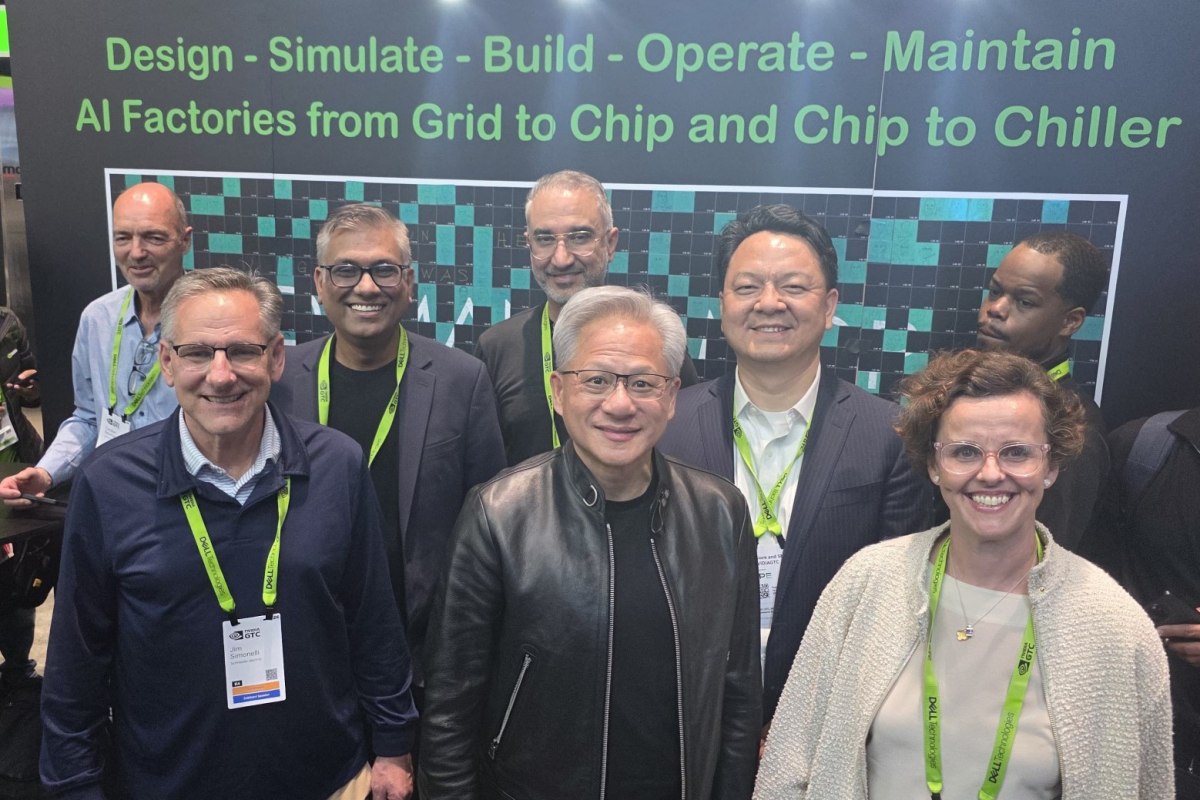
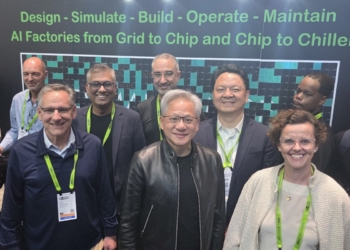
Global energy technology company Schneider Electric has expanded its collaboration with NVIDIA to develop validated designs and digital tools for large-scale AI data centres.
Working alongside AVEVA, the companies outlined new developments in designing, simulating, building, and operating AI infrastructure during NVIDIA GTC in San Jose, USA.
These include a reference design for NVIDIA’s latest rack-scale systems, integration of digital twin capabilities, and testing of AI-driven tools for managing data centre alarms.
The announcements focus on supporting large-scale AI deployments, sometimes referred to as “AI factories”, with an emphasis on power, cooling, and operational efficiency.
Reference design and digital twin integration
A new reference design has been developed for NVIDIA’s Vera Rubin NVL72 rack architecture, covering power distribution and cooling requirements. The design supports higher supply voltage, improved thermal efficiency, and clustered rack configurations for AI workloads.
It has been validated using electrical system and airflow modelling tools to assess performance before deployment.
In parallel, AVEVA has introduced a lifecycle digital twin architecture integrated within the NVIDIA Omniverse environment. This enables simulation of power, cooling, and operational conditions, allowing operators to test and refine designs prior to construction.
According to the companies, this approach is intended to reduce design cycles, improve accuracy, and support more efficient deployment of AI infrastructure.
Manish Kumar, Executive Vice President, Secure Power & Data Centers at Schneider Electric, comments, “As AI workloads scale in both size and complexity, the margin for error in data centre design becomes incredibly small.
“Delivering AI at scale requires tightly integrated electrical, cooling, and digital architectures that can support both unprecedented performance demands while maintaining peak energy efficiency.
“By combining advanced software, digital twins, and validated reference designs, operators can simulate and optimise infrastructure before a single rack is deployed. This approach reduces risk, accelerates deployment, and ensures the efficiency and resilience needed to power the next generation of AI factories.”
Vladimir Troy, Vice President of AI Infrastructure at NVIDIA, adds, “Gigawatt-scale AI factories demand a fundamentally new class of energy-efficient and highly predictable infrastructure.
“Together, NVIDIA and Schneider Electric are providing the power, cooling, and digital twin architectures needed to accelerate time-to-token for our customers worldwide.”
AI-based alarm management testing
Schneider Electric also confirmed testing of an AI-based alarm management capability using NVIDIA Nemotron models.
The system analyses real-time data from multiple sources to identify root causes of issues and recommend corrective actions. The aim is to support data centre operators in resolving incidents more quickly and consistently, while reducing unnecessary maintenance activity.
The latest developments build on ongoing collaboration between the companies, including work on digital twin environments, power system modelling, and support for higher-voltage data centre architectures.
For more from Schneider Electric, click here.
Related Posts