Why thermal management is emerging as a strategic enabler
Author: Joe Peck
AI is transforming how we compute, but it is also exposing a critical infrastructure challenge: how do we cool increasingly powerful compute environments?
For decades, air cooling has been the foundation of data centre design. It is proven, familiar, and effective for traditional enterprise workloads. However, the demands of AI are fundamentally different. Large-scale AI training, high-performance computing, and dense GPU deployments are driving power densities to levels that push the practical limits of air cooling.
Whilst average rack densities have historically ranged from 10 to 20kW, the industry is rapidly moving towards deployments measured in hundreds of kilowatts per rack, with discussions of 600kW and even 1MW architecture becoming more common.
This shift is forcing data centre operators to rethink how infrastructure is designed, powered, and cooled.
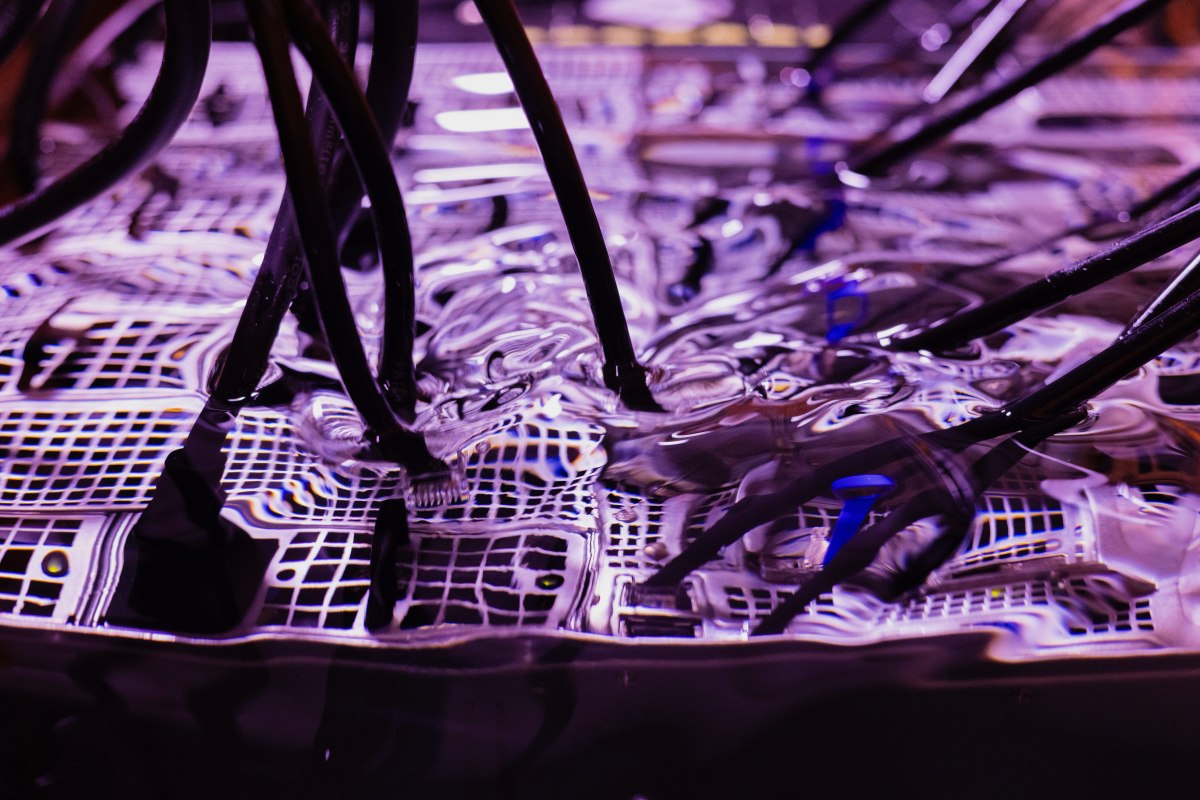
Innovative technologies such as immersion cooling are becoming part of that conversation, not simply as a way to remove heat, but as an enabler of higher compute density, improved efficiency, and scalable AI infrastructure.
In the AI era, cooling is no longer just a facilities consideration; rather, it is a strategic infrastructure decision that will help determine how far and how fast organisations can scale the next generation of computing.
Stay in the loop
Watch, follow, and subscribe to The Cooling Loop on YouTube to keep up with the future of AI and digital infrastructure.
For more from ExxonMobil, click here.
This article is sponsored by ExxonMobil
Related Posts